
Are you ready to transform your workout routine with just one piece of equipment? The gym ball, often overlooked, can be your secret weapon for achieving amazing fitness results.
Imagine improving your balance, core strength, and flexibility all while having fun. This simple yet versatile tool can help you target multiple muscle groups, making your workout both effective and engaging. Whether you’re a fitness newbie or a seasoned pro, incorporating a gym ball into your exercises can bring a fresh challenge and exciting variety.
Stick around to discover the best exercises to do with a gym ball that will revolutionize your fitness journey and keep you motivated. Let’s dive into how you can make the most out of this fantastic fitness tool!

Credit: www.youtube.com
Benefits Of Using A Gym Ball
Using a gym ball in your workouts offers more than just a fun change of pace. It actively engages muscles you might not use during regular exercises. This engagement helps build strength, balance, and flexibility in ways that traditional equipment often misses.
Improving Core Strength
Your core is the foundation of almost every movement you make. Sitting or exercising on a gym ball forces your core muscles to stay active and engaged to keep you balanced. This constant activation helps build a stronger, more stable midsection.
Think about planks on the floor versus planks with your feet on a gym ball—your core works harder to keep steady on the ball. Over time, this leads to better posture and less back pain.
Enhancing Balance And Stability
Balancing on a gym ball challenges your body to maintain control. This challenge improves your overall balance and coordination. You’ll find everyday tasks easier, like walking on uneven ground or carrying groceries while juggling other activities.
Try simple exercises like sitting on the ball while lifting one foot off the ground. This small change makes your stabilizer muscles kick in, building your body’s resilience against falls or injuries.
Increasing Flexibility And Mobility
The gym ball allows you to perform stretches and movements that increase your range of motion. Its curved surface supports your body, helping you stretch deeper without strain. This is particularly useful for tight hips, shoulders, and back muscles.
Have you noticed how stretching over a ball feels different from lying flat? It encourages gentle movement and flexibility, making your joints feel more mobile and less stiff over time.
Choosing The Right Gym Ball
Choosing the right gym ball is essential for maximizing your workout benefits and preventing injury. A ball that fits your body size and workout style will help you maintain proper form and balance. Think about how you’ll use the ball and what features matter most to you before making a choice.
Selecting The Correct Size
The size of your gym ball affects your posture and the effectiveness of your exercises. If the ball is too big, you might struggle to keep balance. Too small, and you won’t get the right support for your movements.
Here’s a quick guide based on your height:
- Under 5’0″: 45 cm ball
- 5’0″ to 5’5″: 55 cm ball
- 5’6″ to 6’0″: 65 cm ball
- Taller than 6’0″: 75 cm ball
Try sitting on the ball before buying. Your knees should be at a 90-degree angle when your feet are flat on the floor.
Material And Durability
Not all gym balls are made equal. Look for one made of thick, anti-burst PVC or similar materials that can handle your weight and movement without popping.
I once bought a cheap ball that burst during a simple plank. Since then, I only trust brands that clearly state their anti-burst rating and durability features.
Check user reviews and product descriptions for details on material quality and lifespan. This saves you money and frustration in the long run.
Inflation Tips For Optimal Use
Proper inflation is key to getting the most out of your gym ball. An under-inflated ball won’t support your body well, while an over-inflated one can be too hard and prone to damage.
Use a pump with a pressure gauge if possible. Inflate the ball until it feels firm but still has a slight give when you sit or press down.
Regularly check the ball’s firmness because temperature changes can cause it to lose air. Would you want to pause your workout just because your ball feels off?
Warm-up Exercises With A Gym Ball
Warming up with a gym ball prepares your body for more intense exercises by gently activating your muscles and improving your balance. These warm-up moves help increase blood flow and reduce the risk of injury. Using a gym ball adds a fun challenge, engaging your core even during simple movements.
Gentle Ball Rolls
Start by sitting on the gym ball with your feet flat on the floor. Slowly roll forward and backward, letting the ball move under your hips. This motion helps loosen your lower back and hips, areas that often feel tight before exercise.
Try to keep your spine straight and breathe deeply as you roll. Do you notice how this simple movement wakes up your core without any strain?
Seated Pelvic Tilts
While sitting on the ball, tilt your pelvis forward and then backward in a smooth, controlled motion. This action gently stretches your lower back and abdominal muscles.
Focus on the small range of motion and how it activates muscles you might overlook. Can you feel your posture improving as you practice this?
Arm And Leg Extensions
Balance on the gym ball with your hands and knees planted firmly. Slowly extend your right arm forward and left leg backward, holding for a few seconds.
Switch sides and repeat. This exercise challenges your balance and strengthens your core. How steady can you keep your body as you extend opposite limbs?
Credit: www.womanandhome.com
Strength Exercises For The Core
Strengthening the core is vital for balance and overall fitness. A gym ball adds challenge and variety to core workouts. It engages muscles more deeply than regular floor exercises. Focus on controlled movements and steady breathing for best results. Here are some effective core exercises using a gym ball.
Ball Crunches
Lie with your lower back on the gym ball. Keep your feet flat on the floor and knees bent. Place your hands behind your head or crossed on your chest. Lift your upper body toward your knees, contracting your abs. Lower slowly and repeat. This exercise targets the upper abdominal muscles.
Plank Variations
Place your forearms or hands on the gym ball. Extend your legs behind you, balancing on your toes. Keep your body in a straight line from head to heels. Hold the position, engaging your core to stay stable. Try moving the ball slightly forward or side to side for more challenge.
Russian Twists
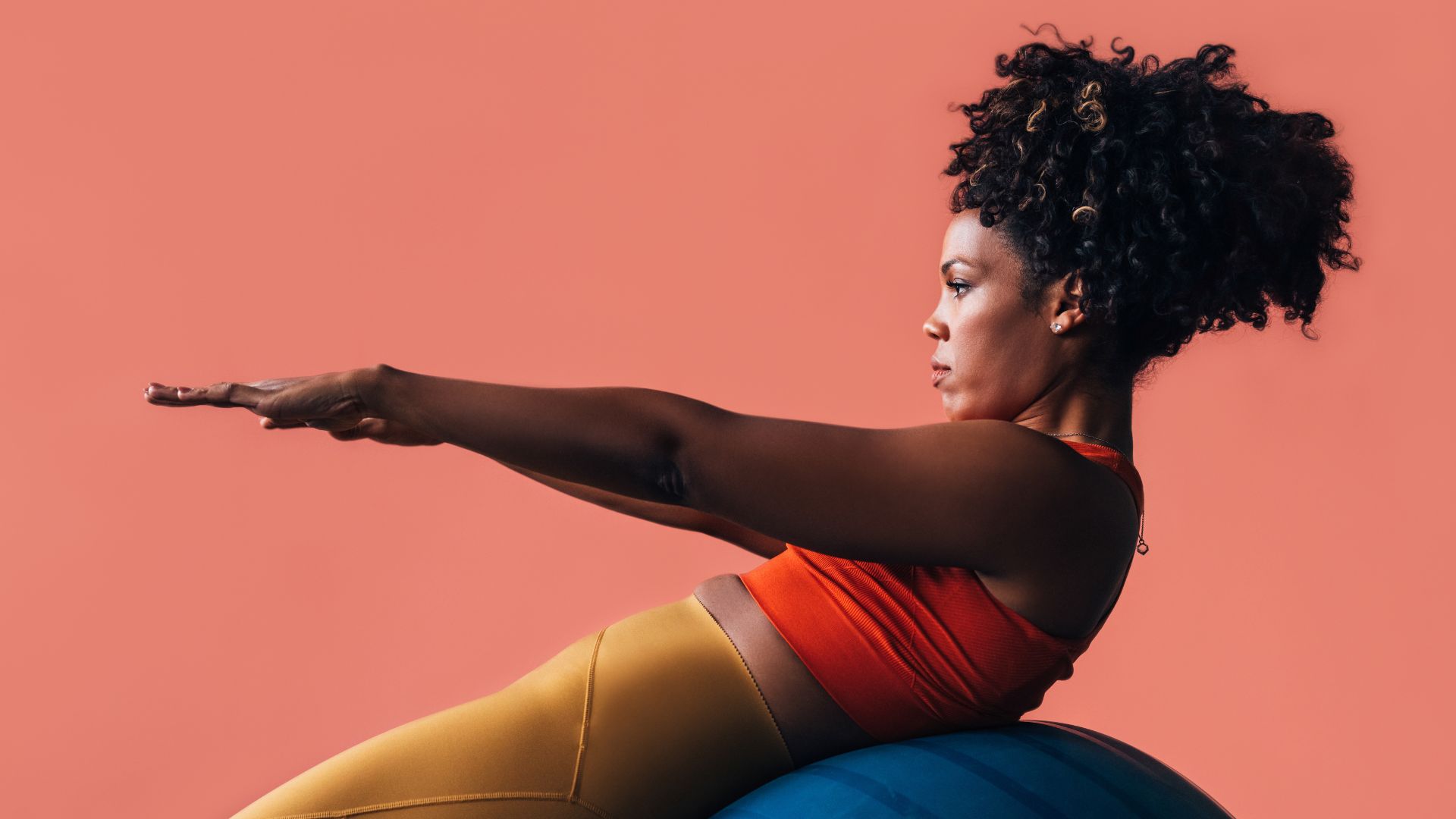
Sit on the gym ball with feet flat on the floor. Lean back slightly, keeping your back straight. Hold your hands together in front of you. Twist your torso to one side, then to the other. This exercise strengthens the oblique muscles on the sides of your core.
Lower Body Workouts
Lower body workouts with a gym ball improve strength and balance. These exercises target key muscles like thighs, hamstrings, and glutes. Using a gym ball adds stability challenges that boost muscle activation. It also helps improve coordination and posture. The following exercises are simple and effective for all fitness levels.
Wall Squats With Ball
Place the gym ball between your lower back and a wall. Slowly squat down, sliding the ball along the wall. Keep your feet shoulder-width apart and knees behind toes. Hold the squat position for a few seconds. Then, push through your heels to rise back up. This exercise strengthens your quads and improves knee stability.
Hamstring Curls
Lie on your back with your heels on top of the gym ball. Lift your hips off the floor into a bridge position. Pull the ball toward you by bending your knees. Slowly extend your legs to roll the ball back out. Keep your hips lifted throughout the movement. Hamstring curls target the back of your thighs and improve leg control.
Glute Bridges
Lie on your back with your feet on the gym ball. Place your arms flat on the floor for balance. Push through your heels and lift your hips high. Squeeze your glutes at the top of the movement. Slowly lower your hips back to the floor. Glute bridges strengthen your buttocks and support lower back health.
Upper Body Moves
Using a gym ball for upper body exercises challenges your muscles in new ways. It adds instability, forcing your core and smaller muscles to work harder. This not only builds strength but also improves balance and coordination.
Push-ups On The Ball
Performing push-ups with your hands or feet on the gym ball increases the difficulty. Your body must stabilize itself, engaging more muscles than a regular push-up. Try placing your feet on the ball and hands on the floor to target your chest and shoulders differently.
Have you noticed how your core tightens instantly during these push-ups? That’s your body working smarter, not harder.
Chest Press
Lie on the gym ball with your upper back supported and feet flat on the ground. Hold dumbbells in each hand and press them straight up over your chest. The ball’s instability activates your core while isolating your chest muscles.
This move feels simple but demands focus on form. Can you keep steady without wobbling?
Seated Shoulder Press
Sit on the gym ball with your feet firmly planted. Hold dumbbells at shoulder height and press them overhead slowly. The ball’s movement forces you to engage your core and stabilize your spine throughout the motion.
Do you feel the difference in balance and strength compared to a traditional seated press? This subtle shift makes a big impact on your workout.
Balance And Stability Drills
Balance and stability drills with a gym ball improve core strength and coordination. These exercises challenge your body to stay steady on an unstable surface. This trains muscles to react quickly and support your posture. Regular practice enhances overall balance and reduces injury risk.
Single-leg Balances
Stand on one leg while placing the other foot on the gym ball. Hold your arms out to help keep balance. Try to stay steady for 20 to 30 seconds. Switch legs and repeat. This exercise strengthens ankles and core muscles.
Ball Passes
Lie on your back holding the gym ball between your feet. Lift your legs and arms simultaneously. Pass the ball from your feet to your hands and then back. Keep your core tight to avoid arching your back. This drill boosts coordination and stability.
Dynamic Sitting Exercises
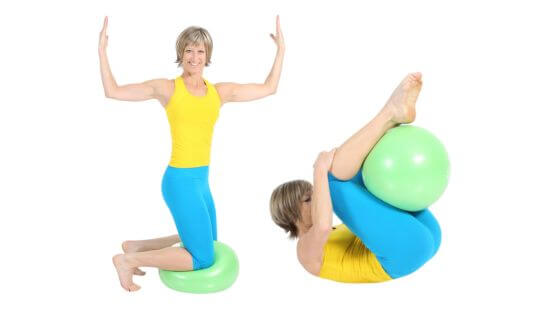
Sit on the gym ball with feet flat on the floor. Gently lift one foot and hold for a few seconds. Lower it and lift the other foot. You can also try small circles with your hips while sitting. These movements engage your core and improve sitting balance.
Credit: www.togu.de
Stretching And Cool-down
Stretching and cool-down exercises with a gym ball help your body recover after intense workouts. They improve flexibility, reduce muscle tension, and prevent soreness. Using a gym ball adds gentle support and makes these stretches more effective and enjoyable.
Back Extensions
Lie face down on the gym ball with your feet firmly on the ground. Slowly lift your chest off the ball by extending your back, keeping your neck aligned with your spine. Hold this position for a few seconds before lowering yourself back down.
This stretch strengthens your lower back and improves posture. Have you noticed how much tension builds in your back after sitting all day? This simple move can relieve that tightness quickly.
Hip Openers
Sit on the gym ball and slowly roll your hips in circular motions. This movement loosens tight hip muscles and increases mobility. You can also try lifting one leg at a time while balancing to deepen the stretch.
Hips often get tight from prolonged sitting. How flexible are your hips after a long day? Adding this stretch to your cool-down can help you move more freely and reduce discomfort.
Full Body Stretch
Lie back on the gym ball, letting your arms and legs extend comfortably. Take deep breaths as your body gently stretches over the ball’s curve. This position opens up your chest, lengthens your spine, and relaxes your entire body.
Feeling tight all over after a workout? This full body stretch with the gym ball can be the reset your muscles need. Try holding it for at least 30 seconds and notice how your body unwinds.
Safety Tips And Common Mistakes
Using a gym ball can transform your workouts, but safety should always come first. Ignoring key precautions can lead to injuries or reduce the effectiveness of your exercises. Let’s look at some important safety tips and common mistakes that can help you get the most from your gym ball workouts.
Maintaining Proper Form
Proper form is crucial when working with a gym ball. It challenges your balance, so slipping into bad posture is easy. Keep your core tight, shoulders relaxed, and spine neutral to avoid strain.
Think about how your body feels during each move. If you notice discomfort in your lower back or neck, stop and adjust your position. You want controlled, smooth movements—not rushing through reps.
Have you ever felt wobbly on the ball? That’s a sign to slow down and focus more on stability before increasing intensity.
Avoiding Overinflation
Overinflating your gym ball is a common mistake that can affect both safety and comfort. An overly firm ball reduces its ability to absorb shock, making your workout less effective and more risky.
Check the ball’s recommended size and pressure. It should feel firm but still have a slight give when you press down. If it’s too hard, you lose the balance challenge that makes these exercises beneficial.
Try sitting on the ball—your knees should be at a 90-degree angle. If they aren’t, adjust the air pressure accordingly.
Progressing Gradually
Jumping into advanced moves too quickly can set you back with injuries or frustration. Start with basic exercises to build your strength and balance.
Give your body time to adapt. Once you feel stable and confident, add more repetitions or try more challenging positions.
Ask yourself: Am I ready for the next level, or should I master the basics first? Patience here leads to better results and fewer setbacks.
Frequently Asked Questions
What Are The Best Exercises To Do With A Gym Ball?
Best exercises include ball squats, crunches, planks, bridges, and push-ups. These improve core strength, balance, and flexibility effectively.
How Does A Gym Ball Improve Workout Results?
A gym ball engages more muscles by adding instability. This boosts balance, posture, and core strength during exercises.
Can Beginners Safely Use A Gym Ball For Workouts?
Yes, beginners can use gym balls safely by starting slow. Focus on balance and simple movements before advancing.
Which Muscles Are Targeted Using A Gym Ball?
Gym ball exercises target core muscles, legs, glutes, back, and shoulders. It enhances overall strength and stability.
Conclusion
Using a gym ball adds fun and challenge to workouts. It helps improve balance, strength, and flexibility. You can do many exercises targeting different muscles. Small changes in your routine can bring big results. Stay consistent, and you will see progress.
Keep your movements slow and controlled for safety. Enjoy the variety and keep your body active. Try these exercises regularly to feel stronger and healthier. Simple tools like a gym ball make fitness easier and more enjoyable. Give it a try and notice the difference.







