
Are you confused about whether to eat before or after your workout to build muscle? You’re not alone.
What you put on your plate and when you eat can make a big difference in how fast and effectively your muscles grow. Imagine turning your hard work at the gym into real, visible results just by adjusting your meal timing.
You’ll discover simple, science-backed tips that help you fuel your body the right way. Keep reading, and you’ll learn how to maximize muscle growth without overcomplicating your routine.
Timing Your Meals
Timing your meals around workouts is key for building muscle effectively. Eating at the right time fuels your body and helps recovery. It supports muscle growth and boosts energy levels.
Choosing when to eat can make a big difference in workout performance. It also affects how well your muscles repair after exercise. Both pre- and post-workout nutrition play unique roles in your fitness journey.
Benefits Of Eating Before Exercise
Eating before exercise provides energy your muscles need. It helps prevent fatigue during workouts. A small meal or snack boosts strength and endurance.
- Improves workout intensity
- Maintains blood sugar levels
- Reduces muscle breakdown
Foods rich in carbs and moderate protein work well before exercise. Avoid heavy meals that cause discomfort during training.
Advantages Of Post-workout Nutrition
Eating after exercise helps muscles recover and grow. It replenishes glycogen stores used during training. Protein intake supports muscle repair and synthesis.
- Speeds recovery time
- Reduces muscle soreness
- Promotes muscle building
Combine protein and carbohydrates in post-workout meals. This mix aids muscle repair and restores energy.
Ideal Windows For Eating
| Meal Time | Recommended Window | Purpose |
|---|---|---|
| Pre-Workout | 30 to 60 minutes before exercise | Boost energy and reduce muscle breakdown |
| Post-Workout | Within 30 to 45 minutes after exercise | Support muscle repair and replenish glycogen |
Eating within these windows helps your body use nutrients best. It maximizes muscle growth and improves overall workout results.
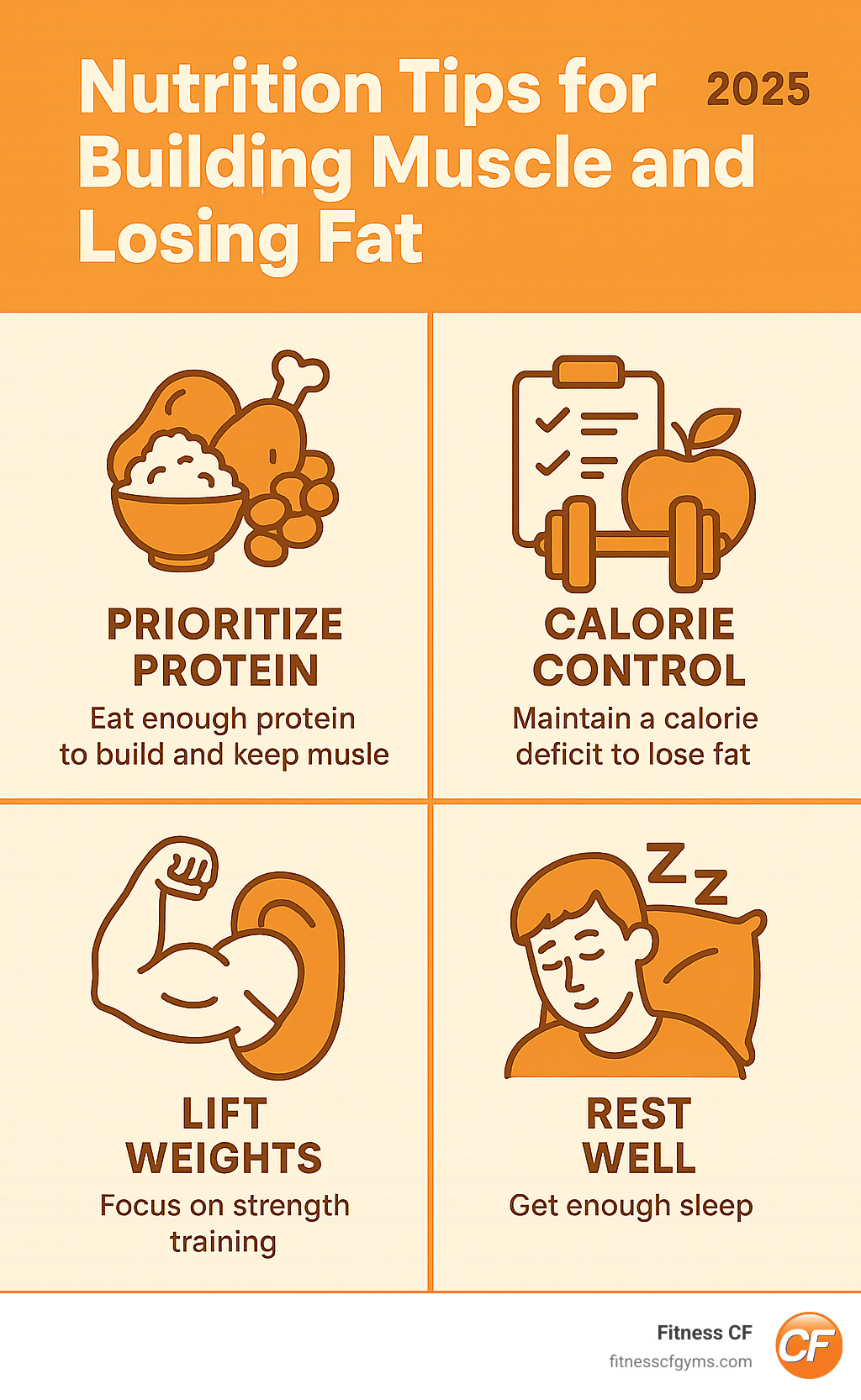
Credit: fitnesscfgyms.com
Choosing The Right Foods
Choosing the right foods before and after workouts is essential for building muscle effectively. What you eat fuels your body and helps muscles recover and grow. Proper nutrition supports strength, energy, and endurance during exercise. It also replenishes nutrients lost during training.
Understanding which foods to eat at specific times maximizes muscle gains. Focus on nutrient-rich options that provide energy and aid repair. Quality food choices improve workout performance and speed up recovery.
Best Pre-workout Foods
Pre-workout meals should provide energy and prevent fatigue. Choose foods rich in carbohydrates and moderate protein. Carbs fuel muscles and protein supports muscle tissue.
- Bananas
- Oats
- Greek yogurt
- Whole grain bread with peanut butter
- Fruit smoothies with protein powder
Avoid heavy or fatty foods before exercise. They can cause discomfort and slow digestion. Eat 30 to 60 minutes before your workout for best results.
Optimal Post-workout Nutrition
After exercise, muscles need nutrients to repair and grow. Focus on protein and carbohydrates to restore energy and build muscle. Protein helps rebuild muscle fibers, carbs refill glycogen stores.
- Grilled chicken with rice
- Protein shakes with fruit
- Cottage cheese with berries
- Eggs and whole grain toast
- Salmon with sweet potatoes
Consume post-workout meals within 30 to 60 minutes. This window improves muscle recovery and growth.
Balancing Macronutrients For Muscle Growth
Muscle growth depends on balanced intake of protein, carbs, and fats. Protein supports muscle repair and growth. Carbs provide energy for workouts and recovery. Healthy fats support hormone production and overall health.
| Macronutrient | Role | Sources |
|---|---|---|
| Protein | Muscle repair and growth | Chicken, fish, eggs, beans, tofu |
| Carbohydrates | Energy for workouts and recovery | Rice, oats, fruits, vegetables |
| Fats | Hormone support and overall health | Avocados, nuts, olive oil |
Balance your meals with these macronutrients to support muscle building. Adjust portions based on your workout intensity and goals.
Impact On Muscle Recovery
Muscle recovery is a key part of building strength and size. Eating at the right time affects how well muscles heal after exercise. Proper nutrition supports repair and growth, reducing soreness. Understanding what to eat before or after workouts helps speed up recovery.
Role Of Protein Intake
Protein provides amino acids needed to repair muscle fibers. Consuming protein after workouts boosts muscle recovery and growth. It helps rebuild tissues broken during exercise. Choose lean proteins like chicken, fish, or plant-based sources. Timing protein intake within 30 to 60 minutes after training can be beneficial.
Carbohydrates And Energy Replenishment
Carbohydrates refill glycogen stores used during exercise. Restoring glycogen improves energy for the next workout. Eating carbs after training reduces muscle fatigue and supports recovery. Sources include fruits, rice, potatoes, and whole grains. Combining carbs with protein enhances muscle repair.
Hydration And Muscle Repair
Water is essential for nutrient transport and waste removal. Staying hydrated helps muscles recover faster. Dehydration can cause cramps and slow healing. Drink fluids before, during, and after exercise. Electrolyte drinks may help after intense or long sessions.
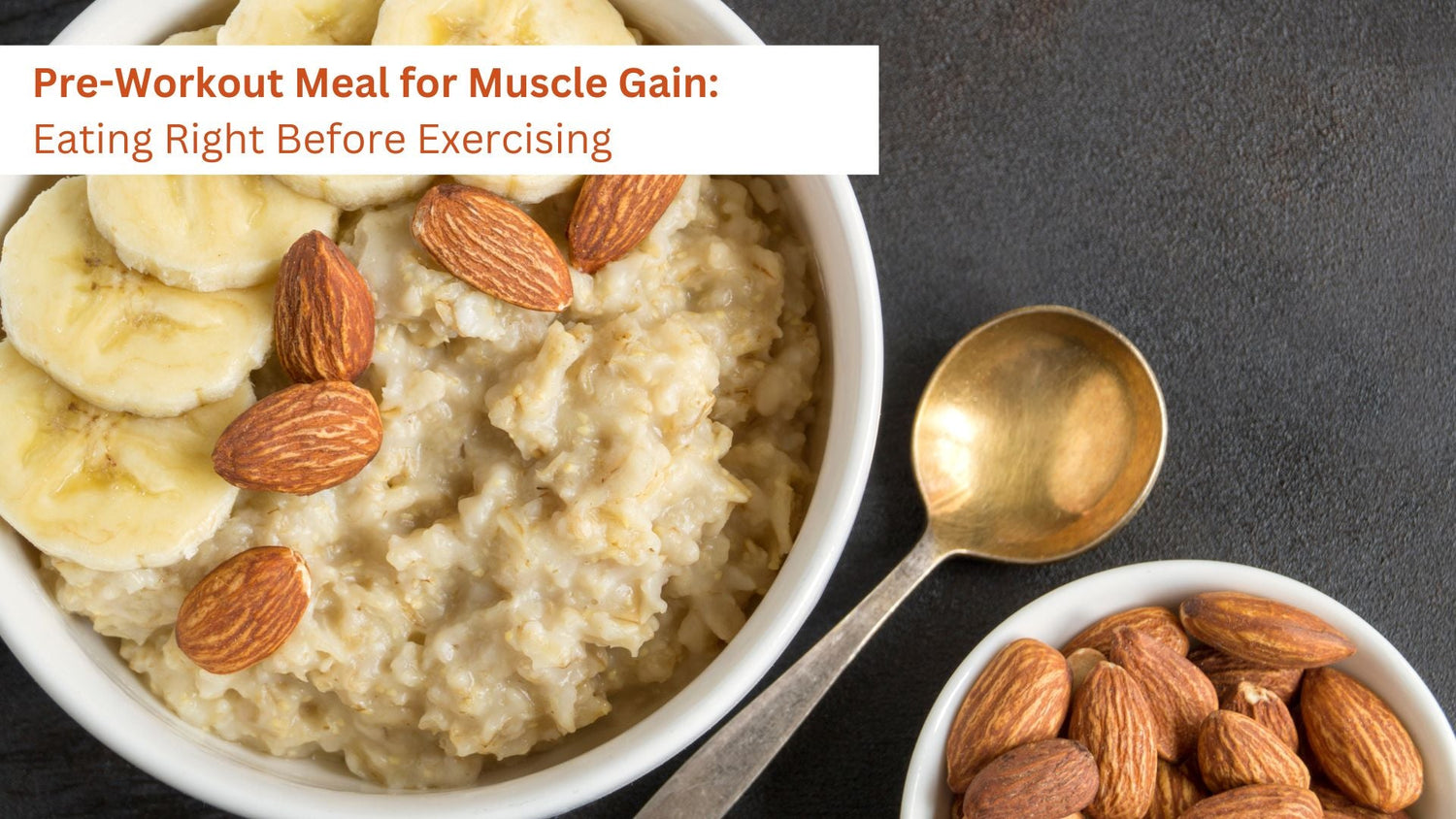
Credit: krishival.com
Personalizing Your Nutrition
Personalizing your nutrition is key to building muscle efficiently. Not everyone’s body reacts the same way to eating before or after a workout. Understanding your unique needs can make a big difference in how well your muscles recover and grow.
Considering Workout Type And Intensity
Different workouts demand different fuel. If you’re doing heavy lifting, your muscles need more protein and carbs either before or after the session to repair and grow. On the other hand, lighter or cardio-focused workouts might require less immediate nutrition.
Think about your last tough workout—did you feel drained or energized? That feeling can guide you on whether to eat before or after next time. High-intensity training often benefits from a quick snack before and a solid meal afterward.
Adjusting For Fitness Goals
Your goal changes the timing and content of your meals. If muscle gain is your target, prioritize protein intake soon after your workout to kickstart muscle repair. For fat loss, controlling calories around workout times matters more than just the protein timing.
Imagine you want to build size but eat heavy meals before training—you might feel sluggish. Try lighter, protein-rich snacks before exercise and a bigger meal after. This tweak can improve both energy and muscle growth.
Listening To Your Body’s Signals
Your body often knows best. Pay attention to hunger, energy levels, and digestion around your workout times. If you feel nauseous eating before exercise, try shifting your meal to after your session.
Have you noticed times when you felt stronger or recovered faster? Those moments hold clues. Tracking these signals helps you adjust your eating habits for muscle building that fits your lifestyle perfectly.
Common Myths And Facts
When trying to build muscle, you’ll often hear conflicting advice about when to eat around your workouts. Some say you must eat right before training, while others insist on a strict post-workout meal window. Sorting fact from fiction can help you make smarter choices for your gains and overall health.
Debunking Pre-workout Fasting
Many believe fasting before workouts boosts fat burning and muscle growth. However, skipping pre-workout nutrition can leave you low on energy and reduce workout intensity.
Personal experience shows that training without eating often leads to feeling weak and less focused. Eating a small, balanced snack with carbs and protein about 30-60 minutes before exercise helps maintain strength and stamina.
So, does fasting really help muscle gain? The answer is usually no, especially if your goal is to lift heavier and recover faster.
Myth About Immediate Post-workout Eating
You’ve probably heard you must eat protein within 30 minutes after training for muscle growth. This “anabolic window” idea suggests any delay means lost gains.
In reality, your body remains sensitive to nutrients for several hours post-workout. Eating a balanced meal within 1-2 hours can be just as effective as rushing a shake right after.
Think about your schedule—does stressing over a strict timeline make your routine harder? A more flexible approach often leads to better consistency and less stress.
Scientific Insights On Muscle Gain Timing
Research shows total daily protein and calorie intake matter more than exact meal timing. Consuming enough protein throughout the day supports muscle repair and growth effectively.
Studies also highlight the benefits of spreading protein intake evenly across meals to maximize muscle protein synthesis. This means you don’t have to cram all your nutrition around workouts.
Are you focusing on nutrient quality and quantity overall, or just timing? Prioritizing what and how much you eat daily will have a bigger impact on your muscle gains than strict timing rules.
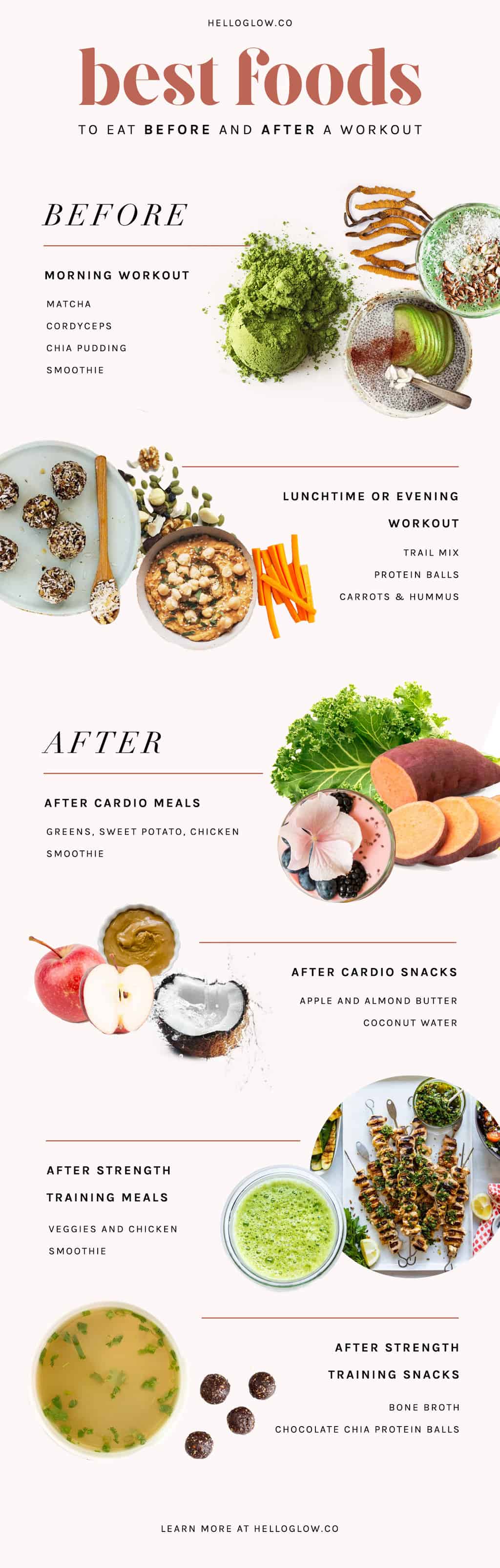
Credit: helloglow.co
Frequently Asked Questions
Is It Better To Eat Before A Workout?
Eating before a workout can provide energy and enhance performance. Consuming a balanced meal with carbohydrates and protein helps fuel your muscles. It is generally recommended to eat 1-3 hours before exercising. This timing allows your body to digest the food, ensuring you have energy during your workout.
What Should I Eat After Exercising?
After exercising, consume a combination of protein and carbohydrates. This helps repair and build muscle. Protein aids muscle recovery, while carbohydrates replenish glycogen stores. Examples include a protein shake with a banana or grilled chicken with sweet potatoes. Eating within 30 minutes to 2 hours post-workout is optimal.
How Does Fasting Affect Muscle Growth?
Fasting can impact muscle growth by limiting nutrient availability. Without essential nutrients, muscle repair and growth slow down. However, strategic fasting might enhance fat loss while preserving muscle. To maintain muscle, ensure adequate protein intake and consider a balanced diet even when fasting.
Can I Build Muscle Without Eating After Workouts?
Building muscle without post-workout nutrition can be challenging. Post-workout meals aid in muscle recovery and growth. They replenish glycogen and provide essential amino acids. Skipping meals might hinder these processes. To optimize muscle gain, prioritize consuming protein and carbs after exercise.
Conclusion
Choosing to eat before or after your workout depends on your body and goals. Eating before gives energy to train harder. Eating after helps muscles recover and grow. Both times matter for building muscle. Listen to your body’s needs. Try both and see what feels best.
Consistency in eating and training helps progress. Keep it simple and stay patient. Building muscle takes time and care. Your effort will pay off in the end.







