
Are you wondering if carbs can actually help you build muscle? It’s a question many fitness lovers ask but few truly understand.
You might think protein is the only key to muscle growth, but carbs play a powerful role too. Knowing how carbs affect your body can change the way you train and eat for better results. Keep reading, because unlocking this secret could be the game-changer your muscle gains have been waiting for.
Role Of Carbs In Muscle Growth
Understanding the role of carbs in muscle growth can change how you approach your workouts and nutrition. Carbohydrates do more than just fill you up; they fuel your body and affect how well your muscles recover and grow. Let’s break down how carbs really support muscle building and why they shouldn’t be overlooked.
Energy Source For Workouts
Your muscles rely heavily on carbohydrates for energy during exercise. Carbs are broken down into glucose, which your body uses for quick energy. Without enough carbs, you might feel drained faster and struggle to lift heavier weights or push through intense training sessions.
Think about the times you skipped carbs before a workout. Did you notice a drop in your performance? That’s because your body lacked its preferred fuel. Keeping your glycogen stores full helps you train harder and longer, which directly impacts muscle growth.
Carbs And Protein Interaction
Carbs don’t just provide energy; they work hand-in-hand with protein to build muscle. Eating carbs with protein after a workout helps spike insulin levels, which encourages your muscles to absorb amino acids from protein more effectively.
Insulin acts like a key, opening the door for nutrients to enter muscle cells and start repair. Without enough carbs, this process slows down, and your muscles may not recover or grow as efficiently. Have you ever noticed faster recovery when you include both carbs and protein in your post-workout meal?
Influence On Hormone Levels
Carbohydrates impact hormones critical to muscle growth, like insulin and cortisol. Insulin promotes muscle repair and growth, while cortisol, a stress hormone, can break down muscle when elevated.
Eating enough carbs helps keep cortisol levels in check after intense exercise. This balance protects your muscle tissue and supports a better environment for growth. Are you paying attention to how your carb intake affects your energy and mood during recovery?
Types Of Carbs For Muscle Gain
Carbohydrates play a key role in muscle gain. They provide energy for workouts and help recovery. Different types of carbs affect the body in various ways. Choosing the right carbs can support muscle growth effectively. Understanding carb types helps optimize your diet and training results.
Simple Vs Complex Carbohydrates
Simple carbs break down quickly, giving fast energy. They are found in fruits, sugar, and milk. Complex carbs digest slower and provide steady energy. Sources include whole grains, vegetables, and legumes. For muscle gain, complex carbs are often better. They keep energy levels stable during workouts.
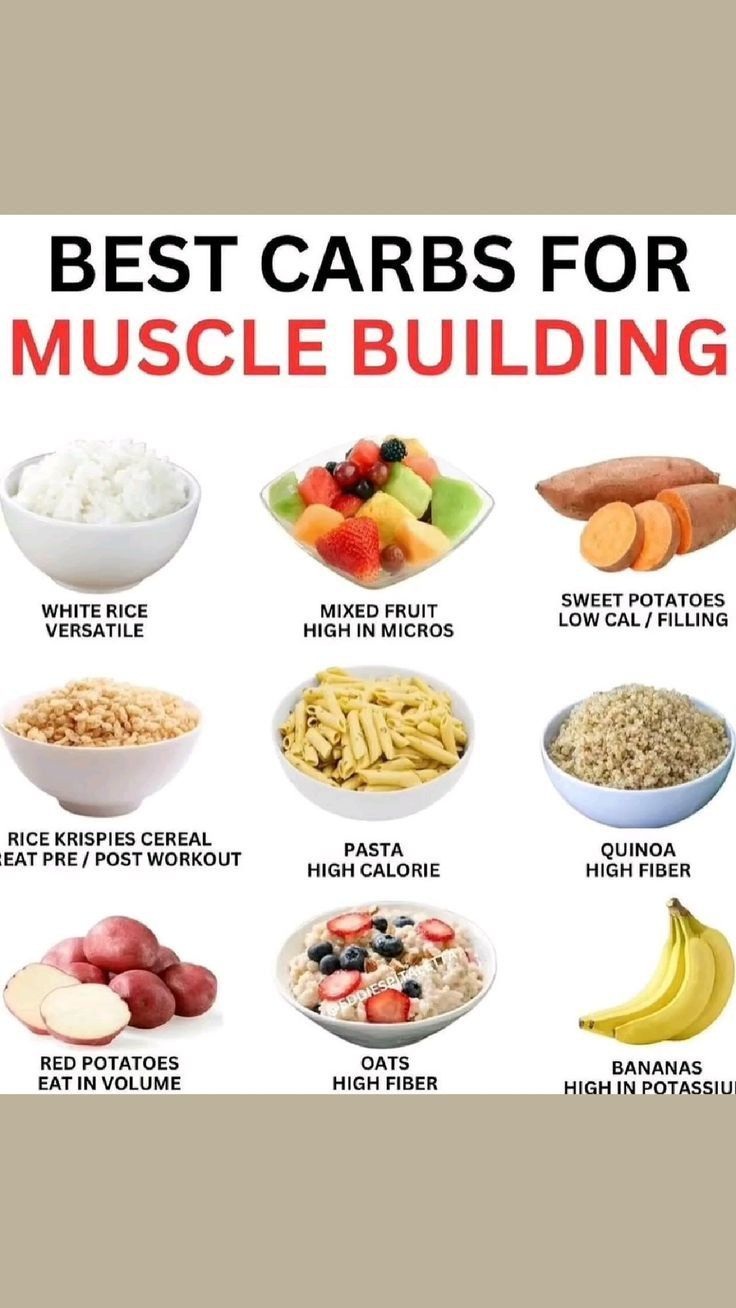
Best Carb Sources For Muscle
- Brown rice: rich in fiber and steady energy
- Oats: great for slow-release carbohydrates
- Sweet potatoes: packed with vitamins and minerals
- Quinoa: contains protein and carbs
- Whole grain bread: supports sustained energy
- Fruits like bananas and berries: good simple carbs
These foods help fuel workouts and replenish glycogen stores.
Timing Carb Intake
Eating carbs before workouts boosts energy. Try a small meal 30-60 minutes ahead. After training, carbs help muscle recovery. Pair them with protein for best results. Spreading carb intake throughout the day maintains energy. Avoid heavy meals right before exercise to prevent discomfort.
Carb Intake And Workout Performance
Carb intake plays a crucial role in how well you perform during workouts. Without enough carbohydrates, your energy levels can drop quickly, making it harder to push through intense training sessions. Understanding how carbs affect your workout can help you get the most out of every rep and set.
Fueling Intense Training
Your muscles rely heavily on glycogen, which comes from carbs, for energy during high-intensity workouts. Without adequate carb intake, you may feel fatigued faster and struggle to maintain your workout intensity.
Think about times when you skipped carbs before the gym and felt drained halfway through. That’s your body signaling it’s running low on fuel. Eating carbs before training can help you lift heavier and train longer.
Improving Recovery Speed
After a tough workout, your body needs to replenish glycogen stores to recover effectively. Carbs play a key role in this process by helping to restore energy quickly.
Including carbs in your post-workout meal can reduce muscle soreness and prepare your body for the next session. Have you noticed faster recovery when you eat a balanced meal with carbs after training? That’s the science at work.
Preventing Muscle Breakdown
When your body lacks carbs, it may start breaking down muscle tissue for energy. This can slow down your muscle-building progress and even lead to muscle loss.
Ensuring you have enough carbs in your diet protects your muscles and supports growth. Next time you feel overly tired or weak during workouts, ask yourself if your carb intake is sufficient to keep your muscles fueled.
Credit: medium.com
Balancing Carbs With Other Nutrients
Balancing carbohydrates with other nutrients is essential for effective muscle building. Carbs provide energy, but proteins and fats play crucial roles too. A proper balance helps muscles recover and grow stronger. Understanding how these nutrients work together improves workout results.
Carbs And Protein Ratio
Protein builds and repairs muscle tissue. Carbs supply energy to fuel workouts and recovery. A good ratio of carbs to protein supports muscle growth and prevents fatigue.
Many experts suggest eating about twice as many carbs as protein. For example, 40 grams of carbs with 20 grams of protein. This ratio helps muscles get enough fuel and repair material.
Role Of Fats In Muscle Growth
Fats support hormone production, including those that help muscle growth. Healthy fats also provide long-lasting energy during workouts. Including sources like nuts, seeds, and fish improves overall nutrition.
Too little fat can slow recovery and reduce strength gains. Aim to get about 20-30% of daily calories from fats for balanced muscle development.
Hydration And Carb Absorption
Water is vital for digesting and absorbing carbohydrates. Proper hydration ensures carbs turn into usable energy quickly. Dehydration can cause cramps and reduce workout performance.
Drink water before, during, and after exercise. This helps muscles use carbs efficiently and recover faster.
Common Myths About Carbs And Muscle
Carbohydrates often get a bad reputation in the fitness world, especially when it comes to building muscle. Many people assume carbs are the enemy, leading to fat gain or being unnecessary for muscle growth. Let’s break down these common myths so you can make smarter choices about your diet and muscle-building goals.
Carbs Cause Fat Gain
Many believe that eating carbs automatically means gaining fat. But carbs alone don’t cause fat gain; it’s about the total calories you consume versus what you burn.
Think of carbs as fuel for your workouts. Without enough energy, your body struggles to build muscle efficiently. I’ve noticed that when I cut carbs too low, my energy tanks and muscle gains stall.
So, instead of blaming carbs, focus on balanced portions and quality sources like whole grains and fruits.
Carbs Aren’t Needed For Muscle
Some say you can build muscle without any carbs, relying only on protein and fats. But carbs play a vital role in muscle growth by replenishing glycogen stores and supporting recovery.
Without carbs, your body may use protein for energy instead of muscle repair. This reduces the effectiveness of your protein intake.
Ask yourself: Are you giving your muscles the energy they need to grow, or are you limiting their potential by cutting carbs?
Low-carb Diets And Muscle Loss
Low-carb diets can lead to muscle loss if not managed carefully. When carbs are too low, your body may break down muscle tissue for energy.
This doesn’t mean low-carb diets can’t work, but they require careful planning and adequate protein. I found that increasing carbs on training days helped me maintain muscle while still controlling body fat.
Consider tracking how your body responds to different carb levels rather than following strict rules blindly.

Credit: www.latimes.com
Practical Tips For Carb Planning
Carbohydrates play a key role in muscle building, but knowing how to plan your carb intake makes all the difference. Practical carb planning helps you fuel workouts, speed recovery, and support muscle growth without overdoing it. Let’s dive into some actionable tips that fit into your daily routine and fitness goals.
Daily Carb Targets
Your daily carb needs depend on your activity level, body weight, and muscle-building goals. A good starting point is around 3 to 5 grams of carbs per kilogram of body weight if you train regularly. If you weigh 70 kg, that means roughly 210 to 350 grams of carbs daily.
Track how your body responds. If you feel sluggish or your workouts suffer, increase carbs slightly. If you notice excess fat gain, dial them back. Do you know your current carb intake and how it affects your energy?
Meal Ideas For Muscle Growth
Focus on meals that combine carbs with quality protein and healthy fats to maximize muscle repair and growth. Think of dishes like grilled chicken with quinoa and steamed veggies, or a bowl of oatmeal topped with berries and a scoop of protein powder.
Snack options like Greek yogurt with fruit or rice cakes with peanut butter can keep your energy steady throughout the day. Simple meals made from whole foods often work best because they provide nutrients your muscles actually need.
Adjusting Carbs For Different Goals
Muscle gain, fat loss, and maintenance require different carb strategies. For muscle gain, prioritize carb intake around workouts to boost performance and recovery. Before training, eat easily digestible carbs like a banana or white rice to fuel your session.
When cutting fat, reduce carbs slightly but keep enough around workouts to preserve muscle. On rest days, lower carb intake since your energy needs drop. Ask yourself: Are you adjusting carbs based on your activity or eating the same every day?
Credit: x.com
Frequently Asked Questions
Do Carbs Help In Muscle Growth?
Yes, carbs are essential for muscle growth. They provide energy for workouts and recovery. Carbs replenish glycogen stores, which fuel muscle repair and growth. Consuming carbs with protein post-workout enhances muscle recovery. A balanced diet with carbs supports overall muscle development.
How Do Carbs Affect Muscle Building?
Carbs provide the energy needed for intense workouts. They also aid in muscle recovery by replenishing glycogen stores. Adequate carb intake prevents muscle breakdown. Carbs work synergistically with proteins to support muscle growth. Including carbs in your diet enhances training performance and muscle gains.
Are Carbs Necessary For Muscle Repair?
Yes, carbs are crucial for muscle repair. They replenish glycogen stores, essential for recovery. Consuming carbs post-exercise helps reduce muscle protein breakdown. They work with proteins to accelerate the repair process. A combination of carbs and protein is optimal for muscle recovery.
What Are The Best Carbs For Building Muscle?
Whole grains, fruits, and vegetables are excellent carb sources. They provide sustained energy for workouts. Complex carbs like oats and brown rice are ideal. These carbs also supply essential nutrients for muscle health. Choosing the right carbs supports efficient muscle growth and recovery.
Conclusion
Carbohydrates play a key role in building muscle. They give your body energy to work out hard. Without enough carbs, your muscles may feel tired. Eating the right amount helps you recover faster. Balance carbs with proteins for the best muscle growth.
Remember, not all carbs are the same. Choose whole grains, fruits, and vegetables over sugars. Simple carbs can cause energy crashes. Your muscle gains depend on good nutrition and training. So, include healthy carbs to support your muscle goals. Small changes make a big difference over time.
Keep it steady and enjoy the progress.







