
Have you ever wondered if your time spent on the punch bag could actually help you build muscle? You’re not alone.
Many people who enjoy boxing or kickboxing as a workout often question whether pounding away at a punch bag offers more than just a great cardio session. The truth might surprise you. Understanding the full benefits of punch bag workouts could transform your fitness routine and get you closer to your muscle-building goals.
Ready to discover how your punching power can translate into stronger muscles? Keep reading to uncover the secrets of turning your punch bag practice into a muscle-building powerhouse.

Credit: www.themanual.com
Benefits Of Punch Bag Training
Punch bag training offers more than just a way to relieve stress or practice boxing skills. It delivers a wide range of physical benefits that can help you build a stronger, fitter body. Whether you want to tone muscles or improve your overall fitness, understanding these benefits can help you get the most out of your workouts.
Enhances Muscle Endurance
Regular punch bag sessions force your muscles to keep working through repeated punches and movements. This continuous activity strengthens your muscle endurance, allowing you to perform physical tasks longer without getting tired. You’ll notice your arms, shoulders, and core muscles becoming more resilient as they adapt to the sustained effort.
Have you ever felt your arms getting tired quickly during a workout? Punch bag training can change that by gradually boosting your stamina.
Boosts Cardiovascular Fitness
Punch bag workouts are intense and keep your heart rate elevated throughout the session. This sustained cardiovascular activity improves your heart and lung health, helping you build better endurance. Unlike steady-state cardio, punching combines bursts of power with rhythmic movement, making your heart work efficiently.
Think about how often you catch your breath during a session. That’s your heart getting stronger and more efficient with each round.
Improves Coordination And Balance
Throwing punches while moving around the bag requires precise timing and body control. This practice sharpens your hand-eye coordination and helps you maintain balance even during quick movements. Improved coordination can make everyday activities easier and reduce the risk of falls or injuries.
Have you noticed how your movements become smoother and more controlled over time? That’s your brain and body learning to work together better through punch bag training.

Credit: generationiron.com
Muscle Groups Targeted
Understanding the muscle groups targeted by punching bag workouts helps you see why this training can be more than just cardio. It’s a full-body exercise that engages multiple muscles simultaneously. Let’s break down which areas get the most attention when you hit the bag.
Upper Body Muscles
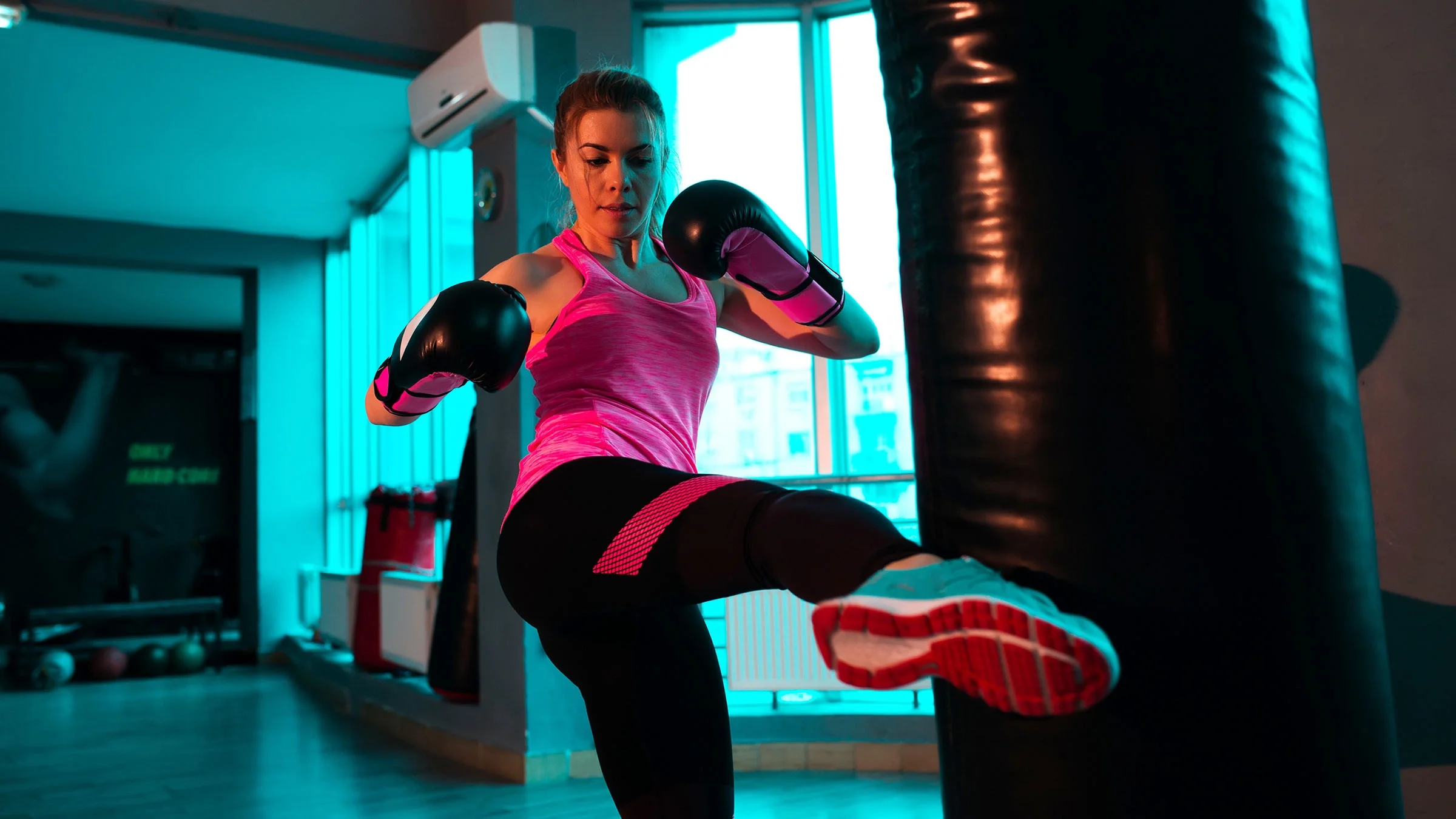
Punching the bag works your arms, shoulders, and chest intensely. Your biceps and triceps control the punching motion, while the deltoids in your shoulders help generate power and speed. The chest muscles also get involved to stabilize your punches and add force.
Think about how you throw a jab or hook. That snap and power come from these upper body muscles firing together. If you want firmer, more defined arms and shoulders, regular bag work can deliver that.
Core Engagement
Your core does a lot of heavy lifting during bag workouts, even if you don’t realize it. Every punch requires rotation through your torso, activating the obliques and abs. These muscles help transfer energy from your lower body to your upper body smoothly and powerfully.
Engaging your core keeps you balanced and stable, preventing injury and improving your punching accuracy. Have you noticed how tiring a punch bag session can be for your midsection? That’s your core working hard.
Lower Body Activation
While it may seem like an upper body workout, your legs and hips play a crucial role. They provide the foundation and drive for your punches. Your quads, hamstrings, calves, and glutes all activate to keep you moving, shifting weight, and maintaining balance.
Powerful punches start from the ground up. If your lower body is weak, your punches won’t have much impact. So next time you hit the bag, pay attention to how your legs feel engaged with every movement.
Punch Bag Techniques For Muscle Growth
Using the punch bag to build muscle is not just about throwing random punches. The right techniques can target different muscle groups, boost strength, and improve endurance. By focusing on specific movements and drills, you can turn your punch bag workout into a powerful muscle-building session.
Power Punches
Power punches activate your shoulders, arms, chest, and core like no other exercise. When you throw a strong, controlled punch, your muscles contract forcefully, encouraging growth and strength.
Try focusing on slow, deliberate punches with maximum force rather than fast, weak hits. This will increase muscle tension and stimulate growth. Have you noticed how your arm and shoulder muscles burn after a few rounds of heavy punches? That’s muscle building in action.
Combination Drills
Throwing punches in combinations challenges your muscles differently than single hits. It engages your arms, shoulders, chest, and even your back as you shift weight and coordinate movements.
- Start with simple combos like jab-cross-hook
- Add uppercuts or body shots to increase variety
- Keep your core tight to maintain balance and power
Repeating these combos improves muscle endurance and definition. Don’t just throw punches—make your muscles work together.
Footwork And Movement
Muscle growth isn’t limited to your upper body. Moving around the bag improves leg strength, balance, and overall coordination.
Practice stepping forward, backward, and side to side while throwing punches. This dynamic movement recruits your calves, quads, glutes, and core muscles.
Have you tried circling the bag while maintaining a steady punch rhythm? It’s a fantastic way to build lean muscle throughout your entire body, not just your arms.
Training Frequency And Intensity
Training frequency and intensity play a key role in building muscle with a punch bag. Regular sessions help the body adapt and grow stronger. Intensity controls how much stress the muscles experience. Both must balance for best results. Too little effort slows progress. Too much leads to injury or burnout. Finding the right routine improves muscle tone and endurance.
Optimal Workout Duration
Effective punch bag workouts usually last between 20 and 40 minutes. This range keeps muscles engaged without causing extreme fatigue. Short bursts of high-intensity punching with rest breaks work well. Sessions under 20 minutes may not stimulate enough muscle growth. Sessions over 40 minutes can increase injury risk. Quality beats quantity in every workout.
Rest And Recovery
Muscles need time to repair after punching sessions. Rest days are essential to avoid overtraining. Aim for at least one or two rest days per week. Sleep also supports muscle recovery and growth. Ignoring rest can lead to soreness and decreased strength. Recovery helps maintain consistent training and progress.
Progressive Overload Strategies
Muscle growth requires gradually increasing workout difficulty. Increase punch bag weight or punching speed over weeks. Add more rounds or extend session time slowly. Change punching combinations to challenge different muscles. Track progress to adjust intensity wisely. Progressive overload forces muscles to adapt and grow.
Supplementing Punch Bag Workouts
Punch bag workouts are fantastic for cardio and endurance, but building muscle requires more than just hitting the bag. To truly see muscle growth, you need to add other elements to your routine. Supplementing your punch bag sessions with strength training, proper nutrition, and mobility work can make a significant difference in your results.
Strength Training Exercises
Punch bag workouts mostly improve your muscular endurance and speed, but to build muscle, you need to challenge your muscles with resistance. Adding exercises like push-ups, pull-ups, squats, and weightlifting can help target major muscle groups. These movements create micro-tears in muscle fibers, which repair and grow stronger over time.
Think about how your arms feel after a tough punch bag session—they get tired but not necessarily bigger. Strength training changes that by increasing muscle size and strength. Have you tried combining your punch sessions with bodyweight exercises or dumbbell routines? It can boost your overall muscle gains significantly.
Nutrition Tips For Muscle Gain
Muscle building isn’t just about working out—nutrition plays a huge role. Your body needs enough protein to repair muscle tissue and enough calories to fuel growth. Aim for lean proteins like chicken, fish, or plant-based options, and don’t forget healthy fats and carbs for energy.
Hydration also matters. Drinking enough water helps muscle recovery and performance. Ever noticed how your energy dips when you’re dehydrated? Proper nutrition can keep you energized for both punch bag workouts and strength training, so your muscles have what they need to grow.
Flexibility And Mobility Work
Flexibility and mobility often get overlooked but are key to muscle building and injury prevention. Stretching your muscles after workouts helps reduce stiffness and improves your range of motion. This means you can perform strength exercises more effectively and with better form.
Adding yoga or dynamic stretching can also help your muscles recover faster. Have you felt tight or sore after punching hard? Mobility work can ease that discomfort and prepare your body for the next session. Don’t skip this part—it’s essential for long-term progress.
Credit: www.goodrx.com
Common Mistakes To Avoid
Using a punch bag can build muscle and improve fitness. Avoiding common mistakes helps you get better results. These errors may cause injury or slow progress. Focus on proper habits to stay safe and strong.
Poor Technique Risks
Hitting the bag with wrong form can cause joint pain. Wrists, shoulders, and elbows often get hurt. Bad technique wastes energy and reduces muscle gains. Keep your fists tight and wrists straight. Use your whole body, not just arms. Practicing correct moves protects your muscles and joints.
Overtraining Dangers
Training too much can lead to fatigue and injury. Muscles need time to rest and grow stronger. Overdoing punch bag workouts causes soreness and lowers performance. Stick to a balanced schedule with rest days. Listen to your body and avoid pushing too hard.
Ignoring Proper Warm-up
Skipping warm-ups increases the risk of strains and sprains. Warm muscles work better and reduce injury chances. Spend 5 to 10 minutes on light cardio and stretching. Prepare your body before punching the bag hard. This simple step helps improve muscle building and safety.
Measuring Strength Gains
Measuring strength gains is crucial to understand how effective punching bag workouts are. Tracking progress helps keep motivation high and shows real muscle improvements. It also helps adjust training routines for better results.
Tracking Performance Improvements
Keep a workout journal to record key details. Note the number of punches, speed, and power during each session. Compare these over weeks to see progress. Small increases in punch strength or endurance show muscle growth.
Use video recordings to observe form and power. Watching yourself helps spot improvements and weaknesses. This visual feedback complements numerical tracking.
Using Fitness Assessments
Perform simple strength tests regularly. Examples include push-ups, planks, or grip strength tests. These show overall muscle strength changes from punching bag exercises.
Body measurements like arm circumference can indicate muscle size changes. Take measurements every few weeks for accuracy. Combine these with strength tests for a full picture.
Adjusting Goals Over Time
Set clear, achievable goals before starting workouts. Goals could be increasing punch speed or endurance. Review these goals monthly based on tracked progress.
Change goals to keep challenging muscles and avoid plateaus. For example, increase workout duration or add new punch combinations. This keeps muscle growth steady and consistent.
Frequently Asked Questions
Does Punching A Bag Help Build Muscle?
Yes, punching a bag builds muscle by engaging multiple muscle groups. It tones arms, shoulders, chest, and core through repetitive impact and resistance.
How Often Should I Use A Punch Bag To Gain Muscle?
For muscle gain, use a punch bag 3-4 times weekly. Consistency and progressive intensity help stimulate muscle growth effectively.
Can Punch Bag Workouts Improve Muscle Endurance?
Absolutely. Punch bag workouts enhance muscle endurance by promoting sustained, repetitive movements. This strengthens muscles and improves stamina over time.
What Muscles Are Targeted With Punch Bag Training?
Punch bag training targets shoulders, arms, chest, back, and core muscles. It also engages lower body muscles for stability and power.
Conclusion
Punch bag workouts help build muscle by using your own body weight. They improve strength, endurance, and coordination at the same time. Regular punching tones your arms, shoulders, chest, and core muscles well. Combining bag work with other exercises can boost muscle growth faster.
Keep a steady routine and increase intensity over time. This way, you get stronger and fitter with each session. Punch bags offer a fun and active way to build muscle. Try it consistently to see real results in your body.







