
Are you curious about whether exercise bands can truly help you build muscle? You’re not alone.
Many fitness enthusiasts are turning to these versatile tools, and it’s no surprise why. Imagine achieving your muscle-building goals without the heavy weights or expensive gym memberships. Exercise bands offer a unique way to get stronger, and they might just be the missing piece in your workout routine.
But do they really work? And how can you maximize their potential to see real results? Stick with us as we uncover the truth about exercise bands and muscle growth, and discover how they can become your secret weapon in building the body you desire.
Credit: www.fitandwell.com
How Exercise Bands Work
Exercise bands offer a simple yet effective way to build muscle. They use resistance to challenge your muscles. This resistance forces muscles to work harder. As muscles work against the bands, they grow stronger. Bands also allow controlled movement, which reduces injury risk. Their versatility makes them suitable for all fitness levels.
Types Of Exercise Bands
- Loop Bands:Circular bands that wrap around legs or arms. Great for lower body workouts.
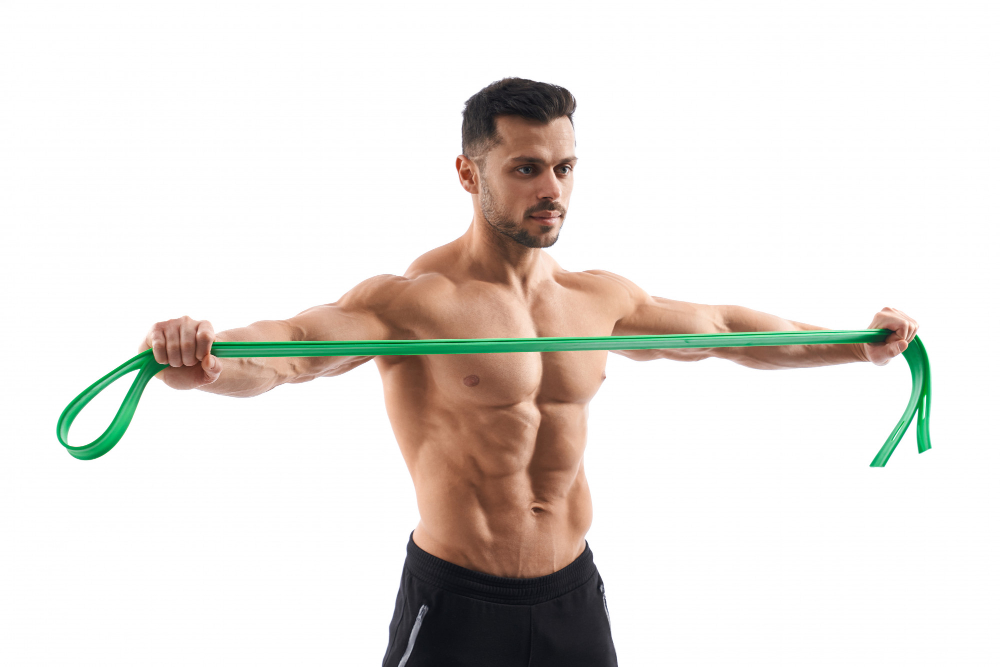
- Tube Bands:Tubular bands with handles. Ideal for upper body exercises.
- Therapy Bands:Flat bands without handles. Commonly used in physical therapy.
- Figure 8 Bands:Shaped like an “8” with handles on each end. Useful for targeted muscle training.
Resistance Mechanism
Exercise bands create resistance by stretching. The more you stretch, the harder the muscles work. This resistance is variable, changing with the stretch length. Unlike weights, bands provide constant tension during movement. This tension helps improve muscle strength and endurance.
The resistance level depends on band thickness and material. Thicker bands offer higher resistance. Different colors often indicate different resistance levels. Bands allow smooth, controlled muscle engagement.
Muscle Activation With Bands
Muscle activation with exercise bands is a key factor in building strength. Bands create resistance that muscles must work against. This tension helps stimulate muscle fibers effectively. The resistance changes as you stretch the band, keeping muscles engaged throughout the movement.
Engaging Muscle Fibers
Exercise bands activate many muscle fibers during workouts. The elastic resistance forces muscles to contract harder. This tension targets both small and large muscle fibers. Bands also improve muscle endurance by maintaining constant tension. They help engage stabilizer muscles that support main movements. This leads to balanced muscle development and better control.
Comparing Bands And Free Weights
Bands and free weights both build muscle but differ in resistance style. Free weights provide constant resistance due to gravity. Bands offer variable resistance that increases with stretch. This makes bands excellent for slow, controlled exercises. Free weights challenge muscles more at specific points of movement.
Both tools activate muscles effectively but in different ways. Bands help improve range of motion and joint stability. Free weights build raw strength and power. Using bands alongside weights can create well-rounded muscle activation.
Strength Gains From Bands
Strength gains from exercise bands are real and achievable. These bands provide resistance that challenges your muscles similarly to weights but with added versatility. Many people overlook bands, yet they can effectively build muscle when used correctly.
Resistance bands allow you to control the tension throughout the movement, keeping your muscles engaged at all times. This constant tension helps stimulate muscle fibers and promotes growth. Have you ever felt that burn from a band workout? That’s your muscles working hard to get stronger.
Progressive Overload Techniques
Progressive overload is key to muscle growth, and you can apply it with bands by increasing resistance or reps. You might start with a light band and move to a thicker one as your strength improves. Adding more repetitions or slowing down the movement also boosts muscle engagement.
Try combining different bands or doubling them up to create more resistance. Tracking your progress weekly helps you know when to step up the challenge. Do you pay attention to how your muscles respond to different tension levels?
Band Exercises For Major Muscle Groups
Exercise bands target all the major muscle groups effectively. You can work your chest with band chest presses or your back with band rows. Squats with bands add resistance to your legs and glutes.
- Chest:Band chest press and fly
- Back:Seated rows and pull-aparts
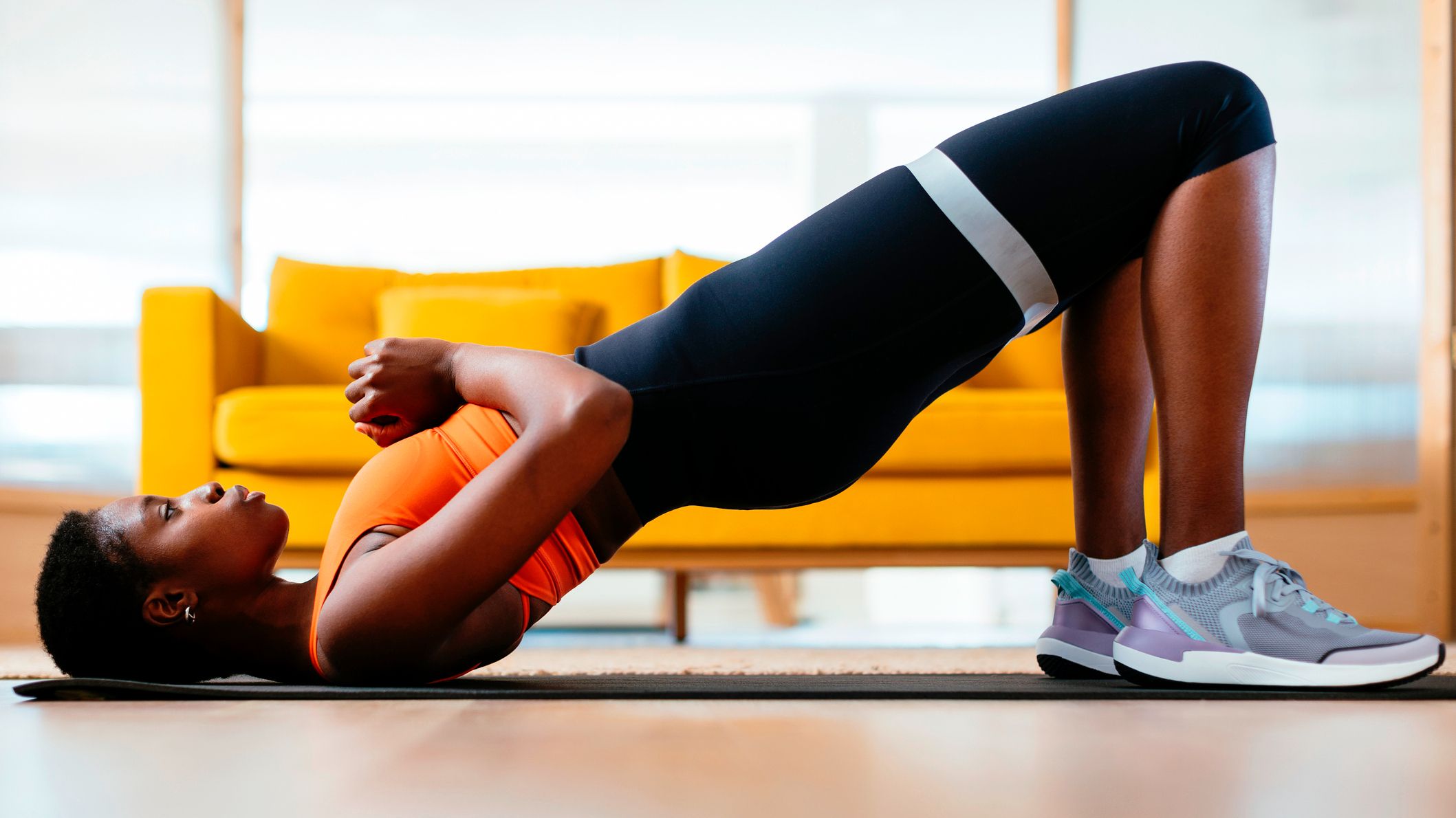
- Legs:Squats, leg lifts, and glute bridges
- Arms:Bicep curls and tricep extensions
- Shoulders:Lateral raises and shoulder presses
Focus on slow, controlled movements to maximize muscle tension. How can you tweak your band workouts to hit weak spots more effectively?
Credit: www.hitonefitness.com
Benefits Beyond Muscle Building
Exercise bands do more than just help you build muscle. They offer a variety of benefits that can enhance your overall fitness and well-being. Understanding these advantages can change how you view your workout routine and motivate you to use bands regularly.
Improved Flexibility And Mobility
Using exercise bands stretches your muscles gently while you work out. This helps increase your range of motion without putting too much stress on your joints. Over time, you might notice that everyday movements, like reaching or bending, become easier and less stiff.
Adding bands to your warm-up or cool-down can enhance your flexibility. It’s a simple way to keep your body agile, especially if you spend long hours sitting or standing. Have you ever felt tight after a workout? Bands can help relieve that tension quickly.
Injury Prevention And Rehabilitation
Exercise bands provide controlled resistance, which is perfect for strengthening muscles around vulnerable joints. This support lowers the risk of strains and sprains during more intense activities. Many physical therapists recommend bands for safe recovery after injuries.
If you’ve dealt with an injury, bands allow you to work on muscle strength without overloading the affected area. You can adjust the resistance easily to match your progress. Isn’t it great to have a tool that helps you rebuild strength at your own pace?
Tips For Effective Band Training
Training with exercise bands can be highly effective if you use the right techniques. Small changes in how you select and combine your bands can make a big difference in building muscle. The tips below will help you get the most out of your band workouts and keep your progress on track.
Choosing The Right Resistance Level
Picking the correct band resistance is crucial for muscle growth. If the band is too light, you won’t challenge your muscles enough to stimulate growth. On the other hand, a band that’s too heavy can compromise your form and increase injury risk.
Think about the muscle group you want to target and your current strength level. For example, smaller muscles like biceps might need lighter resistance, while larger groups like glutes can handle heavier bands.
Try different bands during your workout to find the sweet spot where you feel the burn but can still complete the full range of motion. This balance helps you build strength progressively without overloading your muscles too soon.
Combining Bands With Other Workouts
Exercise bands work best when added to a well-rounded routine. Mixing band training with free weights or bodyweight exercises can boost your muscle gains. This variety challenges your muscles in new ways and prevents plateaus.
You might start your session with band exercises to activate muscles and finish with heavier lifts for strength. Alternately, use bands for isolation moves after compound lifts to focus on specific muscle groups.
Have you tried pairing bands with traditional workouts? You might find that bands help improve your form and increase muscle engagement during other exercises.
Common Myths About Exercise Bands
Exercise bands often get misunderstood. Many believe they offer only light resistance. Others think muscle growth is minimal with bands. These myths stop people from using bands effectively. Clearing these up shows how bands can be powerful tools.
Bands Are Only For Light Workouts
Exercise bands come in different strengths. Some are soft, others very tight. This variety lets users do gentle or tough exercises. Bands can target small muscles or large ones. They also add resistance in many directions. This makes workouts varied and challenging. Bands can match or exceed some free weights.
Muscle Gains Are Limited
Bands create constant tension on muscles. This tension helps muscles grow stronger and bigger. Using bands with proper form and progression builds muscle well. Bands work muscles through full range of motion. This improves strength, tone, and endurance. Many athletes use bands for serious training. Muscle gains depend on effort and workout design, not just equipment.

Credit: www.youtube.com
Frequently Asked Questions
Do Exercise Bands Effectively Build Muscle?
Exercise bands provide resistance that helps stimulate muscle growth. They engage muscles through tension and can increase strength when used consistently. Proper technique and progressive resistance are key for muscle building with bands.
How Do Exercise Bands Compare To Weights?
Exercise bands offer variable resistance throughout movements, unlike fixed weights. They are versatile and portable but may not provide the same maximal load as heavy weights. Bands complement free weights well for balanced muscle development.
Can Beginners Build Muscle Using Exercise Bands?
Yes, beginners can build muscle with exercise bands by starting with lighter resistance. Bands help improve form and muscle activation safely. Gradually increasing band tension promotes strength gains over time.
Which Muscles Do Exercise Bands Target Best?
Exercise bands target all major muscle groups, including arms, legs, chest, and back. They are especially effective for smaller stabilizing muscles often neglected by traditional weights. Versatile exercises allow full-body workouts.
Conclusion
Exercise bands help build muscle effectively and safely. They provide resistance that challenges your muscles. You can use them anywhere, anytime. Bands improve strength, tone, and flexibility. They work well for beginners and advanced users. Consistent use brings noticeable muscle growth.
Changing band tension keeps workouts fresh. Combine bands with good nutrition for best results. Small, regular workouts add up over time. So, exercise bands are a smart choice for muscle building.







