
Are you trying to gain muscle but confused about dietary fats? You’re not alone.
Many wonder if fat is a friend or foe when it comes to muscle building. The fitness world is filled with myths, and it can be tough to separate fact from fiction. But understanding the role of fat in your diet is crucial for achieving your muscle-building goals.
Imagine unlocking the potential of your workouts with the right nutrients. Sounds intriguing, right? Stick around, as we’re about to dive deep into whether fat is essential for building the physique you desire.
Role Of Fat In Muscle Growth
Fat plays a crucial role in muscle growth beyond just being a nutrient. It supports several body functions that help muscles grow and recover. Understanding fat’s role helps in planning better diets for muscle building.
Fat As An Energy Source
Fat provides a long-lasting energy source during workouts. It fuels low to moderate intensity exercises. This helps spare muscle glycogen, allowing muscles to perform longer. Without enough fat, energy levels can drop, affecting workout quality.
Hormones Influenced By Fat
Fat intake affects hormone production, including testosterone. Testosterone is important for muscle growth and repair. Healthy fats support hormone balance. Low fat diets can reduce hormone levels, slowing muscle gains.
Fat’s Impact On Recovery
Fat helps reduce inflammation after workouts. It supports cell repair and muscle healing. Omega-3 fats are especially good for recovery. Proper fat intake helps muscles recover faster and grow stronger.
Types Of Fats And Their Effects
Fats play important roles in muscle building and overall health. Different types of fats affect the body in various ways. Understanding these types helps you make smart choices for muscle growth and performance.
Saturated Fats And Muscle Health
Saturated fats come from animal products and some plants. Small amounts can support hormone production, including testosterone. Hormones help muscle repair and growth. Too much saturated fat may increase cholesterol and harm heart health. Balance is key for muscle gains and overall wellness.
Unsaturated Fats And Performance
Unsaturated fats are found in nuts, seeds, fish, and oils like olive oil. These fats reduce inflammation and improve blood flow. Good blood flow delivers nutrients to muscles faster. Omega-3 fatty acids, a type of unsaturated fat, help reduce muscle soreness. They also support brain health, which aids focus during workouts.
Trans Fats And Muscle Damage
Trans fats are artificial fats found in processed foods. They increase bad cholesterol and cause inflammation. Inflammation slows muscle recovery and damages cells. Trans fats also reduce insulin sensitivity, which harms nutrient absorption. Avoid trans fats to protect muscle health and improve recovery.
How Much Fat Is Needed
Fat plays a crucial role in muscle building, but knowing how much fat you actually need can be tricky. Too little fat can harm your hormone levels and energy, while too much might slow your progress. Finding the right balance is key to fueling your muscles and supporting overall health.
Daily Fat Intake Recommendations
Experts generally suggest that fat should make up about 20-35% of your total daily calories. If you eat 2,500 calories a day, that means around 55 to 97 grams of fat. This range supports hormone production, including testosterone, which is essential for muscle growth.
It’s important to focus on healthy fats like those from avocados, nuts, seeds, and olive oil. Avoid excessive saturated and trans fats since they can harm your heart health over time.
Balancing Macronutrients For Muscle
Protein and carbs often get the spotlight in muscle building, but fat is just as important. A balanced diet might look like 40% carbs, 30% protein, and 30% fat, but this can vary based on your activity level and goals.
Think about how your body feels during workouts and recovery. If you notice low energy or poor muscle gains, you might need to adjust your fat intake. Paying attention to this balance can help your muscles grow more efficiently.
Signs Of Fat Deficiency
Not getting enough fat can cause unexpected problems. You might feel constantly tired, have dry skin, or notice hair thinning—these are common signs of fat deficiency.
Hormone imbalances, especially low testosterone, can also signal that fat intake is too low. If your progress stalls despite eating enough protein and carbs, consider if your fat intake needs a boost.
Have you ever felt stuck in your muscle-building journey without knowing why? Checking your fat intake might be the missing piece you need.

Credit: www.youtube.com
Fat Sources For Muscle Builders
Fat plays a key role in muscle building. It supports hormone production and energy levels. Choosing the right fat sources helps your muscles grow and recover well. Not all fats are equal. Some fats boost health, while others harm it. Understanding fat sources makes your diet stronger and more effective.
Healthy Fats From Foods
Healthy fats come from natural foods. These fats provide essential nutrients for muscle repair and growth. Include foods like:
- Avocados
- Nuts and seeds (almonds, walnuts, flaxseeds)
- Fatty fish (salmon, mackerel, sardines)
- Olive oil
- Egg yolks
These fats contain omega-3 and omega-6 fatty acids. They reduce inflammation and improve muscle function.
Supplements And Oils
Supplements can provide concentrated healthy fats. Fish oil capsules are popular for omega-3 intake. Other options include:
- Flaxseed oil
- Chia seed oil
- Even coconut oil in moderate amounts
These oils support joint health and energy. Use supplements to fill gaps, not replace whole foods.
Avoiding Unhealthy Fat Sources
Some fats harm muscle growth and overall health. Avoid trans fats found in fried and processed foods. Limit saturated fats from fatty cuts of meat and full-fat dairy. These fats can raise bad cholesterol and cause inflammation. Choose fats that fuel your muscles, not slow you down.
Common Myths About Fat And Muscle
Fat often gets a bad reputation when it comes to building muscle. Many believe it’s the enemy of muscle gains, but these ideas are often based on myths rather than facts. Understanding what fat really does in your body can change how you approach your diet and workout plan.
Fat Causes Fat Gain
It’s easy to think eating fat automatically leads to gaining fat. But your body stores fat based on overall calorie balance, not just fat intake. Eating healthy fats in the right amounts actually supports hormone production, which is crucial for muscle growth.
Think about it: if fat alone caused fat gain, people on ketogenic diets wouldn’t build muscle effectively. Yet many athletes thrive on diets rich in fats. So, the real question is, are you eating too many calories overall?
Low Fat Diets Are Best For Muscle
Cutting fat drastically doesn’t guarantee better muscle gains. Fat helps your body absorb vitamins like A, D, E, and K, all vital for muscle repair and immune function. Without enough fat, you might feel low energy during workouts.
I once tried a very low-fat diet and noticed my strength stalled. Adding moderate healthy fats back improved my energy and recovery. Your muscles need more than just protein and carbs; fats play a quiet but powerful role.
Fat Slows Down Muscle Growth
Some say fat slows muscle growth by affecting insulin or other hormones negatively. However, healthy fats actually support hormone balance, including testosterone, which helps muscle building. The problem lies with unhealthy fats and excessive amounts, not fat itself.
Focus on sources like avocados, nuts, olive oil, and fatty fish. These fats can enhance muscle growth rather than hinder it. Ask yourself: are you choosing the right fats or just avoiding fat altogether?
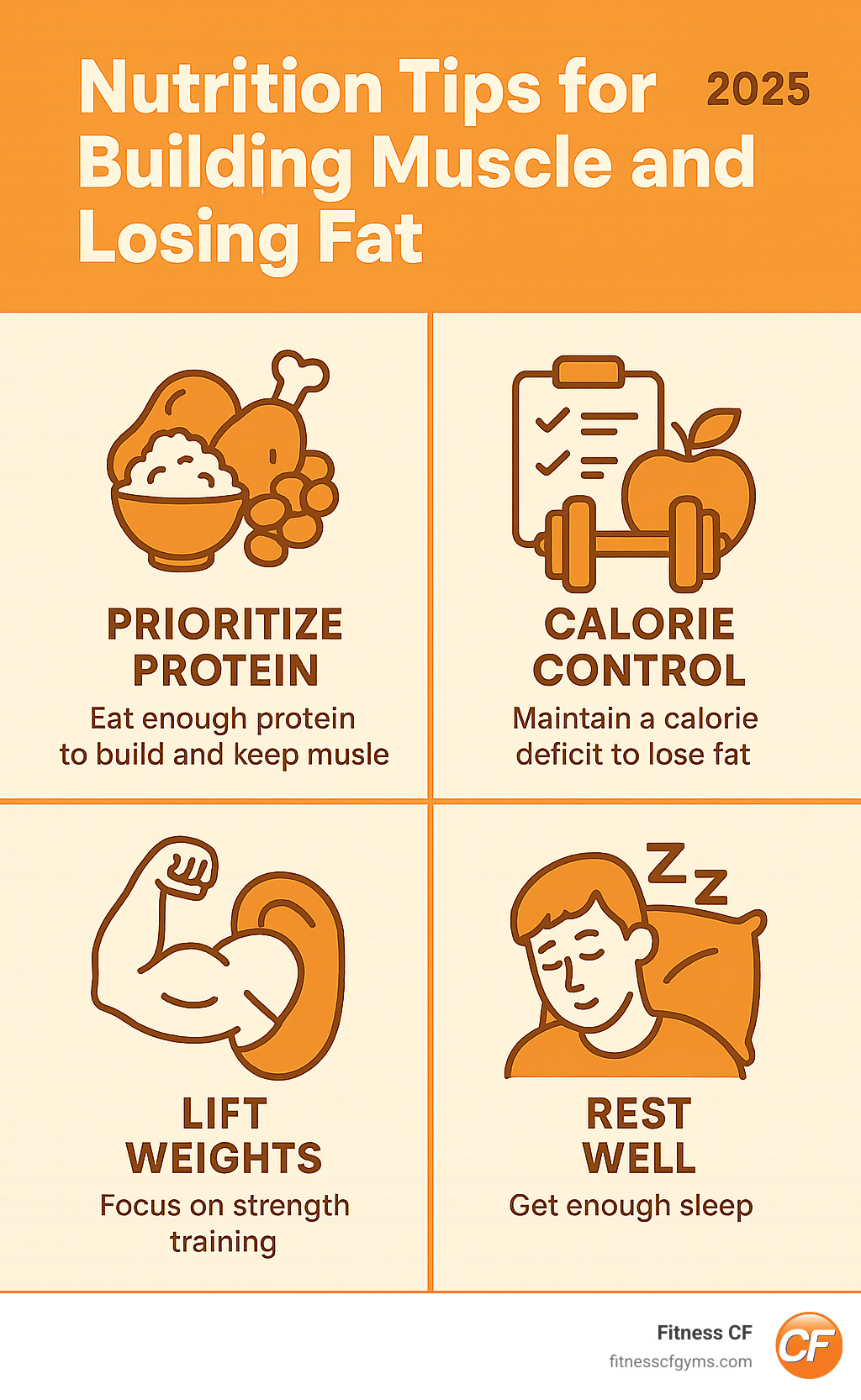
Credit: fitnesscfgyms.com
Credit: redefiningstrength.com
Frequently Asked Questions
Do You Need Fat To Build Muscle Effectively?
Yes, dietary fat supports hormone production, which is vital for muscle growth. It also provides essential fatty acids and energy needed during workouts.
How Much Fat Should I Eat To Build Muscle?
Aim for 20-35% of your daily calories from healthy fats. Balance fats with proteins and carbs for optimal muscle building.
Can Low-fat Diets Hinder Muscle Growth?
Very low-fat diets may reduce testosterone levels, slowing muscle gains. Adequate fat intake helps maintain hormones and overall health.
What Types Of Fat Help Muscle Building?
Focus on unsaturated fats from sources like olive oil, nuts, seeds, and fatty fish. Avoid trans fats and limit saturated fats.
Conclusion
Fat plays an important role in building muscle. It helps your body stay healthy and strong. Without enough fat, muscle growth can slow down. Eating a balanced diet with good fats supports energy and hormone levels. Don’t avoid fat completely; choose healthy sources like nuts and fish.
Remember, muscles need fuel from different nutrients to grow well. Keep your diet simple, balanced, and steady. This helps your body build muscle in the best way. Fat is not the enemy but a helpful part of muscle building.







