
Have you ever wondered if those simple wall sits could actually help you build muscle? You might be surprised by the power of this often overlooked exercise.
Imagine sitting against a wall, feeling your muscles engage, and knowing that every second counts towards your fitness goals. It’s a move that doesn’t require fancy equipment or a gym membership, just determination and a little bit of space. But does it really make a difference?
Get ready to uncover the truth behind wall sits and how they can fit into your muscle-building routine. Stick around, and you might just find the secret to transforming your workout with this straightforward yet effective exercise.
How Wall Sits Work
Understanding how wall sits work can change the way you think about this simple exercise. Wall sits look easy, but they engage your muscles in a unique way that can help build strength and endurance. Holding a static position challenges your muscles differently than moving exercises do.
Muscle Activation During Wall Sits
Wall sits activate your muscles through isometric contraction, which means your muscles hold tension without changing length. This sustained tension forces your muscles to work hard to keep you stable against the wall.
During a wall sit, your quadriceps are under constant strain, which helps increase muscle endurance and strength over time. You might feel the burn after just 30 seconds—that’s your muscles working hard to support your body weight.
Have you noticed how your muscles shake when holding a wall sit? That’s a sign your muscle fibers are being fully recruited to maintain the position. This deep engagement helps improve muscle tone and stamina.
Targeted Muscle Groups
Wall sits primarily target your quadriceps, the muscles at the front of your thighs. These muscles work hard to keep your knees bent and your body stable during the hold.
Besides the quads, your glutes and hamstrings also get activated, supporting your hips and helping maintain posture. Your calves engage as well to stabilize your lower legs.
- Quadriceps:Main muscle group working to hold the squat position.
- Glutes:Assist in stabilizing your hips and maintaining balance.
- Hamstrings:Support the thighs and help control knee position.
- Calves:Keep your lower legs steady during the hold.
Think about which muscles you feel most after a wall sit. This awareness helps you focus on improving those areas. Next time you try a wall sit, notice how your body responds and which muscles take the lead in holding you steady.
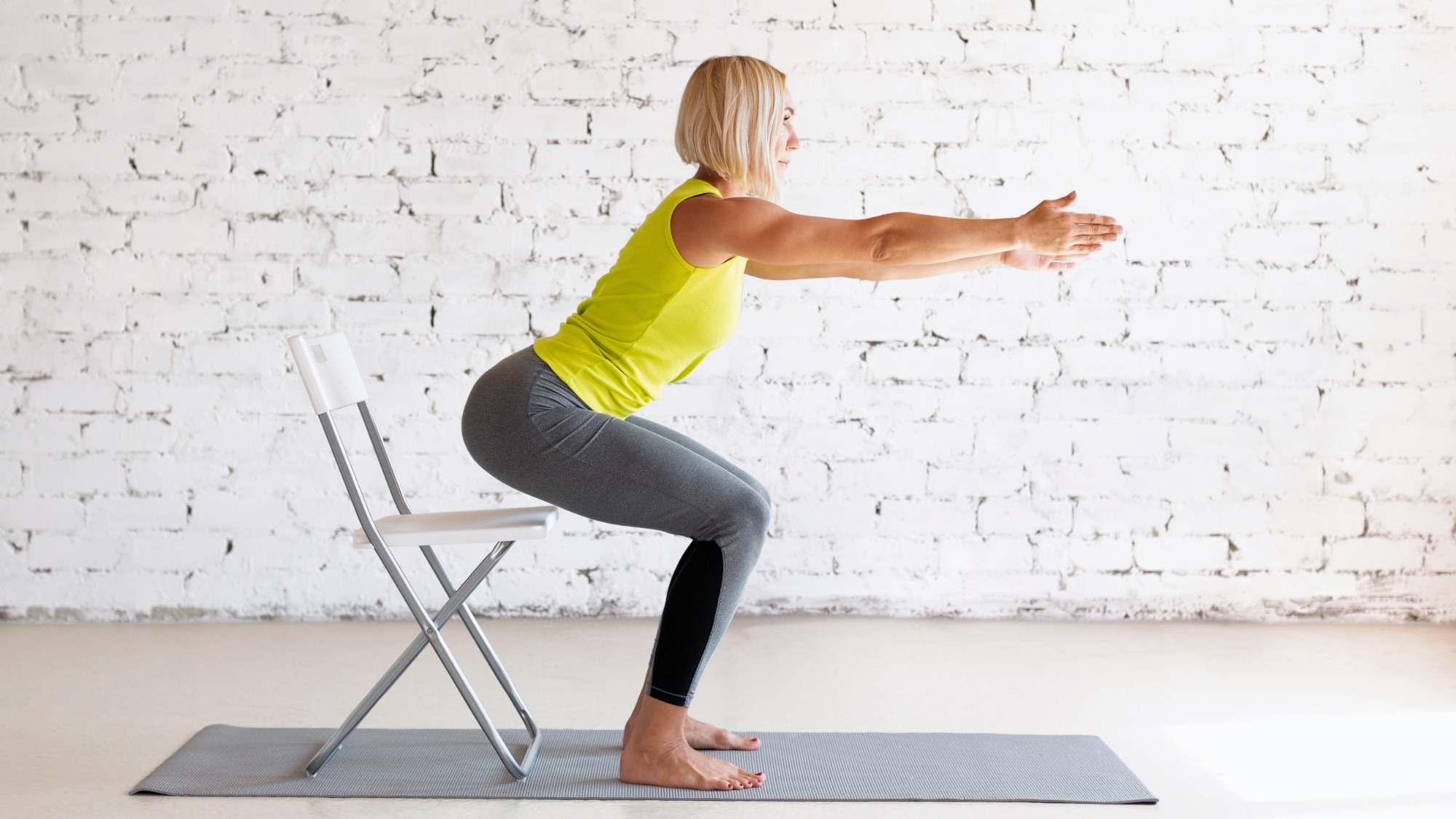
Credit: www.tomsguide.com
Muscle Growth Potential
Understanding the muscle growth potential of wall sits is key if you want to decide whether to add them to your workout routine. Wall sits are a static exercise, meaning your muscles hold a position under tension without moving. This unique nature affects how your muscles respond and grow.
Effect On Muscle Hypertrophy
Muscle hypertrophy happens when muscle fibers increase in size, usually from lifting weights with enough resistance. Wall sits create isometric tension, which can stimulate muscle fibers, but often not to the same extent as dynamic exercises like squats or leg presses.
Holding the wall sit position tires your muscles by restricting blood flow and causing a build-up of metabolites. This stress can encourage some growth, especially in beginners or those new to strength training. But if your goal is significant muscle size increase, wall sits alone may not be enough.
Endurance Vs. Strength Gains
Wall sits excel at building muscular endurance rather than pure strength or muscle size. You’ll notice your thighs can hold the position longer over time, which means your endurance is improving.
For strength and hypertrophy, your muscles need to experience progressive overload—gradually increasing resistance. Wall sits offer limited ability to add weight or vary intensity, so gains in muscle size and strength may plateau quickly.
- Wall sits improve endurance by training your muscles to sustain contractions.
- They help with muscle stabilization and improve mental toughness during holds.
- But for larger muscle growth, combining wall sits with weighted exercises is more effective.
Have you tried timing your wall sits and tracking endurance improvements? You might find that your stamina increases before you see much change in muscle size. This difference shows how wall sits primarily build endurance.
Proper Wall Sit Technique
Mastering the proper wall sit technique is key to making this simple exercise effective for building muscle. Without the right form, you might not engage the right muscles or could even risk injury. Let’s break down how to position your body correctly and what to watch out for.
Correct Posture And Form
Start by standing with your back flat against a smooth wall. Slowly slide down until your knees are bent at about a 90-degree angle, like you’re sitting in an invisible chair.
Your feet should be shoulder-width apart and flat on the floor, directly below your knees. Keep your back pressed firmly against the wall and your core tight to support your posture.
Hold your head and neck in a neutral position, looking straight ahead. This alignment helps distribute your weight evenly and targets your thigh muscles effectively.
Common Mistakes To Avoid
- Letting knees go past toes:This puts unnecessary strain on your joints and reduces muscle activation.
- Arching your lower back:If your back lifts off the wall, you lose stability and reduce the exercise’s effectiveness.
- Rushing the hold time:Wall sits build muscle through sustained tension. Don’t sacrifice duration for comfort too soon.
- Placing feet too close or too far apart:This can cause imbalance and uneven muscle engagement.
Have you ever felt your legs shaking during a wall sit? That’s your muscles working hard. Instead of quitting, focus on maintaining form and gradually increase your hold time. Your muscles will grow stronger with consistency and proper technique.
Credit: www.goodrx.com
Wall Sits In Strength Training
Wall sits are a simple yet effective exercise in strength training. They target your lower body, especially the quadriceps, glutes, and calves, by holding a static squat position against a wall. This exercise challenges your muscles to maintain tension over time, which helps build endurance and strength.
Many people wonder if wall sits actually build muscle or just improve endurance. The truth is, wall sits do contribute to muscle growth, but their main benefit lies in increasing muscular endurance and stability. Holding this position forces your muscles to work continuously, which creates micro-tears that lead to muscle adaptation and growth.
Incorporating Wall Sits Into Workouts
You can add wall sits easily to your workout routine without needing any equipment. Try holding the position for 30 to 60 seconds, then rest and repeat for 3 to 4 sets. Gradually increase the duration as you get stronger to keep challenging your muscles.
Wall sits are great for warming up your lower body or as a finisher at the end of leg day. They also work well on active rest days to maintain muscle engagement without heavy strain. Have you considered replacing some static stretches with wall sits to feel the difference in muscle activation?
Combining Wall Sits With Other Exercises
Pair wall sits with dynamic movements like lunges or squats to get a balanced workout. For example, alternate between 45 seconds of wall sits and 15 reps of walking lunges for a powerful leg session. This combo targets muscle endurance and explosive strength.
Adding upper body exercises like push-ups or dumbbell presses between wall sit sets creates a full-body circuit. This approach maximizes your workout efficiency and keeps your heart rate up. What happens if you mix wall sits with planks or side leg lifts? You engage your core and lower body simultaneously, making your workout more functional and challenging.
Benefits Beyond Muscle Building
Wall sits do more than just build muscle. They offer a range of benefits that can improve your overall fitness and daily function. Understanding these advantages can help you see why wall sits deserve a place in your workout routine beyond just muscle growth.
Improving Muscular Endurance
Wall sits train your muscles to sustain effort over time. Holding the position forces your thighs and glutes to work continuously, which builds endurance rather than just strength.
Think about activities like hiking or climbing stairs—your muscles need to keep working without tiring quickly. Adding wall sits to your workouts can help you stay strong and steady during these tasks.
Have you noticed how your legs feel after a long day of standing? Regular wall sits can reduce that fatigue by improving how long your muscles can perform without giving out.
Enhancing Stability And Balance
Wall sits challenge your body to maintain a fixed posture, which engages your core and stabilizer muscles. This can improve your overall balance and coordination.
Better stability helps prevent falls and injuries, especially as you age. It also enhances your performance in sports and everyday activities that require control and precision.
Next time you stand on one leg or try a balance exercise, notice how much stronger and steadier you feel after consistent wall sitting practice. Could this simple move be the key to better balance in your routine?
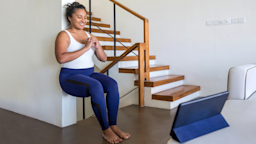
Credit: www.goodrx.com
Progressing Wall Sit Challenges
Progressing your wall sit challenge is key to building muscle and improving endurance. Simply holding the position isn’t enough once your muscles adapt. You need to push your limits carefully to keep seeing gains without risking injury.
Increasing Duration And Intensity
Start by gradually increasing the time you hold the wall sit. If you can hold it for 30 seconds today, aim for 40 or 45 seconds next session. This steady increase forces your muscles to work longer and grow stronger.
Intensity can also be raised by focusing on perfect form. Tighten your core and keep your back flat against the wall throughout. This extra tension makes your muscles engage more deeply.
Have you noticed how just a few extra seconds can make the exercise much tougher? That’s your muscles working harder, which is exactly what you want for growth.
Adding Resistance For Growth
Adding weight is a powerful way to challenge your muscles further. You can hold a dumbbell, kettlebell, or even a weighted backpack while doing wall sits. This added resistance forces your legs and glutes to generate more power.
If you don’t have weights, try holding household items like a heavy book or water bottles. Even small increases in resistance can lead to noticeable strength gains over time.
Another idea is to press a medicine ball or a stability ball between your knees during the wall sit. This engages your inner thighs and adds a new layer of difficulty.
What resistance can you add today to make your wall sit more challenging? Your muscles are ready to adapt if you keep pushing just a little more each time.
Limitations Of Wall Sits
Wall sits are a popular exercise for strengthening the legs and core. They help improve endurance and stability. Still, they have limits when it comes to building muscle mass. Understanding these limits can help you plan better workouts.
Why They May Not Build Bulk
Wall sits focus on holding a static position. This is called an isometric hold. Isometric exercises keep muscles engaged but do not involve movement. Muscle growth often needs movement and changing tension.
Wall sits mainly work on endurance, not heavy resistance. Without increasing load or motion, muscle fibers get less stimulus to grow. The exercise targets slow-twitch muscle fibers, which support endurance but not size.
For building bulk, muscles need progressive overload. This means adding weight or resistance over time. Wall sits don’t easily allow this increase. So, they are less effective for muscle size gains.
When To Use Other Exercises
Choose wall sits for improving muscle endurance and joint stability. They are great for beginners or as part of rehab. Use them to build a strong base before lifting heavier weights.
For muscle growth, include exercises with movement and resistance. Squats, lunges, and leg presses work well. These exercises engage muscles through a full range of motion.
Combine wall sits with other workouts. This helps balance endurance and strength. Mixing different exercises creates better overall leg development.
Frequently Asked Questions
Do Wall Sits Help Build Leg Muscle?
Yes, wall sits engage your quadriceps, hamstrings, and glutes. They build muscle endurance and strength by holding the position under tension.
How Long Should I Hold A Wall Sit?
Start with 20-30 seconds and gradually increase. Aim for 1-2 minutes to effectively build muscle and endurance over time.
Are Wall Sits Effective For Muscle Toning?
Wall sits improve muscle tone by activating lower body muscles. They increase muscle definition when combined with consistent workouts and proper nutrition.
Can Wall Sits Replace Squats For Muscle Building?
Wall sits complement squats but don’t fully replace them. Squats offer dynamic movement and greater muscle activation for overall leg growth.
Conclusion
Wall sits help build muscle, especially in your legs and core. They work by holding your body weight in one position. This causes your muscles to stay tight and strong. While wall sits alone may not grow big muscles fast, they do improve endurance and strength.
Adding other exercises can boost muscle growth better. Try wall sits regularly to feel stronger and improve stability. Simple, steady effort makes a difference over time. Give your muscles time to adapt and grow. Wall sits are a good start for muscle building.







