
Are you ready to build stronger, bigger biceps that turn heads at the gym? Whether you’re just starting out or looking to break through a plateau, the right biceps exercises can make all the difference.
You don’t need complicated routines or fancy equipment to see real results. You’ll discover simple yet effective moves that target your biceps, helping you boost strength and shape your arms faster than you might expect. Keep reading, and get ready to transform your workout and your confidence.
Credit: www.mensfitness.com
Best Biceps Exercises
Building strong biceps requires focused gym exercises like curls and hammer curls. These moves target muscles effectively and boost arm strength. Regular practice shapes and tones the biceps for better fitness results.
Building strong biceps isn’t just about aesthetics; it’s about boosting your overall upper body strength. Whether you’re reaching for a jar on a high shelf or carrying groceries, strong biceps make daily tasks easier. Let’s dive into some of the best exercises that will help you achieve those well-defined arms.Barbell Curls
Barbell curls are a classic exercise that effectively targets the biceps. By using a barbell, you can lift heavier weights, which promotes muscle growth. Remember to keep your elbows close to your body to maximize the effect on your biceps and minimize strain on your shoulders.Dumbbell Curls
Dumbbell curls offer more flexibility than barbell curls. They allow each arm to work independently, which helps to correct any muscle imbalances. Try alternating your curls for a slightly different challenge and to improve your focus on each bicep.Hammer Curls
Hammer curls give your biceps a unique workout by targeting the brachialis muscle, which lies beneath the biceps. This exercise also involves the forearms, making it a great compound movement. Use a neutral grip to perform this exercise, and feel the difference in the muscle tension.Preacher Curls
Preacher curls are excellent for isolating the biceps and minimizing cheating. The preacher bench supports your arms, ensuring that all the effort comes from your biceps. It’s a great way to focus on form and control, leading to better muscle growth.Concentration Curls
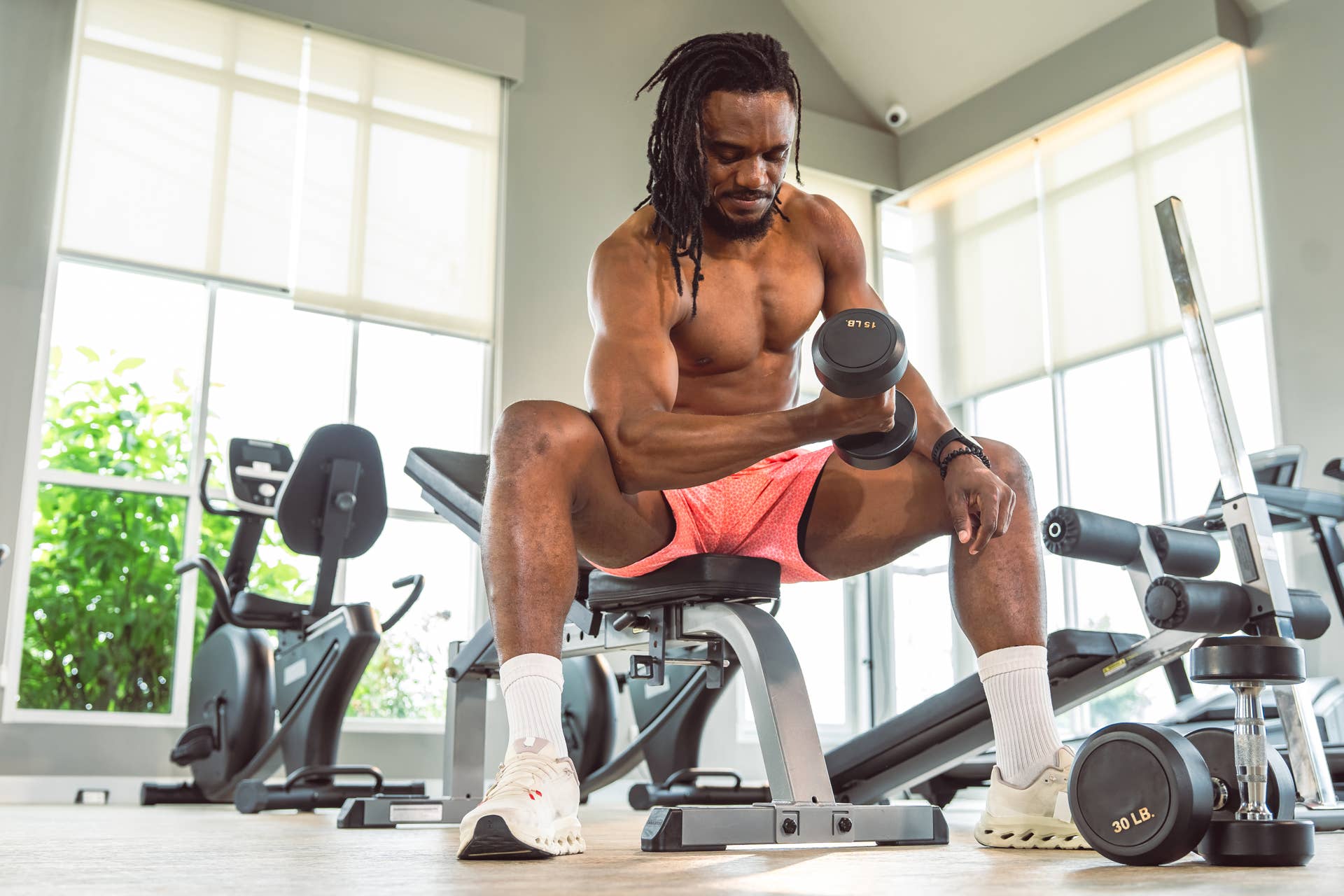
Concentration curls are all about mind-muscle connection. By sitting down and curling the weight with one arm at a time, you can focus intensely on each bicep. This exercise is perfect for finishing your workout, ensuring that every last bit of energy is used to build those biceps. Each of these exercises brings something unique to your workout routine. Which one will you try next to challenge your biceps?
Credit: www.gymreapers.com
Proper Form Tips
Mastering proper form is key to maximizing your biceps workout and avoiding injury. Small adjustments in how you hold the weights or position your elbows can make a big difference. Paying close attention to these details helps you target the muscles more effectively and see better results faster.
Grip Variations
Your grip changes which part of the biceps gets worked the most. A narrow grip focuses more on the outer biceps, while a wider grip hits the inner part. Try switching between supinated (palms up), pronated (palms down), and neutral (palms facing each other) grips to find what feels best and challenges your muscles differently.
Have you noticed how your strength or discomfort shifts with different grips? Experimenting with grip width and style can reveal weak points you didn’t know you had.
Elbow Positioning
Keep your elbows close to your sides during curls to isolate the biceps. If your elbows drift forward or outward, other muscles might take over the movement, reducing the focus on your biceps. A steady elbow position also protects your joints from unnecessary strain.
Try performing curls in front of a mirror or recording yourself to spot any elbow movement. Realigning your elbows can be challenging but will pay off in better muscle engagement.
Controlled Movements
Fast, jerky motions may let you lift heavier weights, but they reduce muscle tension and increase injury risk. Slow and controlled movements keep constant tension on the biceps, making each rep more effective. Focus on both lifting and lowering phases equally.
Think of each rep as a chance to feel the muscle working. Can you slow down your curls to really sense the contraction and stretch? This mindful approach often leads to quicker strength gains and fewer aches.
Workout Routines
Developing strong, defined biceps requires more than just random workouts. A solid routine helps you target muscles effectively and track progress clearly. Whether you’re just starting or have been training for years, choosing the right workout plan keeps your muscles challenged and growing.
Beginner Programs
If you’re new to the gym, focus on mastering basic movements first. Start with simple exercises like dumbbell curls, hammer curls, and barbell curls. Aim for 3 sets of 10-12 reps, resting about 60 seconds between sets to build endurance and strength.
Keep your form strict—avoid swinging the weights or using momentum. This helps prevent injury and ensures the biceps do the work. How often you train matters too; 2-3 sessions per week give your muscles enough time to recover and grow.
Intermediate Plans
Once you feel comfortable with the basics, it’s time to add variety and intensity. Combine exercises such as concentration curls, preacher curls, and cable curls to hit your biceps from different angles. Increase weight gradually and lower reps to 8-10 per set for strength gains.
Consider adding supersets, where you perform two exercises back-to-back without resting. For example, pair dumbbell curls with hammer curls to boost muscle fatigue and growth. Challenge yourself—do you feel your biceps fully engaged by the end of the workout?
Advanced Splits
Experienced lifters often split their biceps workouts to maximize focus and recovery. You can dedicate specific days to biceps and triceps or mix biceps with back workouts for better synergy. Use techniques like drop sets and forced reps to push past plateaus.
Track your progress by noting weights, reps, and how your arms feel post-workout. Sometimes, switching grip positions or equipment can stimulate new growth. What new challenge will you add to your routine this week to keep your gains coming?
Common Mistakes
When working on your biceps at the gym, it’s easy to fall into habits that limit your progress or even cause injury. Recognizing common mistakes can help you train smarter and get better results. Let’s look at some errors that you might be making without realizing it.
Using Momentum
Are you swinging the weights instead of lifting them? Using momentum to curl the weight takes the focus off your biceps and puts strain on other parts of your body.
Try to control the movement throughout the entire range. Lower the weight slowly instead of dropping it fast. You’ll feel the difference and get more muscle activation.
Overtraining
It’s tempting to work your biceps every day, hoping to speed up growth. But muscles need time to recover and grow stronger.
Overtraining can lead to soreness, fatigue, and even injury. Aim for 48 hours of rest between intense biceps sessions. Ask yourself: Are your arms still fresh before your next workout?
Neglecting Other Muscles
Focusing only on biceps can create muscle imbalances and limit overall strength. Your triceps, shoulders, and back also support arm movements.
Include exercises that target these areas to build balanced strength. Have you included compound movements like rows or presses in your routine to support your biceps work?
Recovery And Nutrition
Recovery and nutrition are just as important as the workout itself when building stronger biceps. Without proper rest and the right nutrients, your muscles won’t grow or repair efficiently. Paying attention to these factors can make a noticeable difference in your progress.
Rest Days
Giving your biceps time to rest is crucial. Muscles grow during recovery, not while you’re lifting weights. Avoid training the same muscle group on consecutive days to prevent overuse injuries.
Think about how your body feels after intense workouts—if you’re constantly sore or fatigued, it might be a sign you need more rest. Try scheduling at least 48 hours between biceps sessions to allow proper healing.
Protein Intake
Protein is the building block of muscle tissue. Consuming enough protein helps repair the tiny tears in your muscles caused by lifting. Aim for about 1.2 to 2.0 grams of protein per kilogram of your body weight daily.
Include sources like chicken, fish, eggs, dairy, or plant-based options such as lentils and tofu in your meals. Spreading protein intake evenly throughout the day improves absorption and supports continuous muscle repair.
Supplements
Supplements can support your recovery, but they aren’t magic solutions. Creatine, whey protein, and branched-chain amino acids (BCAAs) are popular choices that may enhance muscle repair and growth when combined with a solid diet.
Before adding supplements, consider if your nutrition already meets your needs. Are you consistently getting enough protein? If yes, supplements might speed up recovery but won’t replace good eating habits.
Tracking Progress
Tracking progress is a key part of building your biceps effectively in the gym. Without monitoring your gains, it’s hard to know what’s working and what needs changing. Keeping an eye on your improvements keeps you motivated and helps you push your limits safely.
Measuring Growth
Use a tape measure to track the size of your biceps regularly. Measure at the peak of your bicep when your arm is flexed, and note the numbers in a workout journal or app.
Photos can also reveal subtle changes that numbers might miss. Take pictures every few weeks from different angles to compare your muscle definition over time.
Adjusting Workouts
If your biceps size or strength plateaus, it’s a sign to change your routine. Try increasing the weight, adding more sets, or switching to different exercises like hammer curls or concentration curls.
Pay attention to how your muscles feel during workouts. Soreness and fatigue can indicate you’re challenging the muscles enough, but too much pain might mean you need to ease off.
Setting Goals
Set clear, specific goals for your biceps growth, such as adding an inch to your arm circumference or increasing your curling weight by 10 pounds. Write these goals down and set deadlines to keep yourself accountable.
Break big goals into smaller milestones. For example, aim to increase your curl reps by two every week. This keeps you focused and gives you frequent wins to celebrate.

Credit: www.gymreapers.com
Frequently Asked Questions
What Are The Best Biceps Exercises For Gym Beginners?
For beginners, start with dumbbell curls, barbell curls, and hammer curls. These exercises target the biceps effectively and help build strength gradually.
How Often Should I Train Biceps In The Gym?
Train biceps 2-3 times per week with at least 48 hours rest between sessions. This frequency promotes muscle growth and proper recovery.
Can I Build Bigger Biceps Without Heavy Weights?
Yes, use moderate weights with higher reps and focus on proper form. Time under tension and controlled movements can stimulate muscle growth effectively.
Should I Include Compound Exercises For Biceps Growth?
Yes, compound exercises like pull-ups and rows engage biceps along with other muscles. They improve overall strength and enhance biceps development.
Conclusion
Building strong biceps takes time and effort. Use different exercises to target all parts of the muscle. Keep your form correct to avoid injury and get better results. Rest well between workouts to let your muscles grow. Stay patient and consistent with your training.
Enjoy the process and watch your strength improve step by step.







