
Are you ready to build stronger, more defined biceps that turn heads at the gym? Whether you’re just starting out or looking to break through a plateau, the right bicep exercises can make all the difference in your workout results.
This guide will show you simple, effective moves you can add to your gym routine today. Keep reading to discover how to maximize your bicep gains, avoid common mistakes, and feel confident every time you lift. Your best arms are just a few reps away!
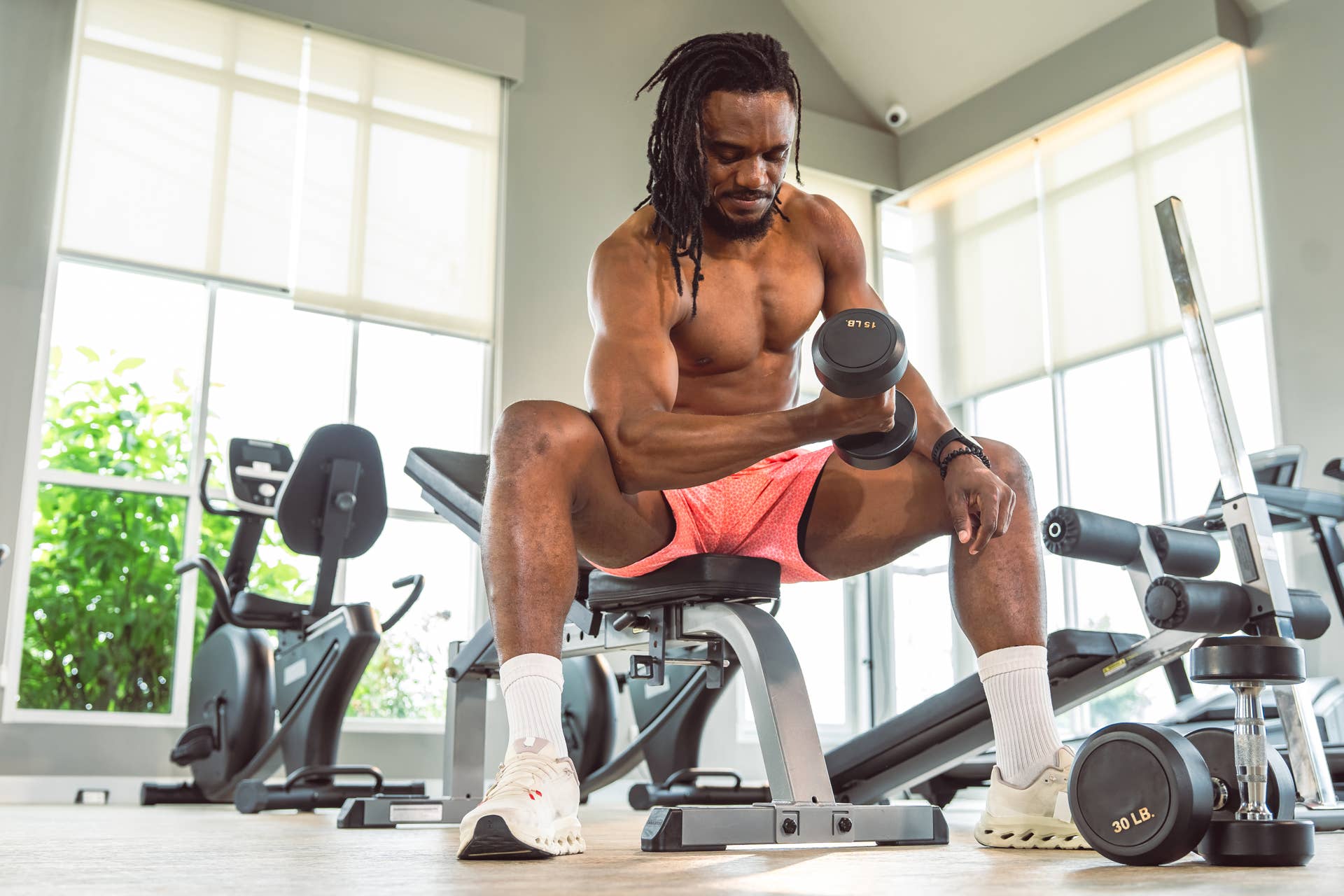
Credit: www.mensfitness.com
Benefits Of Bicep Training
Bicep training offers many advantages for fitness enthusiasts. It helps in building arm strength and enhancing muscle appearance. This training also improves overall functional fitness. Let’s explore these benefits further.
Improved Arm Strength
Strong biceps contribute to better arm strength. This makes daily tasks easier. Lifting, carrying, and pulling become less tiring. With stronger arms, you can handle heavier weights. This improves your overall workout performance.
Enhanced Muscle Definition
Bicep exercises help define your arm muscles. Well-defined muscles give your arms a toned look. This improves your physical appearance. People often notice toned arms. It boosts your confidence.
Better Functional Fitness
Functional fitness is essential for daily activities. Bicep training enhances this aspect. It supports movements like bending and reaching. You perform daily tasks more efficiently. This reduces the risk of injury.
Anatomy Of The Biceps
The biceps play a key role in arm strength and movement. Understanding their anatomy helps improve workout results. The biceps consist of three main muscles working together. Each muscle has a unique function and location. Knowing them guides effective bicep exercises and prevents injury.
Biceps Brachii
The biceps brachii is the most visible part of the biceps. It has two heads: long and short. This muscle helps bend the elbow and rotate the forearm. It attaches from the shoulder to the radius bone in the forearm. Strong biceps brachii improve lifting and pulling power.
Brachialis
The brachialis lies underneath the biceps brachii. It is a powerful elbow flexor. This muscle helps lift the forearm during bending movements. The brachialis attaches to the humerus and ulna bones. Training it makes the arm look thicker and increases strength.
Brachioradialis
The brachioradialis is a muscle of the forearm. It helps bend the elbow, especially with the palm facing down. This muscle runs from the humerus to the radius bone. It supports arm stability during lifting and pulling exercises. Strong brachioradialis improves grip and arm control.
Essential Bicep Exercises
Building strong and defined biceps requires focused exercises that target the muscle effectively. Essential bicep exercises help you develop strength, improve muscle tone, and enhance your overall arm appearance. Each exercise engages your biceps in a slightly different way, allowing you to hit various parts of the muscle for balanced growth.
Barbell Curls
Barbell curls are a classic bicep builder. Using a barbell lets you lift heavier weights, which can lead to greater muscle growth over time.
Keep your elbows close to your sides and lift the barbell with controlled motion. Avoid swinging your body to maintain proper form and maximize bicep activation.
Have you noticed how increasing the weight gradually challenges your strength and pushes your limits?
Dumbbell Curls
Dumbbell curls offer more flexibility than barbell curls. You can work each arm independently, which helps fix muscle imbalances.
Try alternating arms or lifting both simultaneously. Focus on a slow, steady movement to feel the muscle working throughout the entire range of motion.
What happens when you add a slight twist to your wrist as you curl? It can enhance the muscle contraction and build a fuller peak.
Hammer Curls
Hammer curls target the brachialis muscle, which lies underneath your biceps. Strengthening this muscle pushes your biceps up, giving your arms a thicker look.
Hold the dumbbells with your palms facing each other and curl up. This grip reduces wrist strain and adds variety to your routine.
Have you tried hammer curls to improve your grip strength? Many find it helps in other lifts like deadlifts and rows.
Preacher Curls
Preacher curls isolate your biceps by preventing shoulder movement. This exercise emphasizes the lower part of the biceps for a well-rounded shape.
Use a preacher bench or an incline surface to rest your arms. Focus on slow, controlled lifts and lower the weight fully to stretch the muscle.
Do you feel the difference when your arms are supported and can’t cheat with momentum? It’s a powerful way to target stubborn areas.
Advanced Workout Techniques
Advanced workout techniques push your bicep training beyond basic exercises. They challenge muscles to grow stronger and bigger. These methods increase intensity and improve muscle endurance. Use them carefully to avoid injury and get the best results.
Drop Sets
Drop sets involve lifting a heavy weight until muscle fatigue. Then, reduce the weight immediately and continue without rest. This process repeats for several drops. It helps exhaust muscle fibers more completely. Drop sets promote muscle growth and endurance quickly.
Supersets
Supersets combine two exercises back-to-back without resting. For biceps, try pairing curls with hammer curls or triceps work. This keeps muscles under constant tension. Supersets save time and increase workout intensity. They also improve muscle stamina and strength.
Negative Reps
Negative reps focus on the lowering phase of a lift. Lower the weight slowly and with control. This increases muscle tension and damage, helping muscles grow. Negative reps build strength and improve muscle control. Use lighter weights to avoid strain.
Proper Form And Common Mistakes
Getting the proper form right during your bicep exercises is key to building strength and avoiding injury. Many gym-goers overlook small details that can make a big difference in results. Are you sure your technique is as effective as it could be?
Maintaining Wrist Alignment
Keep your wrists straight throughout the curl to prevent strain. Bent wrists can lead to discomfort and reduce the exercise’s effectiveness. Focus on gripping the weight firmly without letting your wrists drop forward or backward.
Try this: pause at the top of your curl and check your wrist position in a mirror. If you notice any bending, adjust your grip or lower the weight until you can maintain alignment. Your wrists are the bridge between your forearms and the weights—treat them carefully.
Avoiding Swinging Motions
Swinging your body or using momentum to lift the weight takes the focus off your biceps. It also increases the risk of injury. Instead, keep your torso still and control the movement with your arms only.
Imagine you’re lifting a fragile cup of water—you wouldn’t want to spill it by moving too fast or jerking suddenly. Slow down your reps and concentrate on muscle engagement. Can you feel your biceps working without any help from other muscles?
Controlling The Eccentric Phase
The eccentric phase is when you lower the weight back down. Many people drop it quickly, but controlling this part builds strength and muscle more efficiently. Lower the weight slowly and steadily for about 3 to 4 seconds.
This controlled descent forces your muscles to work harder and improves overall muscle tone. Next time you train, focus on this phase and notice how your biceps fatigue differently. Have you ever tried counting the seconds as you lower the weight?
Creating A Balanced Arm Routine
Building strong and well-defined arms requires more than just focusing on bicep curls. A balanced arm routine targets all the major muscles in your arms to create symmetry and prevent injury. Focusing on both biceps and triceps along with proper rest and smart training techniques will help you see steady progress.
Combining Bicep And Tricep Workouts
It’s easy to get caught up in bicep exercises because they show visibly when flexed. However, triceps make up about two-thirds of your upper arm. Ignoring them can lead to imbalanced strength and aesthetics.
Try pairing bicep and tricep exercises within the same workout session. For example, alternate between curls and tricep pushdowns or dips. This keeps your arms working evenly and prevents muscle fatigue on one side.
Have you noticed how your arms feel when you only train biceps? Adding tricep work can improve not just size but also arm function and endurance.
Scheduling Rest Days
Muscle growth happens outside the gym, during recovery. Overworking your arms without giving them time to heal can stall progress and increase injury risk.
Plan rest days between intense arm workouts. For example, if you train arms on Monday, wait until at least Wednesday before targeting them again. Use this time for light activity or focus on other muscle groups.
Pay attention to how your arms feel. Soreness is normal, but persistent pain means you need more rest. How often do you let your arms recover fully before pushing them again?
Progressive Overload Strategies
To keep your arms growing, you must challenge your muscles consistently. Progressive overload means gradually increasing the weight, reps, or intensity of your exercises.
Start by tracking your current limits. Then, try adding small increments of weight or an extra rep each week. Changing the grip or angle can also increase difficulty without heavier weights.
Have you been lifting the same weights for weeks? Changing your routine with progressive overload can break plateaus and boost strength.
Nutrition For Muscle Growth
Nutrition plays a vital role in building strong, defined biceps. Eating the right foods helps repair muscles after workouts and supports new muscle growth. Proper nutrition fuels your body, making each gym session more effective. Focus on key areas like protein intake, hydration, and smart supplementation to see better results.
Protein Intake
Protein is the building block of muscle. It repairs tiny tears in muscle fibers caused by exercise. Aim to include a good source of protein in every meal. Common options include:
- Chicken breast
- Eggs
- Greek yogurt
- Legumes
- Fish
Try to consume 1.2 to 2.0 grams of protein per kilogram of body weight daily. This amount supports muscle repair and growth effectively.
Hydration
Water keeps muscles healthy and helps prevent cramps. Muscles are about 75% water, so staying hydrated aids performance and recovery. Drink water regularly throughout the day, especially before and after workouts. A good guideline is to consume at least 3 liters of water daily for active individuals.
Supplements To Consider
Supplements can support your muscle growth journey but are not essential. Some helpful options include:
- Whey protein:Quick and easy protein source after workouts.
- Creatine:Enhances strength and power during training.
- BCAAs:Help reduce muscle soreness and speed recovery.
- Multivitamins:Ensure you get enough vitamins and minerals.
Choose supplements wisely and use them to complement a balanced diet and consistent training.

Credit: www.youtube.com
Tracking Progress And Staying Motivated
Tracking your progress and keeping motivation high are key to making real gains in your bicep workouts. Without clear feedback on how you’re improving, it’s easy to lose direction or enthusiasm. Staying motivated means celebrating small wins and adjusting your plan as you grow stronger.
Using Workout Logs
Writing down your workouts helps you see exactly how much you’ve lifted and how many reps you’ve completed. This simple habit turns your training into a clear story of progress. You might notice patterns, like which exercises produce the best results or when you hit plateaus.
Try a notebook or a fitness app to record details such as weight, sets, reps, and rest times. Reviewing these logs regularly can boost your confidence and push you to add a few more pounds or reps. Have you ever felt stuck? Checking your past workouts might reveal when you need to change your routine.
Setting Realistic Goals
Goal setting gives you a target to aim for, but it’s crucial to keep these goals achievable. Setting a goal to add 5 pounds to your bicep curl every week might sound motivating, but it’s often unrealistic and frustrating. Instead, focus on smaller, steady improvements like increasing reps or improving form.
Break your goals into short-term and long-term milestones. For example, aim to complete three sets of 12 reps with perfect form this week, then increase weight next month. How do you measure success beyond just numbers? Consider strength, endurance, and how your arms look and feel.
Incorporating Variety
Doing the same bicep exercises repeatedly can kill your motivation and stall progress. Mixing up your workouts keeps your muscles guessing and prevents boredom. Try different types of curls—hammer curls, preacher curls, or cable curls—to work your biceps from various angles.
Variety also challenges your mind. When you switch exercises, you engage new muscle fibers and avoid plateaus. What new exercise can you add this week? Experimenting can make your gym sessions more exciting and productive.

Credit: www.gymreapers.com
Frequently Asked Questions
What Are The Best Bicep Exercises At The Gym?
The best bicep exercises include barbell curls, dumbbell curls, hammer curls, and cable curls. These target the bicep muscles effectively for growth and strength.
How Often Should I Train Biceps In The Gym?
Train biceps 2-3 times per week with at least 48 hours rest between sessions. This frequency helps muscle growth without overtraining.
Can Bicep Exercises Improve Arm Strength Quickly?
Yes, consistent bicep workouts improve arm strength within weeks. Focus on proper form, progressive overload, and balanced nutrition for fast results.
Should I Warm Up Before Bicep Workouts?
Always warm up with light cardio and dynamic stretches. Warming up reduces injury risk and prepares your muscles for intense bicep training.
Conclusion
Bicep exercises at the gym help build strong, toned arms. Consistency matters most for steady progress. Choose exercises that suit your fitness level and goals. Focus on proper form to avoid injuries. Rest and nutrition support muscle growth effectively. Track your workouts to see improvements over time.
Enjoy the process and stay patient with results. Strong biceps boost confidence and daily strength. Keep your routine simple and stay motivated. Your efforts will pay off with time and care.







