
Have you ever felt sluggish or uncomfortable while working out after a meal? Timing your workout after eating is crucial for maximizing energy levels and performance.
Imagine harnessing the perfect moment when your body is fueled and ready to conquer any exercise. Understanding the best time to work out after eating isn’t just about avoiding discomfort; it’s about optimizing your results and feeling your best. In this blog post, we will unveil the secrets to perfect timing that can transform your workout experience.
You’ll discover how to align your meal and exercise schedules for peak performance, without the guesswork. Stay with us, and you’ll soon be making the most out of every workout, achieving your fitness goals more efficiently than ever before.
Credit: www.goodrx.com
Meal Types And Digestion Times
Understanding how different meal types affect digestion time can help you decide the best time to work out after eating. Not all foods digest at the same speed, and this impacts how your body feels during exercise. Let’s look closely at how carbohydrates, proteins, and fats influence digestion and energy levels.
Carbohydrates, Proteins, And Fats
Carbohydrates break down quickly, usually within 1 to 2 hours. This makes them ideal if you want to fuel a workout soon after eating.
Proteins take longer, around 3 to 4 hours, because your body works harder to digest them. If you eat a protein-heavy meal, waiting a bit longer before exercising can prevent discomfort.
Fats are the slowest to digest, often taking 4 to 6 hours. High-fat meals can leave you feeling sluggish and heavy, so it’s best to avoid intense workouts too soon after eating fatty foods.
Light Vs Heavy Meals
Light meals, like a small fruit salad or yogurt, digest quickly and usually allow you to start exercising within 30 to 60 minutes. They provide quick energy without weighing you down.
Heavy meals, such as a large steak with potatoes and gravy, need more digestion time. It’s better to wait at least 2 to 3 hours before working out to avoid cramps or nausea.
Think about how you feel after different meals. Do you notice sluggishness or energy dips after a big lunch? Adjusting your meal size can make a big difference in your workout quality.
Impact On Energy Levels
The timing of your workout after eating directly affects your energy. Quick-digesting carbs can give you an energy boost just when you need it.
Protein helps with muscle repair but won’t provide immediate energy, so it’s better for recovery meals rather than pre-workout fuel.
Fats provide lasting energy but slow digestion can make you feel tired or heavy if you exercise too soon. Have you ever tried a workout after a greasy meal? How did it affect your performance?
Credit: visapoint.travel
Ideal Waiting Periods Before Exercise
Knowing the ideal waiting period before exercise helps avoid discomfort and boosts performance. Timing meals right ensures the body has enough energy without feeling heavy. Different foods need different digestion times. Paying attention to these waiting periods improves workout results and reduces stomach issues.
Short Wait For Light Snacks
Light snacks digest quickly and provide fast energy. Small fruits, yogurt, or a handful of nuts usually need only 15 to 30 minutes before exercise. These snacks supply quick fuel without causing stomach upset. They suit workouts like walking, yoga, or light cardio. Eating a light snack shortly before exercise keeps energy steady and hunger away.
Longer Wait For Full Meals
Full meals take longer to digest and can feel heavy. Meals rich in protein, fat, and fiber need about 2 to 3 hours before exercise. This time allows proper digestion and avoids cramps or nausea. Exercising too soon after a big meal can slow performance. Waiting longer after a full meal gives the body time to convert food into usable energy.
Individual Differences
Everyone digests food at a different speed. Age, metabolism, and activity type affect how long to wait before exercise. Some people feel fine exercising after 30 minutes, while others need more time. Pay attention to your body’s signals. Adjust waiting times based on comfort and energy levels. Trial and error helps find the best personal schedule for eating and working out.
Workout Types And Timing
Choosing the right time to work out after eating depends on the type of exercise planned. Different workouts demand varying energy levels and digestion times. Knowing when to start can improve performance and prevent discomfort.
Cardio Sessions
Cardio exercises like running or cycling need steady energy. Light meals or snacks should be eaten 30 to 60 minutes before. Heavy meals require waiting 1.5 to 2 hours. Starting too soon may cause nausea or cramps. A small, easy-to-digest snack can boost stamina.
Strength Training
Strength workouts involve lifting weights or resistance exercises. These need more energy and muscle fuel. Eating a balanced meal with protein and carbs 1 to 2 hours prior is ideal. This timing helps muscles recover and grow. Avoid heavy fats before training to reduce sluggishness.
High-intensity Workouts
High-intensity workouts push your body hard in short bursts. These include HIIT and circuit training. It’s best to wait at least 2 hours after a full meal. This prevents stomach upset during intense movements. Small snacks 30 minutes before can provide quick energy without discomfort.
Signs You’re Ready To Exercise
Knowing when your body is ready to exercise after eating is key for a good workout. Your body sends clear signals if it is prepared to move. These signs help you avoid discomfort and boost performance. Recognizing them improves your workout experience and keeps you safe.
Feeling Comfortable
Comfort is the first sign you can start exercising. Your stomach should feel settled, not full or heavy. Clothes should not feel tight around your waist. You should be able to move freely without any pressure on your belly. If you feel relaxed, your body is likely ready.
No Digestive Discomfort
Watch for any signs of bloating, cramps, or nausea. These symptoms mean your body is still digesting food. Avoid exercise until these feelings go away. Clear digestion signals help prevent pain and discomfort during activity. Your body needs time to process food before physical effort.
Sustained Energy Levels
Energy is a key indicator of readiness to exercise. You should feel alert, not tired or sluggish. Your energy should stay steady and not drop quickly. Balanced meals with protein, carbs, and fats help maintain this energy. If you feel strong and steady, your body is prepared for exercise.
Tips To Maximize Energy And Results
Knowing the best time to work out after eating is only part of the equation. To truly boost your energy and see better results, you need smart strategies around what you eat, drink, and when. These small adjustments can make your workouts feel easier and your progress faster.
Choosing The Right Foods
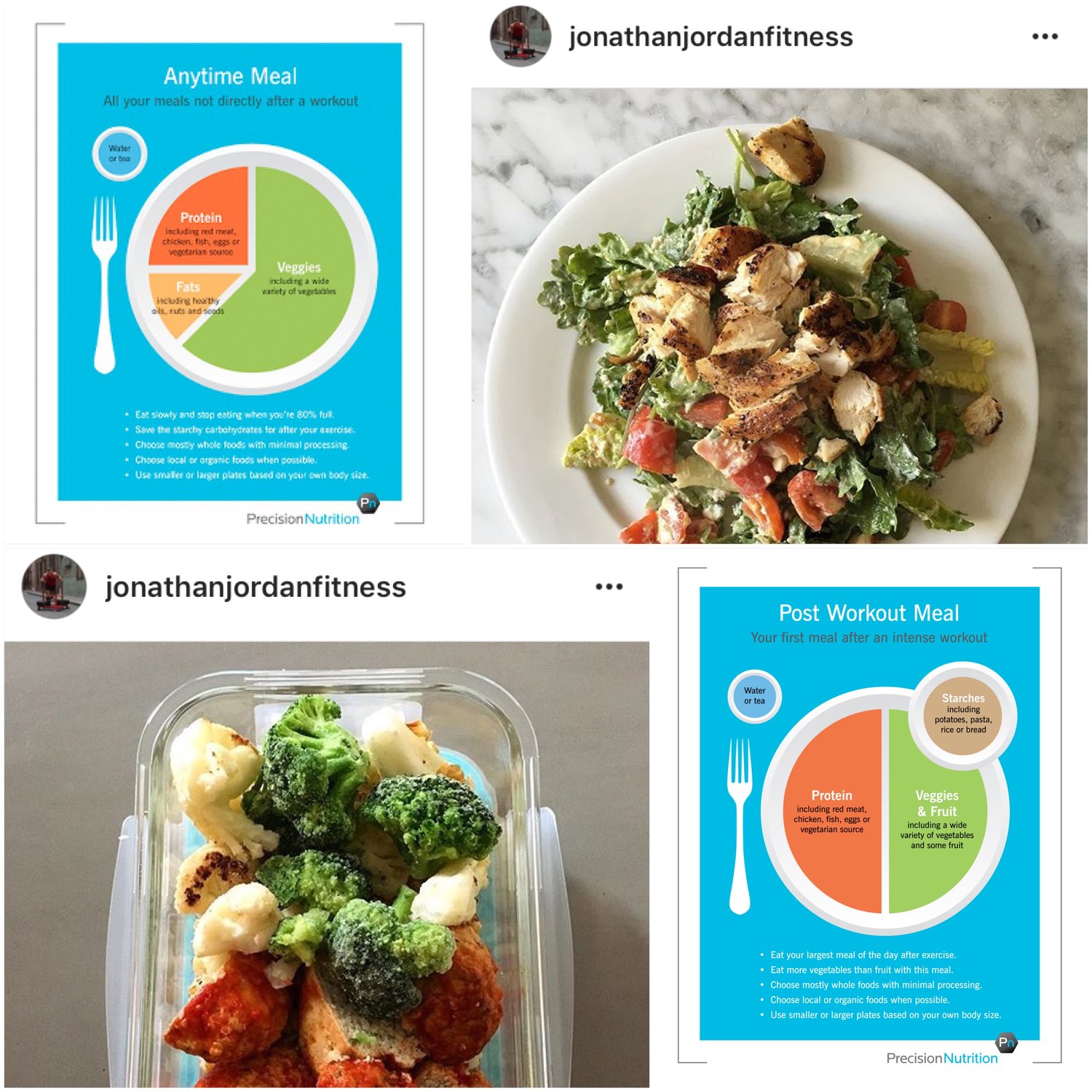
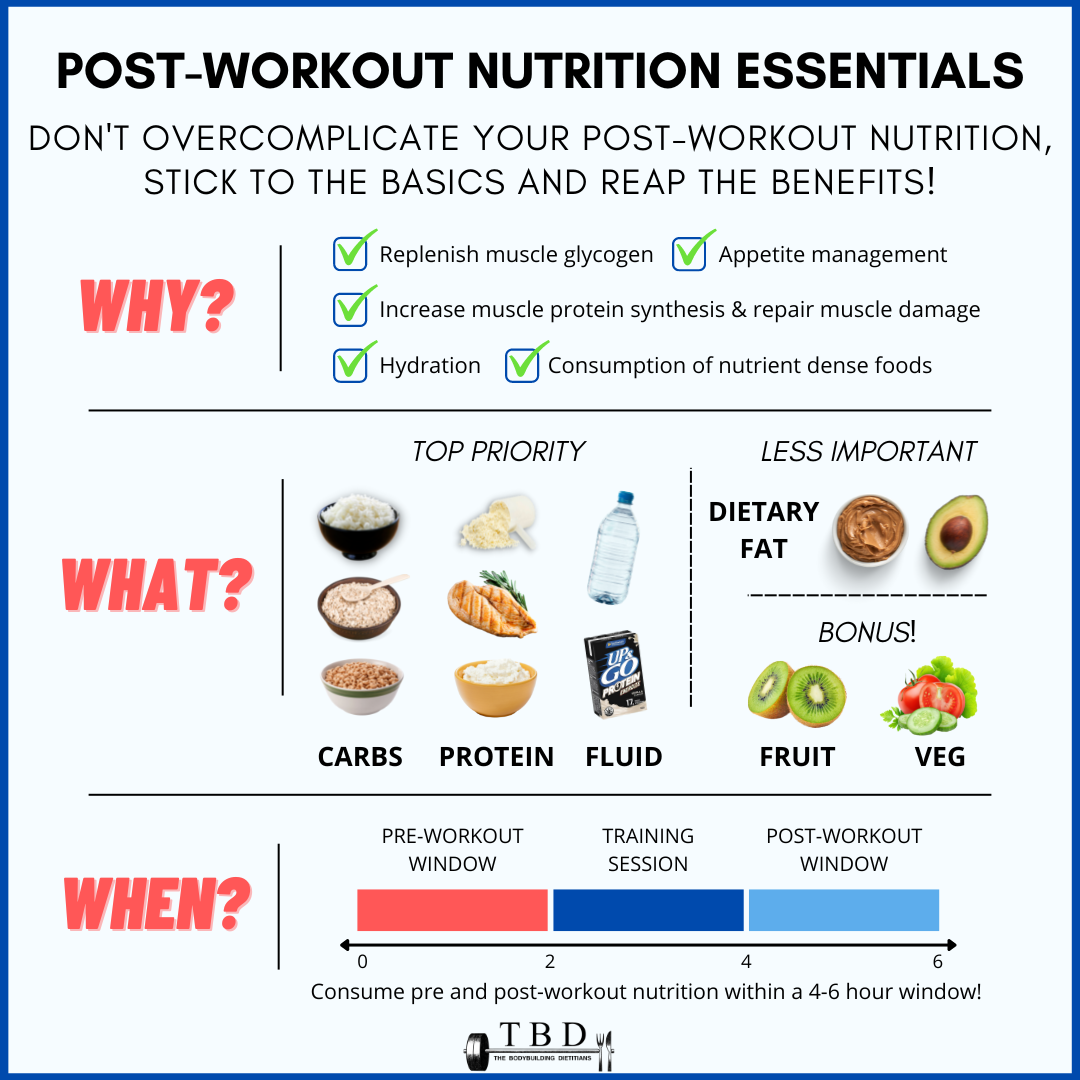
Your meal before exercise should fuel, not weigh you down. Aim for a balance of carbohydrates and protein. Carbs give you quick energy, while protein helps with muscle repair and recovery.
Think about foods like a banana with peanut butter or a small bowl of oatmeal with some nuts. Avoid heavy, greasy meals that can leave you feeling sluggish or cause stomach discomfort.
Hydration Strategies
Water is your workout’s best friend. Dehydration can zap your energy and reduce focus. Drink water steadily throughout the day, not just right before you exercise.
If your workout lasts longer than an hour, consider adding an electrolyte drink. Have you noticed how much harder workouts feel when you’re even slightly dehydrated? Staying hydrated prevents that.
Pre-workout Snacks
Timing your snack is just as important as what you eat. Try to eat a light snack about 30 to 60 minutes before you start. This gives your body a quick energy boost without feeling too full.
- Greek yogurt with berries
- A small smoothie with fruit and protein
- Whole-grain toast with a little honey
Experiment with these options to see what works best for your body. Have you ever felt sluggish after a snack? Maybe it’s time to switch what you eat or when you eat it.
Common Mistakes To Avoid
Avoiding common mistakes around workout timing can make a big difference in how you feel and perform. Many people rush into exercise without considering how their meal affects their energy and digestion. Understanding what to skip and what to focus on helps you get the most from your workouts without discomfort or low energy.
Exercising Too Soon
Jumping into a workout right after eating can cause cramps, nausea, or sluggishness. Your body needs time to digest food and send blood to your muscles efficiently. Waiting at least 30 to 60 minutes after a light meal, and longer after a heavy one, gives your body the chance to use energy properly.
Think about the last time you felt bloated or tired mid-workout. Did you start too soon after eating? Adjusting your wait time could change your experience dramatically.
Skipping Meals
Skipping meals before exercise might seem like a way to avoid discomfort, but it often backfires. Without fuel, your body can run low on energy, leading to fatigue and poor performance. A small, balanced snack 30 to 60 minutes before you work out can improve stamina and focus.
Ask yourself: are you really saving time by skipping, or are you sacrificing energy and results? Try planning simple snacks like a banana or yogurt to keep your strength up.
Overeating Before Workouts
Eating too much before exercising can weigh you down and make movement uncomfortable. Large meals take longer to digest and may cause sluggishness or even cramps during your routine. Aim for moderate portions with a good mix of protein, carbs, and fats to fuel your workout without feeling heavy.
Have you noticed your performance dip after a big meal? Cutting down portion size or splitting meals earlier in the day might be the key to better workouts.
Credit: miradorsanjose.com
Frequently Asked Questions
How Long Should I Wait To Workout After Eating?
Wait at least 30 minutes to 2 hours after eating. Light meals need less time, heavy meals require more. This helps avoid discomfort and improves workout performance.
What Foods Delay Workout Timing After Meals?
High-fat and high-protein meals take longer to digest. Avoid heavy, greasy foods before exercise for better comfort and energy. Opt for light carbs for quicker digestion.
Can I Exercise Immediately After A Small Snack?
Yes, light snacks like fruit or yogurt allow quick workouts. They digest faster and provide quick energy. Avoid intense workouts right after big meals.
Does Workout Timing After Eating Affect Fat Burning?
Yes, waiting 1-2 hours improves fat metabolism and energy use. Exercising too soon may cause discomfort and reduce fat burning efficiency. Timing aids optimal workout results.
Conclusion
Waiting about 30 minutes after eating works for most people. Light meals need less time before exercise. Heavy meals may require up to two hours to digest. Listen to your body’s signals to avoid discomfort. Drinking water helps digestion and workout performance.
Finding your best timing improves energy and results. Try different intervals to see what feels right. Staying consistent helps build a healthy routine. A good balance between eating and exercising supports fitness goals. Keep it simple and pay attention to how you feel.







