
Are you recovering from a belly button hernia and wondering when you can hit the gym again? You’re not alone.
Many people share this concern, eager to return to their regular workout routines. However, understanding the recovery time and knowing when it’s safe to resume physical activities is crucial for your health. We’ll explore the typical recovery timeline and provide insights into how soon you can get back to exercising without risking your progress.
By the end, you’ll feel more informed and confident about your recovery journey. Stay with us to ensure a safe and effective return to your fitness goals.

Credit: www.southlakegeneralsurgery.com
What Is A Belly Button Hernia
A belly button hernia, also called an umbilical hernia, happens near the navel. It occurs when part of the intestine or fatty tissue pushes through a weak spot in the abdominal muscles. This causes a soft bulge or swelling around the belly button.
Belly button hernias are common in babies and adults. Many babies are born with it, but it often closes on its own by age 1 or 2. Adults can develop it due to pressure on the abdomen from heavy lifting, obesity, or pregnancy.
Most belly button hernias are painless but can cause discomfort. They usually do not lead to serious problems unless the trapped tissue gets stuck or loses blood supply.
Causes Of Belly Button Hernia
- Weak abdominal muscles from birth
- Increased pressure inside the abdomen
- Obesity or excessive weight gain
- Pregnancy and multiple pregnancies
- Heavy lifting or straining
- Chronic coughing or sneezing
Symptoms Of A Belly Button Hernia
- Bulge or swelling near the belly button
- Pain or tenderness around the navel
- Discomfort during coughing or straining
- Visible protrusion when standing or crying (in babies)
- Feeling of pressure or heaviness in the abdomen
Diagnosis And When To See A Doctor
Doctors diagnose a belly button hernia by physical exam. They check for bulges and ask about symptoms. Sometimes, imaging tests like ultrasound or CT scan help confirm the diagnosis.
Seek medical care if the bulge becomes painful, firm, or discolored. Sudden severe pain, vomiting, or inability to pass gas are signs of hernia complications. These require urgent treatment.
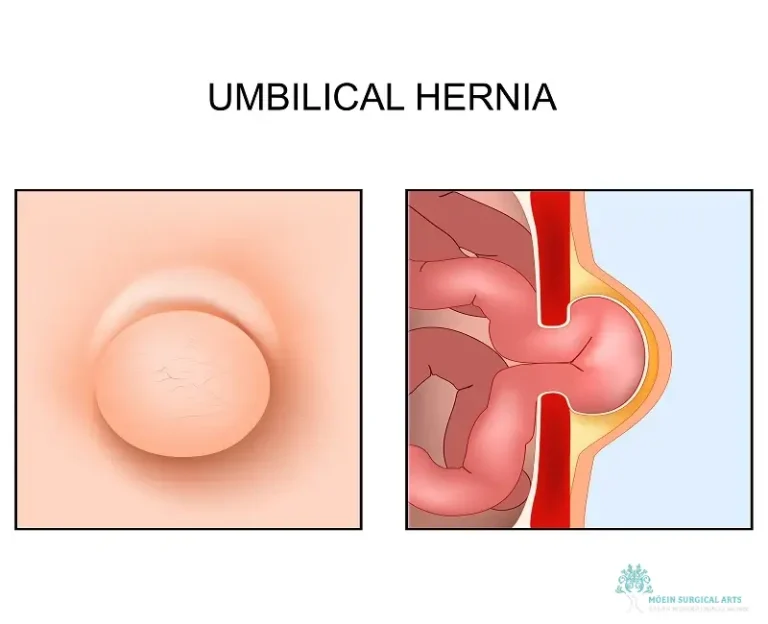
Credit: moeinsurgicalarts.com
Typical Recovery Timeline
The typical recovery timeline after a belly button hernia repair varies depending on the surgery type and your body’s response. Understanding each phase can help you plan your activities and workouts safely. Let’s break down what you might expect during your recovery journey.
Initial Healing Phase
The first 1 to 2 weeks focus mostly on rest and gentle care. You may feel soreness and swelling around your belly button, which is normal. Avoid lifting heavy objects or strenuous movements to prevent strain on the healing tissue.
During this phase, you can start light walking to boost circulation but keep it slow. If you notice increased pain or redness, it’s a sign to ease up and consult your doctor. Your body is building strength quietly, so patience pays off here.
Mid-recovery Progress
Between weeks 3 and 6, your body gains more stability, and discomfort usually lessens. You can gradually introduce low-impact exercises like stretching and walking longer distances. Many find swimming or stationary biking helpful as they don’t stress the abdomen.
Ask yourself: How does your body feel after activity? If pain spikes, pull back and try again later. This phase tests your ability to balance activity with healing—listen closely to your body’s signals.
Full Recovery Expectations
Most people reach full recovery around 6 to 8 weeks post-surgery. At this point, your abdominal wall should be strong enough for more intense workouts like weightlifting or running. Still, start slow and increase intensity step-by-step.
Keep in mind, full recovery doesn’t mean zero risk. Avoid sudden, heavy lifts or intense core exercises until your doctor gives the green light. How you approach this final stage can make all the difference in preventing a hernia from coming back.
Factors Affecting Recovery Duration
Recovery time after a belly button hernia repair can vary greatly. Different factors influence how fast the body heals. Understanding these factors helps manage expectations and plan workouts safely.
Hernia Size And Severity
Larger hernias usually take longer to heal. Severe cases may require more careful recovery. Small hernias often heal faster with less discomfort. The size and severity affect the strength needed for healing.
Surgical Method Used
Open surgery often means a longer recovery. Laparoscopic surgery tends to have quicker healing times. The type of surgery impacts pain levels and movement restrictions. Less invasive methods allow earlier return to activity.
Patient Health And Lifestyle
Good overall health speeds up recovery. Conditions like diabetes or obesity may slow healing. Active lifestyles before surgery help regain strength sooner. Smoking can delay tissue repair and increase risks.
When To Resume Exercise
Knowing the right time to resume exercise after a belly button hernia surgery is crucial. Returning too early can cause complications or slow healing. It is important to listen to your body and follow medical advice carefully.
Signs You Are Ready
- No pain or discomfort around the surgery site during daily activities.
- The incision is fully healed without redness or swelling.
- You can move freely without feeling weak or tired.
- Doctor gives the green light after a follow-up checkup.
- You have regained your normal energy levels.
Recommended Waiting Periods
Most doctors suggest waiting at least 4 to 6 weeks before resuming light exercise. Avoid heavy lifting or intense workouts for 8 to 12 weeks.
Walking and gentle stretching can often start within a few days after surgery. Gradually increase activity based on comfort and healing progress.
Always follow your surgeon’s specific instructions. Recovery times can vary depending on the hernia size and surgery type.
Safe Workout Tips Post-surgery
Recovering from a belly button hernia surgery requires care, especially when returning to exercise. Safe workouts help avoid complications and support healing. Focus on gentle movements that protect your abdomen and build strength slowly. Listen to your body and stop if you feel pain or discomfort.
Low-impact Exercises
Choose exercises that do not put pressure on your belly. Walking is a great way to stay active without strain. Swimming and stationary cycling also work well for gentle movement. These activities boost circulation and help prevent stiffness. Avoid jumping or heavy lifting that stresses your core.
Avoiding Strain
Keep your abdominal muscles relaxed during workouts. Avoid twisting or bending too much at first. Never hold your breath while exercising; breathe steadily. Skip exercises that cause discomfort or sharp pain near your incision. Use support belts if your doctor suggests them to reduce pressure.
Gradual Intensity Increase
Start with short sessions and low effort. Increase time and intensity slowly over weeks. Focus on form and control rather than speed or weight. Track your progress and adjust based on how you feel. Rest days are important for tissue repair and overall recovery.

Credit: mtnviewsurgical.com
Potential Risks Of Early Exercise
Jumping back into exercise too soon after a belly button hernia repair can cause several setbacks. It’s tempting to resume your routine quickly, especially if you feel fine. But ignoring your body’s healing process can lead to complications that extend your recovery time.
Hernia Recurrence
One of the biggest risks of early exercise is the hernia coming back. Straining your abdominal muscles before they’re ready can reopen the repair site.
This means you might have to go through surgery again, which nobody wants. Have you thought about how pushing yourself too hard now might cost you more time off later?
Delayed Healing
Exercise increases blood flow and movement, which is great—except when your tissues are still healing. Too much activity too soon can cause swelling and inflammation around the surgery area.
This slows down the repair process and can lead to complications like infections. Your body needs rest to rebuild strength; rushing it only delays your full recovery.
Pain And Discomfort
Working out before your body is ready can cause unnecessary pain. You might feel sharp or persistent discomfort in your belly, making everyday tasks harder.
This pain isn’t just unpleasant; it’s a warning sign that you should slow down. Ignoring it could turn a manageable recovery into a painful ordeal.
Consulting Your Healthcare Provider
Recovering from a belly button hernia involves more than just resting and waiting. Consulting your healthcare provider is a crucial part of the healing process. They help you understand the specific needs of your body and guide you on when it’s safe to return to physical activities like working out.
Personalized Recovery Advice
Your recovery timeline depends on several factors, including the size of the hernia and the type of surgery you had. Your healthcare provider will assess these and give you advice tailored just for you.
They might suggest gentle movements early on, while warning against heavy lifting or intense exercise. This personalized advice helps you avoid setbacks and speeds up your healing.
Think about your own daily routine. How much activity do you typically do? Your doctor’s advice will consider this to create a plan that fits your lifestyle without risking injury.
Monitoring Progress
Regular check-ups with your healthcare provider allow you to track your healing progress closely. They will examine your incision site and overall health to make sure your recovery is on track.
If you notice any unusual pain or swelling, your provider can address these issues immediately. This ongoing monitoring helps you adjust your workout plans safely.
Ask yourself: Are you paying attention to your body’s signals during recovery? Keeping your doctor informed about how you feel can prevent complications and let you return to workouts with confidence.
Frequently Asked Questions
How Long Does Belly Button Hernia Recovery Take?
Belly button hernia recovery usually takes 4 to 6 weeks. Healing time depends on surgery type and individual health. Follow your doctor’s advice to avoid complications and ensure proper healing during this period.
When Can I Start Working Out After Hernia Surgery?
Most patients can resume light workouts after 4 to 6 weeks. Avoid heavy lifting and intense exercises until fully healed. Always consult your surgeon before restarting any workout routine post-surgery.
What Exercises Are Safe After Belly Button Hernia Surgery?
Gentle walking, stretching, and breathing exercises are safe early on. Avoid core-strengthening or abdominal exercises until cleared by your doctor. Gradually increase activity intensity to support recovery without risking hernia recurrence.
Can Exercise Delay Belly Button Hernia Recovery?
Yes, exercising too soon can delay healing and cause complications. Straining the surgical area increases pain and risk of hernia recurrence. Rest and follow medical guidelines to ensure a smooth, timely recovery.
Conclusion
Belly button hernia recovery takes time and patience. Most people heal well within a few weeks. Start light exercises only after your doctor says it’s safe. Avoid heavy lifting and intense workouts early on. Gradually increase activity to protect your healing belly.
Listen to your body and stop if you feel pain. Staying consistent helps you regain strength safely. Remember, healing is a slow process, but it gets better. Take care, follow advice, and soon you’ll be back to your routine.







