
When it comes to getting the most out of your workout, timing your meals can be just as crucial as the exercises themselves. You might wonder whether eating before or after a workout makes a difference.
The answer is yes, and it could significantly impact your energy levels, performance, and recovery. Imagine having the stamina to push through those extra reps or feeling less sore the next day. Knowing the best time to eat could be the game-changer you need.
So, are you ready to discover how to fuel your body for optimal fitness results? Let’s dive in and uncover the secrets to perfectly timed nutrition.
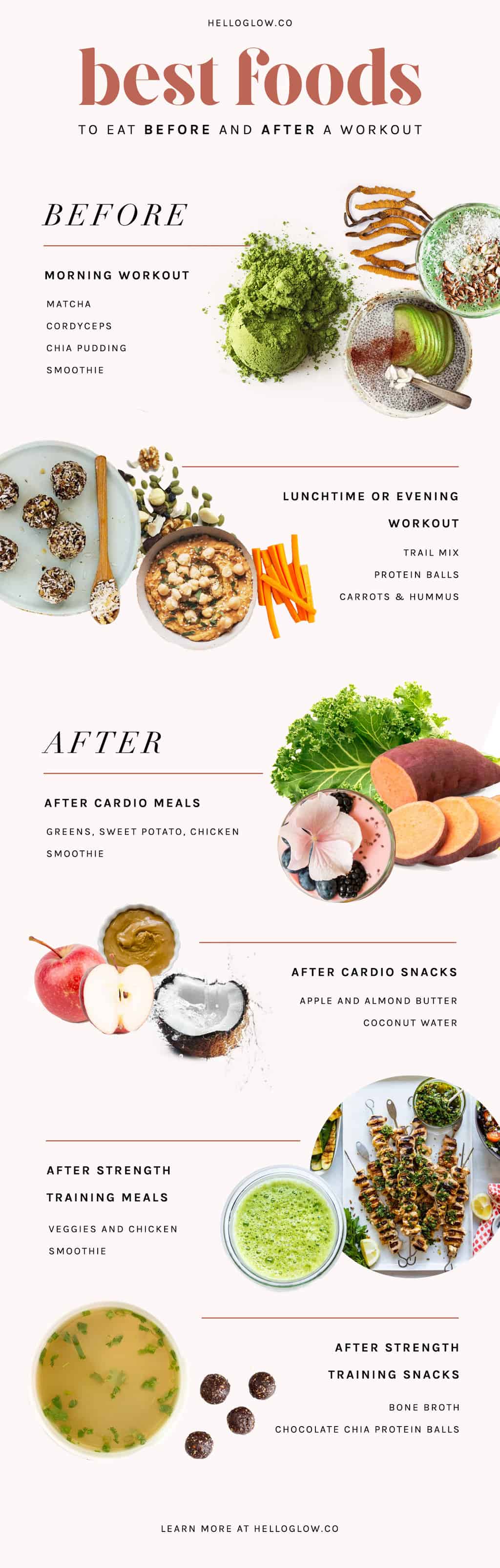
Credit: helloglow.co
Pre-workout Nutrition Timing
Timing your food intake before a workout plays a key role in your performance. Eating at the right moment helps fuel your body and keeps energy steady. It also supports better focus and stamina during exercise. Understanding when to eat and what to choose makes a big difference.
Ideal Eating Window
Eat your meal 1 to 3 hours before exercising. This gives your body time to digest food. It reduces discomfort and avoids feeling heavy. Small snacks can be eaten 30 to 60 minutes prior. This timing keeps energy available without causing bloating.
Effects On Energy Levels
Eating too early may leave you low on energy. Eating too late may cause stomach upset. The right timing keeps blood sugar stable. It prevents fatigue and improves workout intensity. Proper nutrition timing supports endurance and strength.
Types Of Foods To Choose
Pick foods rich in carbohydrates and moderate in protein. Carbs provide quick energy. Protein helps muscle support. Avoid high-fat and high-fiber foods before workouts. They slow digestion and cause discomfort.
- Oatmeal with banana
- Greek yogurt and berries
- Whole grain toast with peanut butter
- Rice and lean chicken
- Fruit smoothie with protein powder
Post-workout Meal Timing
Timing your post-workout meal can significantly impact how your body recovers and builds muscle. Eating too late might slow down recovery, while eating too soon without the right nutrients may not give you the best results. Understanding when and what to eat after exercise helps you maximize your efforts and feel better faster.
Optimal Recovery Period
Your body is like a sponge right after a workout, ready to soak up nutrients to repair muscles and restore energy. The first 30 to 60 minutes after exercise is often called the “anabolic window,” a prime time to fuel your body.
Eating during this period can jumpstart muscle recovery and reduce soreness. But don’t stress if you miss this window; eating within two hours post-workout still offers benefits.
Nutrient Absorption
After exercise, your body’s ability to absorb nutrients improves, especially carbohydrates and protein. Carbs help refill your depleted energy stores, while protein provides the building blocks for muscle repair.
Choosing easily digestible foods helps your body absorb these nutrients quickly. Think of foods like yogurt, smoothies, or a banana with peanut butter—they are gentle on your stomach and fast-acting.
Foods For Muscle Repair
Focus on foods rich in high-quality protein and healthy carbs to support muscle repair. Chicken breast, eggs, cottage cheese, and fish provide essential amino acids for rebuilding muscle fibers.
Adding some complex carbohydrates like sweet potatoes, quinoa, or brown rice helps replenish glycogen stores. Don’t forget a bit of healthy fat, such as avocado or nuts, to help with inflammation and overall recovery.
What’s your go-to post-workout meal? Experiment with different foods and timing to find what makes you feel strongest and most energized.
Impact Of Meal Size On Performance
Meal size can greatly influence workout performance. Eating too much can cause discomfort and sluggishness. Eating too little may not provide enough energy for exercise. Finding the right meal size helps you train better and recover faster.
Large Vs Small Meals
Large meals take longer to digest. They can make you feel heavy and slow during workouts. Small meals or snacks provide quicker energy and are easier on your stomach. Choose meal size based on workout intensity and timing. For intense sessions, a small meal 1-2 hours before exercise works well. Large meals are better 3-4 hours before activity.
Balancing Macronutrients
A balanced meal supports energy and muscle function. Carbohydrates fuel your muscles quickly. Proteins help repair and build muscle tissue. Fats provide longer-lasting energy but digest slowly. A moderate amount of all three macronutrients ensures steady energy. Adjust portion sizes to match meal timing and workout type.
Hydration Considerations
Water affects digestion and performance. Large meals need more fluids to digest properly. Drinking too much water before exercise can cause cramps. Small sips of water during and after workouts keep you hydrated. Aim to drink fluids evenly throughout the day for best results.

Credit: x.com
Individual Factors To Consider
Deciding the best time to eat around your workout is not a one-size-fits-all situation. Several personal factors influence how your body responds to food before and after exercise. Paying attention to these details can boost your energy, improve recovery, and make workouts more enjoyable.
Workout Intensity And Duration
Your eating schedule should match how hard and how long you plan to exercise. For short, low-intensity workouts, a small snack or no food beforehand might be enough. But if you’re doing a long or intense session, fueling up with a balanced meal 1-2 hours before can prevent fatigue.
After a tough workout, your body needs more nutrients to recover. Think about protein and carbs to help rebuild muscles and restore energy. What kind of workout are you doing today, and how might your food choices support it?
Personal Metabolism
Everyone’s metabolism works differently. Some people burn energy quickly and need to eat closer to workout time to keep performance high. Others digest food slowly and prefer a longer gap between eating and exercise to avoid feeling sluggish.
Listen to your body’s signals. If you notice feeling heavy or tired after eating, try adjusting the timing or the type of food you eat. Have you tried tracking how different meal timings affect your energy levels?
Digestive Comfort
Your stomach’s comfort plays a big role in when and what you eat around workouts. Eating too much or the wrong kind of food before exercising can cause cramps, bloating, or nausea. Choose easily digestible foods if you plan to eat shortly before moving.
After your workout, focus on foods that soothe rather than upset your digestion. Hydration also matters — drinking water before, during, and after helps your system handle the stress of exercise better. What foods leave you feeling best when you work out?
Common Mistakes To Avoid
Understanding the best time to eat around your workout is important, but avoiding common mistakes can make an even bigger difference. Many people unknowingly sabotage their energy levels, recovery, and overall performance by making simple errors with their pre- and post-exercise nutrition.
Have you ever felt sluggish during a workout or bloated afterward? These issues often come from missteps that are easy to fix once you know what to watch for.
Skipping Meals
Skipping meals before a workout can leave you low on energy and make your muscles feel weak. Your body needs fuel to perform, so going into exercise without eating can reduce your strength and endurance.
If you’re pressed for time, try a small snack like a banana or yogurt 30-60 minutes before exercising. This quick energy boost can help you push through your session without feeling drained.
Overeating Before Exercise
Eating too much right before working out can cause discomfort, cramping, and sluggishness. Heavy meals take time to digest, and exercising on a full stomach can slow you down.
Instead of large portions, aim for balanced, moderate-sized meals with carbs and protein at least 1-2 hours before your workout. This gives your body time to digest and converts food into usable energy.
Ignoring Hydration
Many overlook hydration as part of their workout nutrition plan. Dehydration can lead to fatigue, reduced focus, and muscle cramps, even if you’ve eaten well.
Drink water consistently throughout the day and sip fluids before, during, and after exercise. If your workout lasts more than an hour, consider electrolyte drinks to replace lost salts.
Sample Meal Plans
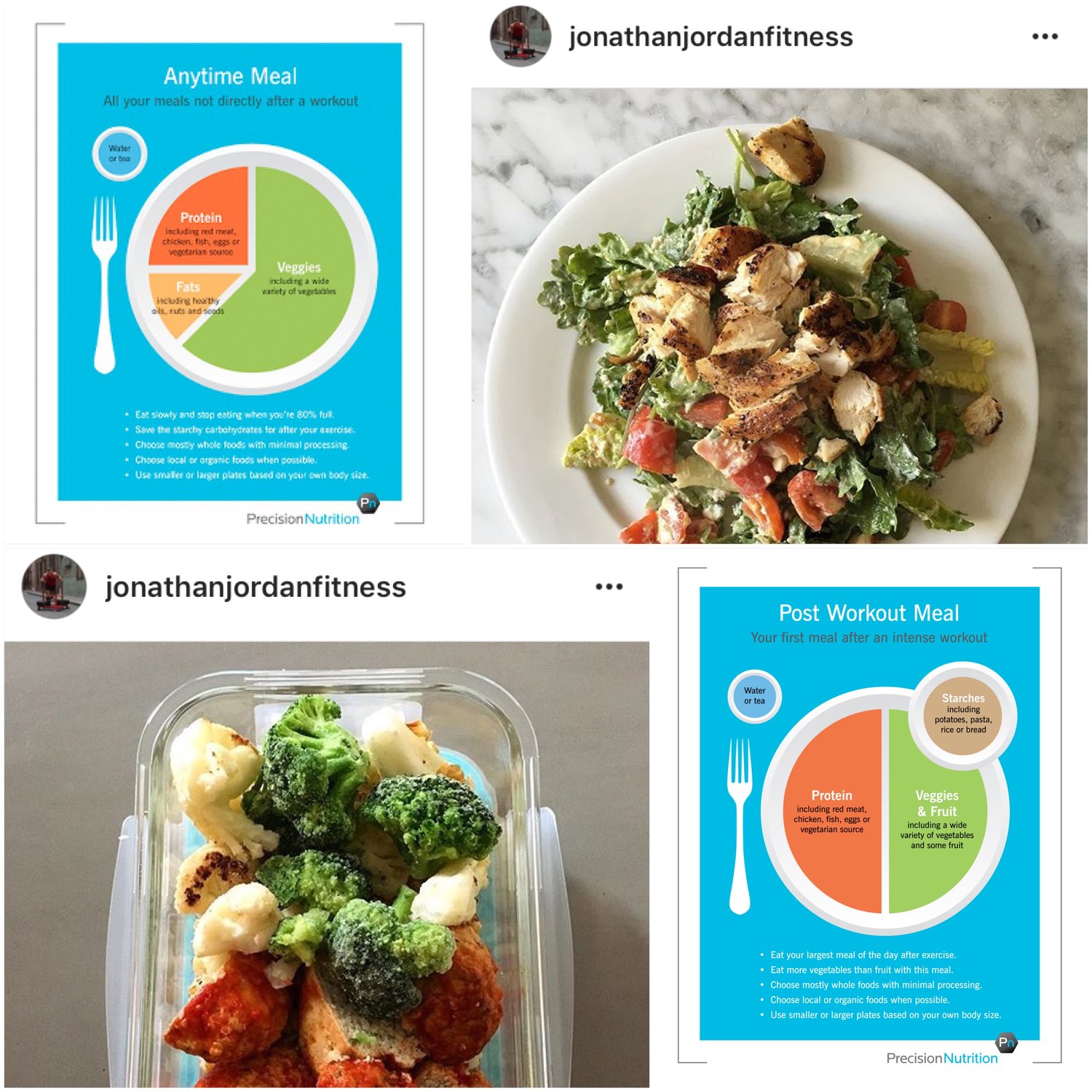
Eating the right foods before and after workouts helps your body perform and recover well. Sample meal plans guide what to eat to fuel energy and rebuild muscles. These plans suit different times and dietary needs. Simple meals and snacks keep your routine easy and effective.
Pre-workout Snacks
- Banana with peanut butter for quick energy
- Greek yogurt with honey and berries for protein and carbs
- Whole grain toast with almond butter for steady fuel
- Apple slices with a small handful of nuts for light energy
- Oatmeal with a few raisins for slow-release energy
Post-workout Meals
| Meal | Main Ingredients | Benefits |
|---|---|---|
| Grilled chicken with quinoa and steamed vegetables | Chicken, quinoa, broccoli, carrots | Protein rebuilds muscles, carbs restore energy |
| Salmon with sweet potato and green beans | Salmon, sweet potato, green beans | Omega-3 fats reduce inflammation, carbs refuel |
| Egg scramble with spinach and whole grain toast | Eggs, spinach, whole grain bread | Protein and fiber support recovery and digestion |
Vegetarian And Vegan Options
- Chickpea salad with avocado and mixed greens
- Tofu stir-fry with brown rice and vegetables
- Lentil soup with whole grain bread
- Peanut butter and banana smoothie with almond milk
- Quinoa bowl with black beans, corn, and salsa
Credit: visapoint.travel
Frequently Asked Questions
What Is The Best Time To Eat Before A Workout?
Eat a balanced meal 1. 5 to 3 hours before exercising. This timing fuels your body and prevents discomfort during workouts.
Can I Eat Immediately After My Workout?
Yes, eating within 30 to 60 minutes post-workout aids muscle recovery and replenishes energy stores effectively.
What Foods Are Ideal Before Exercising?
Choose easily digestible carbs with moderate protein, like a banana with peanut butter or yogurt with fruit, for sustained energy.
Should I Avoid Heavy Meals Before Workouts?
Avoid heavy or fatty meals before exercise to prevent sluggishness and digestive discomfort during your workout session.
Conclusion
Choosing the right time to eat helps your body perform better. Eating before a workout gives you energy to move. Eating after helps your muscles recover and grow. Small meals or snacks work best around workouts. Drink water to stay hydrated during exercise.
Everyone’s body is different; listen to what feels right. Try different times and foods to find your best routine. Good timing and food choices make your workouts more effective. Keep it simple, stay consistent, and enjoy the results.







