
Starting at the gym can feel overwhelming. You might wonder where to begin, what exercises to do, or how to avoid common mistakes.
This guide is made just for you. It breaks down everything you need to know in simple steps. By the end, you’ll feel confident walking into the gym and ready to take control of your fitness. Keep reading to discover how easy and rewarding your gym journey can be.
Setting Realistic Goals
Setting realistic goals is essential when you start your gym journey. Without clear, achievable targets, it’s easy to lose motivation or push yourself too hard. Your goals should guide your workouts and give you a sense of accomplishment as you progress.
Short-term Vs Long-term Goals
Short-term goals keep you focused day-to-day and week-to-week. They can be as simple as completing three workouts a week or increasing your squat weight by 5 pounds in a month.
Long-term goals, like running a 5K or losing 20 pounds, take months or even years to achieve. They provide a bigger picture and help you stay committed when progress feels slow.
Think about what you want to achieve in the next month versus the next year. What small win can you celebrate this week that brings you closer to your bigger dream?
Tracking Progress
Keeping track of your progress is a powerful motivator. Use a journal, an app, or even a simple spreadsheet to record workouts, weights, reps, and how you feel after each session.
Reviewing your progress regularly can reveal patterns and show improvements you might miss day-to-day. It also helps you identify when to push harder or when to rest.
Have you ever noticed how much stronger you get after just a few weeks? Tracking lets you see those gains clearly, making your effort feel worthwhile.
Adjusting Goals Over Time
Goals aren’t set in stone—they should evolve as you do. If a goal feels too easy or too hard, don’t hesitate to tweak it.
Maybe you planned to lose 10 pounds in a month but only lost 3. Instead of quitting, adjust your timeline or change your approach.
How often do you check in with yourself to see if your goals still fit your lifestyle and progress? Flexibility keeps your gym routine sustainable and enjoyable.
Credit: www.gofit-gym.com
Choosing The Right Workout Plan
Choosing a workout plan that matches your fitness level helps build confidence and avoid injury. Focus on simple exercises that improve strength and endurance gradually. Consistency matters more than intensity at the start.
Choosing the right workout plan can feel daunting for beginners. A well-structured plan guides your gym journey, ensuring you stay motivated. It helps target your fitness goals effectively. Let’s dive into key aspects of selecting the perfect workout plan.Types Of Exercises
Exercises fall into different categories. Each offers unique benefits. Strength training builds muscle and boosts metabolism. Cardio improves heart health and aids weight loss. Flexibility exercises enhance range of motion. Understanding these types helps in creating a balanced routine.Balancing Cardio And Strength
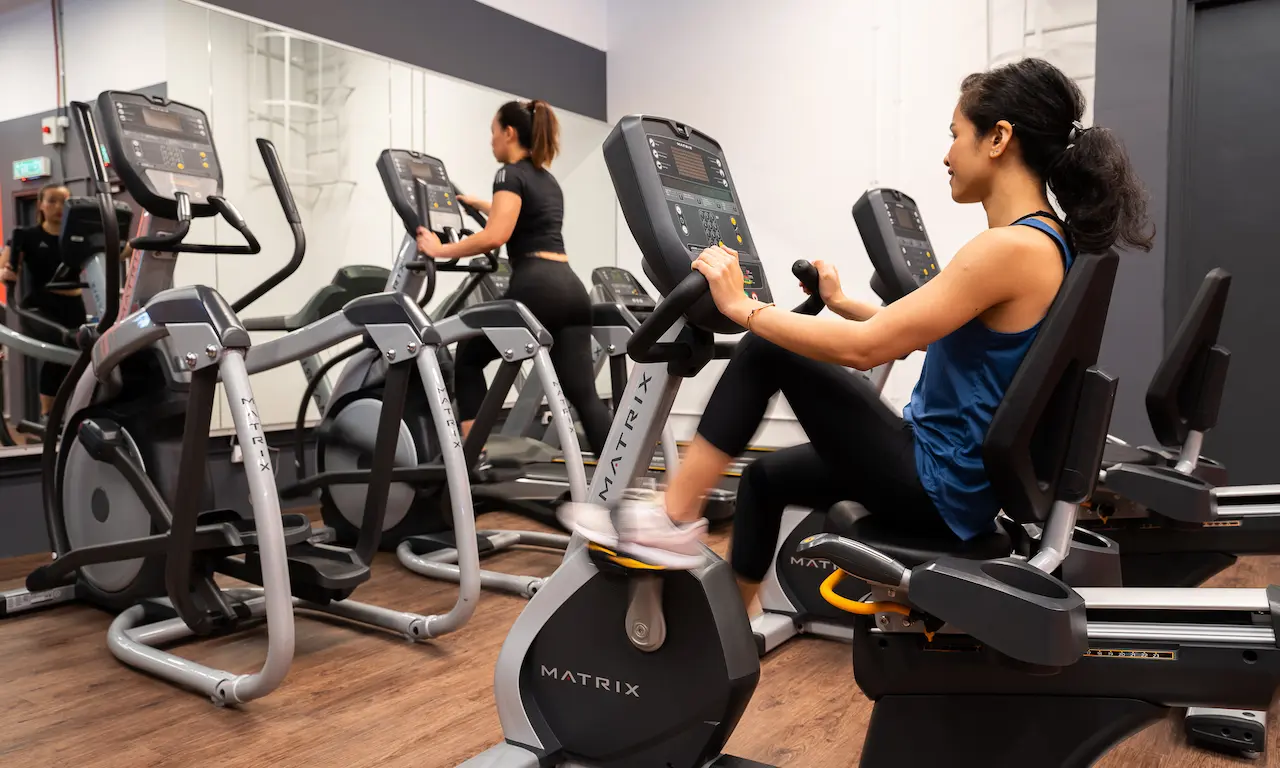
Balance is crucial for overall fitness. Cardio exercises burn calories and increase stamina. Strength training builds muscle and strengthens bones. A balanced plan combines both, maximizing benefits. Aim for at least two strength sessions weekly. Pair them with three cardio sessions for optimal results.Sample Beginner Routines
Starting with a simple routine is wise. Here’s a sample weekly plan:- Monday:30-minute brisk walk; 20 minutes of light strength training
- Wednesday:40-minute cycling; 15 minutes of stretching exercises
- Friday:30-minute jog; 20 minutes of bodyweight exercises
Mastering Proper Form
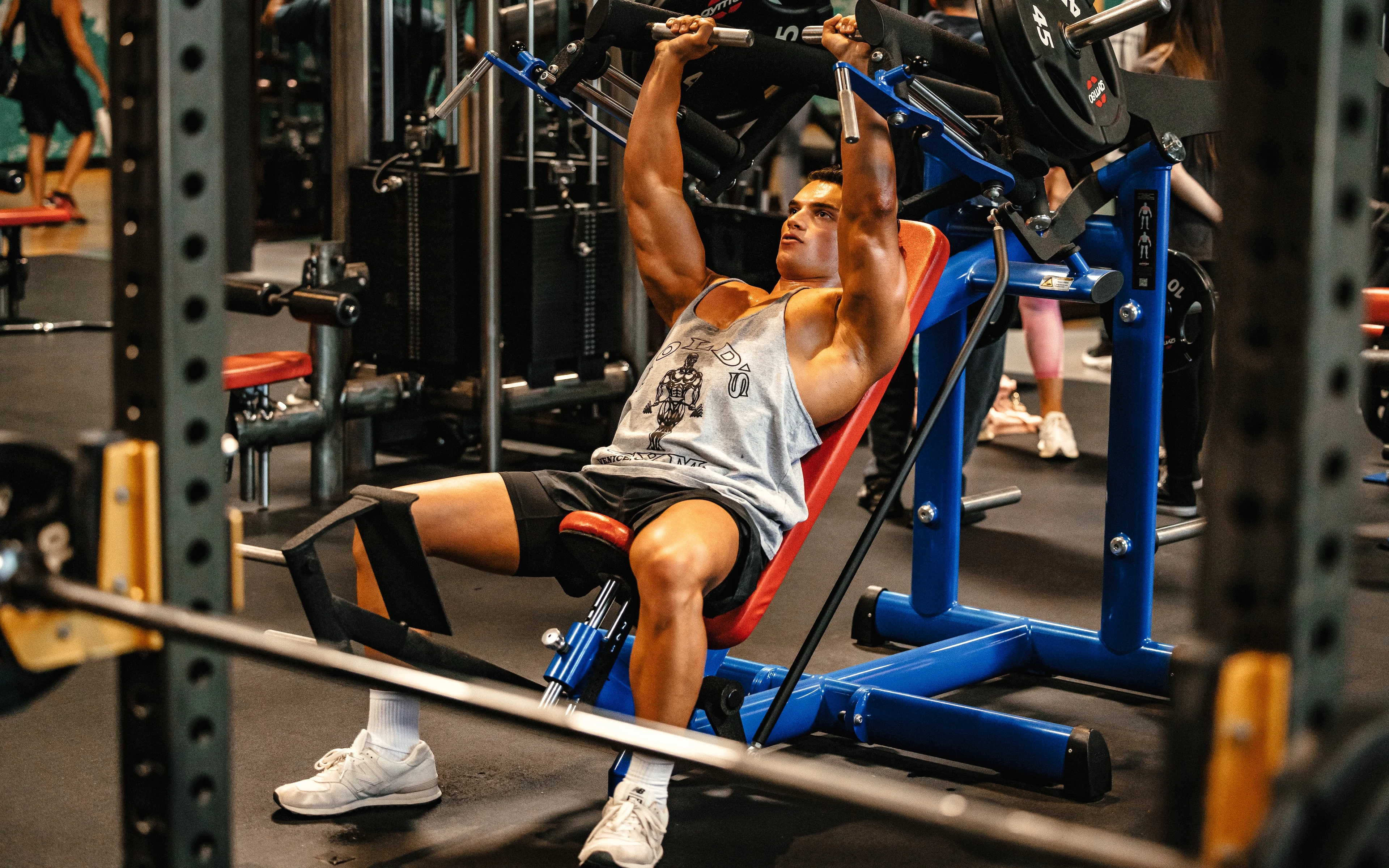
Mastering proper form is key to making your gym workouts effective and safe. Without it, you risk injury and reduce the benefits of your exercises. Focusing on the right technique helps you target muscles correctly and build strength faster.
Common Mistakes To Avoid
Many beginners rush through exercises, sacrificing form for speed or weight. This often leads to rounded backs during squats or locked elbows during push-ups. Avoid swinging weights or using momentum to lift; it reduces the exercise’s impact and increases injury risk.
Another mistake is neglecting core engagement. Your core stabilizes your body in almost every move, so keeping it tight protects your spine. Ask yourself: am I controlling the movement, or just going through the motions?
Using Mirrors And Trainers
Mirrors are your best friends for checking alignment and posture during exercises. Watch yourself closely to spot any unnatural twists or uneven movements. However, don’t rely solely on mirrors—they can sometimes trick your perspective.
Working with a trainer, even briefly, can accelerate your learning curve. Trainers spot subtle form errors and offer personalized tips you might miss on your own. If hiring a trainer isn’t an option, record yourself doing exercises and compare against reliable tutorials.
Safety Tips
- Warm up properly before lifting weights to prepare your muscles and joints.
- Start with lighter weights until you perfect your form, then gradually increase.
- Use controlled movements; avoid jerking or bouncing during lifts.
- Listen to your body—sharp pain is a warning, not a challenge to push harder.
- Stay hydrated and take breaks to prevent fatigue-related mistakes.
Have you ever ignored form to lift heavier and ended up with soreness or injury? Taking the time to master proper form saves you from setbacks and keeps your progress steady. How will you check your form during your next gym session?
Credit: www.goldsgym.com
Nutrition Basics For Gym Success
Nutrition plays a crucial role in how well you perform at the gym and how quickly you recover afterward. What you eat before and after your workouts can either boost your energy or leave you feeling drained. Understanding the basics of gym nutrition helps you make smarter choices that support your fitness goals.
Pre-workout Meals
Eating the right foods before you exercise fuels your body and improves your performance. Aim to eat a balanced meal 1 to 2 hours before hitting the gym. This meal should include:
- Complex carbohydrateslike oatmeal, brown rice, or whole grain bread to provide steady energy
- Lean proteinsuch as chicken, turkey, or Greek yogurt to support muscle function
- Healthy fatsin small amounts, for example, a few nuts or avocado slices
If you’re short on time, a small snack like a banana with peanut butter 30 minutes before working out can help maintain energy levels. Have you noticed how skipping this step affects your stamina?
Post-workout Recovery Foods
Your body needs fuel to repair muscles and replenish energy after exercise. Eating within 30 to 60 minutes post-workout is ideal. Focus on foods rich in:
- Proteinto rebuild muscle fibers — options include eggs, protein shakes, or lean meats
- Carbohydrateslike sweet potatoes, quinoa, or fruit to restore glycogen stores
- Fluids and electrolytesto replace what you lost through sweat
I once underestimated this and found my muscles sore and recovery slow. Adjusting my post-workout meals made a huge difference in how quickly I bounced back. What recovery food makes you feel best after training?
Hydration Tips
Staying hydrated is often overlooked but is essential for gym success. Water helps regulate your body temperature and keeps your joints lubricated. Drink water throughout the day, not just during your workout.
- Start hydrating early, aiming for 16-20 ounces about two hours before exercise
- Keep sipping water during your workout—about 7-10 ounces every 10-20 minutes
- After training, drink enough to replace lost fluids; weigh yourself before and after to estimate how much you sweated
If your workouts last longer than an hour or are very intense, consider drinks with electrolytes. How do you track your hydration to stay at your best?
Building Consistency
Building consistency is the key to turning your gym visits into lasting habits. Without it, even the best workout plans can fall apart quickly. The challenge is not just showing up once or twice but making exercise a regular part of your lifestyle.
Creating A Schedule
Set specific days and times for your workouts, just like any important appointment. This helps you avoid the “I’ll get to it later” trap. Think about your daily routine and find slots that feel natural and doable.
Start small—two or three days a week—and increase as you feel comfortable. Write your schedule down or use a calendar app to remind you. Consistency grows when your gym time becomes a non-negotiable part of your day.
Staying Motivated
Motivation can be unpredictable. Instead of relying on feeling pumped every day, focus on small wins like completing your workout or improving your form. Celebrate these moments—they build momentum.
Find a workout buddy or join a class to add accountability. Share your goals with friends or on social media to reinforce your commitment. Ask yourself: What’s one reason you started going to the gym? Keep that reason in front of you.
Overcoming Plateaus
Hitting a plateau can feel frustrating, but it’s a normal part of progress. When your body adapts, results slow down. Changing your routine, adding new exercises, or increasing weights can push you past this hurdle.
Track your workouts to spot patterns and identify what’s no longer challenging you. Sometimes rest and recovery are what you need most to break through. Remember, consistency doesn’t mean doing the same thing every day; it means showing up and adjusting as you go.

Credit: www.amazon.com
Essential Gym Etiquette
Understanding gym etiquette is crucial for creating a positive workout environment for everyone. It shows respect for others and helps maintain a clean, safe, and efficient space. Paying attention to simple habits can make your gym experience and those around you much better.
Sharing Equipment
You won’t always have equipment to yourself, especially during busy hours. If someone is waiting, limit your time on machines or benches to 15-20 minutes. Avoid using multiple pieces of equipment at once if others need them.
Think about how you feel when you’re waiting—would you appreciate a quick workout or a long hold? Offering to “work in” by alternating sets with someone is a great way to share and keep your session effective.
Cleaning Up
Leaving sweat on machines or weights is both unpleasant and unhygienic. Always carry a towel and wipe down equipment after use, even if the gym provides disinfectant sprays. This small act shows consideration and helps prevent the spread of germs.
Have you noticed how clean spaces make you want to stay longer and work harder? Your simple effort to clean can make a big difference for everyone’s comfort and health.
Respecting Others’ Space
Gyms can get crowded, but personal space matters. Avoid standing too close or interrupting someone’s workout, especially during heavy lifts or intense cardio. Give people enough room to move safely and focus.
Have you ever felt distracted because someone was too close or chatty? Respecting space helps maintain concentration and reduces the risk of accidents. Always be aware of your surroundings and adjust your position if needed.
Tracking And Celebrating Progress
Tracking your progress at the gym is essential for staying motivated and understanding how far you’ve come. Without clear records, it’s easy to lose sight of your achievements. Celebrating these wins, no matter how small, fuels your commitment and keeps your workouts exciting.
Using Fitness Apps
Fitness apps can be your best friend in monitoring workouts and improvements. They let you log exercises, weights, reps, and even rest times. Some apps offer visual graphs, showing your strength gains or weight loss over weeks or months.
Try apps like MyFitnessPal for nutrition tracking or Strong for workout logs. They send reminders and encourage consistency, which helps build a habit. Have you ever noticed how seeing your progress on your phone pushes you to hit just one more rep?
Taking Measurements
Numbers on the scale don’t tell the whole story. Taking body measurements—like waist, hips, chest, and arms—provides a clearer picture of your physical changes. Measure once a month under the same conditions to track muscle growth or fat loss.
Write these numbers down or keep a spreadsheet. You might find your clothes fit better even when the scale stays the same. This kind of evidence can be incredibly motivating when your body changes aren’t obvious day-to-day.
Rewarding Milestones
Recognize your hard work by setting rewards for milestones. Did you complete your first month of consistent workouts? Treat yourself to new workout gear or a massage. Rewards don’t have to be big, but they should feel meaningful to you.
Celebrations create positive reinforcement and make the process more enjoyable. What small reward could you give yourself today to mark your progress?
Frequently Asked Questions
What Should Beginners Know Before Starting Gym Workouts?
Beginners should understand basic gym equipment and proper form. Start with light weights to avoid injury. Consistency and a balanced diet help achieve results faster.
How Often Should Beginners Go To The Gym Weekly?
Beginners should aim for 3 to 4 gym sessions per week. This frequency allows proper muscle recovery and gradual strength building without burnout.
What Are The Best Exercises For Gym Beginners?
Focus on compound exercises like squats, push-ups, and deadlifts. These target multiple muscle groups and build overall strength efficiently.
How Important Is Warm-up Before Gym Workouts?
Warm-ups increase blood flow and reduce injury risk. A 5-10 minute warm-up with light cardio and stretching prepares muscles for exercise.
Conclusion
Starting at the gym can feel hard but gets easier with time. Keep your goals clear and take small steps daily. Focus on form and listen to your body. Rest days help muscles grow and prevent injury. Enjoy the process and celebrate each success.
Consistency beats quick fixes every time. Stay patient and keep moving forward. Your health and strength will improve gradually. The gym becomes a good habit, not a chore. Just keep going—you’re building a better you.







