
Starting at the gym can feel overwhelming. You might wonder where to begin, what exercises to try, or how to stay motivated.
But here’s the good news: you don’t have to figure it all out alone. This guide is designed just for you—breaking down everything into simple steps that anyone can follow. By the end, you’ll feel confident walking into the gym and ready to make real progress toward your fitness goals.
Ready to discover how easy and rewarding your gym journey can be? Let’s dive in.
Choosing The Right Gym
Choosing the right gym can make or break your fitness journey. It’s not just about picking a place with weights and machines. You need a gym that fits your lifestyle, budget, and workout preferences to stay motivated and consistent.
Location And Accessibility
How far are you willing to travel for your workouts? A gym close to your home or workplace increases the chances you’ll show up regularly. Think about traffic, parking, and public transport options—these small factors add up.
Imagine driving 30 minutes each way and skipping sessions because of time. Wouldn’t a gym within a 10-minute walk make it easier to keep your routine? Accessibility also includes gym hours—choose one open when you’re free to train.
Facilities And Equipment
Not all gyms offer the same facilities or equipment. Check if they have the gear you need, like free weights, machines, or cardio options. If you’re into classes like yoga or spinning, see if those are available.
Some gyms provide extras like saunas, swimming pools, or personal trainers. These can enhance your experience but might also increase costs. What facilities matter most to you? Make a list before visiting to compare.
Membership Options And Costs
Membership fees vary widely, and sometimes the cheapest isn’t the best deal. Look closely at what’s included—some gyms charge extra for classes or access to certain areas. Ask if there are initiation fees, cancellation policies, or discounts for longer commitments.
| Membership Type | Typical Cost | Pros | Cons |
|---|---|---|---|
| Monthly | $30 – $60 | Flexibility, no long-term commitment | Higher monthly cost |
| Annual | $300 – $600 | Lower cost per month | Long-term commitment |
| Pay-per-visit | $5 – $15 per visit | No contract, pay only when you go | Can get expensive if frequent |
Think about how often you’ll realistically attend. Would a pay-per-visit plan save you money, or would a monthly membership push you to go more often? Understanding your habits helps you pick the best option.
Setting Realistic Goals
Setting goals that match your current fitness level helps keep motivation strong and avoids frustration. Small, clear targets make progress easier to track and celebrate. Realistic goals build confidence and create lasting gym habits.
Setting realistic goals is a cornerstone of any successful gym journey. Without a clear plan, it’s easy to lose focus and motivation. As a beginner, understanding how to set goals that are achievable can make all the difference. Your goals should be specific, measurable, and tailored to your personal fitness level and lifestyle. It’s about setting a roadmap that guides you through your fitness journey without overwhelming you. But what does it really mean to set realistic goals?Short-term Vs Long-term Goals
Short-term goals are the stepping stones to your long-term vision. They might include hitting the gym three times a week or mastering a new exercise. These are immediate targets that can be achieved in a few weeks or months. Long-term goals are your ultimate fitness ambitions, like running a marathon or losing a significant amount of weight. They require dedication and consistency over time. Having both types of goals helps maintain balance and keeps you motivated. Short-term wins can boost your confidence and propel you toward long-term success.Tracking Progress
Tracking progress is essential for staying on course. Use a fitness journal or an app to log your workouts, diet, and other relevant activities. It provides a visual representation of your progress and highlights areas for improvement. Regular check-ins, like weekly weigh-ins or monthly measurements, can help you stay accountable. Seeing the numbers change can be incredibly motivating and affirm that your efforts are paying off. Ask yourself: Are you moving closer to your goals, or do you need to adjust your approach?Staying Motivated
Staying motivated is often the toughest part of any fitness journey. Surround yourself with supportive friends or a gym buddy who shares similar goals. Their encouragement can be a powerful motivator. Celebrate small victories along the way. Whether it’s lifting a heavier weight or completing an extra set, acknowledging your achievements can boost your morale. Consider what initially inspired you to start your fitness journey. Reconnecting with your ‘why’ can reignite your passion and drive. Are you ready to keep pushing forward?Essential Gym Gear
Starting at the gym requires the right gear to stay comfortable and safe. Essential gym gear helps improve your workout and keeps you motivated. Choosing simple, effective items avoids distractions and supports progress. Below are key gear categories that every beginner should consider.
Clothing And Footwear
Wear clothes that fit well and allow movement. Breathable fabrics like cotton or moisture-wicking materials keep sweat away. Avoid tight or heavy clothing that limits motion or causes discomfort.
- Comfortable T-shirts or tank tops
- Flexible shorts or leggings
- Proper sports socks to prevent blisters
- Supportive athletic shoes designed for your workout type
Shoes with good grip and cushioning protect your feet and joints. Replace old shoes regularly to avoid injury.
Accessories And Gadgets
Simple accessories can make workouts easier and safer. A good gym bag organizes your items and keeps them clean. Gloves protect your hands during weight lifting and reduce slipping.
- Water bottle for hydration
- Workout gloves for grip and comfort
- Fitness tracker or smartwatch to monitor activity
- Headphones for music or podcasts
Use gadgets to track progress and stay motivated. Avoid carrying too many items to keep your gym bag light.
Hydration And Nutrition
Water is vital during exercise. Drink small amounts often to stay hydrated and keep energy up. Carry a reusable water bottle for easy access.
Nutrition supports recovery and performance. Eat a balanced meal or snack with protein and carbs before and after workouts. Avoid heavy meals right before exercising.
- Reusable water bottle
- Healthy snacks like nuts, fruits, or protein bars
- Electrolyte drinks for intense sessions
Plan hydration and nutrition to feel strong and energized throughout your gym time.

Credit: www.amazon.com
Basic Workout Routines
Starting a gym routine can feel confusing. Basic workout routines help build a strong foundation. They improve fitness, health, and confidence. Focus on simple exercises to stay consistent and avoid injury.
Cardio Exercises
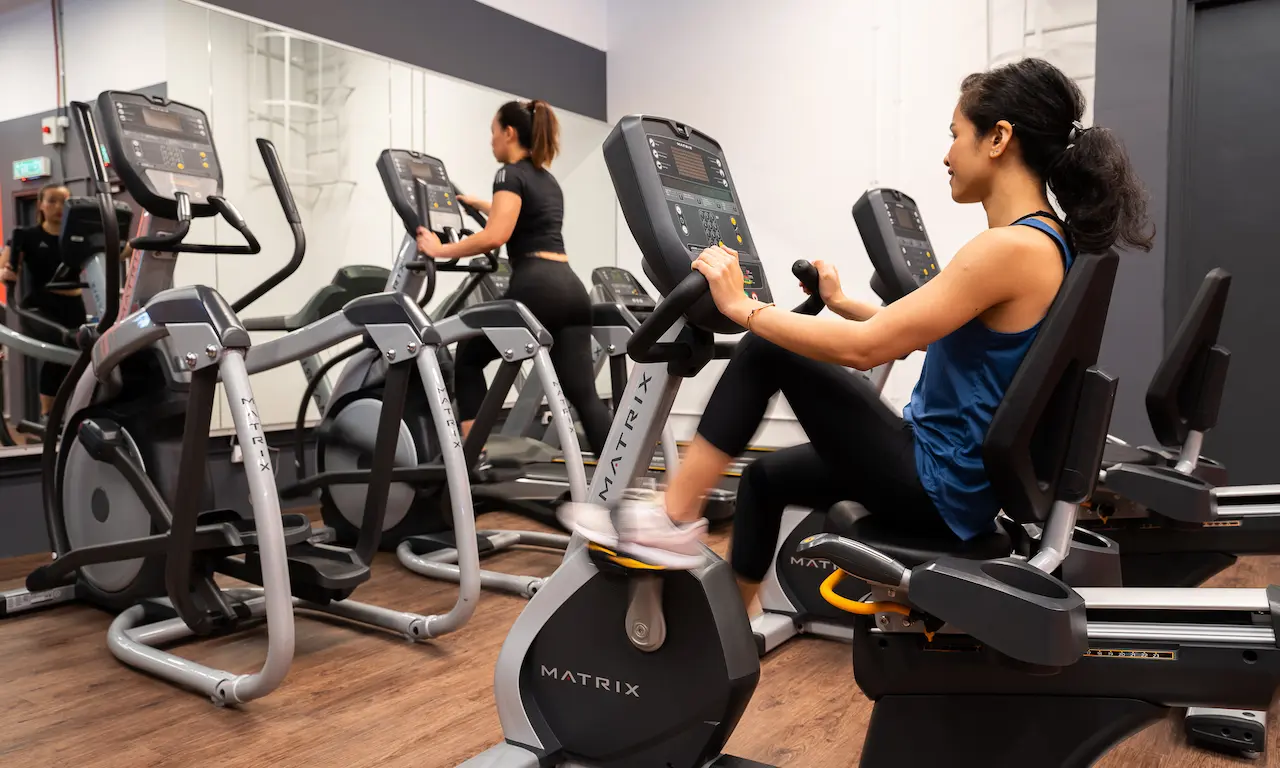
Cardio workouts boost heart health and burn calories. Start with easy activities like walking or cycling. Aim for 20 to 30 minutes each session. Try these options:
- Brisk walking on a treadmill
- Stationary bike cycling
- Jump rope for short bursts
- Elliptical machine at a steady pace
Keep a pace where talking feels a little hard but not impossible. Gradually increase time and intensity for better results.
Strength Training Basics
Strength training builds muscle and strengthens bones. Use bodyweight exercises or light weights at first. Focus on form and control to prevent injuries. Key exercises include:
- Squats to work legs and core
- Push-ups for chest and arms
- Dumbbell rows for back muscles
- Planks to strengthen the core
Perform 2 to 3 sets of 8 to 12 repetitions. Rest between sets. Increase weight or reps as strength improves.
Flexibility And Mobility
Flexibility and mobility keep joints healthy and reduce soreness. Stretch major muscle groups after workouts. Hold each stretch for 15 to 30 seconds. Examples include:
- Hamstring stretch
- Shoulder stretch
- Hip flexor stretch
- Neck tilt
Include gentle mobility exercises like arm circles and leg swings. These improve movement range and help prevent stiffness.
Proper Form And Technique
Proper form and technique are key to safe and effective workouts. Using correct movements helps avoid injuries and improves results. Paying attention to how you lift, move, or stretch benefits your whole body. It also builds strength evenly and prevents muscle imbalances.
Learning proper form takes time and focus. Beginners should start with light weights or just body weight. This practice builds good habits before adding more challenge. Watching videos, asking trainers, or using mirrors helps check your technique.
Common Mistakes To Avoid
- Rounding your back during lifts strains your spine.
- Locking joints fully can cause damage over time.
- Using momentum instead of muscle control reduces workout quality.
- Holding your breath increases blood pressure unnecessarily.
- Going too fast sacrifices form and raises injury risk.
- Ignoring pain signals may worsen hidden injuries.
Using Machines Vs Free Weights
Machines guide your movements and help beginners stay safe. They support your body and reduce balance challenges. Machines target specific muscles and limit wrong form.
Free weights need more control and balance. They work many muscles at once, improving coordination. Free weights allow natural movement and more variety.
Both have benefits. Start with machines to learn form. Gradually add free weights to increase strength and flexibility.
Importance Of Warm-up And Cool-down
Warming up prepares your muscles and heart for exercise. It raises body temperature and increases blood flow. Warm-up reduces injury risk and improves performance.
Cooling down helps your body return to rest. It lowers heart rate slowly and relaxes muscles. Stretching after exercise reduces soreness and stiffness.
Simple warm-ups include walking or light jogging. Cool-downs can be slow walking and gentle stretches. Never skip these steps for a safe workout.
Credit: www.gofit-gym.com
Nutrition For Fast Results
Nutrition plays a huge role in how quickly you see results at the gym. Eating the right foods fuels your workouts and helps your body recover faster. If you want to speed up your progress, paying attention to what and when you eat is just as important as your exercise routine.
Macronutrients And Micronutrients
Your body needs macronutrients—proteins, carbohydrates, and fats—in the right amounts to build muscle and burn fat. Protein repairs and grows muscle, carbs give you energy, and healthy fats support hormone production.
Micronutrients like vitamins and minerals might seem small, but they’re vital for energy production and muscle function. Think of iron, calcium, and vitamin D as the hidden helpers behind your strength gains. Skipping these can slow down your progress without you even realizing it.
Meal Timing And Frequency
When you eat can be just as important as what you eat. Eating a balanced meal 1-2 hours before your workout can boost your energy levels. After training, your body needs protein and carbs quickly to start muscle repair.
Some people do well with three larger meals, while others see better results eating smaller meals more often. What’s your current eating pattern? Try adjusting your meal times and notice if your energy and recovery improve.
Supplements To Consider
Supplements can help fill gaps in your diet but aren’t magic pills. Whey protein is a popular choice because it’s an easy way to get more protein without extra cooking. Creatine can boost your strength and power during workouts.
Don’t overlook simple supplements like a daily multivitamin or omega-3 fish oil, especially if you don’t eat a lot of fruits, vegetables, or fatty fish. Remember, supplements support your diet—they don’t replace real food.
Rest And Recovery
Rest and recovery are often overlooked by beginners eager to see quick results in the gym. However, without proper rest, your muscles can’t repair, and your progress stalls. Paying attention to recovery helps you stay consistent and avoid burnout.
Sleep Importance
Sleep is your body’s natural repair time. During deep sleep, your muscles rebuild stronger and your energy stores refill.
If you skip sleep, your workouts feel harder, and your risk of injury rises. Aim for 7-9 hours every night to support muscle growth and mental focus.
Ever noticed how a bad night’s sleep makes even light exercise exhausting? That’s your body signaling it needs more rest.
Active Recovery Strategies
Rest doesn’t always mean doing nothing. Light activities like walking, gentle yoga, or stretching can speed up muscle recovery.
These activities increase blood flow and reduce stiffness without adding stress to your body.
Try adding a 20-minute walk on your rest days. It can make your next workout feel easier and keep you motivated.
Preventing Injuries
Injuries stop progress and can keep you out of the gym for weeks. Listening to your body is key to prevention.
Warm up properly, use correct form, and don’t push through sharp pain. These simple habits protect your joints and muscles.
Remember, rest days are not lazy days—they’re essential for keeping you injury-free and ready to hit the gym stronger.

Credit: www.amazon.com
Staying Consistent
Staying consistent at the gym is one of the biggest challenges you’ll face as a beginner. It’s not just about showing up; it’s about making your workouts part of your lifestyle. Without consistency, progress stalls, motivation dips, and your goals feel out of reach.
Building A Routine
Creating a gym routine helps you turn exercise into a habit rather than a chore. Set specific days and times for your workouts and stick to them like appointments you can’t miss. Start small—two or three sessions a week—and gradually increase as your body adjusts.
Think about what time of day you feel most energetic. Morning workouts might jumpstart your day, while evening sessions can help you unwind. Adjust your schedule based on how your body responds and what fits your lifestyle.
Overcoming Plateaus
Hitting a plateau can be frustrating and make you question if your efforts are worth it. When progress stalls, change something—your workout type, intensity, or the order of exercises. Your muscles need new challenges to keep growing and improving.
Track your workouts in a journal or app. Seeing your progress, even small wins like adding five pounds or one extra rep, can push you forward. What’s one small change you can make this week to challenge yourself?
Finding Support And Community
Having others around you who share your gym goals makes consistency easier and more enjoyable. Join group classes, find a workout buddy, or participate in online fitness forums. Sharing your struggles and successes keeps motivation high.
I once struggled to stay motivated until I joined a local running group. The encouragement from others made me show up on days I wanted to skip. Who in your life can you turn to for support on your fitness journey?
Frequently Asked Questions
How Do I Start A Gym Routine As A Beginner?
Begin with light exercises and focus on correct form. Gradually increase intensity and duration. Consult a trainer for personalized guidance and set realistic goals.
What Gym Equipment Should Beginners Use First?
Start with basic equipment like dumbbells, resistance bands, and treadmills. These tools help build strength and improve cardiovascular fitness safely.
How Often Should Beginners Go To The Gym Weekly?
Aim for 3 to 4 gym sessions per week. This frequency allows recovery and steady progress without overtraining or injury.
What Are Common Gym Mistakes Beginners Make?
Common mistakes include poor form, skipping warm-ups, and overtraining. Avoid these to prevent injuries and ensure consistent progress.
Conclusion
Starting at the gym can feel tough but stay patient. Small steps bring big changes over time. Focus on your form and listen to your body. Rest and eat well to help your progress. Consistency beats quick results every time.
Enjoy the process and celebrate your efforts. Remember, everyone begins somewhere. Keep going, and you will see results soon.







