
Are you ready to challenge your limits and see how you stack up against the Army Physical Fitness Test standards? Whether you’re aiming to join the military or just want to measure your fitness, knowing the exact requirements based on your age is key.
This guide breaks down what you need to know, so you can set clear goals and track your progress easily. Keep reading to discover the age-specific standards that will help you push harder, train smarter, and achieve your best performance yet.
Your fitness journey starts here.
Army Fitness Test Components
The Army Physical Fitness Test assesses a soldier’s fitness level. It’s vital for military readiness. The test includes three components. Each measures different physical abilities. Together, they give a complete fitness picture.
Push-ups
Push-ups test upper body strength. They focus on arms and shoulders. Proper form is crucial. Hands shoulder-width apart. Back straight. Lower chest to the ground. Push back up. The number of push-ups depends on age and gender. Regular practice improves performance.
Sit-ups
Sit-ups target core strength. They improve abdominal muscles. Lie on your back. Knees bent. Feet flat on the ground. Cross arms over your chest. Lift your upper body. Touch elbows to thighs. Return to starting position. Do as many as possible in two minutes. Consistent training enhances endurance.
2-mile Run
The 2-mile run tests cardiovascular endurance. It’s a key fitness measure. Running requires stamina and pace control. Train regularly to improve time. Proper breathing helps maintain energy. Aim to finish within the time limit. A strong run score boosts overall test performance.
Credit: allveteran.com
Age Groups And Scoring
Understanding how the Army Physical Fitness Test (APFT) scores vary by age is crucial for setting realistic goals and measuring your progress effectively. The standards adjust to reflect the natural changes in physical ability as you get older, ensuring fairness across all age groups. Knowing these age-specific standards helps you focus on what you need to achieve rather than comparing yourself unfairly to others.
Scoring Categories
The APFT scoring system breaks down performance into categories that help you know where you stand. These categories include:
- Fail:Below the minimum standard for your age group.
- Pass:Meeting the minimum requirements.
- Good:Achieving above average but not the highest scores.
- Excellent:Scoring near or at the top performance level.
Each event in the test—push-ups, sit-ups, and the two-mile run—has its own scoring range. Your overall score is the sum of points from all three events.
Minimum Requirements By Age
| Age Group | Push-ups (minimum) | Sit-ups (minimum) | 2-Mile Run (maximum time) |
|---|---|---|---|
| 17-21 | 42 | 53 | 15:54 |
| 22-26 | 40 | 50 | 16:36 |
| 27-31 | 39 | 47 | 17:00 |
| 32-36 | 36 | 44 | 17:30 |
| 37-41 | 34 | 41 | 18:00 |
| 42-46 | 31 | 38 | 18:30 |
| 47-51 | 29 | 35 | 19:00 |
| 52-56 | 26 | 32 | 19:30 |
| 57-61 | 24 | 30 | 20:00 |
| 62+ | 21 | 27 | 21:00 |
If you’re aiming to pass, focus on meeting these minimum numbers first. They’re designed to keep you fit and ready for duty without setting unrealistic expectations.
Maximum Performance Standards
While minimum requirements ensure basic fitness, maximum standards push you to excel. Reaching these numbers puts you in top shape and often earns you additional recognition.
- Push-ups: 71 or more in two minutes for the youngest age group.
- Sit-ups: 78 or more in two minutes for peak scoring.
- 2-Mile Run: Completing the run in under 13 minutes.
Achieving maximum scores isn’t easy but it’s possible with consistent training. Have you considered how small improvements each week could bring you closer to these elite marks?
Gender Differences In Standards
Understanding the gender differences in Army Physical Fitness Test (APFT) standards helps you see how the military sets realistic and fair goals. These differences recognize the natural physical variations between males and females while maintaining a high level of readiness for everyone. Knowing these standards can help you prepare more effectively and set achievable targets based on your gender and age.
Male Standards
The APFT for males focuses on three events: push-ups, sit-ups, and a two-mile run. The required number of repetitions or run times changes depending on your age group.
| Age Group | Push-ups (minimum reps) | Sit-ups (minimum reps) | 2-Mile Run (max time) |
|---|---|---|---|
| 17-21 | 42 | 53 | 15:54 |
| 22-26 | 40 | 50 | 16:36 |
| 27-31 | 39 | 47 | 17:00 |
| 32-36 | 37 | 45 | 17:30 |
| 37-41 | 34 | 43 | 18:00 |
| 42-46 | 31 | 40 | 18:30 |
| 47-51 | 28 | 38 | 19:00 |
| 52+ | 24 | 35 | 21:00 |
These numbers may seem tough at first, but many soldiers improve quickly with consistent training. Have you considered how breaking your training into small, daily goals might help you hit these targets?
Female Standards
Female soldiers have a similar APFT structure but with adjusted minimum requirements. These standards reflect average physiological differences while still ensuring peak fitness.
| Age Group | Push-ups (minimum reps) | Sit-ups (minimum reps) | 2-Mile Run (max time) |
|---|---|---|---|
| 17-21 | 19 | 53 | 18:54 |
| 22-26 | 17 | 50 | 19:36 |
| 27-31 | 16 | 47 | 20:00 |
| 32-36 | 14 | 45 | 20:30 |
| 37-41 | 12 | 43 | 21:00 |
| 42-46 | 11 | 40 | 21:30 |
| 47-51 | 10 | 38 | 22:00 |
| 52+ | 7 | 35 | 24:00 |
Notice the differences in push-up minimums and run times compared to male standards. These adjustments make the test fair but still challenging. Are you tailoring your training plan to meet your specific standard?
Training Tips For Each Age Group
Training for the Army Physical Fitness Test varies by age. Each age group has unique strengths and challenges. Tailoring workouts helps improve performance and reduce injury risk.
Understanding the right approach for your age can boost results and keep you motivated.
Young Adults (17-26)
This group generally has high energy and quick recovery. Focus on building endurance and strength steadily.
- Include interval running to enhance speed and stamina.
- Incorporate strength training targeting major muscle groups.
- Practice pull-ups regularly to increase upper body strength.
- Maintain flexibility with stretching before and after workouts.
- Rest adequately to allow muscle recovery.
Mid-age Adults (27-39)
Energy levels may vary. Focus on consistency and balanced training to avoid burnout.
- Mix cardio sessions with strength exercises thrice a week.
- Use moderate weights to build muscle without strain.
- Incorporate core workouts to support overall body strength.
- Warm up thoroughly to prevent injuries.
- Stay hydrated and monitor nutrition closely.
Older Adults (40+)
Flexibility and recovery slow down. Prioritize joint care and gradual progress.
- Start with low-impact cardio like walking or swimming.
- Focus on bodyweight exercises to maintain muscle tone.
- Include balance training to reduce fall risk.
- Stretch gently to keep joints flexible.
- Allow longer rest periods between workouts.
Common Challenges And Solutions
Meeting the Army Physical Fitness Test standards can be tough. Many soldiers face common challenges in push-ups, sit-ups, and running. Understanding these challenges helps find practical solutions. Small changes in training can lead to big improvements. Focus and consistency are key to better scores and stronger fitness.
Improving Push-up Performance
Push-ups require both strength and endurance. Many struggle with arm and chest fatigue early on. Building muscle gradually helps avoid injury. Try these tips:
- Practice push-ups regularly, aiming for small increases.
- Use wall or knee push-ups to build initial strength.
- Focus on proper form to work muscles efficiently.
- Include strength exercises like planks and dumbbell presses.
Enhancing Core Strength For Sit-ups
Strong core muscles improve sit-up counts and reduce back pain. Common problems include weak abs and poor technique. Solutions include:
- Perform core exercises such as planks and leg raises.
- Practice sit-ups with controlled movement and full range.
- Stretch hip flexors to prevent tightness that limits movement.
- Rest well between sessions to allow muscle recovery.
Boosting Running Endurance
Running can be the hardest part for many soldiers. Fatigue and breathing problems often limit performance. Improve endurance by:
- Running at a steady pace to build aerobic capacity.
- Incorporating interval training to increase speed and stamina.
- Maintaining proper breathing techniques during runs.
- Wearing comfortable shoes to prevent injuries.
Tracking Progress And Setting Goals
Tracking your progress and setting clear goals are essential steps to meet and exceed the Army Physical Fitness Test standards for your age group. Without regularly monitoring how you improve, it’s easy to lose motivation or miss signs that your training needs adjustment. By setting specific targets and following your progress, you stay in control of your fitness journey and make smarter decisions about your workouts.
Using Fitness Apps
Fitness apps can be powerful tools to track your workouts and monitor improvements in real time. Many apps allow you to log push-ups, sit-ups, and timed runs, offering instant feedback on your performance trends.
Some apps even let you set reminders for training sessions, helping you stay consistent. Have you tried using an app to compare your current stats against the Army standards for your age? It can highlight exactly where you need to focus.
Regular Testing Intervals
Testing yourself regularly, such as once a month, keeps your goals clear and your progress measurable. If you wait too long between tests, you might miss signs of improvement or areas needing more work.
Scheduling consistent test days also builds discipline and makes your fitness routine feel more purposeful. Could setting a fixed day each month to test your reps and run times help keep you accountable?
Adjusting Training Plans
Your fitness plan isn’t set in stone—it should change as you improve or face setbacks. If you’re consistently hitting your goals, challenge yourself by increasing reps or improving run times.
On tougher days, scaling back intensity or focusing on weaker areas can prevent burnout and injury. How often do you review and tweak your training based on your test results? Making small, regular changes can lead to big gains.
Updates In 2025 Standards
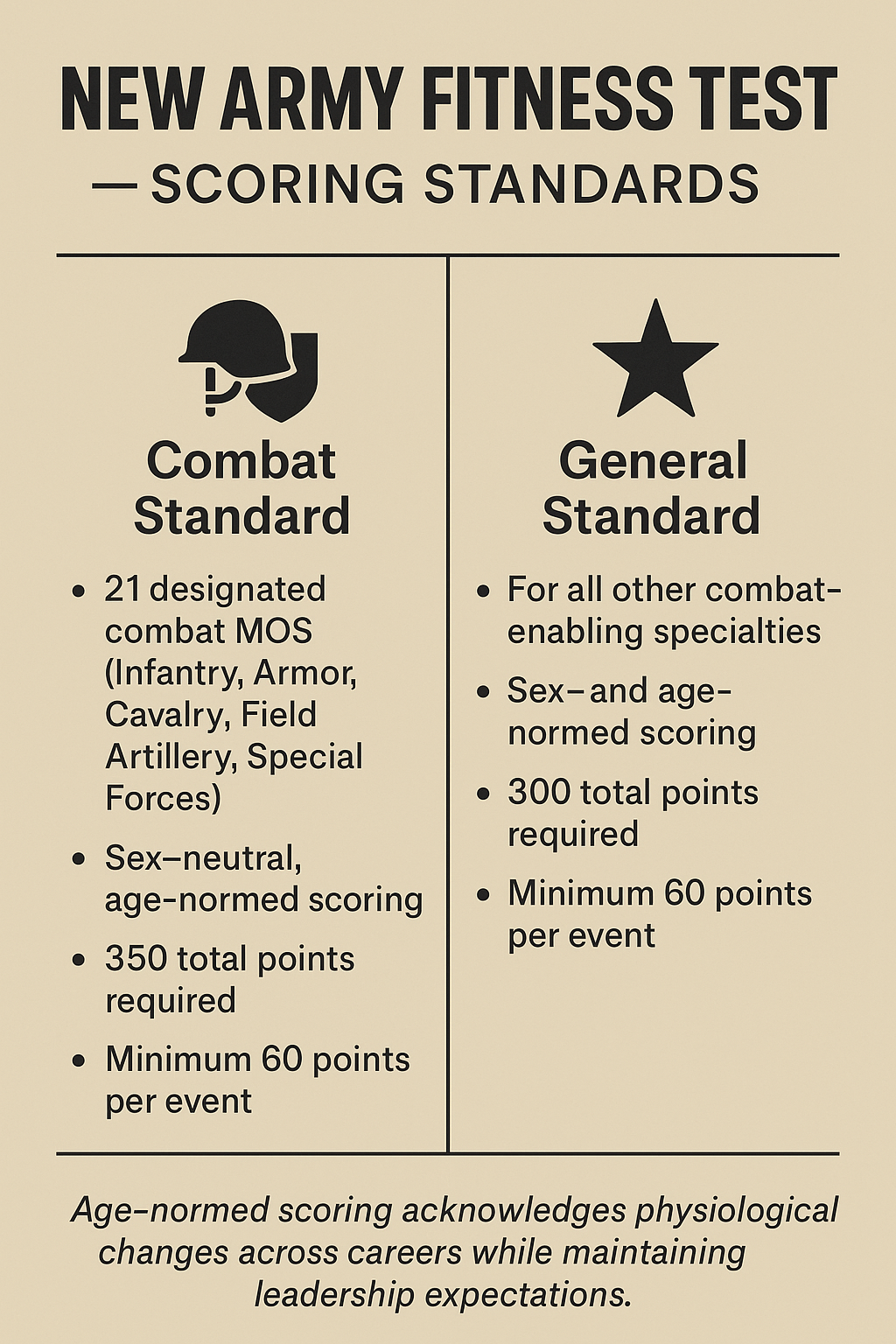
The Army Physical Fitness Test (APFT) standards are evolving in 2025, reflecting a shift towards more realistic and inclusive measures of soldier readiness. These updates are designed to better match the physical demands soldiers face today, considering age-related capabilities without compromising performance expectations. Understanding these changes will help you prepare effectively and stay ahead in your fitness goals.
Changes From Previous Years
The 2025 standards introduce new scoring criteria that adjust push-up, sit-up, and run requirements based on refined age brackets. Unlike before, where age groups spanned larger ranges, the new system breaks them down into smaller increments, offering a fairer assessment for each age group.
Additionally, there is a stronger emphasis on aerobic capacity and muscular endurance, with some tests now including alternative exercises to accommodate different fitness levels. This means you might have options to substitute certain activities without losing points, which was not the case in earlier versions.
One notable change is the integration of technology for tracking and scoring, allowing for more precise and immediate feedback during the test. This update helps you identify areas for improvement right away, rather than waiting for manual score processing.
Impact On Recruitment And Retention
The updated standards aim to attract a wider range of candidates by recognizing diverse physical capabilities across age groups. This approach could make the Army more appealing to older recruits who might have hesitated before due to stringent physical requirements.
For current soldiers, these changes signal a fairer chance to maintain their careers longer, reducing burnout and premature separation based on outdated fitness expectations. The flexibility in testing could improve retention rates by acknowledging ongoing physical effort rather than penalizing natural age-related changes.
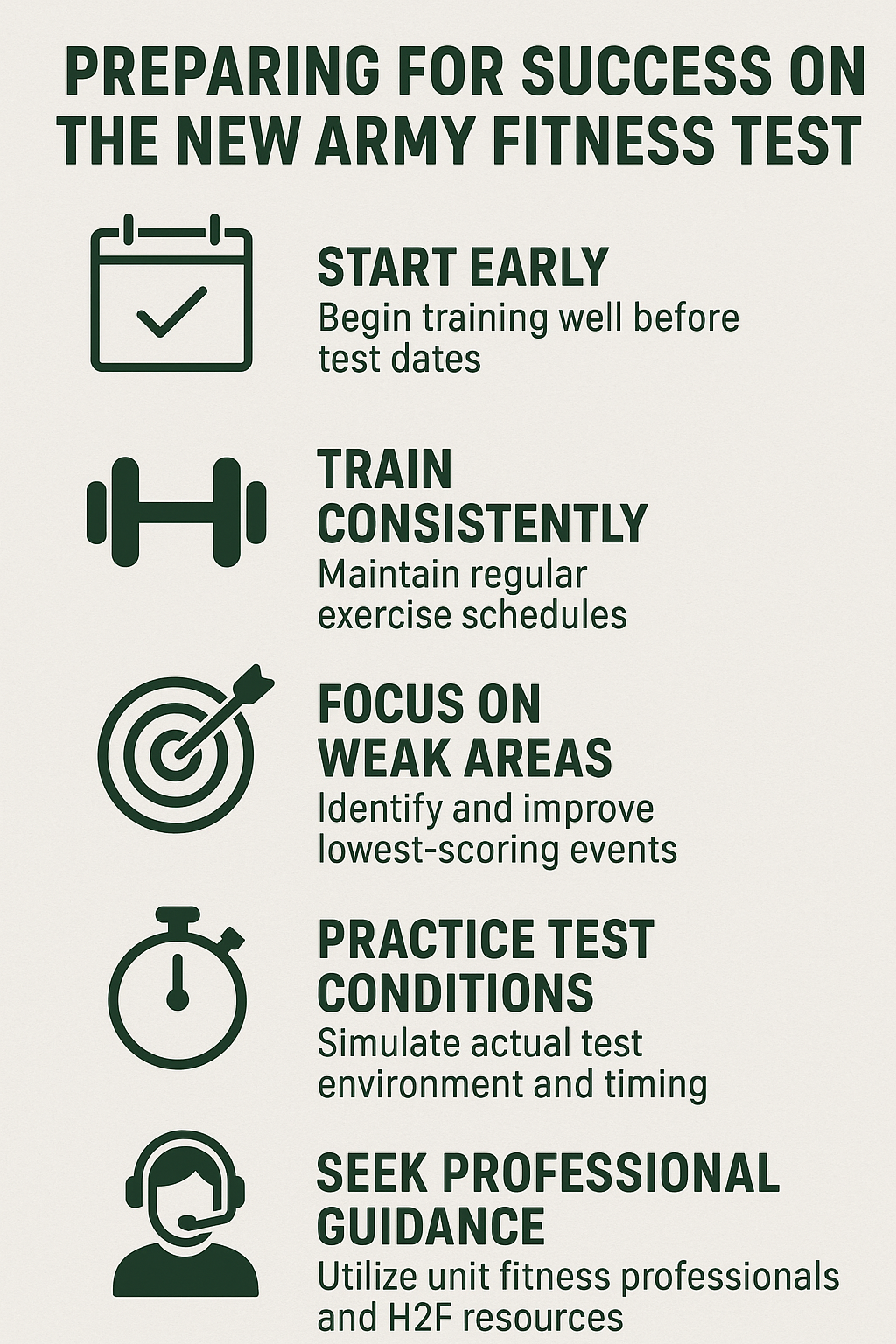
Have you considered how these new standards might affect your own fitness regimen or career plans? Preparing now with targeted workouts that align with the 2025 criteria could give you a significant advantage.

Credit: www.reddit.com
Credit: allveteran.com
Frequently Asked Questions
What Are The Army Physical Fitness Test Age Standards?
Army Physical Fitness Test standards vary by age group. Each age bracket has specific minimum requirements for push-ups, sit-ups, and the 2-mile run.
How Does Age Affect Army Fitness Test Scores?
Older age groups have adjusted, typically lower, minimum standards. This ensures fairness while maintaining overall fitness expectations for all soldiers.
What Exercises Are Included In The Army Fitness Test?
The test includes push-ups, sit-ups, and a timed 2-mile run. Each exercise measures different aspects of a soldier’s physical fitness.
Why Are Fitness Standards Important For Different Ages?
Age-based standards promote safety and realistic goals. They ensure soldiers maintain fitness while considering natural age-related physical changes.
Conclusion
Meeting the Army Physical Fitness Test standards depends on your age group. These standards help keep soldiers strong and ready. Training regularly improves your score and health. Knowing your age group’s requirements guides your workouts. Stay consistent, and progress will follow.
Fitness is a journey, not a quick fix. Keep pushing, and reach your best.







