
Are you curious about what it takes to meet the Army’s physical fitness standards? Whether you’re thinking about joining or just want to see how you measure up, knowing the fitness requirements by age is key.
Your body changes over time, and so do the expectations for strength, endurance, and agility. You’ll discover exactly what the Army expects from you at every stage of life. Ready to find out where you stand and how to improve?
Keep reading to unlock the secrets to passing the Army Physical Fitness Test with confidence.
Army Fitness Test Components
Army Physical Fitness Standards by Age set different requirements for push-ups, sit-ups, and running times. These components adjust to match age groups, ensuring fair and accurate fitness assessments for all soldiers. Regular testing helps maintain strength and endurance.
The Army Physical Fitness Test gauges a soldier’s physical readiness. It consists of three main components. Each part measures different aspects of fitness, ensuring well-rounded capability. Understanding these components is key to achieving the required standards.Push-ups
Push-ups test upper body strength and endurance. Soldiers perform as many push-ups as possible within two minutes. A correct push-up has specific form requirements. Hands must be shoulder-width apart. The body should remain straight. Practicing regularly can improve performance and build strength.Sit-ups
Sit-ups evaluate core strength and endurance. Participants complete as many sit-ups as possible in two minutes. Proper form is crucial. Knees should be bent at a 90-degree angle. Arms must cross the chest. Consistent training can enhance core muscles and results.2-mile Run
The 2-mile run measures cardiovascular endurance. Soldiers must complete the distance in the shortest time possible. Running regularly boosts stamina and speed. Maintaining a steady pace is vital. Proper breathing techniques can aid in better performance. Regular practice helps achieve target times.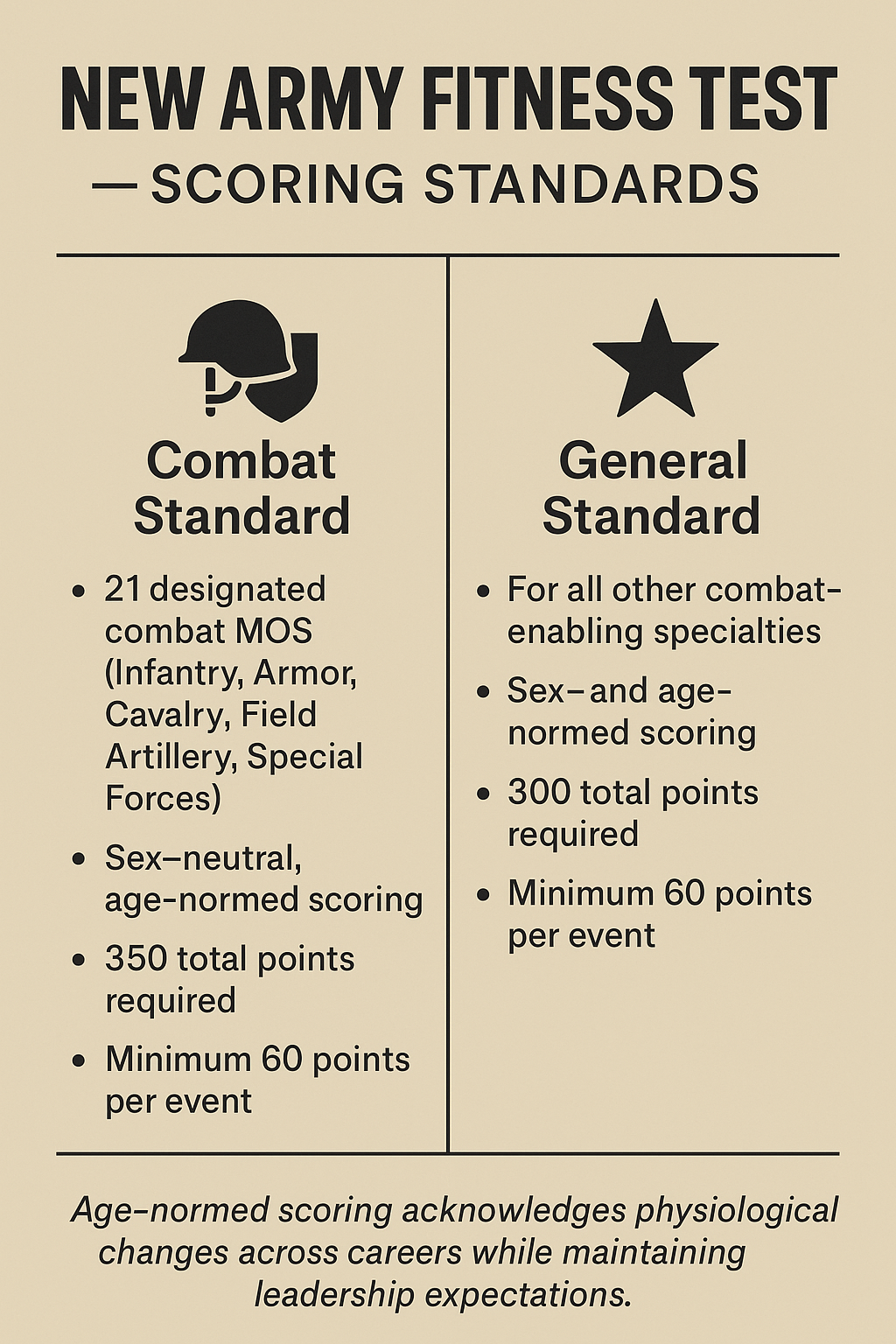
Credit: allveteran.com
Age Groups And Fitness Requirements
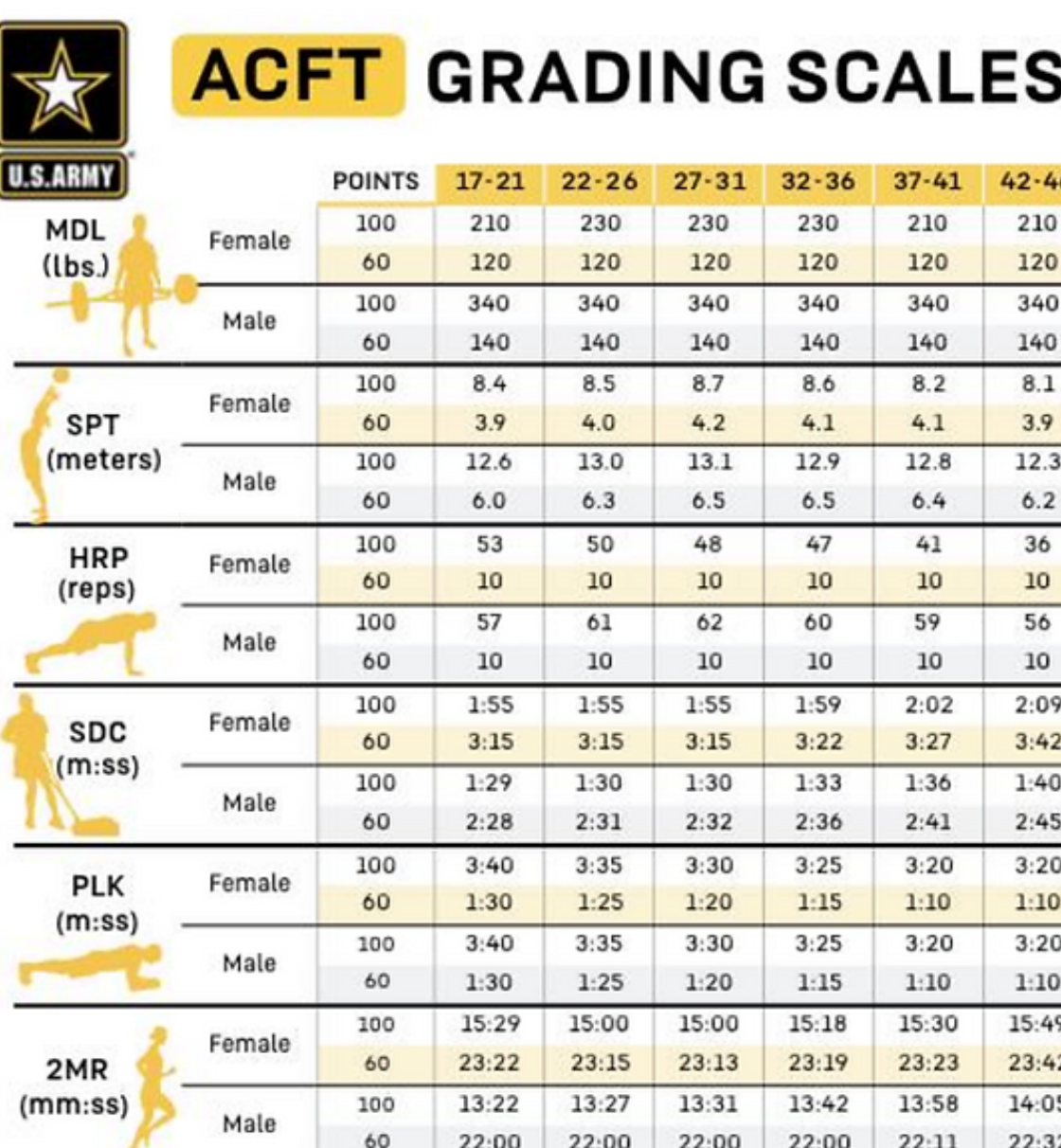
Understanding the Army Physical Fitness Standards by age groups helps you set clear goals tailored to your body’s capabilities. The Army adjusts its fitness requirements to match the natural changes in strength, endurance, and recovery as you age. This approach ensures fairness while maintaining high levels of readiness across all age brackets.
Ages 17-21
This group faces the most demanding fitness standards, reflecting peak physical condition. You will need to complete more repetitions in push-ups and sit-ups and run faster in the two-mile test. If you’re in this age range, focus on building explosive strength and cardiovascular endurance.
Ages 22-26
Requirements here remain challenging but slightly less intense than the youngest group. You can expect a small reduction in required repetitions or run times, acknowledging your body’s beginning changes. Training smart means focusing on consistency and injury prevention.
Ages 27-31
At this stage, the Army recognizes the need to balance fitness with recovery time. Fitness standards continue to adjust, allowing for minor decreases in reps and run speed. Think about adding flexibility and joint mobility exercises to your routine.
Ages 32-36
Fitness requirements continue to adapt, giving you room to maintain strength without overexertion. This age group benefits from targeted strength training paired with aerobic exercises. Are you focusing on quality over quantity in your workouts?
Ages 37-41
Standards here ease further, reflecting natural aging but still demanding solid fitness levels. You might notice a decrease in required push-ups or sit-ups and a slightly longer allowed run time. Prioritize recovery and balanced nutrition to meet these goals.
Ages 42-46
Fitness expectations continue to soften but remain challenging enough to ensure readiness. The focus shifts towards maintaining endurance and preventing muscle loss. Have you considered incorporating low-impact cardio to protect your joints while staying fit?
Ages 47+
The Army sets the most adjusted standards for this group, recognizing the natural decline in physical capacity. You still need to meet minimum benchmarks in strength and endurance tests. At this stage, consistency and smart training strategies become your best tools for success.
Scoring And Performance Levels
The Army Physical Fitness Standards use clear scoring and performance levels to measure soldiers’ fitness. Scores reflect strength, endurance, and overall health. Each age group has specific requirements to ensure fairness. Understanding these levels helps soldiers know where they stand and what to aim for.
Minimum Passing Scores
Soldiers must meet minimum scores in three events: push-ups, sit-ups, and a two-mile run. These scores vary by age and gender. Passing means completing enough repetitions or finishing the run within a set time.
- Push-ups: Minimum reps depend on age group.
- Sit-ups: Required repetitions differ by age.
- Two-mile run: Time limits adjust with age.
Failing any event results in a failed overall score. Maintaining the minimum is critical to stay in the Army.
Excellent Performance
Excellent scores show superior fitness and dedication. Soldiers exceed minimum requirements in all events. They achieve high repetitions and fast run times.
Benefits include:
- Recognition for physical excellence
- Better readiness for demanding tasks
- Higher chances for promotions and special assignments
Impact Of Scores On Career
Fitness scores affect a soldier’s military career. Low scores may limit opportunities for advancement. Consistently high scores improve chances for leadership roles.
Commanders use these scores to assess soldier readiness. Strong performance reflects discipline and commitment. It also helps soldiers qualify for rewards and schools.
Training Tips For Each Age Group
Training for the Army Physical Fitness Standards changes with age. Different age groups need specific approaches to build strength, improve endurance, and recover well. Tailoring workouts helps meet goals safely and effectively.
Building Strength
Young adults should focus on compound exercises like push-ups and squats. These moves build muscle and support overall fitness. Middle-aged individuals benefit from moderate weight training to maintain muscle mass. Older adults must use lighter weights and more repetitions to avoid injury. Consistency and proper form matter most in all age groups.
Improving Endurance
Running and interval training boost endurance for all ages. Younger people can train with higher intensity and longer sessions. Those in middle age should aim for steady, moderate-paced runs to protect joints. Seniors should incorporate walking and low-impact cardio like cycling. Gradual increases prevent burnout and injury.
Recovery Strategies
Recovery is key for progress across every age group. Younger individuals recover faster but still need rest days. Middle-aged trainees must prioritize sleep and stretching to reduce soreness. Older adults benefit from gentle yoga and foam rolling to ease muscle tightness. Hydration and balanced nutrition support recovery at any age.
Common Challenges By Age
Meeting Army Physical Fitness Standards varies with age. Different age groups face unique challenges that affect performance and training. Understanding these challenges helps soldiers prepare better and maintain fitness effectively.
Injury Prevention
Older soldiers have a higher risk of injuries. Joints and muscles lose flexibility and strength over time. Younger soldiers may push too hard, risking strains and sprains. Proper warm-up and cool-down routines reduce injury chances. Gradual increase in training intensity helps protect the body.
Motivation And Consistency
Staying motivated can be tough across all ages. Younger soldiers often struggle with consistency due to distractions. Older soldiers may face mental fatigue or burnout. Setting small, clear goals improves focus. Regular progress tracking keeps motivation high and consistent.
Balancing Training With Life
Time management challenges affect soldiers differently by age. Younger soldiers juggle training with studies or early career demands. Older soldiers balance family, work, and fitness. Prioritizing workouts and creating schedules help maintain balance. Short, effective training sessions fit busy lifestyles well.
Nutrition For Optimal Performance
Nutrition plays a crucial role in meeting Army Physical Fitness Standards by age. What you eat directly impacts your strength, endurance, and recovery. Optimizing your diet can help you push harder during workouts and improve your overall performance.
Macronutrient Balance
Your body needs the right mix of carbohydrates, proteins, and fats to function at its best. Carbohydrates provide quick energy, essential during intense training sessions. Proteins help repair and build muscle, which is vital after tough workouts.
Don’t shy away from healthy fats—they support hormone production and joint health, both critical for physical readiness. Aim for a balanced plate that includes:
- Complex carbs like brown rice, oats, and sweet potatoes
- Lean proteins such as chicken, fish, and legumes
- Healthy fats found in nuts, seeds, and avocados
Hydration Tips
Water impacts your strength and stamina more than you might think. Even mild dehydration can reduce your physical performance and slow recovery. Carry a water bottle and sip regularly throughout the day.
If you sweat heavily during workouts, consider drinks with electrolytes to replace lost minerals. Watch for signs like dark urine or constant fatigue—they often signal you need more fluids. Staying hydrated keeps your muscles firing and your mind sharp.
Supplements To Consider
Supplements can fill nutritional gaps but shouldn’t replace whole foods. Creatine can boost your power output during high-intensity training. Protein powders offer a convenient way to meet your daily protein needs, especially after workouts.
Omega-3 supplements help reduce inflammation and support joint health, which can decline with age. Before adding any supplement, ask yourself if your diet covers the basics first. Always consult a healthcare professional to ensure safety and effectiveness.
Tracking Progress And Setting Goals
Tracking your progress and setting clear goals are essential parts of meeting Army Physical Fitness Standards by age. Without regular checks, it’s easy to lose sight of where you stand and what you need to improve. Setting goals keeps you motivated and focused, while tracking progress helps you understand what’s working and what isn’t.
Using Fitness Apps
Fitness apps make tracking your workouts and progress simple and efficient. You can log your push-ups, sit-ups, and run times with just a few taps. Many apps also offer reminders and tips tailored to your goals.
For example, I started using a fitness app that tracked my run times and automatically updated my progress against Army standards. It was eye-opening to see the data laid out clearly. This helped me adjust my training faster than guessing how I was doing.
Creating Training Plans
Building a training plan based on your current fitness level and the Army standards for your age is a smart move. Break down your goals into smaller, manageable steps like increasing reps or shaving seconds off your run.
Include a mix of strength, endurance, and recovery days. This balanced approach prevents burnout and improves overall performance. You don’t need fancy equipment—bodyweight exercises and running can cover most of your needs.
Adjusting Goals Over Time
Your fitness journey isn’t static. As you improve, your goals should evolve to keep you challenged. Maybe you start by aiming to pass the minimum standard, then later push for a higher score.
Pay attention to how your body feels and what your progress data shows. Are you plateauing? Feeling overly tired? Adjust your goals and training intensity accordingly. Staying flexible keeps you on track without risking injury.
Credit: medium.com

Credit: www.reddit.com
Frequently Asked Questions
What Are The Army Fitness Standards By Age Group?
Army fitness standards vary by age, reflecting physical capability differences. Younger soldiers have higher requirements, while older soldiers have adjusted benchmarks. Standards include push-ups, sit-ups, and a timed run. Meeting these ensures readiness and promotes overall health across all age groups.
How Many Push-ups Are Required By Age In The Army?
Push-up requirements decrease slightly with age. For example, ages 17-21 require 42 push-ups, while ages 47-50 require 17. These numbers ensure soldiers maintain upper body strength suitable for their age. Proper form and timing are crucial for passing the test.
What Is The Required Run Time For Different Ages?
The Army Physical Fitness Test includes a 2-mile run with time standards adjusted by age. Younger soldiers must complete it faster, while older soldiers have more lenient times. This accounts for natural endurance changes while maintaining cardiovascular fitness expectations.
How Do Sit-up Standards Change With Age?
Sit-up requirements decrease gradually with age. Younger soldiers need to perform more sit-ups in two minutes than older soldiers. This adjustment helps assess core strength fairly across all age groups while promoting consistent fitness levels.
Conclusion
Army physical fitness standards change with age to keep soldiers ready. Each age group has clear rules to follow. Training helps improve strength, endurance, and overall health. Meeting these standards ensures safety and effectiveness in duty. Stay consistent and track your progress regularly.
Remember, fitness is a journey, not a quick fix. Keep pushing forward and stay motivated every day. Your body and mind will thank you.







