
Are you wondering if it’s possible to build muscle while eating fewer calories than you burn? It’s a question many people ask, especially when trying to lose fat without losing strength or size.
The truth might surprise you. You don’t have to choose between cutting calories and gaining muscle. In fact, with the right approach, you can achieve both. Keep reading to discover how you can build muscle on a calorie deficit and reach your fitness goals faster than you thought.
Muscle Growth Basics
Understanding the basics of muscle growth is key if you want to build muscle, especially while managing your calorie intake. Muscle growth happens through a series of biological processes that respond to your workouts and nutrition. Knowing how these processes work can help you make smarter choices about diet and training.
How Muscles Grow
Muscle growth starts when you put stress on your muscles through resistance training or weight lifting. This stress causes tiny tears in muscle fibers, which your body repairs by fusing fibers together, making them stronger and bigger.
Recovery and repair require protein and rest. Without enough protein, your body struggles to rebuild muscle efficiently. Have you noticed how your muscles feel sore after a workout? That soreness is a sign your muscles are adapting and growing.
Role Of Calories In Muscle Gain
Calories provide the energy your body needs to repair muscle and fuel workouts. To build muscle, you generally need to eat more calories than you burn—this is called a calorie surplus.
However, muscle gain on a calorie deficit isn’t impossible, but it’s tricky. Your body lacks extra energy to fully repair and grow muscle, so progress tends to be slower. You’ll need to focus on high protein intake and smart training to see results.
Ask yourself: Can you balance enough nutrition and training intensity to build muscle without eating extra calories? The answer depends on your body type, experience level, and how well you plan your diet and workouts.
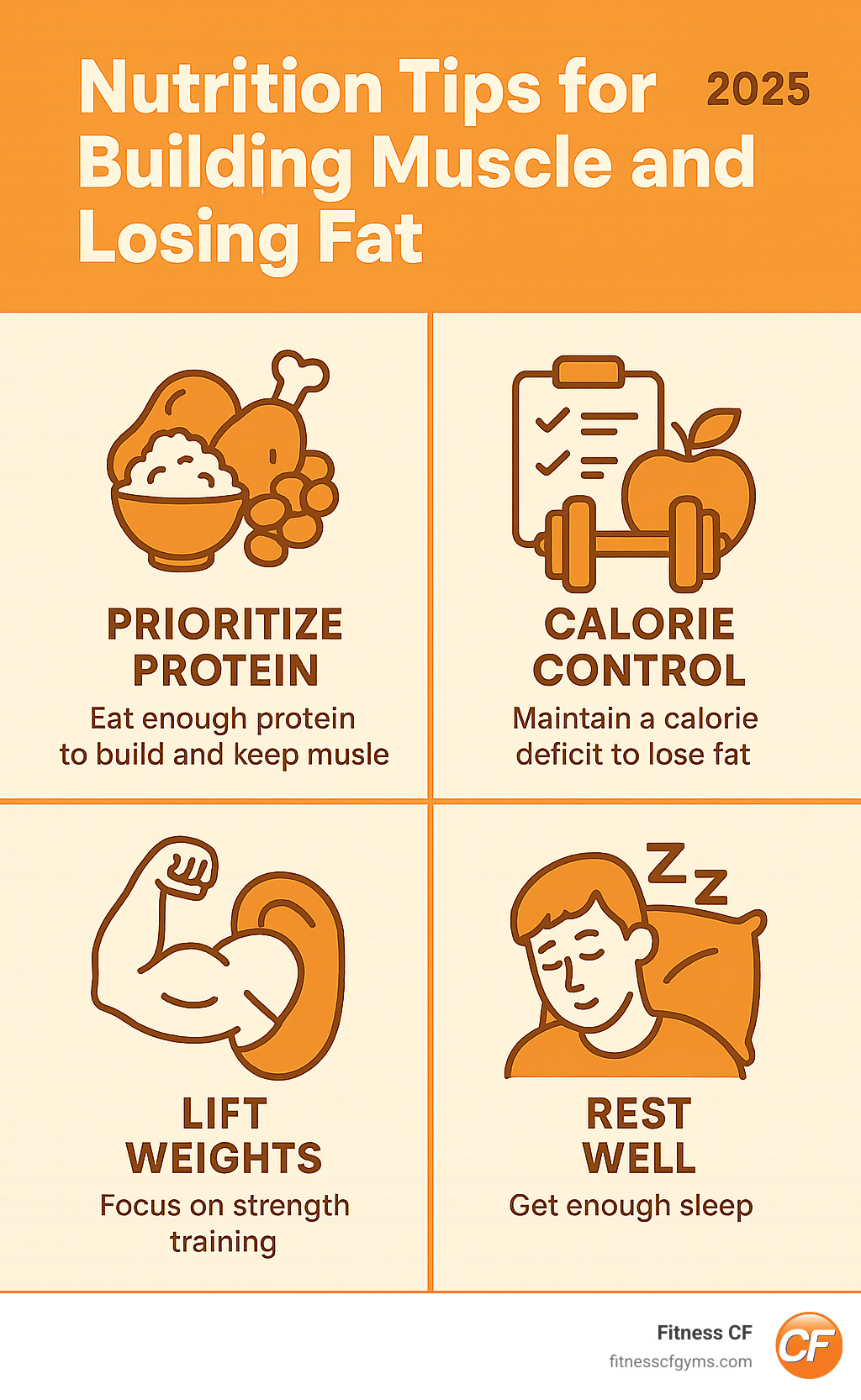
Credit: fitnesscfgyms.com
Calorie Deficit Explained
Understanding a calorie deficit is key to knowing how your body changes. It affects weight loss and muscle building in different ways. Grasping this concept helps you manage your diet and fitness goals better.
What Is A Calorie Deficit?
A calorie deficit happens when you burn more calories than you eat. Your body uses stored energy to make up the difference. This process usually leads to weight loss.
For example, if you consume 1,800 calories but burn 2,300, you have a 500 calorie deficit. Your body then uses fat or muscle for energy.
Effects On Body Composition
Body composition means the balance of fat and muscle in your body. A calorie deficit mainly reduces fat, but muscle loss can happen too.
Maintaining muscle during a deficit depends on protein intake and strength training. Without enough protein or exercise, muscle may break down for energy.
Smart calorie deficits focus on fat loss while preserving muscle. This improves strength and body shape over time.
Muscle Gain In Deficit
Muscle gain while in a calorie deficit is a challenging topic. Usually, muscle growth needs extra energy, but a calorie deficit means consuming fewer calories than you burn. This situation makes building muscle harder but not impossible. Understanding the key aspects can help you achieve muscle gain even with fewer calories.
Is It Possible?
Yes, muscle gain in a calorie deficit is possible for some people. Beginners often experience this because their muscles respond quickly to new training. People returning after a break can also gain muscle while losing fat. This happens because their muscles “remember” previous growth.
For experienced lifters, it is harder but not out of reach. With smart training and nutrition, muscle gain can happen, but progress is slower. The body prioritizes energy for recovery, so managing calorie intake and workout intensity is important.
Factors That Influence Muscle Growth
- Protein Intake:Eating enough protein supports muscle repair and growth.
- Training Quality:Focus on strength training with proper form and progression.
- Rest and Recovery:Muscles grow during rest, so sleep and recovery are crucial.
- Body Fat Levels:Higher body fat can make muscle gain in deficit easier.
- Calorie Deficit Size:A small deficit preserves muscle better than a large one.
By balancing these factors, muscle gain in a calorie deficit becomes achievable. Tracking progress and adjusting plans helps maintain muscle while losing fat.
Nutrition Strategies
Nutrition plays a key role in building muscle while in a calorie deficit. Your body needs the right fuel to repair and grow muscles. Smart nutrition strategies help maintain strength and support muscle growth despite eating fewer calories. Focus on protein quality, meal timing, and balanced nutrient intake.
Protein Intake Tips
Protein is essential for muscle repair and growth. Aim for at least 1.6 to 2.2 grams of protein per kilogram of body weight daily. Choose lean sources like chicken, fish, eggs, and plant-based proteins. Spread protein evenly across meals to help constant muscle recovery.
- Include protein in every meal and snack
- Use protein shakes if needed to meet daily goals
- Focus on high-quality proteins with all essential amino acids
Timing And Meal Planning
Meal timing influences muscle maintenance during a calorie deficit. Eating protein shortly after workouts helps muscle repair. Plan meals to fuel workouts and recovery. Consistent meal patterns support energy levels and muscle preservation.
- Consume protein within 30 to 60 minutes post-exercise
- Eat balanced meals every 3 to 4 hours
- Include carbohydrates and fats to support overall health
Training Approaches
Training smart is key to building muscle on a calorie deficit. Your body has less fuel, so workouts must be efficient and focused. Choosing the right exercises and pacing your recovery helps maintain strength and muscle size. This section covers the best training approaches for muscle growth during calorie loss.
Best Workouts For Deficit
Strength training is the best way to keep muscles in a calorie deficit. Focus on compound exercises that work multiple muscles at once. Examples include:
- Squats
- Deadlifts
- Bench press
- Pull-ups
- Rows
Use moderate to heavy weights with controlled reps. Keep sets between 6 to 12 reps to build muscle. Avoid long cardio sessions that burn too many calories. Short, intense workouts protect muscle while supporting fat loss. Track progress by increasing weight or reps gradually.
Recovery And Rest
Muscle grows during rest, not workouts. Recovery is more important on a calorie deficit. Lack of calories limits repair and growth, so rest must be prioritized. Get 7 to 9 hours of sleep each night. Include rest days between training sessions to avoid overtraining.
Use light activities on rest days like walking or stretching. Proper recovery reduces injury risk and keeps energy high. Nutrition also supports rest; eat enough protein to aid muscle repair. Hydrate well to help muscles recover faster.

Credit: homegymsupply.co.uk
Common Challenges
Building muscle while in a calorie deficit is a tough balancing act. You need to lose fat but also keep or even gain muscle mass. However, several challenges can make this process tricky. Understanding these obstacles helps you adjust your approach and stay on track.
Avoiding Muscle Loss
Muscle loss is the biggest risk when you eat fewer calories than you burn. Your body may break down muscle tissue for energy if you don’t provide enough nutrients. To protect your muscles, focus on eating enough protein every day. Aim for at least 1.6 grams per kilogram of your body weight.
Strength training is essential here. Lifting weights sends a signal to your body to preserve muscle even when calories are low. Without it, you might lose hard-earned muscle along with fat. Are you challenging your muscles enough in your workouts?
Managing Energy Levels
Calorie deficits often mean less energy for your workouts and daily activities. You might feel tired, weak, or less motivated. This can reduce the intensity and frequency of your training, slowing down muscle gains or causing muscle loss.
To manage this, prioritize nutrient timing. Eating a balanced meal with carbs and protein before and after workouts can help maintain energy. Also, listen to your body and adjust your workout intensity on days when energy is low. What small changes can you make to keep your energy steady throughout the day?
Practical Tips
Building muscle while in a calorie deficit is challenging but not impossible. It requires smart strategies to make sure your body gets the nutrients and stimulus it needs to grow, even with fewer calories. Here are some practical tips to help you stay on track and maximize muscle gains.
Tracking Progress
Tracking your progress is key to understanding how your body responds to a calorie deficit. Use a combination of methods like photos, measurements, and strength logs rather than relying only on the scale.
For example, you might notice your weight dropping but your lifts staying strong or even improving. This signals muscle retention or gain despite fat loss. Regularly update your data every 1-2 weeks to catch trends early.
Ask yourself: Are you getting stronger or maintaining strength in key lifts? If yes, your muscle-building efforts are working even in a deficit.
Adjusting Deficit For Results
Not all calorie deficits are equal. A too-large deficit can cause muscle loss, while a moderate one helps fat loss without sacrificing muscle. Pay attention to how your body feels and performs.
If you find your energy low or strength dropping consistently, it might be time to add a few more calories back. A deficit of around 10-20% below maintenance is often sustainable for muscle growth in a deficit.
Consider small calorie adjustments of 100-150 calories at a time. Track how these changes affect your performance and body composition before making further tweaks.
What happens if you don’t adjust your calories and keep pushing hard? You might lose muscle instead of gaining it. Listen to your body, and adjust to keep progress steady.

Credit: www.fit3d.com
Frequently Asked Questions
Can You Gain Muscle In A Calorie Deficit?
Yes, it’s possible to gain muscle in a calorie deficit. It requires a high-protein diet and strength training. Your body uses stored fat for energy. Prioritizing protein intake and consistent workouts can help. This approach is more effective for beginners or those returning to exercise after a break.
How Does Muscle Building Work In A Deficit?
Muscle building in a deficit involves effective strength training and adequate protein intake. Your body uses protein to repair and build muscle fibers. The process requires energy, which can come from stored fat. This leads to muscle growth even when calorie intake is reduced.
What Role Does Protein Play In A Deficit?
Protein is crucial for muscle repair and growth, especially in a deficit. It helps maintain muscle mass by providing amino acids. These are essential for muscle protein synthesis. High protein intake also promotes satiety, which can aid in managing hunger during a calorie deficit.
Can Beginners Build Muscle On A Deficit?
Yes, beginners can build muscle on a deficit. Newbies often experience rapid muscle growth initially. Their bodies adapt quickly to new physical demands. This process, called “newbie gains,” allows muscle development even with reduced calorie intake. Consistent strength training and proper nutrition are key factors.
Conclusion
Building muscle on a calorie deficit is possible but challenging. Focus on eating enough protein to support muscle growth. Keep your workouts strong and consistent. Rest well to help muscles recover and grow. Progress might be slower than with a calorie surplus.
Stay patient and track your results carefully. Small gains add up over time. Balance diet and exercise for the best outcome. Everyone’s body reacts differently, so listen closely to yours. Success comes with effort and smart choices, not quick fixes.







