
Are you wondering if testosterone really helps build muscle? You’re not alone.
Many people ask this question because muscle growth can feel like a tough and confusing process. Understanding how testosterone works in your body could be the key to reaching your fitness goals faster. You’ll discover the real role testosterone plays in muscle building and how it can impact your strength and recovery.
Keep reading to find out what you need to know to make the most of your workouts and boost your progress.
Credit: jackcityfitness.com
Role Of Testosterone In Muscle Growth
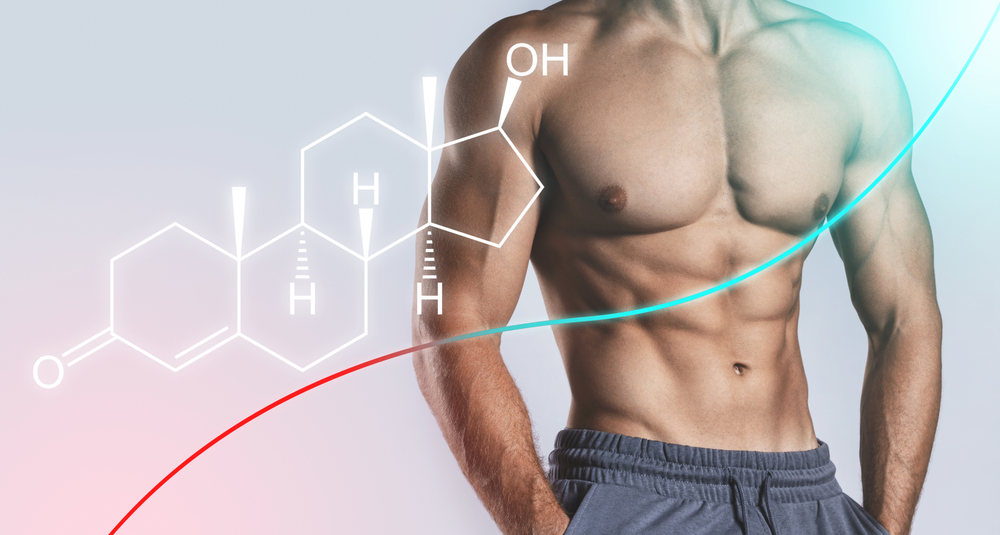
Testosterone plays a key role in muscle growth. It affects how muscles develop and repair. Understanding this hormone helps explain its impact on strength and size. Its influence goes beyond just muscle size. It also affects recovery and protein building.
Testosterone And Protein Synthesis
Testosterone boosts protein synthesis inside muscle cells. This process builds new proteins that repair and grow muscles. More protein synthesis means faster muscle growth. Testosterone signals cells to increase protein creation. This helps muscles get stronger and bigger over time.
Impact On Muscle Fiber Size
Testosterone increases the size of muscle fibers. It targets type II fibers, which are important for strength. Bigger fibers lead to more muscle mass. The hormone promotes the growth of muscle cells and fibers. This results in thicker and stronger muscles.
Hormonal Influence On Recovery
Testosterone helps muscles recover after exercise. It reduces muscle damage and inflammation. Faster recovery allows more frequent training sessions. The hormone supports tissue repair and reduces fatigue. This improves overall muscle endurance and growth potential.

Credit: www.santelog.com
Natural Testosterone Levels And Muscle Gain
Natural testosterone levels play a significant role in muscle gain, but they are just one piece of the puzzle. Understanding how your body produces testosterone can help you maximize your muscle-building efforts. Let’s break down the key factors that influence your natural testosterone and how they connect to muscle growth.
Age And Testosterone Production
Your testosterone levels peak in your late teens to early twenties. After that, they gradually decline by about 1% per year. This decline can impact muscle strength and recovery, making it harder to build muscle as you age.
Have you noticed your workouts getting tougher despite consistent effort? It could be your changing hormone levels. While you can’t stop aging, you can adjust your training and nutrition to work with these changes.
Lifestyle Factors Affecting Levels
Sleep quality, diet, and stress greatly affect testosterone production. Poor sleep lowers hormone levels, while chronic stress raises cortisol, which can block testosterone’s effects. Eating enough protein and healthy fats supports hormone balance.
- Getting 7-9 hours of quality sleep boosts natural testosterone.
- Reducing stress through meditation or light exercise helps maintain healthy levels.
- Focusing on whole foods rather than processed snacks supports muscle growth.
Small lifestyle tweaks can lead to noticeable improvements in your muscle gains. Are you prioritizing these habits in your routine?
Genetics And Muscle Building Potential
Your genes influence how your body produces testosterone and responds to training. Some people naturally have higher hormone levels or muscle fiber types that favor strength and size. This doesn’t mean you can’t improve—just that your starting point varies.
I’ve seen athletes with average genetics make impressive gains by focusing on consistent training and recovery. Genetics set the stage, but your daily choices write the script.
Testosterone Supplementation Effects
Testosterone supplementation can have a significant impact on muscle building. It influences various bodily functions that directly contribute to muscle growth and recovery. But how exactly does it work, and what should you expect if you consider therapy?
Types Of Testosterone Therapy
There are several ways testosterone can be supplemented. Common types include:
- Injections:Administered directly into the muscle, often biweekly or monthly.
- Gels and creams:Applied daily to the skin for steady absorption.
- Patches:Worn on the skin, delivering testosterone through continuous absorption.
- Pellets:Implanted under the skin, providing long-term release over months.
Your choice depends on lifestyle, convenience, and medical advice. Each method affects hormone levels differently, influencing muscle-building outcomes.
Muscle Mass Improvements
Testosterone boosts protein synthesis, which is essential for muscle repair and growth. Many users notice increased muscle size and strength within weeks of starting therapy.
However, gains depend on factors like diet, workout intensity, and genetics. Simply taking testosterone without proper training won’t deliver the best results. Have you ever wondered if your current workout routine fully leverages your body’s potential?
Potential Side Effects
While testosterone can build muscle, it’s not without risks. Common side effects include:
- Acne and oily skin
- Sleep disturbances
- Fluid retention and swelling
- Changes in mood and aggression
More serious risks involve cardiovascular issues and hormone imbalances if not properly monitored. Always consult a healthcare provider to weigh benefits against possible harms and ensure safe use.

Credit: medium.com
Exercise And Testosterone Interaction
Exercise affects testosterone levels in many ways. Different types of workouts impact hormones differently. Understanding this interaction helps optimize muscle growth and overall health.
Strength Training’s Role
Strength training boosts testosterone naturally. Lifting weights causes small muscle damage. The body repairs and builds stronger muscles.
This repair process raises testosterone temporarily. Heavy lifts with low repetitions work best. Compound exercises like squats and deadlifts are especially effective.
Cardio And Hormonal Balance
Cardio influences testosterone but not always positively. Moderate cardio supports hormone balance. It improves blood flow and reduces stress.
Excessive cardio may lower testosterone. Long endurance sessions can increase cortisol, a stress hormone. This hormone counteracts testosterone’s effects.
Timing And Intensity Effects
Testosterone levels vary during the day. Morning workouts often coincide with peak testosterone.
High-intensity exercise triggers a bigger hormone response. Short bursts of effort raise testosterone more than long sessions.
Rest and recovery also matter. Overtraining reduces testosterone and muscle gains. Balance exercise intensity with enough rest.
Nutrition To Support Testosterone And Muscle
Nutrition plays a key role in supporting testosterone levels and building muscle. The right foods provide essential nutrients that help hormone production and muscle repair. Poor diet choices can lower testosterone and slow muscle growth. Eating well supports strength and overall health.
Macronutrients And Hormone Levels
Protein is vital for muscle repair and growth. It also supports hormone production. Include lean meats, eggs, and dairy in your diet. Healthy fats boost testosterone. Sources like olive oil, nuts, and avocados are best. Carbohydrates provide energy for workouts. Choose whole grains, fruits, and vegetables. Balanced intake of these macronutrients keeps hormone levels steady.
Supplements That Boost Testosterone
Certain supplements may help raise testosterone naturally. Zinc supports hormone production and immune function. Vitamin D is linked to higher testosterone levels. Magnesium helps improve muscle function and hormone balance. Fenugreek and ashwagandha are herbs thought to aid testosterone. Use supplements carefully and consult a healthcare provider before starting.
Foods To Avoid
Some foods can harm testosterone and muscle growth. Avoid processed foods high in sugar and unhealthy fats. Excess alcohol lowers testosterone and disrupts muscle repair. Soy products contain compounds that may reduce hormone levels. Limit intake of refined carbs like white bread and pastries. Choosing clean, whole foods helps maintain strong hormone levels.
Common Myths About Testosterone And Muscle
Testosterone often gets a reputation as the ultimate muscle-builder, but many beliefs about its role are misleading. Separating fact from fiction is crucial if you want to make informed decisions about your fitness journey. Let’s look at some common myths that might be holding you back or leading you down the wrong path.
Testosterone Alone Builds Muscle
Testosterone is important, but it doesn’t work alone to build muscle. Muscle growth happens when you challenge your muscles through exercise, especially resistance training. Without consistent workouts, even high testosterone levels won’t create noticeable muscle gains.
I once knew someone who thought just having high testosterone would make him bulk up. He didn’t train seriously and saw little change. This proves how essential effort and proper training are alongside hormonal factors.
Higher Testosterone Means More Strength
It’s easy to assume more testosterone automatically equals more strength. However, strength depends on many factors including muscle fiber type, neural adaptations, and training quality. Testosterone can support strength gains but isn’t the sole driver.
Think about your own progress. Have you ever plateaued despite improving your diet and rest? Hormones are part of the equation, but they don’t guarantee strength without the right program.
Natural Boosters Are Ineffective
Some say natural testosterone boosters don’t work at all. While many supplements have exaggerated claims, some can support healthy testosterone levels when combined with good sleep, nutrition, and exercise. They’re not magic pills but can play a helpful role.
For example, vitamin D and zinc supplements helped a friend of mine improve his energy and training recovery. The key is realistic expectations and a holistic approach, not relying solely on supplements.
Frequently Asked Questions
What Role Does Testosterone Play In Muscle Growth?
Testosterone plays a vital role in muscle growth by stimulating protein synthesis. It enhances muscle strength and size. Higher testosterone levels can lead to increased muscle mass. It also helps in muscle recovery and repair after workouts. Thus, testosterone is crucial for effective muscle building.
Can Low Testosterone Affect Muscle Building?
Yes, low testosterone can negatively impact muscle building. It may lead to reduced muscle mass and strength. Individuals with low levels might experience slower recovery times. Muscle growth can become less efficient with low testosterone. Addressing low levels can help optimize muscle development.
Does Testosterone Supplementation Aid Muscle Gain?
Testosterone supplementation can aid muscle gain, especially in those with low levels. It can enhance muscle strength, size, and recovery. However, it’s essential to consult a healthcare professional before starting supplementation. Overuse or misuse can lead to adverse effects and health complications.
How Does Testosterone Influence Muscle Recovery?
Testosterone significantly influences muscle recovery by promoting protein synthesis. It helps repair muscle tissues after intense workouts. This hormone reduces recovery time and enhances overall muscle development. Adequate levels ensure faster and more effective muscle recovery, leading to better performance.
Conclusion
Testosterone plays a key role in building muscle. It helps increase strength and muscle size. But muscle growth also needs exercise and good nutrition. Simply raising testosterone won’t build muscle alone. Balance and consistency matter most for real results. Always talk to a doctor before using supplements or treatments.
Understanding how testosterone works can guide better fitness choices. Muscle gains come from effort, rest, and healthy habits combined. Keep learning and stay patient on your muscle-building journey.







