
Are you struggling to figure out how many reps and sets you need to build muscle effectively? You’re not alone.
Choosing the right number can make all the difference between seeing real progress and wasting your time at the gym. Imagine unlocking the secret to faster muscle growth, feeling stronger, and looking better—all by adjusting your workout just right. You’ll discover exactly how many reps and sets to do so you can maximize your gains and get the results you want.
Keep reading, because your strongest self is waiting.
Muscle Growth Basics
Understanding the basics of muscle growth is essential if you want to build strength and size effectively. Your muscles don’t just get bigger by lifting weights; they grow through a cycle of stress and recovery. Knowing how reps and sets fit into this process can help you design workouts that deliver real results.
How Muscles Grow
Your muscles grow when they experience stress beyond their usual capacity. This stress causes tiny tears in the muscle fibers, which your body repairs during rest. The repair process makes the muscles stronger and bigger than before.
Nutrition and rest are just as important as exercise here. Without enough protein and sleep, your muscles won’t recover fully. Have you noticed that on days you sleep poorly, your workouts feel harder? That’s because your muscles didn’t get the chance to rebuild properly.
Role Of Reps And Sets
Reps (repetitions) and sets control how much stress you put on your muscles. Generally, higher reps with lighter weights focus on endurance, while lower reps with heavier weights target strength and size.
- Reps:The number of times you perform an exercise in a row.
- Sets:Groups of reps separated by rest periods.
For muscle growth, most people find that doing 6 to 12 reps per set is effective. This range creates enough tension and fatigue to stimulate growth. But how many sets should you do? Typically, 3 to 5 sets per exercise give your muscles enough volume without overtraining.
Think about your own workouts—do you push to muscle fatigue in those last reps? That’s where growth happens. Are you adjusting reps and sets based on how your body responds? Listening to your muscles can guide you better than any fixed rule.

Credit: www.youtube.com
Reps For Muscle Gain
Understanding the right number of reps for muscle gain is key to making real progress. The number of repetitions you perform affects the type of muscle development you achieve. Whether you want to build strength, size, or endurance, adjusting your reps can help target your goals more effectively.
Low Reps And Strength
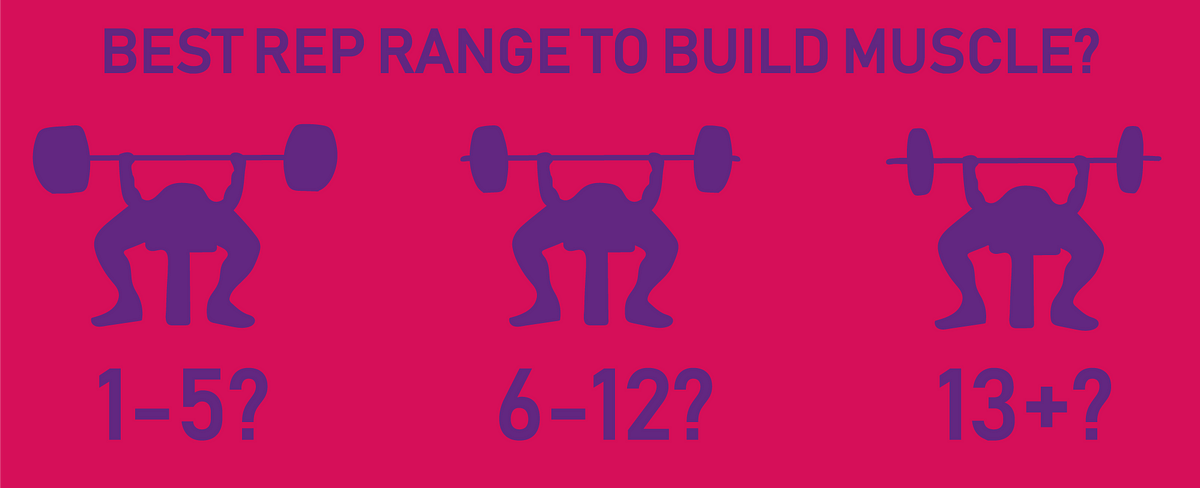
Performing low reps, typically between 1 and 5, focuses on building raw strength. This rep range allows you to lift heavier weights, which challenges your muscles to become stronger. When I started lifting heavy with low reps, I noticed my power increased rapidly, even though my muscle size didn’t grow as fast.
Strength training with low reps also improves your nervous system’s efficiency. If your goal is to lift heavier weights over time, including low-rep sets is essential. Are you focusing too much on size without building the strength to support it?
Moderate Reps For Hypertrophy
Moderate reps, usually between 6 and 12, are the sweet spot for muscle growth, or hypertrophy. This range creates enough tension and metabolic stress in your muscles to promote size gains. From my experience, sticking to this rep range helped me break through plateaus and add real muscle mass.
This rep range balances weight and volume perfectly. You lift enough weight to challenge your muscles but also do enough reps to cause muscle damage and growth. Want bigger muscles? Focus here and adjust your weights so the last reps feel challenging but doable.
High Reps And Endurance
High reps, typically 15 or more, improve muscular endurance rather than size. These lighter, longer sets help your muscles sustain activity for extended periods. When I added high reps into my routine, my muscles felt less fatigued during long workouts.
Although this range isn’t ideal for building bulk, it has its place in training. It can help with muscle definition and recovery between heavier sessions. Could adding some high-rep work improve your overall muscle stamina?
Sets And Volume
Sets and volume play a crucial role in muscle building. They determine how much work your muscles do during a workout. Understanding the right balance can help you grow stronger and avoid burnout.
Optimal Sets For Growth
Finding the right number of sets is key. Research shows that performing between 10 to 20 sets per muscle group each week is effective for most people. Too few sets might not challenge your muscles enough, while too many can lead to fatigue and hinder progress.
Think about how you feel after workouts. If you’re constantly exhausted or sore for days, your volume might be too high. On the other hand, if you finish your session feeling like you could do twice as much, increasing your sets could be beneficial.
Balancing Volume And Recovery
Volume isn’t just about the number of sets; recovery matters just as much. Your muscles grow when you rest, not while you’re lifting. Overloading your muscles without enough recovery can stall progress and increase injury risk.
Ask yourself: How well are you recovering between sessions? If you struggle with soreness or lack energy, consider lowering your volume or adding rest days. Tracking your progress and adjusting your sets week by week helps you find a volume that supports growth without overtraining.
Training Strategies
Training strategies play a vital role in building muscle effectively. Choosing the right approach helps maximize gains and prevent plateaus. Understanding how to adjust reps, sets, and rest can improve results. Smart planning keeps muscles challenged and growing.
Progressive Overload
Progressive overload means gradually increasing the weight or reps over time. It forces muscles to adapt and grow stronger. Start with a comfortable weight and add small increments regularly. This keeps muscles under constant challenge and avoids stagnation.
Track your progress to ensure steady improvement. Push a little more each session. Overloading can be done by:
- Adding weight
- Increasing reps
- Reducing rest time
- Increasing training volume
Varying Rep Ranges
Using different rep ranges targets muscle fibers in various ways. Low reps (4-6) build strength. Moderate reps (8-12) focus on hypertrophy or muscle growth. Higher reps (15-20) improve endurance and muscle tone.
Switching rep ranges keeps muscles guessing. It also reduces boredom and overuse injuries. A balanced program might include:
- Heavy sets with low reps
- Moderate sets with medium reps
- Light sets with high reps
Rest Periods Between Sets
Rest time impacts recovery and performance during workouts. Short rests (30-60 seconds) increase muscle fatigue and growth stimulus. Longer rests (2-3 minutes) help lift heavier weights by allowing full recovery.
Adjust rest depending on training goals:
- For muscle size, keep rests shorter
- For strength, allow longer rests
Listen to your body and avoid rushing between sets. Proper rest helps maintain good form and intensity.
Common Mistakes
Building muscle effectively requires more than just lifting weights; avoiding common mistakes is key to making real progress. Many people focus solely on reps and sets without considering how errors in training can stall results or even cause injury. Let’s look at two frequent pitfalls that might be holding you back from reaching your muscle-building goals.
Overtraining Risks
Training too much without adequate rest can do more harm than good. Your muscles need time to recover and grow stronger after each workout.
Overtraining can lead to fatigue, decreased performance, and even injury. Have you ever felt completely drained after back-to-back intense sessions? That’s a sign you need to dial back and let your body repair itself.
Try balancing your workout schedule with rest days and listen to your body’s signals. Quality beats quantity when it comes to muscle growth.
Ignoring Form And Technique
Doing more reps or heavier weights won’t help if your form is off. Poor technique can reduce the effectiveness of your workout and increase injury risk.
I once pushed myself to lift heavier without focusing on form, and it led to a nagging shoulder pain that took weeks to heal. Don’t let this happen to you.
Focus on controlled, precise movements. If you’re unsure, record yourself or ask a trainer to check your form. It’s better to lift lighter weights correctly than heavy weights poorly.
Credit: medium.com
Sample Workout Plans
Sample workout plans help structure your training for muscle growth. They guide how many reps and sets suit your level. Each plan targets muscle building with clear goals and effort. Choosing the right routine improves progress and reduces injury risk.
Beginner Routine
Start with light weights and focus on form. Perform 3 sets of 10-12 reps per exercise. Rest 60-90 seconds between sets. Train each major muscle group twice a week.
- Squats: 3 sets of 12 reps
- Push-ups: 3 sets of 10 reps
- Dumbbell Rows: 3 sets of 12 reps
- Plank: 3 sets of 20 seconds
- Overhead Press: 3 sets of 10 reps
Intermediate Routine
Increase weight and lower reps to build strength. Perform 4 sets of 8-10 reps per exercise. Rest 60 seconds between sets. Train muscles 3 times a week with split workouts.
- Barbell Squats: 4 sets of 8 reps
- Bench Press: 4 sets of 8 reps
- Pull-Ups: 4 sets of 6-8 reps
- Deadlifts: 4 sets of 8 reps
- Dumbbell Shoulder Press: 4 sets of 10 reps
Advanced Routine
Use heavy weights and focus on intensity. Perform 5 sets of 4-6 reps per exercise. Rest 90-120 seconds between sets. Train muscles 4 times a week using advanced splits.
- Front Squats: 5 sets of 6 reps
- Incline Bench Press: 5 sets of 5 reps
- Weighted Pull-Ups: 5 sets of 6 reps
- Romanian Deadlifts: 5 sets of 6 reps
- Barbell Overhead Press: 5 sets of 5 reps
Nutrition And Recovery
Nutrition and recovery are just as important as the reps and sets you perform in the gym. Without proper fuel and enough downtime, your muscles won’t grow as effectively. Think of your workouts as the stimulus, and nutrition plus recovery as the environment where growth happens.
Importance Of Protein
Your muscles need protein to repair and grow stronger after each workout. Aim to eat a good source of protein with every meal—chicken, fish, eggs, or plant-based options like beans and tofu all work well.
Try to get around 1.6 to 2.2 grams of protein per kilogram of your body weight daily. If you’re struggling to meet this, protein shakes can help fill the gap. Remember, timing matters too—having protein soon after your workout can speed up muscle repair.
Sleep And Rest
Muscle growth happens mostly while you sleep. If you skimp on rest, you’re missing out on critical recovery time. Aim for 7 to 9 hours of quality sleep every night to give your body the chance to rebuild muscle tissue.
Rest days are equally important. Overtraining can stall progress and increase injury risk. Listen to your body—if you feel unusually tired or sore, take an extra day off or focus on light activity like stretching or walking.

Credit: medium.com
Frequently Asked Questions
How Many Reps Build Muscle Fastest?
Performing 6 to 12 reps per set is ideal for muscle growth. This rep range effectively stimulates hypertrophy while allowing enough load to build strength. Lower reps focus more on strength, while higher reps target endurance.
How Many Sets Are Best For Muscle Growth?
Typically, 3 to 5 sets per exercise maximize muscle growth. This volume balances intensity and recovery, promoting muscle hypertrophy. Beginners may start with fewer sets and gradually increase as strength improves.
Should I Lift Heavy Weights For Muscle Gain?
Yes, lifting heavier weights with proper form boosts muscle growth. Heavy loads create muscle tension, essential for hypertrophy. Aim for weights that challenge you within 6-12 reps per set.
Can I Build Muscle With Fewer Sets?
Building muscle with fewer sets is possible but slower. More sets generally increase muscle stimulus and growth. However, quality and consistency matter more than just quantity.
Conclusion
Building muscle takes time and effort. Choose the right reps and sets. Consistency is key. Start with a manageable plan. Gradually increase intensity as you grow stronger. Listen to your body. Rest is essential for muscle repair. Balance your workout with proper nutrition.
Stay hydrated and get enough sleep. Patience pays off in muscle growth. Set realistic goals and track progress. Celebrate small victories along the way. Remember, every step counts on your fitness journey. Keep pushing forward. Stay motivated and focused. Your dedication will lead to results.
Enjoy the process of building a stronger you.







