
If you want stronger, more defined forearms, you’re in the right place. Building your forearm muscles doesn’t just improve your grip—it boosts your overall strength and helps you perform better in sports and daily activities.
But how do you get those muscles to grow effectively? You’ll discover simple, proven techniques that anyone can use to build powerful forearms. Keep reading, and you’ll learn exactly what to do to see real results faster than you might expect.

Credit: toneopfit.com
Forearm Muscle Basics
Strong forearms help with many daily tasks and sports activities. They support wrist movement and grip strength. Building forearm muscles improves hand control and reduces injury risks. Understanding the basics of forearm muscles is key to effective training.
Key Forearm Muscles
The forearm contains several important muscles. These muscles control wrist, hand, and finger movements. They split into two groups: flexors and extensors.
- Flexor muscles:Located on the palm side. They bend the wrist and fingers.
- Extensor muscles:Found on the back of the forearm. They straighten the wrist and fingers.
- Brachioradialis:A large muscle that helps bend the elbow and stabilize the forearm.
Training these muscles together builds balanced strength and function.
Benefits Of Strong Forearms
Strong forearms improve grip and wrist stability. This helps in lifting weights and carrying objects. Enhanced grip strength aids sports like climbing and tennis.
Forearm strength reduces wrist and elbow injuries. It supports other arm muscles during physical activities. Strong forearms also improve hand endurance for longer work or play sessions.
Effective Exercises
Building strong forearm muscles requires exercises that target both the flexors and extensors of your wrists and grip. Effective exercises help improve strength, endurance, and muscle definition in this often overlooked area. Here are some proven moves that you can add to your routine today.
Wrist Curls And Extensions
Wrist curls focus on the flexor muscles on the underside of your forearm. Grab a light dumbbell or barbell, rest your forearms on a bench with your wrists hanging off the edge, and curl your wrists upward.
Wrist extensions target the muscles on the top side. Flip your grip so your palms face down, then raise your wrists the same way. Both exercises improve wrist stability and strength, which benefits everyday tasks and lifts.
Reverse Wrist Curls
Reverse wrist curls emphasize the wrist extensors and balance out wrist curls. Use a barbell or dumbbells with an overhand grip, and lift your wrists upward while keeping your forearms supported.
Adding reverse curls prevents muscle imbalances and reduces injury risk. They’re easy to perform and great for beginners wanting fuller forearm development.
Farmer’s Walk
The farmer’s walk is a simple but powerful exercise for grip and forearm strength. Hold heavy weights in each hand and walk for a set distance or time.
This move challenges your grip continuously, forcing your forearm muscles to work hard. Try it with dumbbells or kettlebells and see how long you can hold before your grip gives out.
Dead Hangs
Dead hangs involve hanging from a pull-up bar with your arms fully extended. This exercise builds grip endurance and stretches your forearms.
Start with short holds and increase your time gradually. Dead hangs also improve shoulder health, making them a smart addition to your workout.
Hammer Curls
Hammer curls target the brachioradialis, a key muscle in the forearm. Hold dumbbells with a neutral grip (palms facing each other) and curl the weights up.
This grip reduces wrist strain and activates different forearm muscles compared to regular curls. Hammer curls are effective for adding thickness and strength to your arms.
Training Techniques
Training your forearms effectively requires more than just random workouts. You need specific techniques that push your muscles to grow while preventing injury. Understanding how to apply these techniques can make your efforts in the gym much more productive and satisfying.
Progressive Overload
Progressive overload means gradually increasing the weight or resistance you use during your workouts. This challenges your forearm muscles to adapt and grow stronger over time. Start with a manageable weight and add small increments as you feel your grip and strength improving.
For example, if you’re doing wrist curls with 15-pound dumbbells, try moving up to 17.5 pounds after a week or two. This steady increase keeps your muscles under tension, which is crucial for muscle growth. Are you tracking your progress to ensure you’re consistently challenging yourself?
Proper Form And Range
Maintaining proper form is essential to target your forearms correctly and avoid injury. Avoid swinging your wrists or using momentum; keep movements controlled and steady. Focus on the full range of motion to engage all parts of your forearm muscles.
When doing wrist curls, lower your wrist fully before curling back up. This ensures both the flexor and extensor muscles get worked. Have you noticed how small adjustments in your form can make an exercise feel completely different?
Frequency And Volume
The forearms recover faster than larger muscle groups, so you can train them more frequently. Aim for 2 to 3 sessions per week with moderate volume—about 3 to 4 sets of 10 to 15 reps per exercise. This balance helps you build endurance and strength without overtraining.
Include a mix of exercises like wrist curls, reverse curls, and farmer’s walks to hit different muscle fibers. How often are you currently training your forearms, and could adjusting frequency improve your results?
Nutrition For Muscle Growth
Nutrition plays a key role in building forearm muscles. Eating the right foods helps muscles repair and grow stronger. Without proper nutrition, workouts may not show good results. Focus on balanced meals that support muscle growth and overall health.
Protein Intake
Protein is essential for muscle repair and growth. Aim to include protein in every meal. Good sources include chicken, fish, eggs, beans, and dairy. Plant-based proteins like lentils and tofu work well too. Consuming enough protein helps build stronger forearms faster.
Hydration
Water supports muscle function and recovery. Drinking enough water keeps muscles hydrated and reduces cramps. Aim for at least 8 cups of water daily. Increase intake during intense workouts. Proper hydration improves performance and muscle growth.
Supplements To Consider
Supplements can help fill nutrition gaps. Whey protein powder is popular for easy protein intake. Creatine supports strength and muscle size. Branched-Chain Amino Acids (BCAAs) aid muscle recovery. Always choose quality supplements and consult a healthcare provider before use.
Avoiding Common Mistakes
Building strong forearm muscles takes more than just lifting weights. Avoiding common mistakes can make a big difference in your progress and prevent setbacks. Paying attention to how you train, what you focus on, and how you recover will keep your gains steady and injury-free.
Overtraining
Doing too much too often can actually slow down your forearm growth. Muscles need time to repair and grow stronger after workouts. If you find your grip weakening or feel persistent soreness, it might be a sign you’re overtraining.
Instead, schedule rest days and vary your exercises to avoid constant strain. Have you ever pushed through pain only to lose strength later? Listening to your body can save you from long breaks.
Neglecting Other Muscle Groups
Focusing only on your forearms can create imbalances that affect your overall strength and posture. Your grip and wrist work in tandem with your biceps, triceps, and shoulders. Ignoring these can limit your forearm gains and increase injury risk.
Try to include compound exercises like pull-ups or rows that engage multiple upper body muscles. This balanced approach supports your forearms and boosts your overall performance.
Ignoring Recovery
Recovery is where the real muscle-building happens. Skipping proper stretching, hydration, or sleep can stall your progress. Have you noticed how a good night’s sleep feels like a power-up for your training?
Make recovery part of your routine with light stretching, foam rolling, and enough rest. These simple steps help you come back stronger and reduce soreness after tough forearm workouts.
Credit: builtwithscience.com
Tracking Progress
Tracking progress is essential when building your forearm muscles. Without monitoring, you won’t know if your efforts are paying off or if adjustments are needed. Keeping a close eye on changes helps maintain motivation and ensures you stay on the right path.
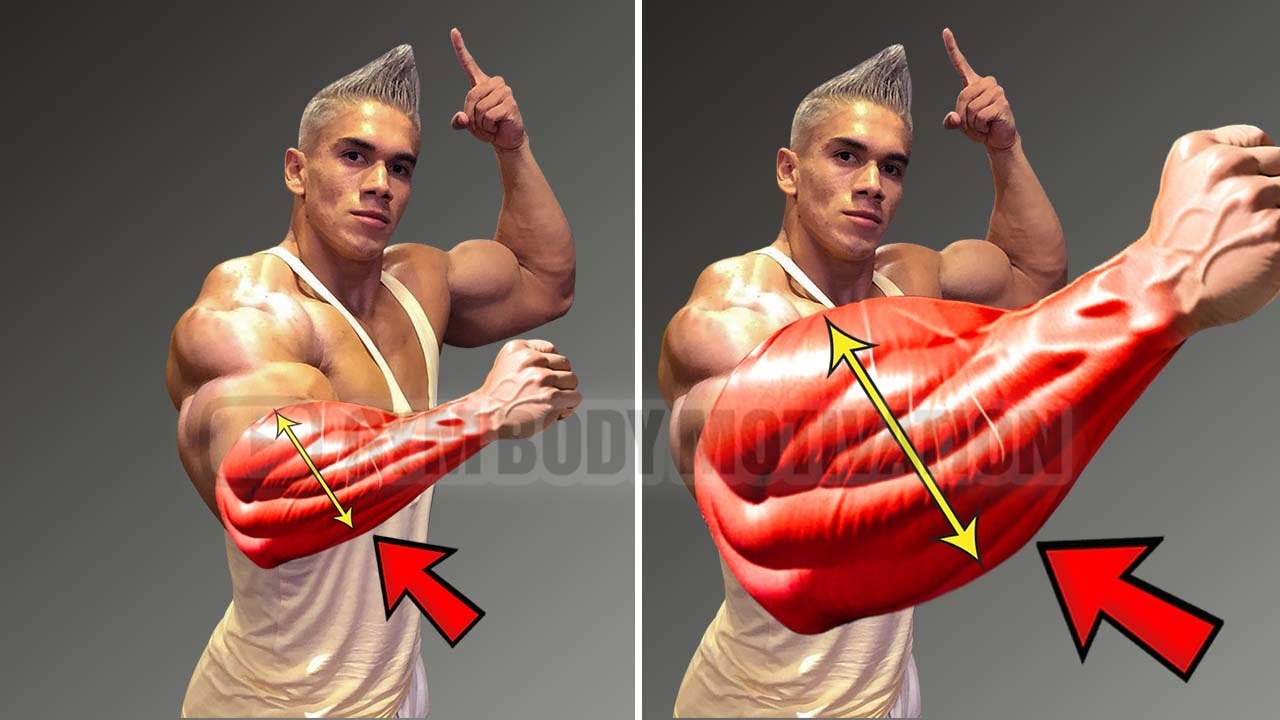
Measuring Forearm Size
Use a flexible tape measure to check the circumference of your forearms. Measure at the largest part, usually just below the elbow or around the widest muscle area. Record your measurements consistently at the same time of day to avoid fluctuations caused by swelling or water retention.
Tracking these numbers weekly or biweekly gives you clear evidence of muscle growth. If you don’t see changes after a month, it might be time to increase your workout intensity or adjust your nutrition. Have you ever noticed that muscle size can change even without significant weight gain? This highlights the importance of regular measurement.
Strength Testing Methods
Strength gains often come before visible muscle size increases. Testing your grip strength or wrist curl endurance can reveal improvements not yet seen in the mirror. You can use hand grippers, dumbbells, or a barbell to gauge how much weight you can handle comfortably.
- Try a maximum repetition test with wrist curls using a set weight.
- Measure how long you can hold a static grip on a heavy object.
- Track your progress in squeezing a hand gripper over time.
Keeping a workout journal to log these strength tests allows you to spot trends and avoid plateaus. What new strength level could you reach if you consistently tested and challenged yourself every week?
Credit: www.youtube.com
Frequently Asked Questions
How Can I Quickly Build Forearm Muscles?
To quickly build forearm muscles, focus on exercises like wrist curls, reverse curls, and farmer’s walks. Consistency is key, so include these exercises in your regular routine. Additionally, ensure proper form and gradually increase the weight. Balanced nutrition and adequate rest will also help in muscle growth.
What Exercises Are Best For Forearm Muscles?
Best exercises for forearm muscles include wrist curls, reverse wrist curls, and hammer curls. These target various parts of the forearm, ensuring balanced development. Grip strength exercises, such as farmer’s walks and dead hangs, are also effective. Integrate these into your weekly workouts for optimal results.
How Often Should I Train Forearms?
Train your forearms 2 to 3 times a week for optimal growth. Allow at least 48 hours of rest between sessions to prevent overtraining. This frequency ensures muscle recovery and growth while minimizing the risk of injury. Adjust based on personal goals and recovery ability.
Do Forearm Exercises Increase Grip Strength?
Yes, forearm exercises significantly increase grip strength. Exercises like wrist curls, reverse curls, and grip squeezes enhance forearm muscles and grip. Improved grip strength supports better performance in other exercises and daily activities. Regularly incorporating these exercises ensures balanced muscle development and increased strength.
Conclusion
Building strong forearm muscles takes time and steady effort. Focus on exercises that target both grip and wrist strength. Use proper form to avoid injuries and get better results. Rest and nutrition help your muscles grow and recover well. Track your progress to stay motivated and see changes.
Consistency is key for lasting muscle growth and strength. Keep practicing, and you will notice stronger, more defined forearms soon.







