
Feeling strong and vibrant isn’t just for the young. Even if you’re over 40, you can still build muscle and boost your energy.
Maybe you’re tired of feeling weak or you want to improve your health. Whatever your reason, you’re in the right place. Imagine feeling more confident and lively every day. You can achieve that by learning how to build muscle effectively.
Don’t worry if you’re unsure where to start or think it’s too late. This guide will show you simple and proven steps to help you gain muscle and feel great. Keep reading, and discover how you can transform your body and life with the right approach.
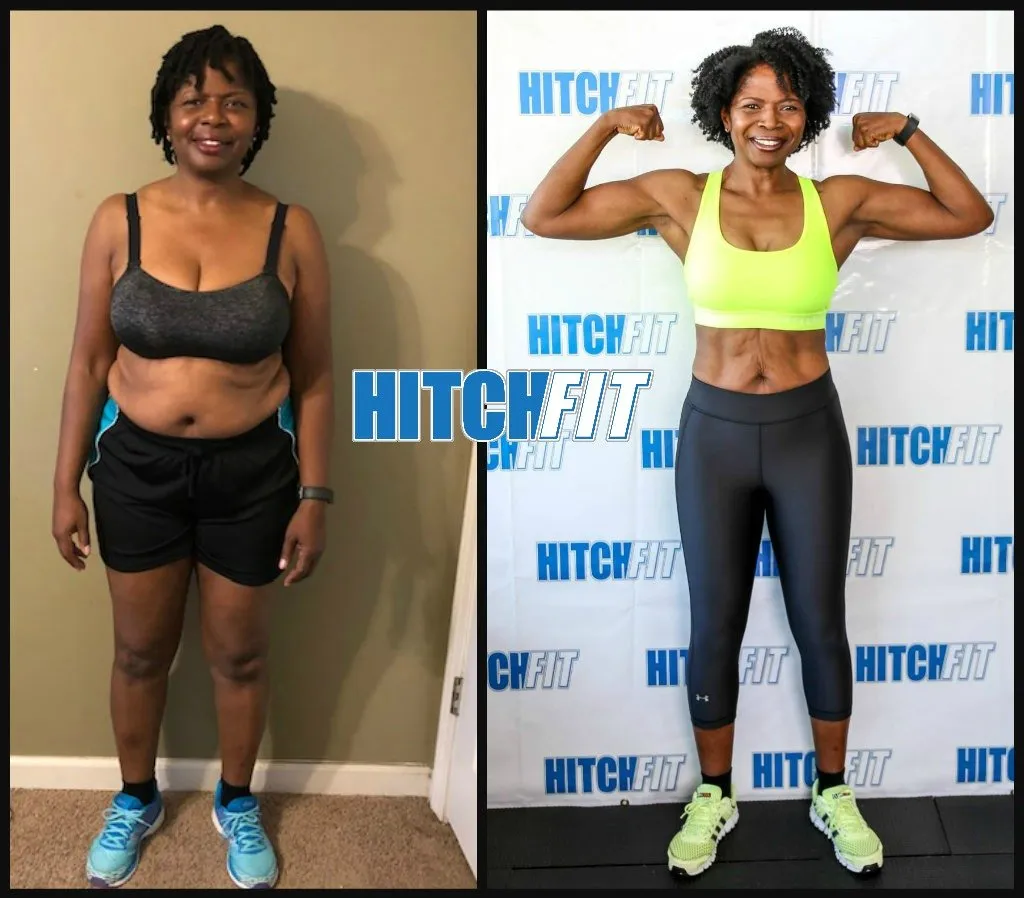
Credit: hitchfit.com
Benefits Of Muscle Building After 40
Building muscle after 40 offers more than just physical changes—it transforms how you feel, move, and live each day. Many women notice a shift in their bodies around this age, but muscle building can help you take control and improve your overall health. Understanding the benefits can motivate you to start or stick with your strength training journey.
Improved Metabolism And Weight Control
As you age, your metabolism naturally slows down, making it harder to maintain or lose weight. Building muscle helps reverse this by increasing your resting metabolic rate, so you burn more calories even when you’re not active. Have you noticed how a little strength training can make your clothes fit better and your energy last longer throughout the day?
Adding muscle also improves your body’s ability to process sugars and fats, which supports better weight control. Simple changes like lifting weights twice a week can lead to noticeable differences in your metabolism within a few months.
Enhanced Bone Density
After 40, bone density tends to decline, increasing the risk of fractures and osteoporosis. Strength training puts healthy stress on your bones, encouraging them to stay strong and dense. Think about the confidence you gain when you know your bones can support your daily activities and any adventures you choose.
Even exercises using your own body weight, like squats or push-ups, can make a big difference. This benefit often surprises women who believed only calcium or supplements could protect their bones.
Boosted Energy And Mood
Muscle building doesn’t just change your body; it changes your mind. Many women report feeling more energetic and positive after starting strength workouts. Could this be the natural mood booster you’ve been searching for?
Exercise releases endorphins, which help reduce stress and improve sleep quality. When you feel stronger physically, it’s easier to approach each day with enthusiasm and resilience.
Effective Strength Training Techniques
Effective strength training techniques are key to building muscle after 40 for women. The right approach helps improve muscle tone, increase strength, and boost metabolism. A well-planned routine also reduces the risk of injury and supports overall health. Focus on exercises, workout frequency, and gradual progress for the best results.
Choosing The Right Exercises
Select exercises that target major muscle groups. Focus on compound movements like squats, lunges, push-ups, and rows. These exercises engage multiple muscles at once, making workouts efficient. Include some isolation exercises to strengthen smaller muscles and improve balance. Use free weights, resistance bands, or machines based on comfort and availability.
Optimal Workout Frequency
Train each muscle group two to three times per week. This frequency allows muscles to recover and grow. Avoid working the same muscles on consecutive days. Rest days are essential to prevent overtraining and fatigue. Aim for 30 to 45 minutes per session to keep workouts effective and manageable.
Progressive Overload Strategies
Gradually increase the challenge to keep building muscle. Add more weight, increase repetitions, or extend workout time. Track progress to stay motivated and avoid plateaus. Small, consistent changes help muscles adapt and grow stronger. Prioritize good form to reduce injury risk while increasing intensity.
Nutrition For Muscle Growth
Nutrition plays a key role in building muscle after 40. The body’s metabolism slows down with age. Muscle repair and growth need proper fuel. Eating the right nutrients supports strength and recovery. Focus on quality foods to help muscles grow and stay healthy.
Protein Needs After 40
Protein is essential for muscle repair and growth. Women over 40 need more protein than younger adults. Aim for 1.2 to 1.5 grams of protein per kilogram of body weight daily. Good sources include:
- Lean meats
- Fish and seafood
- Eggs
- Dairy products
- Beans and legumes
- Plant-based proteins like tofu and tempeh
Distribute protein evenly across meals. This helps muscles recover better after workouts.
Balanced Macronutrient Intake
Muscle growth needs a balance of protein, fats, and carbohydrates. Carbs provide energy for exercise and recovery. Healthy fats support hormone production and joint health. A simple way to balance meals:
- 40% carbohydrates (whole grains, fruits, vegetables)
- 30% protein
- 30% healthy fats (avocado, nuts, olive oil)
Focus on whole, unprocessed foods. Avoid sugary and highly processed items.
Hydration And Supplementation
Water is vital for muscle function and recovery. Dehydration can reduce strength and cause fatigue. Drink at least 8 glasses of water daily. Increase intake around workouts.
Supplements can help fill nutritional gaps. Consider:
- Vitamin D for bone and muscle health
- Omega-3 fatty acids to reduce inflammation
- Creatine to support muscle strength
- Whey or plant protein powders for extra protein
Consult a doctor before starting supplements. Focus on a balanced diet first.

Credit: www.youtube.com
Recovery And Rest Importance
Recovery and rest are just as crucial as the workout itself, especially for women over 40 who want to build muscle. Your muscles grow and strengthen during rest, not while you’re lifting weights. Ignoring this can stall progress or even cause injury.
Sleep’s Role In Muscle Repair
Sleep is your body’s natural repair shop. During deep sleep, growth hormone is released, which helps rebuild muscle fibers and supports fat loss. Skipping sleep or getting poor-quality rest disrupts this process.
Try to get at least 7-8 hours of uninterrupted sleep every night. If you struggle with sleep, consider creating a calming bedtime routine or reducing screen time an hour before bed. Have you noticed how your workouts feel tougher after a bad night’s sleep?
Active Recovery Methods
Active recovery means moving your body gently on rest days instead of complete inactivity. Activities like walking, yoga, or light swimming increase blood flow and help clear out muscle soreness.
Adding these low-impact movements can speed up your recovery without taxing your muscles further. What small activity can you add tomorrow to ease muscle tightness?
- Stretching for 10-15 minutes
- Leisurely bike rides
- Gentle yoga sessions
Managing Stress Levels
High stress increases cortisol, a hormone that breaks down muscle tissue and slows recovery. Managing stress is just as important as your exercise routine.
Simple techniques like deep breathing, meditation, or spending time outdoors can lower stress. How often do you check in with yourself to see if stress is impacting your progress?
Common Challenges And Solutions
Building muscle after 40 presents unique challenges for women. Age-related changes affect strength and recovery. Understanding these challenges helps find effective solutions. Focus on adapting workouts and lifestyle for better results. Keep the journey safe, motivating, and rewarding.
Overcoming Hormonal Changes
Hormonal shifts lower estrogen and growth hormone levels. These changes reduce muscle mass and slow metabolism. Nutrition plays a key role in balancing hormones. Include protein-rich foods and healthy fats in your diet. Strength training boosts hormone production naturally. Regular exercise helps maintain muscle and bone health.
Preventing Injuries
Injury risk increases with age and muscle loss. Proper warm-ups prepare muscles and joints for exercise. Use lighter weights and focus on form to avoid strain. Rest days allow muscles to recover and grow. Stretching improves flexibility and reduces stiffness. Consider working with a trainer to learn safe techniques.
Staying Motivated Long-term
Consistency is essential for muscle growth after 40. Set small, clear goals to track progress easily. Celebrate improvements, no matter how small they seem. Find a workout buddy or join a fitness group. Variety in workouts keeps exercise fun and interesting. Focus on how exercise improves health and mood.

Credit: www.youtube.com
Tracking Progress And Adjustments
Tracking your progress and making adjustments is key to building muscle after 40. It helps you stay motivated and ensures your efforts lead to real results. Without monitoring, you might miss signs that your workout or nutrition needs a tweak.
Setting Realistic Goals
Setting achievable goals keeps you focused and prevents frustration. Instead of aiming to gain 10 pounds of muscle in a month, target smaller milestones like increasing your strength by 5% every two weeks. This makes your progress measurable and encourages consistency.
Ask yourself: What can I realistically improve this month? Setting clear targets for weight lifted, reps completed, or body measurements can guide your workouts and nutrition.
Using Fitness Apps And Journals
Tracking tools like apps and journals make it easy to record your workouts, meals, and body changes. Many apps also offer reminders and progress charts, keeping you accountable.
If you prefer pen and paper, a simple journal works well too. Write down the weights you lift, reps, and how you feel after each session. Over time, this log reveals patterns and highlights what’s working.
Adapting Workouts Over Time
Muscle growth requires change. If your muscles stop feeling challenged, it’s time to adjust your routine. You can add more weight, increase reps, or try new exercises targeting the same muscles.
Listen to your body and watch your progress logs. If strength gains plateau or soreness disappears, tweak your workouts to keep improving. How often do you review and change your routine to keep making gains?
Frequently Asked Questions
How Can Women Over 40 Start Building Muscle Safely?
Women over 40 should start with light weights and proper form. Gradually increase intensity and focus on compound exercises. Rest and recovery are crucial to avoid injury. Consult a fitness professional to tailor a safe workout plan.
What Diet Supports Muscle Growth For Women Over 40?
A balanced diet rich in protein, healthy fats, and complex carbs supports muscle growth. Include lean meats, fish, beans, and vegetables. Stay hydrated and consider supplements like vitamin D or collagen after consulting a doctor.
How Often Should Women Over 40 Train To Build Muscle?
Training 3 to 4 times per week is ideal. Allow 48 hours of rest between strength sessions for muscle recovery. Include both resistance training and cardio for overall fitness and muscle maintenance.
Can Strength Training Help With Hormonal Changes After 40?
Yes, strength training boosts metabolism and balances hormones. It helps reduce muscle loss caused by declining estrogen. Regular workouts improve mood, energy, and bone density, supporting overall health.
Conclusion
Building muscle after 40 is possible with patience and care. Focus on regular strength training and balanced nutrition. Rest and recovery help muscles grow stronger. Stay consistent and listen to your body’s needs. Small progress adds up over time. Enjoy the journey to a healthier, stronger you.
Keep going—you can do this.







