
Are you tired of struggling with weak forearms? Do you want to enhance your grip strength and elevate your overall fitness game?
Building forearm muscle isn’t just for bodybuilders; it’s crucial for anyone looking to improve their athletic performance and daily life activities. Imagine confidently lifting heavy objects, excelling in sports, or simply enjoying the strength in your arms. This guide is your key to unlocking powerful forearms.
We’ll explore effective exercises, tips, and techniques that are easy to follow and incorporate into your routine. Dive in to discover how you can transform your forearms and gain the strength and confidence you’ve been seeking.

Credit: toneopfit.com
Forearm Muscle Basics
Understanding the basics of forearm muscles helps build strength effectively. Strong forearms improve grip, wrist stability, and overall arm power. Knowing the muscle structure and how they grow sets a solid foundation for training. This section explains forearm muscle anatomy and key factors influencing muscle growth.
Forearm Muscle Anatomy
The forearm contains many muscles controlling hand and wrist movement. These muscles split into two groups: flexors and extensors. Flexors sit on the palm side and bend the wrist and fingers. Extensors are on the back side and straighten the wrist and fingers.
- Flexor muscles:flexor carpi radialis, flexor carpi ulnaris, palmaris longus
- Extensor muscles:extensor carpi radialis, extensor carpi ulnaris, extensor digitorum
Forearm muscles work together for gripping, lifting, and wrist rotation. Strong muscles reduce injury risk during daily activities and sports.
Muscle Growth Factors
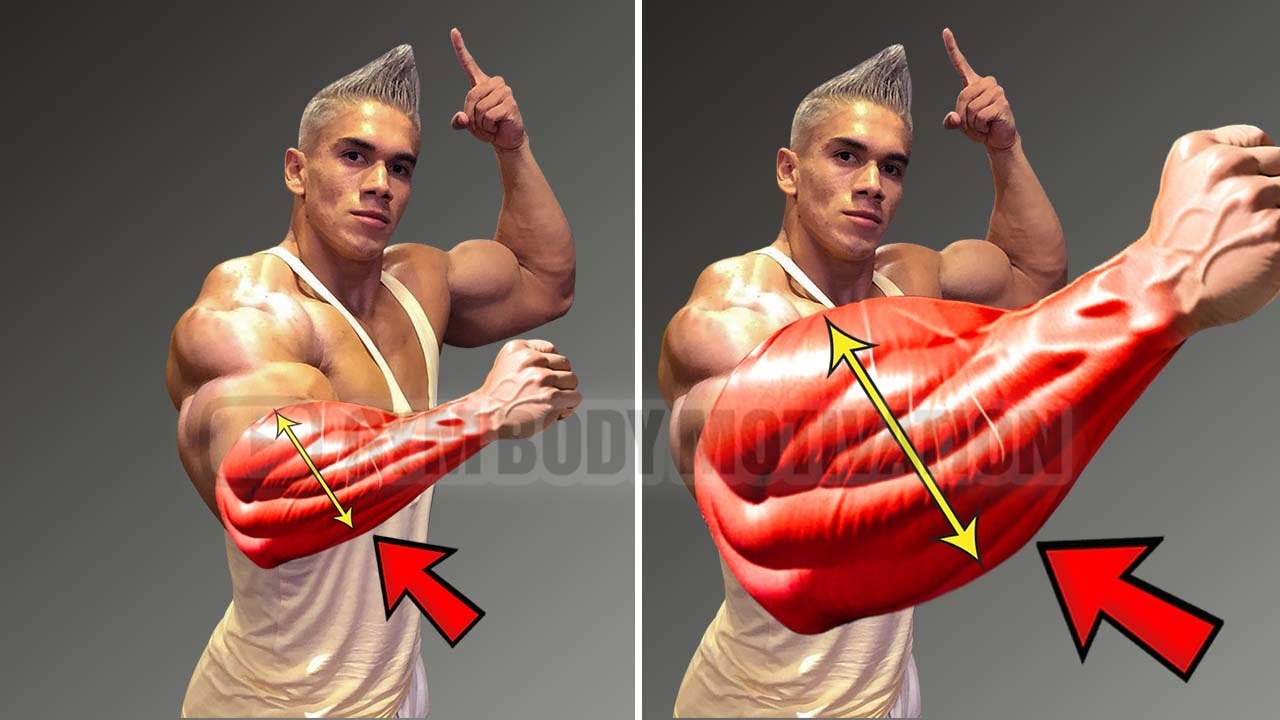
Muscle growth depends on consistent training and proper recovery. Forearm muscles respond well to resistance exercises and progressive overload. This means increasing weight or reps over time.
- Exercise intensity:Use weights that challenge muscles without causing injury.
- Volume and frequency:Train forearms 2-3 times per week for best results.
- Nutrition:Protein supports muscle repair and growth.
- Rest:Muscles need time to recover and grow stronger.
Combining these factors helps build bigger and stronger forearms effectively.
Credit: www.youtube.com
Effective Exercises
Building strong forearms requires targeted exercises. Focus on moves that engage both wrist and grip muscles. These exercises improve muscle size and grip strength effectively. Consistency and proper form are key for progress.
Wrist Curls Variations
Wrist curls target the forearm flexors. Sit on a bench and hold a dumbbell with your palm facing up. Curl your wrist upwards, then lower slowly. Change grip to palms down for reverse wrist curls. Use light weights to avoid strain.
Reverse Wrist Curls
This exercise strengthens the forearm extensors. Hold a dumbbell with your palm facing down. Curl your wrist upward and lower it slowly. Perform controlled movements to avoid injury. It balances forearm strength for better muscle development.
Farmer’s Walk
Grab heavy dumbbells or kettlebells in each hand. Walk a set distance while keeping your core tight. This improves grip endurance and forearm size. Maintain good posture and steady pace. It also benefits overall body strength.
Hammer Curls
Hold dumbbells with palms facing your body. Curl the weights while keeping your wrists neutral. This targets the brachioradialis muscle in the forearm. Use moderate weight and slow motion. It builds both forearm and bicep strength.
Grip Strength Workouts
Strong grip supports all forearm exercises. Use hand grippers or squeeze stress balls regularly. Dead hangs from a pull-up bar also improve grip. Include plate pinches by holding weight plates together. These workouts enhance control and endurance.
Training Tips For Growth
Growing strong forearms requires more than just lifting weights. Training smart is key to steady muscle growth. Focus on techniques that maximize efficiency and prevent injury. Small changes make a big difference over time. Follow these tips to help your forearms grow stronger and larger.
Proper Form And Technique
Use the right form to target forearm muscles effectively. Avoid swinging or using momentum during exercises. Controlled movements keep tension on the muscles. Grip weights firmly but not too tight. Maintain a neutral wrist position to prevent strain.
Progressive Overload
Increase the weight or resistance gradually. Challenge your muscles to adapt and grow. Track your progress to know when to add more weight. Small steps help avoid injury and improve strength. Use heavier dumbbells or thicker grip tools as you improve.
Training Frequency
Train your forearms two to three times per week. Give your muscles time to recover between sessions. Avoid training the same muscles every day. Focus on quality, not just quantity. Short, consistent workouts work best for growth.
Rest And Recovery
Rest is essential for muscle repair and growth. Sleep at least 7-8 hours each night. Avoid overtraining to prevent fatigue and injury. Stretch your forearms after workouts to improve flexibility. Use light massages or foam rollers to relieve tightness.

Credit: toneopfit.com
Nutrition For Muscle Gain
Nutrition plays a crucial role in building forearm muscle. Without the right fuel, your workouts won’t translate into the strength and size gains you want. What you eat directly impacts muscle recovery, growth, and overall performance.
Protein Intake
Protein is the building block of muscle. Aim to eat enough protein throughout the day to support muscle repair and growth.
Good sources include chicken, fish, eggs, beans, and Greek yogurt. Try to spread your protein intake evenly across meals to keep your muscles fueled consistently.
Wondering how much protein you need? A general guideline is about 1.6 to 2.2 grams of protein per kilogram of your body weight daily.
Balanced Diet Essentials
Muscle gain isn’t just about protein. Your body needs carbohydrates for energy and fats for hormone production.
Include whole grains, fruits, and vegetables to provide essential vitamins and minerals. These nutrients help your muscles recover faster and reduce fatigue.
Don’t forget hydration—water supports nutrient transport and muscle function. How much water do you drink during and after your workouts?
Supplements To Consider
Supplements can support your muscle-building efforts but aren’t magic solutions. Creatine monohydrate is one of the most studied and effective options to increase strength and size.
Whey protein powder is convenient when you can’t get enough protein from food. Also, consider omega-3 supplements to reduce inflammation and aid recovery.
Before adding supplements, evaluate your diet first. Are you missing key nutrients that supplements could fill in for?
Common Mistakes To Avoid
Building strong forearm muscles takes more than just consistent effort. Avoiding common mistakes can save you time and frustration, helping you see results faster. Let’s look at some pitfalls that often hold people back.
Overtraining Risks
It’s tempting to push your forearms hard every day, but overtraining can cause more harm than good. Forearms are involved in many daily activities, so they need adequate rest to grow stronger.
Ignoring recovery leads to fatigue, decreased strength, and even injury. Have you ever felt persistent soreness or weakness? That’s a sign you might be overdoing it.
Focus on quality over quantity. Aim for 2-3 focused forearm sessions per week instead of daily workouts.
Ignoring Grip Strength
Forearm muscles and grip strength go hand in hand. Neglecting grip work limits your overall forearm development.
Simple exercises like farmer’s walks, wrist curls, and using hand grippers can boost grip strength significantly. What’s your current grip routine missing?
Adding specific grip training makes your forearm workouts more effective and functional.
Neglecting Recovery
Muscle growth happens during rest, not just when you train. Skipping recovery slows down progress and increases injury risk.
Make sure to stretch your forearms after workouts and consider foam rolling or massage to improve blood flow. Getting enough sleep also plays a crucial role in muscle repair.
Are you treating your forearm muscles like they need rest as much as your bigger muscle groups?
Tracking Progress
Tracking progress is key to building forearm muscles effectively. It shows if your workouts work or need change. Consistent tracking helps stay motivated and meet goals faster. It also prevents plateaus by signaling when to push harder.
Measuring Muscle Growth
Use a tape measure to check forearm size. Measure around the largest part of your forearm. Do this at the same time weekly for accuracy. Take photos from different angles. Compare photos every few weeks to see visual changes.
Track strength improvements too. Record the weight and reps in your exercises. Stronger lifts often mean muscle growth. Write down these numbers in a workout journal or app.
Adjusting Workouts
Change exercises if progress slows. Add more weight or increase reps gradually. Try new moves targeting different forearm muscles. Vary grip styles to challenge muscles differently.
Rest days matter. Allow muscles time to recover and grow. Too little rest can stall progress. Balance workout intensity with enough recovery.
Frequently Asked Questions
What Are The Best Exercises For Forearm Muscle Growth?
Effective exercises include wrist curls, reverse wrist curls, farmer’s walks, and hammer curls. These target forearm muscles directly and promote strength and size.
How Often Should I Train Forearm Muscles Weekly?
Training forearms 2-3 times per week is ideal. Allow rest days for recovery to avoid overtraining and maximize muscle growth.
Can Grip Strength Improve Forearm Muscle Size?
Yes, improving grip strength activates forearm muscles intensely. Using grip trainers or holding heavy weights helps build muscle and endurance.
Should I Use Heavy Or Light Weights For Forearm Training?
Use moderate to heavy weights with controlled reps. This balance helps build muscle size and strength without risking injury.
Conclusion
Building forearm muscles takes time and steady effort. Focus on simple exercises and use proper form. Rest well between workouts to help muscles grow. Eating healthy supports your training and recovery. Stay patient and keep your routine consistent. Small gains add up to strong forearms.
Enjoy the progress and feel stronger every day. Keep pushing forward, one step at a time.







