
Are you tired of feeling stuck in your fitness journey, trying to build muscle and lose fat but not seeing the results you want? You’re not alone.
Many women face this challenge, and it’s easy to feel overwhelmed with all the conflicting advice out there. But here’s the good news: achieving your fitness goals is more attainable than you might think. By understanding the right strategies and making small, consistent changes, you can transform your body effectively and sustainably.
This guide is designed specifically for you—clear, straightforward, and packed with actionable tips to help you build muscle and shed fat. Ready to discover how you can become stronger, healthier, and more confident? Keep reading to learn the secrets that will empower your fitness journey.

Credit: www.youtube.com
Muscle Building Basics
Understanding the basics of muscle building is essential for women aiming to gain strength and shed fat effectively. It’s not just about lifting weights; it’s about knowing which muscles to target, how they grow, and clearing up common misunderstandings that might hold you back. This knowledge helps you train smarter, not harder, and stay motivated through your fitness journey.
Key Muscle Groups For Women
Focusing on the right muscle groups can make your workouts more effective and balanced. Women often benefit from targeting these areas:
- Glutes:Powerful for both aesthetics and functional strength.
- Legs:Including quads, hamstrings, and calves for overall lower body strength.
- Core:Strengthens your midsection and supports all movements.
- Back:Improves posture and helps with upper body strength.
- Arms:Tones and builds endurance for daily tasks and other exercises.
Focusing on these groups ensures a well-rounded physique and prevents muscle imbalances that can cause injury.
How Muscles Grow
Muscle growth happens when you challenge your muscles beyond their usual capacity. This process, called hypertrophy, involves tiny tears in muscle fibers that repair and grow stronger.
Nutrition plays a huge role too. Your body needs enough protein and calories to rebuild muscle efficiently after workouts.
Rest is just as important as training. Without proper recovery, your muscles can’t rebuild and grow, which slows progress.
Common Myths About Female Muscle
Many women avoid strength training due to myths that cause unnecessary fear or confusion. Let’s clear up some of the biggest ones:
- Myth:Lifting weights makes women bulky.
Reality:Women generally don’t have the testosterone levels to gain bulky muscles like men. - Myth:Cardio is the only way to lose fat.
Reality:Strength training builds muscle, which boosts your metabolism and helps burn fat more effectively. - Myth:You need to spend hours in the gym.
Reality:Short, consistent sessions with proper technique often deliver better results.
Are you ready to challenge these myths and use muscle building as a tool for fat loss and strength? Your body will thank you for it.

Credit: www.youtube.com
Fat Loss Fundamentals
Understanding fat loss fundamentals is key to building muscle and losing fat effectively. It’s not just about cutting calories or working out harder. Knowing how your body uses energy and what affects fat storage can change how you approach your fitness goals.
How Fat Loss Works
Fat loss happens when your body uses more energy than it takes in. This means your body starts breaking down stored fat for fuel. It’s important to realize that fat loss doesn’t happen only in one spot; it’s a whole-body process.
Think about your daily routine—are you moving enough to burn calories beyond what you eat? Even small changes like walking more or standing while working can add up to significant fat loss over time.
Importance Of Calorie Deficit
A calorie deficit is the foundation of fat loss. It means eating fewer calories than your body needs to maintain its current weight. This forces your body to tap into fat stores for energy.
Creating a calorie deficit doesn’t mean starving yourself. It’s about adjusting your meals and snacks so you get enough nutrients but fewer calories. You could swap sugary drinks for water or add more veggies to fill up without extra calories.
Role Of Metabolism
Your metabolism controls how fast your body burns calories. It includes all the processes that keep you alive, like breathing and digesting food. A faster metabolism can help you lose fat quicker, but it’s not the only factor.
Muscle mass plays a big role in metabolism. More muscle means you burn more calories even at rest. That’s why strength training is crucial—you build muscle that helps boost your metabolism and supports fat loss.
Nutrition Strategies
Nutrition plays a key role in building muscle and losing fat for females. Eating the right foods fuels workouts and aids recovery. It also shapes how your body changes over time. A clear nutrition plan helps balance muscle gain and fat loss without feeling deprived. Understanding macronutrients and meal patterns improves results. Choosing the best foods supports your fitness goals effectively.
Macronutrient Breakdown
Protein is essential for muscle repair and growth. Aim for about 1.2 to 2 grams per kilogram of body weight daily. Carbohydrates provide energy for workouts and daily activities. Include complex carbs like whole grains and vegetables. Healthy fats support hormone function and overall health. Keep fats moderate, around 20-30% of your daily calories.
Best Foods For Muscle Gain
- Lean meats such as chicken, turkey, and lean beef
- Fish rich in omega-3 like salmon and tuna
- Eggs, a complete source of protein
- Low-fat dairy like Greek yogurt and cottage cheese
- Legumes including lentils, chickpeas, and beans
- Quinoa and brown rice for plant-based protein
Foods That Promote Fat Loss
- Vegetables with high fiber and low calories like broccoli and spinach
- Fruits such as berries and apples for natural sweetness
- Nuts and seeds in small portions for healthy fats
- Green tea, which may help boost metabolism
- Water-rich foods like cucumbers and watermelon
Meal Timing And Frequency
Eat protein with every meal to support muscle repair. Space meals every 3-4 hours to maintain energy. Pre-workout meals with carbs and protein fuel exercise. Post-workout meals aid recovery and muscle growth. Drinking water throughout the day keeps metabolism steady. Avoid long gaps between meals to prevent overeating later.
Effective Workout Plans
Effective workout plans are key to building muscle and losing fat for females. The right exercises help shape the body and boost metabolism. Balancing strength and cardio training ensures steady progress without burnout. A well-structured routine supports fat loss while increasing muscle tone. Consistency and variety keep workouts engaging and effective.
Strength Training Essentials
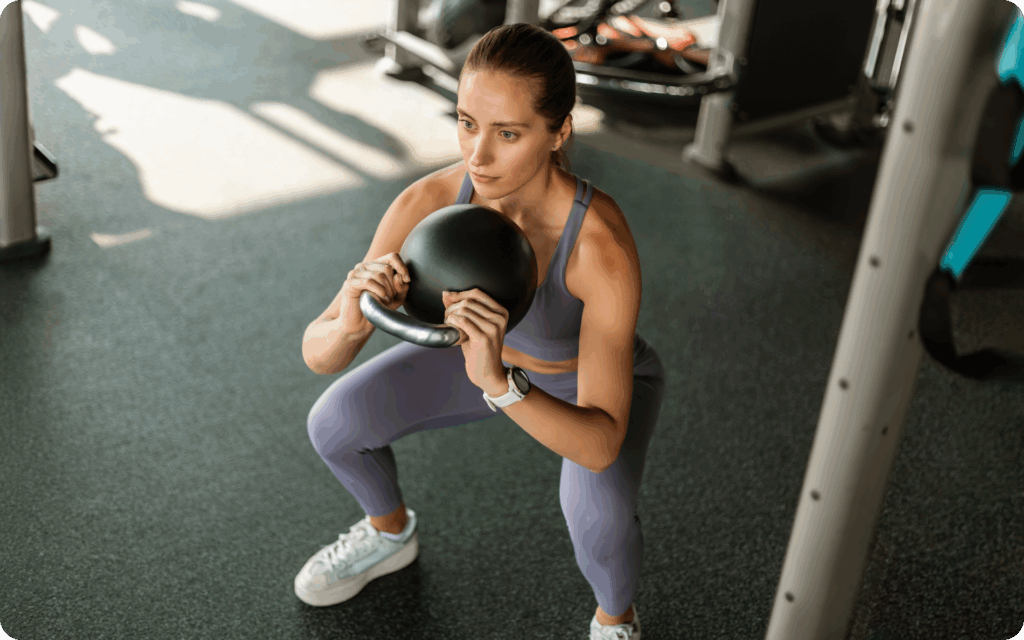
Strength training builds muscle and strengthens bones. Focus on major muscle groups: legs, back, chest, and arms. Use weights, resistance bands, or bodyweight exercises. Aim for 3 to 4 sessions per week. Keep reps between 8 and 12 for muscle growth. Rest 48 hours between sessions for recovery. Compound movements like squats and push-ups work multiple muscles at once. Proper form prevents injury and maximizes results.
Cardio For Fat Burning
Cardio helps burn calories and improve heart health. Choose activities like walking, running, cycling, or swimming. Moderate-intensity cardio for 30 to 45 minutes is effective. High-Intensity Interval Training (HIIT) can burn more fat in less time. Mix steady-state and interval cardio to avoid plateaus. Cardio also boosts energy and mood. Do cardio 2 to 3 times per week for best results.
Combining Strength And Cardio
Combining strength and cardio accelerates fat loss and muscle gain. Alternate workout days between strength and cardio. Or combine both in one session with circuits or supersets. This increases calorie burn and keeps workouts varied. Balance is key to avoid overtraining and injury. Listen to your body and adjust intensity as needed. Proper nutrition and rest support your training efforts.
Sample Weekly Workout Routine
| Day | Workout | Focus |
|---|---|---|
| Monday | Squats, Push-ups, Dumbbell Rows | Strength Training |
| Tuesday | 30 min Moderate Cardio | Fat Burning |
| Wednesday | Deadlifts, Lunges, Shoulder Press | Strength Training |
| Thursday | HIIT: Sprint Intervals 20 min | Fat Burning |
| Friday | Glute Bridges, Planks, Bicep Curls | Strength Training |
| Saturday | Rest or Light Activity | Recovery |
| Sunday | Long Walk or Yoga | Active Recovery |
Recovery And Rest
Recovery and rest play a crucial role in your journey to build muscle and lose fat. Without proper recovery, your efforts in the gym and kitchen can fall short. Giving your body time to heal and recharge helps you perform better, prevents injuries, and supports long-term progress.
Importance Of Sleep
Sleep is your body’s natural repair mode. During deep sleep, muscle growth hormones are released, helping you build strength and recover from workouts.
Most adults need 7 to 9 hours of quality sleep each night. Ask yourself: Are you really getting enough rest to support your fitness goals?
Cutting back on screens before bed, keeping a consistent sleep schedule, and creating a calm environment can dramatically improve your sleep quality.
Active Recovery Techniques
Active recovery means moving your body gently on rest days. This can include walking, yoga, or light stretching.
These activities increase blood flow, reduce muscle stiffness, and speed up healing without adding stress.
- Try a 20-minute walk after your workout to clear your mind and loosen your muscles.
- Use foam rolling to target tight spots and improve mobility.
- Incorporate gentle yoga sessions to boost flexibility and relaxation.
Managing Stress For Better Results
Stress affects your hormones and can slow down fat loss and muscle gain. When you’re stressed, your body produces cortisol, which can lead to fat storage and muscle breakdown.
Finding ways to manage stress is key to staying on track. Simple habits like deep breathing, meditation, or even chatting with friends can lower your stress levels.
Think about your daily routine—what small changes can you make to reduce tension and support your recovery?
Tracking Progress
Tracking your progress is key to building muscle and losing fat. It helps you see real changes and stay motivated. Without tracking, you might miss important signs that show how well your plan works. Good tracking reveals what to keep doing and what to change.
Measuring Muscle Gain
Muscle gain is not always visible right away. Use a tape measure to track body parts like arms, legs, and chest. Take measurements every two weeks at the same time of day. Note changes in strength during workouts. Stronger lifts usually mean more muscle growth. Pictures can also help you see subtle changes.
Tracking Fat Loss
Fat loss is best tracked by combining several methods. Use a scale but avoid daily weigh-ins to prevent stress. Measure waist and hip size with a tape. Check how your clothes fit. Pay attention to body fat percentage if possible. Skinfold calipers or bioelectrical scales work well. Record these numbers regularly for a clear picture.
Adjusting Plans Based On Results
Review your measurements and notes every month. If muscle gain is slow, increase protein and strength training. If fat loss stalls, adjust calorie intake or add cardio. Small changes can make a big difference over time. Stay flexible and listen to your body. Progress is a journey, not a race.
Common Challenges
Building muscle and losing fat at the same time is a tough journey, especially for females who often face unique challenges. These hurdles can slow progress and test your resolve. Knowing what to expect can help you stay prepared and keep pushing toward your goals.
Plateaus And How To Break Them
Hitting a plateau can feel like your body just refuses to change no matter how hard you work. It’s frustrating, but totally normal. Your muscles adapt, and your metabolism adjusts, which means your current workout or diet plan stops being effective.
To break through, try changing your routine:
- Increase weights or reps gradually to challenge your muscles.
- Switch up your exercises to target muscles differently.
- Adjust your calorie intake—sometimes eating a bit more or less can kickstart progress.
Ask yourself: Are you doing the same workouts for weeks without change? That might be why your progress stalled.
Dealing With Motivation Slumps
Motivation isn’t a constant—it ebbs and flows. You might feel pumped one day and completely unmotivated the next. This is where many give up, but you don’t have to.
Try these tips to stay on track:
- Set small, achievable goals to keep a sense of accomplishment.
- Track your progress visually, like photos or measurements, not just the scale.
- Find a workout buddy or community for support and accountability.
Think about why you started. What’s one reason you want this transformation? Holding onto that can reignite your drive.
Avoiding Injury
Injuries can derail your progress and cause setbacks that last weeks or months. They often happen when you push too hard, use poor form, or skip rest days.
Keep these points in mind:
- Focus on proper technique—quality beats quantity every time.
- Warm up before workouts and stretch afterward to keep muscles flexible.
- Listen to your body. Pain is a warning sign, not a challenge to overcome.
I once ignored knee pain to keep lifting heavier. It forced me off the gym for a month. Don’t make that mistake—your body needs respect to grow stronger.
Credit: betterme.world
Frequently Asked Questions
How Can Females Build Muscle And Lose Fat Simultaneously?
Females can build muscle and lose fat by combining strength training with cardio. A balanced diet rich in protein supports muscle growth. Caloric deficit helps reduce fat while preserving muscle mass. Consistency and proper recovery are essential for effective results.
What Are The Best Exercises For Female Muscle Gain?
Strength training exercises like squats, deadlifts, and push-ups are ideal. Compound movements engage multiple muscle groups efficiently. Incorporating resistance training 3-4 times weekly promotes muscle growth. Progressive overload helps continuously challenge muscles and improve strength.
How Important Is Protein Intake For Fat Loss In Females?
Protein intake is crucial as it supports muscle repair and growth. It also boosts metabolism and helps control appetite. Consuming 1. 2 to 2. 0 grams of protein per kilogram of body weight daily is recommended for fat loss and muscle preservation.
Can Cardio Hinder Muscle Building For Females?
Excessive cardio can hinder muscle gain by increasing calorie expenditure. Moderate cardio improves cardiovascular health and aids fat loss without sacrificing muscle. Balancing cardio with strength training is key for optimal muscle building and fat reduction.
Conclusion
Building muscle and losing fat takes time and steady effort. Focus on balanced workouts and healthy meals every day. Rest well to help your body recover and grow stronger. Stay patient and trust the process. Small steps lead to big changes.
Keep your goals clear and stay motivated. This journey is about feeling good and being healthy. You can do it with consistency and care.







