
Are you ready to unlock the secrets to building muscle effectively and efficiently? Imagine feeling stronger, more confident, and achieving the toned physique you’ve always desired.
Whether you’re a fitness newbie or looking to refine your workout strategy, understanding how to build muscle as a female is crucial. You might be wondering, “Is muscle building different for women? ” Or “What exercises should I focus on?
” This guide has the answers you need. By the end of this article, you’ll have a clear, actionable plan that fits seamlessly into your lifestyle. Get ready to transform not just your body, but your confidence and energy levels, too. Let’s dive in and discover how to make those muscle-building goals a reality for you!
Benefits Of Muscle Building For Women
Building muscle offers many benefits for women beyond just physical appearance. Strong muscles support daily activities and improve overall health. Muscle building helps women feel more energetic and resilient. It also supports long-term wellness by boosting metabolism and mental strength.
Improved Strength And Endurance
Muscle building increases your physical strength. Tasks like carrying groceries or climbing stairs become easier. Stronger muscles also improve endurance, helping you stay active longer. This leads to better performance in sports and workouts. It reduces fatigue and the risk of injury in daily life.
Enhanced Metabolism And Fat Loss
Muscle tissue burns more calories than fat, even at rest. This means your metabolism speeds up naturally. A faster metabolism helps burn fat more efficiently. Building muscle can lead to a leaner, toned body shape. It supports healthy weight management without extreme dieting.
Boosted Confidence And Mental Health
Gaining muscle can improve body image and self-esteem. Feeling stronger often increases confidence in many areas of life. Exercise releases endorphins, which reduce stress and anxiety. Muscle building encourages discipline and a positive mindset. It creates a sense of accomplishment and mental clarity.
Key Principles Of Muscle Growth
Building muscle requires understanding some key principles. These principles help women gain strength and tone their bodies effectively. Knowing how muscles grow guides your workout and diet choices. This section explains the main factors that support muscle growth.
Progressive Overload
Muscles grow by adapting to stress. Progressive overload means increasing the challenge over time. This can be done by:
- Adding more weight to exercises
- Doing more repetitions or sets
- Increasing workout intensity or speed
This gradual increase forces muscles to repair and grow stronger. Without overload, muscles stay the same size.
Proper Recovery
Muscle growth happens during rest, not workout. Proper recovery gives muscles time to heal and grow. Important recovery tips include:
- Getting enough sleep every night
- Taking rest days between hard workouts
- Using stretching or light activity to reduce soreness
Ignoring recovery can lead to injury and slow progress.
Nutrition For Muscle Gain
Good nutrition fuels muscle repair and growth. Focus on eating enough protein, which builds muscle fibers. Other nutrition tips:
- Eat balanced meals with carbs and healthy fats
- Drink plenty of water to stay hydrated
- Consume protein-rich foods like lean meat, beans, or dairy
Proper nutrition supports your workouts and muscle-building goals.
Effective Workout Strategies
Building muscle for females requires smart workout strategies. These strategies help to increase strength, tone muscles, and improve overall fitness. Effective workouts combine different types of exercises to target muscles and boost metabolism. Understanding how to plan workouts ensures steady progress and reduces injury risk.
Strength Training Basics
Strength training is essential for muscle growth. Use weights or resistance bands to challenge muscles. Start with lighter weights and increase gradually. Aim for 2 to 4 sessions per week. Focus on proper form to avoid injury. Allow muscles to rest between workouts for recovery. Consistency is key to seeing results.
Compound Vs Isolation Exercises
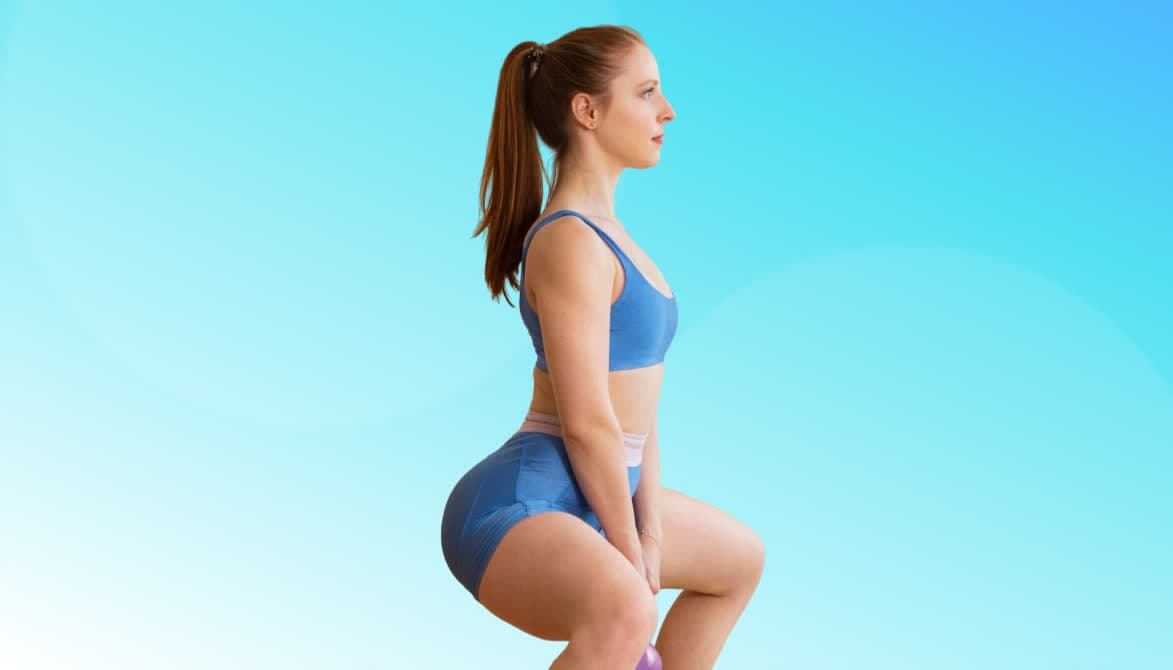
Compound exercises work multiple muscle groups at once. Examples include squats, deadlifts, and push-ups. These moves burn more calories and build strength fast. Isolation exercises target one muscle group. Examples are bicep curls and leg extensions. Use a mix of both for balanced muscle growth. Compound exercises should form the workout base.
Incorporating Cardio
Cardio helps burn fat and improves heart health. Choose moderate cardio like walking, cycling, or swimming. Limit intense cardio to avoid muscle loss. Combine cardio with strength training for best results. Aim for 150 minutes of cardio weekly. Short sessions after strength training work well. This balance supports muscle gain and fat loss.
Nutrition Tips For Muscle Building
Good nutrition fuels muscle growth and recovery for females. Eating the right foods helps build strong muscles and improves workout results. Focus on key nutrition areas to support muscle gain effectively.
Protein Requirements
Protein is vital for muscle repair and growth. Women should aim for about 1.2 to 2.0 grams of protein per kilogram of body weight daily. Sources like chicken, fish, beans, and dairy provide quality protein. Spread protein intake evenly across meals to help muscles recover and grow.
Balancing Macronutrients
Besides protein, carbohydrates and fats play important roles. Carbohydrates provide energy for workouts. Healthy fats support hormone balance and overall health. A balanced plate might include:
- 40% carbohydrates (rice, oats, fruits)
- 30% protein (lean meats, tofu, legumes)
- 30% healthy fats (avocado, nuts, olive oil)
This balance supports energy needs and muscle development.
Meal Timing And Hydration
Eating meals and snacks at the right times aids muscle growth. Try to eat protein-rich foods within 30 to 60 minutes after exercise. Staying hydrated is equally important. Water helps transport nutrients and keeps muscles working well. Aim to drink water throughout the day, not just during workouts.
Common Challenges And Solutions
Building muscle is a rewarding but challenging journey for many women. Common obstacles can slow progress or cause frustration. Understanding these challenges helps to find practical solutions. This way, the path to stronger muscles becomes clearer and more achievable.
Overcoming Plateaus
Muscle growth may stall after some time. This plateau happens when your body adapts to the workout. To break through, change your routine regularly. Try different exercises or increase weights gradually. Rest days are important to help muscles recover and grow. Tracking progress can show what works and what needs change.
Avoiding Injury
Injuries can stop progress and cause setbacks. Proper form during exercises reduces injury risk. Use lighter weights to learn the correct technique first. Warm up before workouts and cool down afterward. Listen to your body and stop if you feel pain. Rest is key to healing and preventing long-term damage.
Staying Motivated
Staying motivated can be tough over time. Set small, clear goals to celebrate progress. Find a workout buddy or join a group for support. Mix workouts to keep them fun and interesting. Remember why you started and focus on how strong you feel. Positive changes in energy and mood can boost motivation too.

Credit: swolverine.com
Tracking Progress And Adjusting Plans
Tracking progress and adjusting plans are key to building muscle effectively. Regularly checking your results helps you see what works. This way, you can make smart changes to your workouts and diet. Progress tracking keeps motivation high and guides your fitness journey.
Measuring Strength Gains
Strength gains show how much your muscles improve. Keep a simple workout log. Write down weights, reps, and sets for each exercise. Notice when you lift heavier or do more reps. Small increases mean your muscles grow stronger. Test your max strength every few weeks to track progress.
Body Composition Tracking
Body composition shows the amount of muscle versus fat. Use methods like skinfold calipers, tape measures, or body fat scales. Measure key areas like waist, hips, and arms. Take photos regularly to see visual changes. Tracking body composition helps you focus on muscle gain, not just weight.
Adapting Workouts And Diet
Adjust workouts if progress slows. Change exercises, increase weights, or add sets. Vary your routine to challenge muscles differently. Review your diet to support muscle growth. Eat enough protein, calories, and healthy fats. If needed, consult a nutritionist for personalized advice. Adaptation keeps your body growing and avoids plateaus.
Supplement Options For Women
Choosing the right supplements can make a real difference in how quickly and effectively you build muscle. Women’s bodies respond differently to supplements than men’s, so it’s important to focus on options that support your unique needs. The goal is to add supplements that enhance your progress without overwhelming your routine.
Protein Powders
Protein is the building block of muscle, and getting enough daily is crucial. Protein powders offer a simple way to boost your intake, especially on busy days when cooking isn’t an option.
Look for powders with clean ingredients and complete proteins, like whey or plant-based blends. I once struggled to hit my protein goals until I started using a pea protein powder after workouts—it helped me recover faster and feel less sore.
- Choose powders low in sugar and additives
- Use them as a post-workout shake or snack
- Experiment with different flavors to keep it enjoyable
Creatine And Bcaas
Creatine is often misunderstood as a male-only supplement, but it’s just as effective for women. It helps increase strength and muscle endurance, allowing you to push harder during workouts.
BCAAs (branched-chain amino acids) aid muscle recovery and reduce soreness. You might notice quicker recovery times and less fatigue when you add BCAAs, especially on intense training days.
- Start with a low dose of creatine to assess tolerance
- Take BCAAs during or after workouts for best results
- Stay consistent for noticeable strength gains
Vitamins And Minerals
Muscle growth isn’t just about protein and strength; your body needs key vitamins and minerals to function well. Iron, vitamin D, and magnesium often play a crucial role for women.
Low iron levels can make you feel tired and weak, limiting your workouts. I had to adjust my diet and add a supplement when I noticed my energy dip—it made a big difference in my stamina and muscle gains.
- Get your blood levels checked to identify deficiencies
- Consider a daily multivitamin designed for women
- Focus on nutrients that support energy and muscle function
Which supplement could help you break through your current plateau? Taking a closer look at your nutrition might reveal simple adjustments that accelerate your progress.

Credit: www.youtube.com
Credit: www.jefit.com
Frequently Asked Questions
How Often Should Females Train To Build Muscle?
Females should train 3 to 4 times per week for effective muscle growth. Consistency and progressive overload are key. Allow rest days to aid recovery and muscle repair, optimizing growth and strength gains over time.
What Type Of Exercises Build Muscle For Females?
Compound exercises like squats, deadlifts, and bench presses are ideal. They target multiple muscle groups, enhancing strength and muscle mass efficiently. Incorporate resistance training with free weights or machines for best results.
How Important Is Protein For Female Muscle Building?
Protein is crucial for muscle repair and growth. Aim for 1. 2 to 2 grams of protein per kilogram of body weight daily. Include lean meats, dairy, beans, and plant-based proteins in your diet for optimal results.
Can Females Build Muscle Without Getting Bulky?
Yes, females generally build lean muscle without bulk due to lower testosterone levels. Focus on moderate weights with higher reps to tone and strengthen muscles without excessive size gain.
Conclusion
Building muscle takes time, patience, and consistent effort. Focus on regular workouts and eating enough protein. Rest days help your muscles grow stronger. Track your progress to stay motivated and adjust as needed. Remember, everyone’s body is different, so listen to yourself.
Keep going, stay positive, and enjoy the process. Strong muscles bring many benefits beyond looks. Your health and confidence will improve. Stay committed, and results will follow. Simple steps lead to big changes. You have what it takes.







