
Are you ready to find your balance both on and off the mat? Yoga balance poses for beginners might be just what you need to start this transformative journey.
These poses not only help you gain physical stability but also enhance your mental focus. Imagine feeling more centered, more in control, and ready to tackle whatever life throws your way. By reading on, you’ll discover simple yet effective poses that can fit into any busy schedule.
Whether you’re looking to improve your posture, boost your confidence, or simply find a moment of peace, this guide will walk you through everything you need to know. Let’s dive into the world of balance and see how these poses can change not just your yoga practice, but your life.
Benefits Of Yoga Balance Poses
Yoga balance poses offer more than just a moment of stillness. They challenge your body and mind in ways that build lasting strength and focus. These poses help you connect with your center, improving everyday movements and boosting your confidence.
Improving Stability And Coordination
Balance poses train your body to stay steady on uneven surfaces and in unexpected situations. Practicing these poses regularly enhances your ability to coordinate different muscle groups simultaneously.
Think about how often you need to steady yourself while walking on slippery ground or reaching for something high. Improving stability through yoga can reduce the risk of falls and injuries in daily life.
Enhancing Core Strength
Your core muscles act as the foundation for balance poses. Holding these postures forces you to engage your abs, lower back, and hips all at once.
Stronger core muscles mean better posture and less back pain. I noticed my endurance during long walks improved after adding balance poses to my routine, simply because my core was more engaged.
Boosting Mental Focus
Balance poses require your full attention. You can’t let your mind wander when you’re standing on one leg or holding a challenging position.
This intense focus helps train your brain to stay present, which you can carry into work, study, or stressful moments. Have you ever tried holding a balance pose and noticed how quickly your thoughts quiet down?

Credit: www.youtube.com
Preparing For Balance Poses
Preparing for balance poses in yoga is essential for steady progress. These poses require control and strength. Warming up the body helps prevent injuries. Activating key muscles improves stability. Beginners must follow safety tips to build confidence and avoid falls. Proper preparation makes balance poses more accessible and enjoyable.
Warm-up Exercises
Start with gentle stretches to loosen your muscles. Move your neck, shoulders, and hips in slow circles. Try simple standing poses like Mountain Pose (Tadasana) to find your center. Perform a few rounds of Sun Salutations to increase blood flow. Warm muscles respond better during balance work.
Key Muscle Groups To Engage
Focus on your core muscles for stability. Engage your abdominal muscles to keep your body steady. Activate your legs, especially the thighs and calves, to support your weight. Use your glutes to help maintain posture. Strong muscles create a firm base for balance poses.
Safety Tips For Beginners
- Practice near a wall or sturdy object for support.
- Keep your gaze fixed on a steady point to improve focus.
- Move slowly and with control to avoid sudden shifts.
- Wear comfortable clothing that allows free movement.
- Stop immediately if you feel pain or dizziness.
Easy Yoga Balance Poses
Easy yoga balance poses help you build stability and focus without feeling overwhelmed. These poses are perfect for beginners because they strengthen your core and improve coordination step by step. You’ll notice how balancing becomes easier with regular practice, and it can even boost your confidence off the mat.
Mountain Pose With Arm Variations
Start with Mountain Pose to ground yourself. Stand tall with feet hip-width apart, rooting down through all four corners of your feet. Try adding arm variations, like reaching your arms overhead or stretching them out to the sides, to challenge your balance gently.
Pay attention to how your body responds when you shift your arms. Can you keep your breath steady and your posture strong? This pose trains your body to stay centered even when things change around you.
Tree Pose
Tree Pose is a classic balance pose that focuses on one leg at a time. Place your foot on the inside of your opposite thigh or calf, avoiding the knee. Find a fixed point to gaze at—it helps your balance instantly.
Notice how your standing leg works to keep you steady. Can you feel the small muscles engaging to prevent wobbling? Practicing this pose sharpens your awareness of how your body supports you.
Eagle Pose
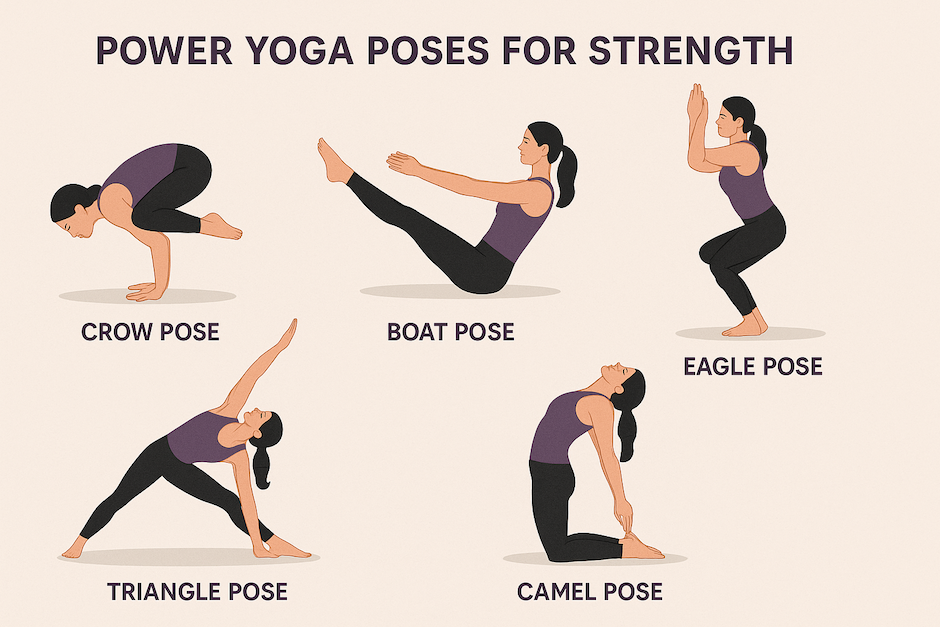
Eagle Pose looks tricky but is manageable with practice. Wrap one arm under the other and cross one leg over the other. This pose stretches your shoulders and hips while challenging your balance.
Try to keep your spine long and your breath smooth as you hold the pose. How does focusing on your breath help steady your body? This pose teaches patience and control.
Warrior Iii
Warrior III strengthens your legs and core while improving balance. From a standing position, lean forward and lift one leg behind you, forming a straight line from head to heel. Extend your arms forward or keep them by your sides.
It’s normal to wobble at first. What small adjustments help you stay steady? Practicing Warrior III builds endurance and sharpens your focus.
Dancer’s Pose
Dancer’s Pose combines balance with a gentle backbend. Stand on one leg, grab the ankle of the other leg behind you, and lift it while reaching forward with the opposite hand. This pose opens your chest and challenges your coordination.
Feel how your body stretches and stabilizes at the same time. Can you keep your gaze steady even as you stretch? Dancer’s Pose invites you to find grace in balance.
Modifications And Props
Balance poses can be tricky for beginners. Modifications and props make these poses safer and easier. They build confidence and improve stability. Using simple tools helps maintain proper form. This leads to better progress and fewer injuries.
Props support the body and reduce strain. Modifications adjust the pose to match your skill level. Both are important for a smooth yoga journey.
Using A Wall For Support
A wall provides a strong, steady surface to lean on. Beginners can place their hands or back against it. This support helps keep balance without falling. It allows focus on alignment and breathing. Try standing close to a wall during poses like Tree Pose or Warrior III.
Chair-assisted Balance
A chair offers a reliable support that is easy to find at home. Hold the back of a chair while lifting one leg. This keeps you steady and reduces fear of falling. Chairs work well for poses like Dancer’s Pose or Eagle Pose. Make sure the chair won’t slide.
Blocks And Straps For Stability
Yoga blocks raise the floor closer to your hands or feet. They reduce the distance you need to reach. This helps keep your center of gravity stable. Straps assist by extending your reach and improving flexibility. Use blocks under hands or hips in poses like Half Moon. Straps help hold legs or arms in difficult stretches.
Common Mistakes To Avoid
Balancing poses in yoga challenge both your body and mind. Beginners often make simple mistakes that hold back their progress or cause frustration. Recognizing these common pitfalls can help you build confidence and improve your practice more quickly.
Overlooking Alignment
Alignment is the foundation of every balance pose. If your feet, hips, and shoulders aren’t properly aligned, you’ll find it harder to stay steady. Imagine trying to balance on a shaky base—it just won’t work.
Check your stance carefully. Use a mirror or record yourself to spot misalignments. Small adjustments, like engaging your core or keeping your gaze steady, make a big difference.
Holding Breath
Many beginners tense up and hold their breath while trying to balance. This tightens your muscles and decreases your stability. Your breath is a tool—use it to stay calm and focused.
Try to breathe deeply and steadily. Count your breaths or match your movements to your breathing rhythm. Notice how your balance improves when you relax your breath.
Rushing Through Poses
It’s tempting to hurry through poses to get them “right” faster. But rushing often leads to loss of control and poor form. Balance demands patience and presence.
Slow down and feel every movement. Hold your pose for a few breaths, even if it feels challenging. What happens if you pause and simply notice your body instead of pushing forward?
Credit: myyogateacher.com
Creating A Daily Balance Practice
Creating a daily balance practice helps improve stability and focus. It builds confidence in holding yoga poses. Consistency is key for steady progress. Even a few minutes each day can bring benefits. Small steps lead to lasting changes in your body and mind.
Setting Realistic Goals
Start with simple balance poses. Avoid trying advanced postures too soon. Aim to hold each pose for a few seconds. Gradually increase the time as you improve. Set clear, achievable goals for each week. Celebrate small wins to stay motivated.
Combining Balance With Strength Training
Balance and strength support each other. Strong muscles help maintain stability. Add exercises like squats and lunges to your routine. These build core and leg strength. A stronger body makes balance poses easier and safer. Mix balance holds with strength moves for better results.
Tracking Progress
Keep a simple journal of your practice. Note the poses and hold times each day. Record how you feel before and after practice. Use photos or videos to see your form improve. Tracking helps you stay focused and motivated. It shows clear evidence of your growth.
Credit: myyogateacher.com
Frequently Asked Questions
What Are The Best Beginner Yoga Balance Poses?
Begin with Tree Pose, Mountain Pose, and Warrior III. These poses improve stability and focus. They build core strength and enhance body awareness. Start slow and use support if needed for balance.
How Does Yoga Improve Balance For Beginners?
Yoga strengthens muscles and enhances body awareness. Balance poses train coordination and stability. Regular practice improves posture and reduces fall risk. Beginners gain confidence and control through consistent yoga sessions.
How Long Should Beginners Hold Balance Poses?
Hold balance poses for 15 to 30 seconds initially. Gradually increase hold time as strength and stability improve. Focus on steady breathing and maintaining form. Avoid rushing to prevent injury.
Can Balance Poses Help With Mental Focus?
Yes, balance poses require concentration and mindfulness. They calm the mind and reduce stress. Practicing balance improves mental clarity and presence. This enhances overall yoga benefits for beginners.
Conclusion
Practicing yoga balance poses builds strength and focus. Start slow and steady to avoid injury. Each pose helps improve your body control. Consistent practice leads to better stability and calmness. Enjoy the process and celebrate small progress. Balance comes with patience and daily effort.
Keep your mind clear and your body aligned. These simple poses can fit into any routine. Stay committed, and you will feel the benefits soon. Yoga balance is a journey, not a race.







