
Imagine taking your workout routine to the next level without needing a ton of space or heavy equipment. Exercise bands could be your new best friend in fitness.
These versatile tools are not just for pros; they’re perfect for everyone, including you. Whether you’re a beginner or a seasoned athlete, exercise bands offer a wide range of benefits that can enhance your workouts. But with so many types of exercise bands available, which one is right for you?
In this guide, we’ll break down the different types of exercise bands, helping you discover which one will best suit your fitness goals. Stick around, and you’ll find yourself making smarter choices to maximize your workout potential.
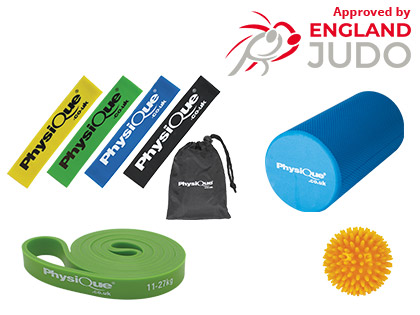
Credit: www.physique.co.uk
Resistance Bands
Resistance bands are simple tools that help build strength and flexibility. They come in many shapes and sizes. Each type suits different exercises and fitness levels. Resistance bands are lightweight and easy to carry. They offer a safe way to work out without heavy weights. These bands stretch to create tension, which works your muscles effectively.
Loop Bands
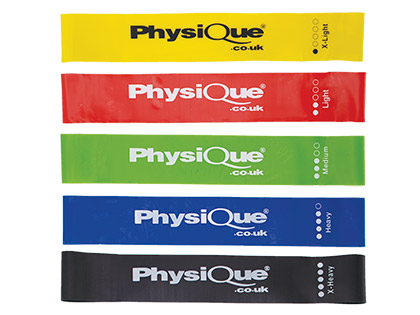
Loop bands are circular and have no handles. They fit around your legs, arms, or waist. These bands are great for lower body workouts. They help with squats, leg lifts, and hip exercises. Loop bands come in different thicknesses. The thicker the band, the harder the exercise.
Tube Bands With Handles
Tube bands are long and cylindrical. They come with handles on each end. These handles give a good grip for various workouts. Tube bands are good for arm and upper body strength. They mimic weights but offer smooth resistance. You can anchor them to doors or poles for more exercises.
Therapy Bands
Therapy bands are flat and thin. They are often used in physical therapy and rehab. These bands provide light to moderate resistance. Therapy bands help improve joint movement and muscle recovery. They are ideal for gentle stretches and rehab exercises.
Figure 8 Bands
Figure 8 bands are shaped like the number eight. They have handles on each loop. These bands work well for arm and shoulder exercises. Their shape allows easy control and varied movements. Figure 8 bands are compact and easy to use anywhere.
Fabric Exercise Bands
Fabric exercise bands have become a popular choice for many fitness enthusiasts due to their durability and comfort. Unlike traditional rubber bands, these bands are made from woven fabric, providing a different feel and resistance level. If you’ve ever struggled with bands that pinch or roll up during your workout, fabric bands might be exactly what you need.
Material Benefits
Fabric bands are typically made from a blend of cotton, polyester, and elastic fibers. This combination creates a strong yet flexible material that resists snapping and tearing.
One major benefit is their resistance to rolling or pinching your skin. Unlike rubber bands, fabric bands stay flat and secure during exercises, making your workout smoother and more comfortable.
They also tend to last longer, even with regular use. If you’ve ever had a band snap unexpectedly, you know how frustrating it can be—fabric bands reduce this risk significantly.
Best Uses For Fabric Bands
Fabric bands excel in lower body workouts, especially for targeting glutes and thighs. Their wider design offers better grip and distributes pressure evenly, making exercises like squats, leg lifts, and hip bridges more effective.
They are also great for warm-ups and mobility exercises. The gentle but firm resistance helps activate muscles without causing discomfort.
Are you someone who prefers a more natural feel during workouts? Fabric bands are less sticky and more breathable, which means less sweat buildup and irritation.
Consider adding fabric bands if you want to enhance your strength training routine with a tool that supports longer sessions and varied movements.
Strength Training Bands
Strength training bands are popular tools for building muscle and improving fitness. They offer resistance that helps muscles grow stronger. These bands are versatile and easy to carry. They work well for both beginners and advanced users. Strength training bands come in different resistance levels. This variety lets users choose the right challenge for their workouts.
Heavy-duty Resistance
Heavy-duty resistance bands provide strong tension during exercises. They are thicker and more durable than light bands. These bands can handle intense workouts without snapping. Heavy-duty bands suit exercises that require high resistance. They help increase muscle strength and endurance effectively.
- Made from thick latex or rubber
- Designed for heavy lifting and power training
- Last longer under frequent use
- Offer consistent resistance throughout movements
Muscle Building Exercises
Strength training bands assist in many muscle-building exercises. They target major muscle groups like arms, legs, chest, and back. Exercises with bands improve muscle tone and size. Bands add resistance that challenges muscles to work harder.
- Bicep curls for arm strength
- Squats to build leg muscles
- Chest presses for upper body power
- Rows for back muscle development
These exercises are simple and effective. They can be done at home or the gym. Using strength training bands helps maintain muscle health and improve overall strength.
Flexibility Bands
Flexibility bands are simple yet powerful tools that help you improve your body’s suppleness and reduce muscle tightness. These lightweight bands come in various resistances and lengths, making them perfect for stretching and mobility exercises. Using flexibility bands regularly can make your movements smoother and prevent injuries.
Stretching Techniques
Using flexibility bands during stretches allows you to control the intensity and depth of the stretch. You can gently pull the band to extend your limbs further than you could on your own, which helps target tight muscles more effectively. Try wrapping a band around your foot for hamstring stretches or hold it with both hands to stretch your shoulders.
One of the best things about these bands is how they let you hold stretches longer without strain. When I started using a band for my calf stretches, I noticed I could hold the position comfortably for 30 seconds instead of 10. This longer hold made a real difference in how flexible I felt the next day.
- Use slow, steady pulls to avoid sudden jerks.
- Breathe deeply as you stretch to relax your muscles.
- Focus on muscle groups that feel tight or sore.
Improving Range Of Motion
Flexibility bands also help increase your joint range of motion by gently pushing your muscles beyond their usual limits. This is especially useful if you feel stiffness after sitting for long periods or after workouts. Consistent use can lead to noticeable improvements in how freely you move.
Think about how you reach for something on a high shelf—limited shoulder mobility can make this tough. Stretching with a flexibility band can gradually improve that reach. Over time, you might find everyday tasks easier and less uncomfortable.
Try to add band-assisted stretches into your daily routine, even for just 5 minutes. You’ll likely see better mobility in your hips, shoulders, and back, which can enhance your overall performance in sports or daily activities.
Choosing The Right Band
Choosing the right exercise band can make a huge difference in your workout results and overall experience. Not every band fits every exercise or fitness level, so it’s important to pick one that matches your needs. Consider how you plan to use the band and what feels comfortable and effective for your body.
Resistance Levels
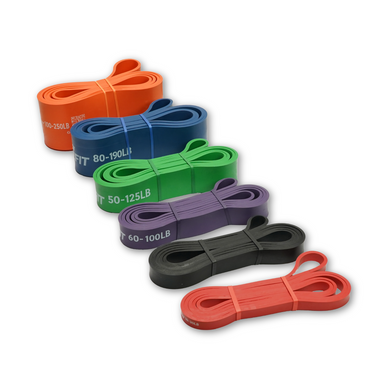
Exercise bands come in various resistance levels, usually indicated by color or thickness. Lighter bands are perfect for beginners or for exercises targeting smaller muscle groups. If you want to build strength, go for medium to heavy resistance bands.
Think about your current fitness level and goals. Are you rehabbing an injury or pushing for muscle gain? Matching the resistance level to your purpose helps avoid injury and improves progress.
Band Length And Thickness
The length and thickness of the band affect how you can use it. Longer bands allow for a wider range of motion and more exercise options. Thicker bands generally offer higher resistance, but they might be less flexible.
Try different sizes if you can. I once struggled with a band that was too short for my tall frame, limiting my workout. Finding the right fit makes your exercises smoother and more effective.
Portability And Durability
If you travel or prefer working out outside, portability matters a lot. Lightweight and compact bands are easy to pack and carry. Check the material quality to ensure your band won’t snap or lose elasticity quickly.
Look for bands made with natural latex or strong synthetic materials. A durable band saves money and frustration. Would you rather replace a band every few months or have one that lasts years?
Safety Tips
Exercise bands offer a flexible way to enhance workouts. Safety is key to enjoy their benefits without harm. Using bands correctly protects muscles and joints. Simple precautions help keep your exercise routine safe and effective.
Proper Usage
Choose the right band strength for your fitness level. Check bands for tears or damage before each use. Secure bands firmly to stable anchors or handles. Use smooth, controlled movements to avoid snapping. Avoid overstretching bands beyond their limit. Store bands in a cool, dry place away from sharp objects.
Avoiding Injuries
- Warm up muscles before using exercise bands.
- Start with low resistance to build strength safely.
- Maintain good posture during exercises to reduce strain.
- Wear proper shoes to ensure stability and grip.
- Stop immediately if you feel pain or discomfort.
- Replace bands regularly to prevent breakage.
Band Maintenance
Proper maintenance keeps exercise bands safe and effective. It helps bands last longer and perform well. Regular care prevents damage and avoids skin irritation during use. Follow simple steps to clean and store your bands correctly.
Cleaning Tips
- Wipe bands with a damp cloth after each use.
- Use mild soap and water for deeper cleaning.
- Avoid harsh chemicals that can weaken the material.
- Rinse thoroughly to remove soap residue.
- Let bands air dry completely before storing.
- Do not expose bands to direct sunlight while drying.
Storage Recommendations
- Store bands in a cool, dry place away from sunlight.
- Avoid folding bands tightly to prevent creases and cracks.
- Keep bands away from sharp objects that can cause tears.
- Use a storage bag or box to protect bands from dust.
- Check bands regularly for signs of wear and replace if needed.
Credit: www.living.fit
Credit: www.physique.co.uk
Frequently Asked Questions
What Are The Main Types Of Exercise Bands?
Exercise bands include resistance bands, loop bands, therapy bands, and tube bands. Each type varies in resistance and use. Resistance bands are flat, loop bands are circular, therapy bands assist rehabilitation, and tube bands have handles for grip and versatility.
How Do Resistance Bands Differ From Loop Bands?
Resistance bands are flat and long, suitable for stretching and strength. Loop bands form a continuous circle, ideal for lower body workouts. Both offer adjustable resistance but target different muscle groups and exercise styles for varied fitness routines.
Which Exercise Band Is Best For Beginners?
Therapy bands are best for beginners. They provide light resistance and support gentle movements. These bands help improve flexibility and strength gradually, making them ideal for rehabilitation and those new to resistance training.
Can Exercise Bands Replace Weights Effectively?
Yes, exercise bands can replace weights effectively for strength training. They offer variable resistance and target multiple muscle groups. Bands are portable, affordable, and reduce joint strain, making them excellent alternatives to traditional weights.
Conclusion
Exercise bands come in many types, each with unique benefits. They help improve strength, flexibility, and balance. Choose bands that fit your fitness level and goals. Use them at home, gym, or outdoors for easy workouts. Bands are light, affordable, and simple to carry anywhere.
Try different bands to keep your exercise routine fresh. Consistent use leads to better health and fitness. Start small and increase resistance as you grow stronger. Exercise bands offer a great way to stay active every day.







