
Imagine waking up each day with more energy, less stress, and a greater sense of well-being. For seniors just starting out, yoga can be the key to unlocking these benefits.
You might think that yoga is only for the young and flexible, but that’s not true. Yoga is for everyone, and it can be especially rewarding as you age. If you’re looking for a gentle way to improve your strength, balance, and peace of mind, you’ve come to the right place.
This guide will show you how yoga can fit into your life, making each day brighter and more fulfilling. Discover how simple movements and mindful breathing can transform your daily routine and enhance your quality of life. Ready to feel better, move better, and live better? Keep reading to learn how to begin your yoga journey safely and joyfully.

Credit: www.youtube.com
Benefits Of Yoga For Seniors
Yoga offers many benefits for seniors starting their practice. It gently improves physical health and supports mental well-being. Simple movements and stretches help keep the body active and strong. Yoga also creates a calm mind and reduces stress. The practice suits all fitness levels and can be adjusted as needed.
Improving Flexibility
Yoga gently stretches muscles and joints. It helps seniors move more freely and easily. Increased flexibility lowers the risk of injuries. Simple poses work on tight areas like hips, shoulders, and back. Regular practice makes daily tasks easier and more comfortable.
Enhancing Balance
Balance often decreases with age, causing falls. Yoga improves body awareness and stability. Standing poses strengthen legs and core muscles. Better balance helps seniors stay independent longer. It also builds confidence in movement and walking.
Boosting Mental Health
Yoga calms the mind and reduces anxiety. Breathing exercises promote relaxation and focus. The practice encourages mindfulness and present-moment awareness. It helps lower feelings of depression and loneliness. Seniors often feel happier and more peaceful after yoga.
Reducing Chronic Pain
Many seniors live with arthritis or back pain. Yoga offers gentle movements that ease stiffness. Stretching and breathing reduce muscle tension. Regular practice can lessen pain and improve mobility. It supports better sleep and overall comfort.
Preparing For Yoga Practice
Preparing for your first yoga practice is key to making the experience enjoyable and safe. It’s more than just rolling out a mat; it’s about setting up an environment and mindset that support your journey. Taking time to prepare ensures you feel confident and ready to focus on your body and breath.
Choosing The Right Space
Your yoga space should feel inviting and calm. Look for a quiet corner in your home where you won’t be disturbed. Natural light helps, but if that’s not possible, soft lighting creates a peaceful mood.
Think about the floor surface too. Hardwood or carpeted floors work well, but avoid slippery spots. Make sure there’s enough room for you to stretch without bumping into furniture.
Essential Equipment
You don’t need fancy gear to start yoga. A good-quality yoga mat with enough cushioning is essential to protect your joints. If your mat feels too thin, adding a folded blanket underneath can help.
- Comfortable, stretchy clothing that lets you move freely
- Yoga blocks or sturdy books to support certain poses
- A strap or belt to assist with stretching
- A water bottle nearby to stay hydrated
Having these items ready before your session makes the practice smoother and less distracting.
Safety Tips For Beginners
Listening to your body is the most important safety rule. If a pose causes pain, stop and adjust. Yoga is about gradual progress, not pushing yourself too hard.
Start with gentle poses and avoid any movements that feel uncomfortable. Consider telling your instructor about any health issues or mobility concerns you have.
Warm up properly to reduce the risk of injury. Simple stretches and deep breathing prepare your muscles and mind for the session ahead. Are you paying attention to your body’s signals during practice?
Easy Yoga Poses For Flexibility
Easy yoga poses help seniors improve flexibility safely. These gentle stretches reduce stiffness and increase movement. Practicing regularly supports joint health and balance. The following poses suit beginners and require no special equipment.
Seated Forward Bend
Sit on the floor with legs stretched out. Keep your back straight and slowly bend forward. Reach towards your toes without forcing the stretch. Hold for a few breaths to feel the stretch in your hamstrings. This pose helps loosen the lower back and legs.
Cat-cow Stretch
Start on all fours with hands under shoulders and knees under hips. Inhale and arch your back, lifting your head and tailbone (Cow). Exhale and round your spine, tucking your chin and pelvis (Cat). Move slowly between these two positions. This stretch improves spine flexibility and eases tension.
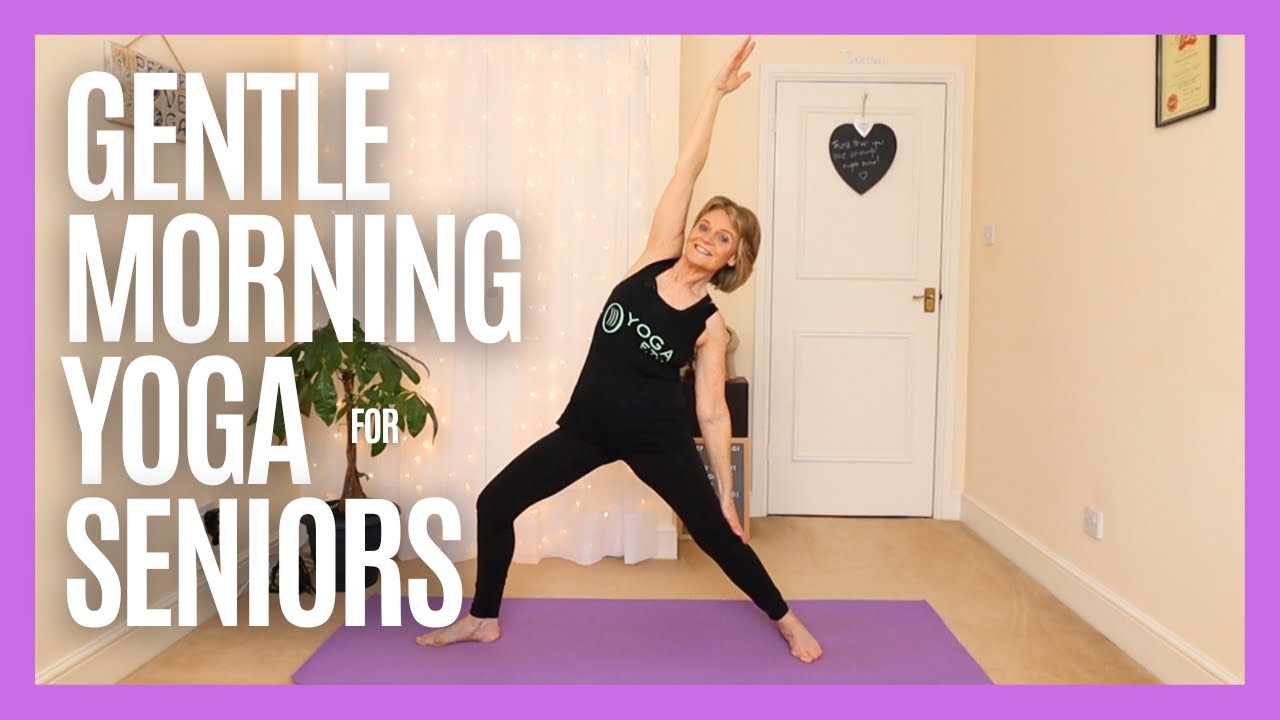
Standing Side Stretch
Stand with feet hip-width apart. Raise your arms overhead and clasp your hands. Gently lean to one side, keeping your body straight. Hold the stretch and then switch sides. This pose opens the sides of the body and increases overall flexibility.
Credit: www.youtube.com
Gentle Poses To Improve Balance
Gentle yoga poses help seniors build better balance safely. Balance improves body stability and reduces fall risks. These simple poses focus on steady standing and controlled breathing. Practicing regularly can boost confidence and strength.
Tree Pose
Stand tall with feet hip-width apart. Shift weight onto one foot. Place the other foot on the inner thigh or calf, avoiding the knee. Keep hands at the heart or raised above the head. Hold steady and breathe deeply. Switch sides after a few breaths.
Chair Pose
Stand with feet together or slightly apart. Bend knees as if sitting in a chair. Keep the back straight and chest lifted. Extend arms forward or raise them overhead. Hold the pose while breathing steadily. This strengthens legs and improves balance.
Mountain Pose
Stand with feet firmly on the ground. Spread toes wide for stability. Engage leg muscles and lift the chest. Let arms rest by the sides or raise them gently. Focus on even breathing and upright posture. This pose builds a strong, balanced foundation.
Breathing Techniques For Relaxation
Breathing techniques play a vital role in yoga, especially for seniors who are just starting out. These simple practices help calm the mind, reduce stress, and improve overall relaxation. You don’t need any special equipment—just your breath and a few quiet moments.
Deep Belly Breathing
Deep belly breathing, also known as diaphragmatic breathing, encourages your lungs to fill completely. This type of breathing helps lower your heart rate and blood pressure, making you feel more relaxed quickly.
To try it, sit or lie down comfortably. Place one hand on your chest and the other on your belly. Breathe in slowly through your nose, letting your belly rise while your chest stays still.
Then, exhale gently through your mouth, feeling your belly fall. Repeat this for a few minutes and notice how your body softens. Have you ever noticed how your breath changes when you’re anxious? Deep belly breathing can help you reset that feeling.
Alternate Nostril Breathing
Alternate nostril breathing balances the nervous system and clears your mind. It might sound tricky at first, but it’s simple once you get the hang of it.
Use your right thumb to close your right nostril and inhale deeply through your left nostril. Then close your left nostril with your ring finger, release the right nostril, and exhale through it. Next, inhale through the right nostril, close it again, and exhale through the left.
This cycle can be repeated several times to help you feel centered and calm. Have you noticed how a few breaths can shift your mood? This technique can be a powerful tool to bring peace into your day.
Creating A Routine For Consistency
Creating a routine for yoga helps seniors build steady habits. Consistency supports physical strength and mental calm. A clear plan makes it easier to keep practicing. Small, regular sessions often bring the best results. Setting simple rules encourages daily participation without stress.
Setting Realistic Goals
Start with easy goals to avoid feeling overwhelmed. Choose times of day when energy is highest. Limit sessions to 10-20 minutes at first. Focus on gentle poses that improve flexibility and balance. Goals can include improving breathing or reducing stiffness. Adjust goals as comfort and skills grow.
Incorporating Rest Days
Rest days are important to let muscles recover. Avoid practicing yoga every single day. Plan 1 or 2 rest days each week. Use rest days for light walking or stretching. Rest helps prevent injury and keeps motivation high. Listen to the body’s signals and rest as needed.
Tracking Progress
Keep a simple journal or use a calendar. Note the date, time, and type of yoga practiced. Record how the body feels before and after sessions. Tracking helps see improvements in strength and mood. Celebrate small wins to stay motivated. Review progress monthly and set new goals.
Common Challenges And Solutions
Starting yoga as a senior can bring unique challenges, but each hurdle has a solution that helps you keep moving forward. Understanding these common issues can make your practice safer and more enjoyable. Let’s look at some obstacles you might face and practical ways to overcome them.
Dealing With Limited Mobility
Limited mobility is a common concern for many seniors. It can make certain yoga poses seem impossible or even intimidating. However, gentle stretching and using props like chairs or yoga blocks can help you move comfortably.
Try seated poses if standing feels difficult. For example, seated spinal twists or gentle neck stretches can improve flexibility without strain. Have you considered how small adjustments could open up your range of motion?
Staying Motivated
Keeping up motivation can be tough, especially if progress feels slow. Setting small, achievable goals gives you a sense of accomplishment and keeps your interest alive.
Joining a class or practicing with a buddy adds accountability and fun. What if you rewarded yourself after each session with something you enjoy? That little boost can make a big difference.
Modifying Poses Safely
Safety matters most when modifying poses to suit your body’s needs. Avoid pushing too hard and listen closely to your body’s signals.
Use props like straps or cushions to ease into stretches. Don’t hesitate to ask an instructor for alternatives that suit your level. How might modifying a pose make yoga feel more welcoming and less stressful for you?

Credit: www.amazon.ca
Frequently Asked Questions
What Are The Best Yoga Poses For Senior Beginners?
Gentle poses like Cat-Cow, Child’s Pose, and Mountain Pose are ideal for senior beginners. These improve flexibility and balance safely.
How Often Should Seniors Practice Yoga For Benefits?
Seniors should practice yoga 2-3 times weekly. Consistency helps improve strength, balance, and mental well-being gradually.
Is Yoga Safe For Seniors With Arthritis?
Yes, yoga is safe for arthritis if done gently. It reduces joint stiffness and increases mobility when modified properly.
Can Yoga Improve Balance And Prevent Falls In Seniors?
Yoga enhances balance, coordination, and body awareness. Regular practice lowers fall risk by strengthening muscles and improving posture.
Conclusion
Yoga can help seniors feel stronger and more flexible. It improves balance and reduces stress. Starting with simple poses makes practice safe and fun. Regular yoga supports better sleep and mood. Everyone can enjoy yoga at their own pace. Small steps lead to big health benefits.
Give yoga a try to feel calm and healthy. It’s never too late to begin and grow.







