
Are you feeling stressed or overwhelmed? Imagine finding a simple way to calm your mind and energize your body.
Yoga meditation could be your answer. This ancient practice isn’t just for the super flexible or those who have hours to spare. It’s perfect for beginners like you who are seeking a peaceful escape amidst the chaos of everyday life.
By incorporating just a few minutes of yoga meditation into your daily routine, you can experience a newfound clarity and relaxation. Ready to discover how this practice can transform your well-being? Keep reading to unlock the secrets of yoga meditation and learn how you can easily integrate it into your lifestyle.
Benefits Of Yoga Meditation
Yoga meditation offers a range of benefits that can transform your daily life. It’s more than just sitting quietly; it actively improves your body, mind, and emotions. Understanding these benefits can motivate you to make yoga meditation a regular habit.
Physical Health Improvements
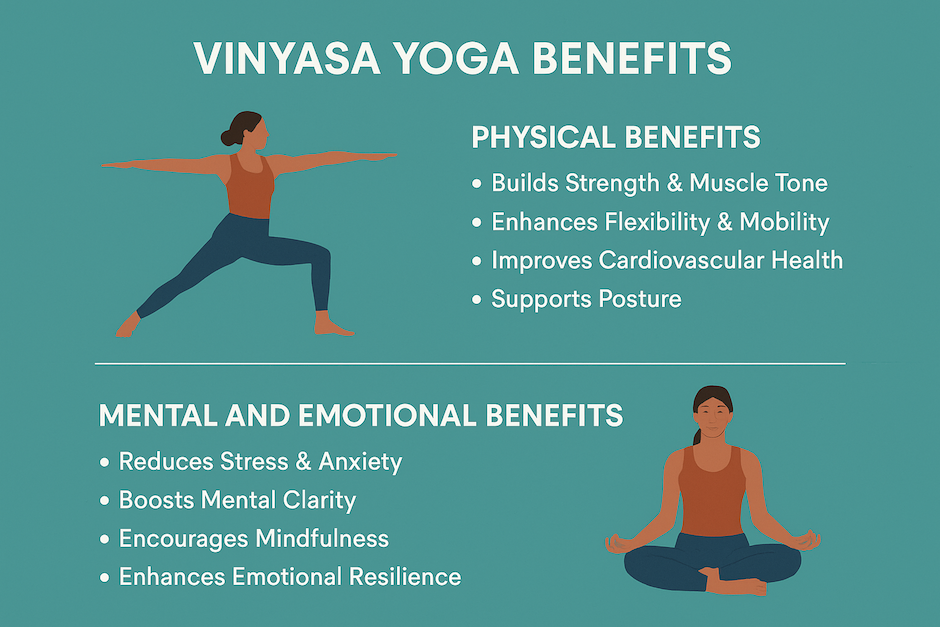
Yoga meditation helps reduce physical tension and pain by relaxing your muscles. It can lower blood pressure and improve your heart rate, supporting overall cardiovascular health. You might notice better breathing and increased flexibility as your body learns to relax deeply.
Have you ever felt how a few minutes of focused breathing can ease a headache or muscle tightness? That’s your body responding to the calm yoga meditation creates.
Mental Clarity And Focus
Regular practice sharpens your attention and clears mental fog. You learn to observe your thoughts without getting lost in them, which improves decision-making and creativity. This mental clarity can help you stay productive and calm, even during stressful days.
Think about how often your mind drifts while working—yoga meditation trains you to bring your focus back quickly. How could better focus change your daily routine?
Emotional Balance
Yoga meditation encourages emotional stability by helping you recognize and accept your feelings without judgment. This awareness reduces anxiety and mood swings, promoting a more peaceful state of mind. You become less reactive and more composed in challenging situations.
Have you noticed how a calm mind can improve your relationships and overall happiness? Yoga meditation gives you tools to handle emotions constructively, not just suppress them.

Credit: www.yogabasics.com
Getting Started With Yoga Meditation
Starting yoga meditation can feel simple yet powerful. It helps calm the mind and connect with your body. Creating the right setting is key to a good practice. Small steps make a big difference in staying focused and relaxed.
Choosing A Quiet Space
Pick a place free from noise and distractions. A quiet corner in your home works well. Make sure the area feels safe and calm. Natural light adds a peaceful touch. Keep your space clean and clutter-free to ease your mind.
Selecting Comfortable Clothing
Wear loose, soft clothes that let you move freely. Avoid tight or itchy fabrics. Choose breathable materials like cotton to stay cool. Comfortable clothing helps you focus on meditation, not on adjusting your outfit.
Setting A Consistent Routine
Practice at the same time each day. This builds a strong habit and makes meditation easier. Start with short sessions, around 5 to 10 minutes. Gradually increase the time as you feel more comfortable. Consistency helps your mind and body adjust to the practice.
Basic Yoga Poses For Meditation
Starting yoga meditation involves simple poses that prepare your body and mind. Basic yoga poses help create comfort and balance during meditation. These poses improve posture and reduce tension, making meditation more effective. Beginners benefit from easy postures, gentle stretches, and focused breathing.
Easy Seated Postures
Choose a seat that feels stable and relaxed. Cross-legged sitting is popular and easy for most beginners. Use a cushion to raise your hips and keep your spine straight. Sit with hands resting on your knees or lap. Keep your eyes gently closed or softly focused ahead. A calm and steady seat supports longer meditation sessions.
Simple Breathing Techniques
Breathing deeply calms the mind and body. Inhale slowly through your nose, filling your lungs. Exhale gently through your nose or mouth. Try counting to four while breathing in and out. Focus on the breath’s rhythm to stay present. This simple breath control enhances relaxation and focus.
Gentle Stretching Moves
Stretching before meditation loosens tight muscles. Neck rolls release tension around the shoulders and neck. Shoulder shrugs help ease stiffness. Gentle twists improve spinal flexibility. Stretch your arms and legs slowly to awaken your body. These soft movements prepare you for stillness and meditation.
Credit: myyogateacher.com
Step-by-step Meditation Process
Starting a meditation practice can feel simple with clear guidance. Follow this step-by-step meditation process to build a calm mind and relaxed body. Each stage helps you settle into stillness and focus your awareness. Consistent practice will enhance your peace and clarity.
Preparing Your Mind And Body
Find a quiet and comfortable place to sit or lie down. Keep your back straight but relaxed. Close your eyes gently to reduce distractions. Take a moment to notice how your body feels. Let go of tension by softening your muscles. Set a calm intention for your meditation session.
Focusing On Breath
Pay attention to your natural breathing. Breathe in slowly through your nose. Feel the air fill your lungs. Exhale gently through your mouth or nose. Count your breaths if it helps to maintain focus. If your mind wanders, gently bring it back to breathing. Let each breath anchor you to the present moment.
Guided Visualization Tips
Imagine a peaceful place like a beach or forest. Picture the colors, sounds, and smells clearly. Visualize yourself relaxed and happy in this place. Use all your senses to deepen the experience. If your mind drifts, return to the details of your scene. Allow this visualization to calm your thoughts and body.
Overcoming Common Challenges
Starting yoga meditation can be exciting, but it often comes with hurdles that can make the practice feel challenging. These obstacles are common and don’t mean you’re doing it wrong. Understanding and facing them head-on can transform your experience and help you build a lasting habit.
Dealing With Distractions
Distractions are one of the biggest barriers when you first try yoga meditation. Your mind may wander to your to-do list, noises around you, or even your own thoughts. Instead of fighting these distractions, try acknowledging them gently and then bring your focus back to your breath or mantra.
Creating a quiet, dedicated space can reduce external interruptions. You might also find it helpful to set a timer for short sessions, like five minutes, so you’re not overwhelmed. Have you noticed how a simple shift in focus can sometimes calm your entire day?
Managing Physical Discomfort
Physical discomfort can quickly pull you out of meditation, especially if you’re new to sitting still for a while. It’s common to feel stiffness or minor aches in your back, knees, or hips. Adjust your posture by using cushions, chairs, or blankets to support your body comfortably.
Remember, meditation doesn’t mean forcing your body into pain. Small changes, like stretching before sitting or changing your position frequently, can make a big difference. What little adjustment could you try today to feel more at ease?
Staying Motivated
Keeping up with yoga meditation can be tough when life gets busy or results feel slow. Motivation often dips when you expect quick changes or compare yourself to others. Focus on the small wins, like feeling calmer after a session or sleeping better at night.
Try pairing meditation with something you enjoy, such as a cup of tea afterward or journaling your thoughts. Setting realistic goals, like meditating three times a week, can also keep you on track. What simple reward could encourage you to come back to your practice tomorrow?

Credit: www.freepik.com
Enhancing Your Practice
Enhancing your yoga meditation practice means going beyond just the poses and quiet moments. It’s about deepening your connection with yourself and making your sessions more meaningful. Small changes can lead to big improvements in how you feel during and after your practice.
Incorporating Mindfulness
Mindfulness is the simple act of paying full attention to the present moment. Try focusing on your breath or the sensations in your body during meditation. This helps you stay grounded and reduces distracting thoughts.
Ask yourself: Are you really present in your practice, or is your mind wandering? Bringing awareness back to your breath can make your meditation more effective and calming.
Using Meditation Apps
There are many apps designed to guide you through meditation and yoga sessions. These apps offer timed practices, reminders, and even background sounds to enhance your focus.
Some popular options include Calm, Headspace, and Insight Timer. Using an app can keep you consistent and introduce new techniques you might not try on your own.
Joining Group Sessions
Practicing with others can boost your motivation and help you learn new skills. Group sessions create a supportive environment where you can share experiences and ask questions.
Look for local classes or online communities that fit your schedule. Feeling part of a group often makes the practice feel more rewarding and less like a chore.
Frequently Asked Questions
What Is Yoga Meditation For Beginners?
Yoga meditation combines gentle yoga poses with focused breathing and mindfulness. It helps beginners relax, reduce stress, and improve mental clarity. This practice promotes physical health and emotional balance, making it accessible and effective for newcomers.
How Long Should Beginners Meditate In Yoga?
Beginners should start with 5 to 10 minutes daily. Gradually increasing to 20 minutes enhances focus and relaxation. Short, consistent sessions build a strong meditation habit without overwhelming new practitioners.
What Are Basic Yoga Meditation Techniques?
Basic techniques include deep breathing, body scanning, and guided visualization. Beginners focus on breath awareness and gentle movement to calm the mind. These methods help develop concentration and reduce anxiety.
Can Yoga Meditation Improve Mental Health?
Yes, yoga meditation reduces stress, anxiety, and depression symptoms. It promotes relaxation and emotional stability through mindful awareness. Regular practice supports overall mental wellness and resilience.
Conclusion
Yoga meditation can bring calm and focus to your daily life. Start with short sessions and gentle breathing. Practice regularly to feel more relaxed and clear-minded. Everyone can enjoy the benefits, no matter their age or skill level. Remember, patience is key.
Small steps lead to steady progress. Enjoy the quiet moments and the peace they bring. This simple habit can improve your mood and reduce stress. Keep it easy and make it part of your routine. Your mind and body will thank you.







