
Are you looking to add some definition to your arms and boost your upper body strength? Curls are a fantastic way to achieve that toned look you desire.
With so many variations to choose from, it can be exciting to explore which types of curls exercise will work best for your fitness goals. Imagine the satisfaction of seeing those muscles grow and feeling more powerful with each session.
This article will guide you through different types of curls, ensuring you find the perfect fit for your workout routine. Keep reading to discover how to maximize your gains and elevate your exercise game to the next level!
Benefits Of Curl Exercises
Curl exercises offer many benefits for fitness and strength. They focus on building muscles in the arms and improving overall arm function. Performing curls regularly can help you gain strength and shape your muscles effectively.
Muscle Groups Targeted
Curl exercises mainly work the biceps brachii. These muscles are located at the front of the upper arm. The brachialis and brachioradialis also get activated during curls. These muscles help in bending the elbow and lifting weights. Targeting these groups improves arm movement and strength.
Improved Arm Strength
Regular curling increases arm strength. Stronger arms make daily tasks easier, like carrying groceries or lifting objects. Curl exercises build endurance in muscles, reducing fatigue. This strength also supports other workouts and physical activities.
Enhanced Muscle Definition
Curls help tone and define arm muscles. They reduce fat around the arms, making muscles more visible. Well-defined muscles improve appearance and boost confidence. Consistent curls shape the arms and create a leaner look.
Basic Curl Variations
Mastering basic curl variations is essential for building strong, defined arms. Each type targets your biceps differently, helping you avoid workout plateaus. Understanding these variations allows you to tailor your routine for better results and less risk of injury.
Standard Bicep Curl
The standard bicep curl is a staple in any arm workout. You hold a dumbbell or barbell with your palms facing up and curl the weight toward your shoulders.
This movement focuses primarily on the biceps brachii muscle. Keep your elbows close to your body and avoid swinging the weights for maximum effectiveness.
If you’ve ever felt your forearms taking over during curls, this variation helps you identify and correct that. Have you noticed how controlling the movement improves your muscle engagement?
Hammer Curl
Hammer curls are similar to standard curls but with a different grip. You hold the dumbbells with your palms facing each other throughout the movement.
This grip shifts the focus to the brachialis muscle, which lies beneath the biceps. Adding hammer curls to your workout can create fuller-looking arms by developing this often-neglected muscle.
Try hammer curls if you want to improve your grip strength as well. How often do you switch up your grip to challenge your muscles in new ways?
Concentration Curl
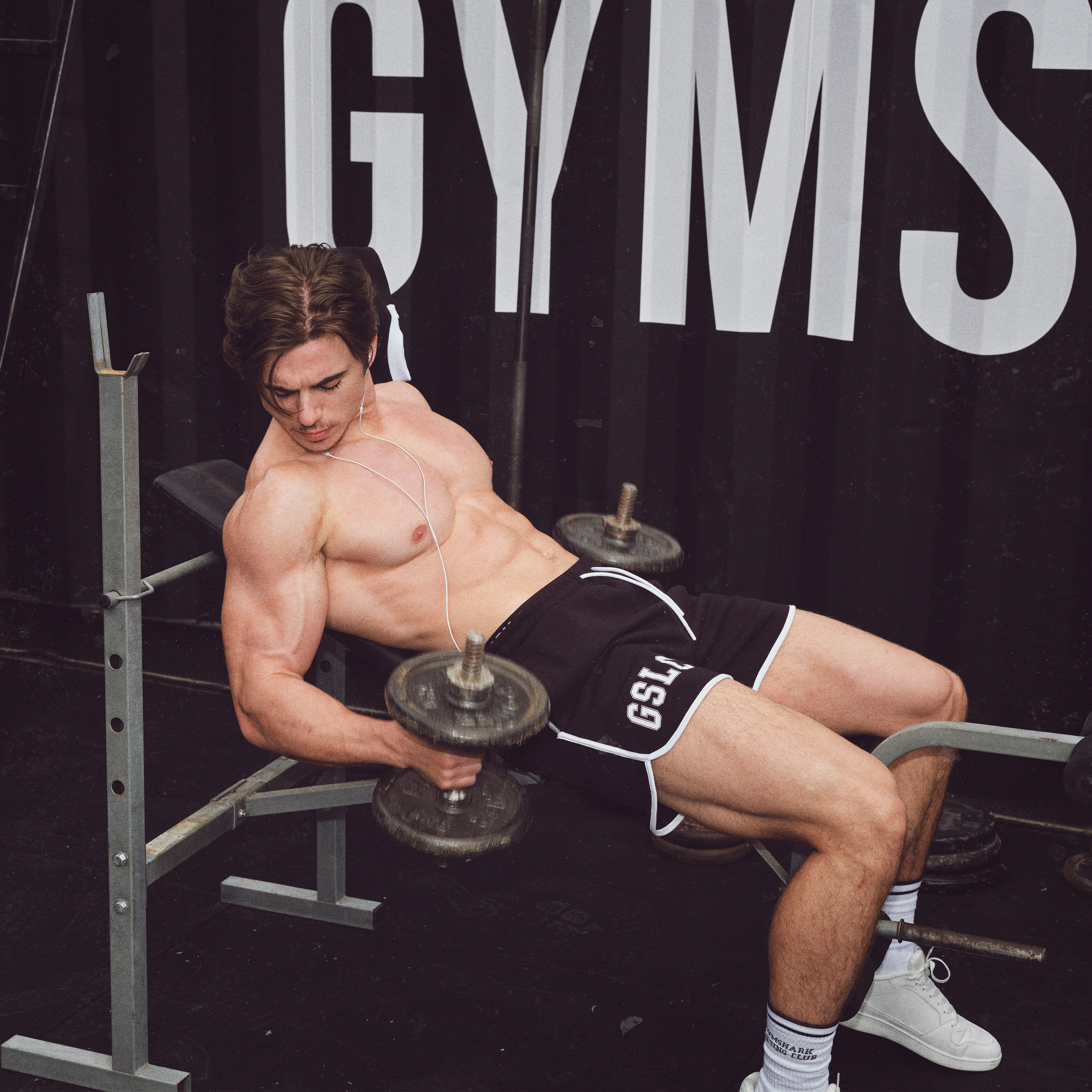
Concentration curls isolate the biceps by minimizing momentum and other muscle involvement. Sit on a bench, rest your elbow on your inner thigh, and curl the dumbbell slowly.
This focused movement helps you build peak bicep definition. It also trains your mind-muscle connection, making you more aware of your muscle activation.
Next time you want to push past a strength plateau, add concentration curls to your routine. Can you feel the difference when you slow down and really focus on each rep?
Advanced Curl Techniques
Advanced curl techniques challenge your muscles in new ways, pushing your strength and endurance to the next level. These exercises target different parts of your biceps and forearms, helping you build balanced and defined arms. Trying these moves can keep your workouts fresh and effective, preventing plateaus.
Zottman Curl
The Zottman Curl combines a traditional curl with a reverse curl, working both the biceps and forearms intensely. Start with a standard curl, palms facing up, and at the top, rotate your wrists so palms face down as you lower the weight. This rotation hits muscles that many other curls miss, adding thickness and grip strength.
When I added Zottman Curls to my routine, I noticed my forearms got stronger and more defined within weeks. Have you ever felt your forearms lag behind your biceps? This exercise can fix that imbalance.
Spider Curl
Spider Curls isolate the biceps by removing momentum and forcing strict form. You perform this curl while lying face down on an incline bench, letting your arms hang straight down. This position prevents cheating and maximizes tension on the biceps.
Many lifters overlook Spider Curls because they seem simple, but they provide a deep burn that really sculpts the muscle. Do you struggle to feel your biceps working during curls? Try this to focus the effort where it counts.
Cable Curl
Cable Curls maintain constant tension on the biceps throughout the entire movement, unlike dumbbells or barbells. Using a low pulley, pull the handle toward your shoulders, keeping your elbows steady. The smooth resistance challenges your muscles differently and helps build both size and definition.
Adding Cable Curls to your workout can improve your mind-muscle connection. Have you noticed how some exercises let the muscle relax at certain points? Cable Curls keep the tension alive, making every rep count.

Credit: m.youtube.com
Proper Form And Execution
Maintaining proper form and execution during curls exercises is essential to build strength and avoid injury. Good technique helps target the right muscles and improves workout efficiency. Focus and control are key to perform curls correctly.
Each type of curl requires attention to posture, grip, and movement speed. Small adjustments can make a big difference in results. Practicing proper form also reduces strain on joints and muscles.
Common Mistakes To Avoid
- Using momentum instead of muscle power.
- Letting elbows flare out or move forward.
- Arching the back during the lift.
- Lowering weights too fast or dropping them.
- Not controlling the movement on the way down.
- Holding the breath while curling.
Breathing Tips
- Inhale deeply before starting the lift.
- Exhale slowly while lifting the weight.
- Inhale again while lowering the weight.
- Keep breathing steady and avoid holding breath.
- Breathing properly helps maintain focus and strength.
Range Of Motion
- Start with arms fully extended but not locked.
- Lift the weight smoothly to shoulder level or higher.
- Avoid partial lifts; use full range for better muscle work.
- Lower weights fully to stretch muscles before next curl.
- Do not overextend or hyperflex wrists and elbows.
Equipment Options For Curls
Choosing the right equipment for curls can change how effective your workout feels and the results you get. Each tool offers a unique way to target your biceps and forearms, letting you adjust intensity and form. Knowing which equipment suits your goals and space can make a big difference in your training routine.
Dumbbells
Dumbbells are versatile and easy to use, making them a favorite for many. You can perform curls with one arm at a time, helping fix muscle imbalances. They also allow a natural wrist rotation, which reduces strain and activates muscles differently than other equipment.
Have you tried alternating dumbbell curls? They keep your workout dynamic and help you focus on control and form. Plus, dumbbells don’t require much space, which is great if you work out at home.
Barbells
Barbells let you lift heavier weights compared to dumbbells, which is great for building strength fast. Using a barbell means both arms work together, which can push your limits but may also hide weaker spots in your muscles.
One tip: try using an EZ curl bar to reduce wrist discomfort. It changes your grip angle and often makes heavy curls easier on your joints. What’s your experience with barbell curling? Does the fixed hand position help or hinder your workout?
Resistance Bands
Resistance bands are perfect if you want a portable option that still challenges your muscles. They provide constant tension through the entire curl, unlike free weights that rely on gravity.
They’re also gentle on your joints, making them ideal if you’re recovering from an injury. You can easily adjust the tension by stepping further away or using thicker bands. Could this be the low-impact option you need?
Cable Machines
Cable machines offer smooth and controlled resistance, which keeps your muscles engaged throughout the entire movement. Unlike dumbbells or barbells, the resistance doesn’t change with the angle of your arm.
This constant tension can lead to better muscle activation and growth. You can also try different attachments, like ropes or straight bars, to vary your curls. Have you noticed how cables allow you to focus more on the muscle rather than balancing the weight?
Curl Workout Routines
Curl workout routines target your biceps for stronger, more defined arms. These routines vary in difficulty and structure. Choosing the right plan helps you build muscle safely and effectively.
Each routine focuses on different curl types and training intensity. Beginners start with simple moves and lighter weights. Intermediate routines increase reps and add variety. Advanced splits challenge muscles with complex exercises and heavier loads.
Beginner-friendly Plans
Beginner plans focus on basic curls with light weights. They build strength and improve form. Start with 2-3 sets of 10-12 reps each.
- Dumbbell curls
- Hammer curls
- Barbell curls
Rest for 30-60 seconds between sets. Train your curls 2-3 times weekly. This allows muscles to recover and grow.
Intermediate Workouts
Intermediate routines add more volume and curl variations. Try 3-4 sets of 12-15 reps. Increase weight gradually to challenge muscles.
- Concentration curls
- Preacher curls
- Incline dumbbell curls
Include supersets or drop sets to boost intensity. Train curls 3-4 times per week for better gains.
Advanced Training Splits
Advanced splits separate curl exercises across different days. Focus on heavy weights and low reps (6-8). Include 4-5 sets per exercise.
- EZ bar curls
- Cable curls
- Zottman curls
Use rest-pause or pyramid sets for maximum effort. Train curls 4-5 days weekly, combining with other muscle groups. This approach maximizes muscle growth and strength.
Tips For Faster Muscle Growth
Building muscle through curls exercises takes more than just showing up at the gym. You need to fuel your body, give it time to heal, and consistently challenge your muscles. These tips will help you speed up your muscle growth and make every workout count.
Nutrition Guidelines
Your muscles need fuel to grow, and that fuel comes from good nutrition. Focus on eating enough protein daily—about 1.6 to 2.2 grams per kilogram of your body weight helps repair and build muscle fibers.
Don’t forget carbs and healthy fats. Carbs provide energy for your workouts, while fats support hormone production important for muscle growth. Have meals with chicken, fish, eggs, beans, whole grains, and nuts.
Hydration is often overlooked. Drinking water helps your muscles recover and perform better, so aim for at least 8 glasses a day.
Rest And Recovery
Muscles don’t grow while you’re lifting weights—they grow when you rest. Give your biceps at least 48 hours before working them out again. Overtraining can actually slow your progress.
Sleep is your secret weapon. Getting 7 to 9 hours each night boosts muscle repair and hormone production. Have you noticed your strength dips when you’re tired?
Consider active recovery like light stretching or walking on rest days. It helps blood flow and reduces soreness without stressing your muscles.
Progressive Overload
To grow muscles, you need to make your curls harder over time. This means gradually adding weight, increasing reps, or changing the exercise angle. Your muscles adapt quickly and need new challenges to keep growing.
Keep a workout journal to track your progress. Have you tried increasing your curl weight by 5% every two weeks? Small steps add up to big gains.
Don’t sacrifice form for heavier weights. Controlled, full-range movements activate muscles better and prevent injuries. Quality beats quantity every time.
Credit: www.t3.com
Credit: row.gymshark.com
Frequently Asked Questions
What Are The Main Types Of Curls Exercises?
The main types of curls include bicep curls, hammer curls, and concentration curls. Each targets different parts of the biceps and forearms for balanced muscle growth.
How Do Hammer Curls Differ From Regular Curls?
Hammer curls use a neutral grip, focusing on the brachialis muscle. Regular curls use a supinated grip, primarily targeting the biceps brachii for peak shape.
Which Curl Type Builds The Most Arm Strength?
Concentration curls build arm strength by isolating the biceps. They help improve muscle control and promote targeted muscle growth for stronger arms.
Can Curls Improve Forearm Muscle Size?
Yes, hammer curls and reverse curls effectively target forearm muscles. These variations strengthen and increase forearm muscle size alongside the biceps.
Conclusion
Curls exercises help build strong and healthy muscles. Each type targets different parts of your arms. Choose the one that fits your goals and fitness level. Doing curls regularly improves strength and shape. Remember to use good form to avoid injury.
Start with lighter weights and increase gradually. Stay consistent and patient to see real results. Keep your workouts simple and focused. Your arms will thank you for the effort. Try different curl types to keep things fresh. Enjoy the process and watch your muscles grow.







