
Are you tired of back pain holding you back from living your best life? You’re not alone.
Many people experience the same discomfort, and it can be frustrating trying to find a solution that actually works. Imagine a life where you can move freely, without the constant nagging of back pain. Yoga might just be the answer you’ve been searching for.
Designed specifically for beginners with back problems, this practice can offer relief and improve your overall well-being. You’ll discover simple yoga poses that can help ease your back pain and enhance your flexibility. So, are you ready to take a step towards a pain-free life and explore the transformative power of yoga? Let’s dive in!
Credit: www.goodrx.com
Benefits Of Yoga For Back Pain
Yoga offers many benefits for people with back pain. It gently stretches muscles and supports spine health. Regular practice can ease discomfort and improve daily life. Yoga also helps the mind relax, which lowers pain perception. Beginners with back issues can find relief through simple, guided poses.
Improving Flexibility And Strength
Yoga stretches tight muscles around the spine. This increases flexibility and reduces stiffness. Strengthening core muscles supports the back and prevents injuries. Strong muscles take pressure off painful areas. Gentle poses build strength without causing strain.
Reducing Stress And Tension
Stress can worsen back pain by causing muscle tightness. Yoga teaches breathing and relaxation techniques that calm the body. Lower stress levels help muscles release tension. This creates a sense of ease in the back and mind. Relaxed muscles heal faster and hurt less.
Enhancing Posture
Poor posture often leads to back problems. Yoga helps correct alignment by training body awareness. Proper posture reduces pressure on the spine. It stops bad habits that cause pain. With practice, standing and sitting become more comfortable and natural.
Credit: myyogateacher.com
Precautions For Beginners
Starting yoga with back problems requires careful attention to prevent injury and promote healing. Taking the right precautions helps you build strength and flexibility safely. Are you ready to make your practice both effective and gentle on your back?
Consulting A Healthcare Professional
Before beginning any yoga routine, talk to your doctor or physical therapist. They understand your specific back condition and can guide you on what movements to avoid. This step is crucial to ensure your yoga practice supports your recovery instead of causing harm.
Sharing your yoga plans with a healthcare professional can also help tailor poses to your needs. They might suggest modifications or highlight poses that align with your treatment goals. Have you discussed your yoga interest with your healthcare provider yet?
Avoiding Harmful Movements
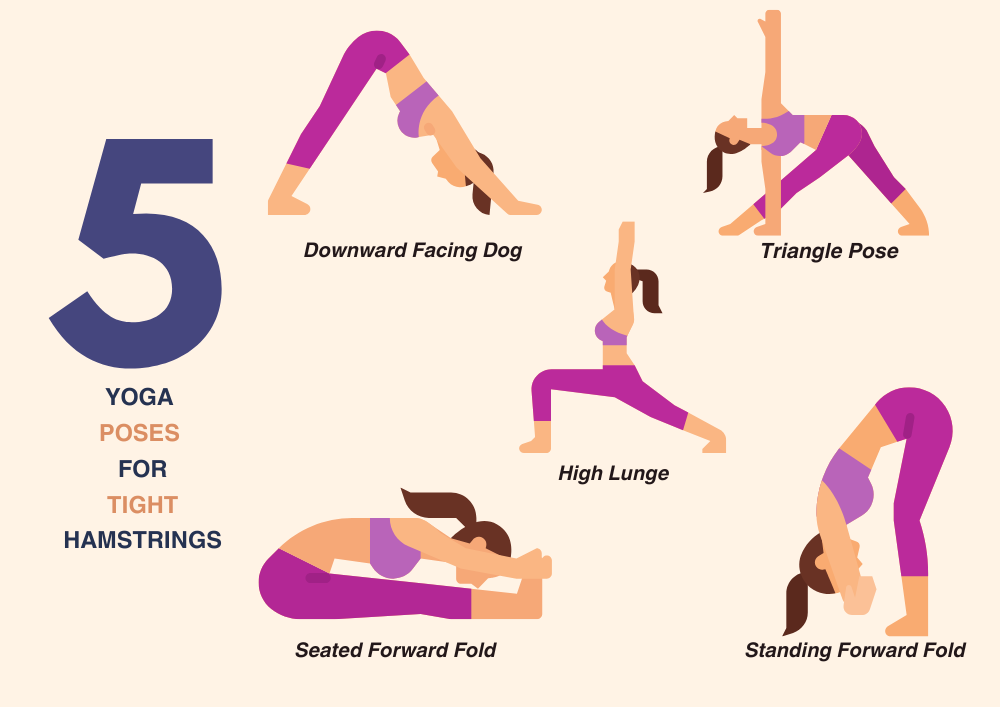
Certain yoga poses can strain your back if done incorrectly or too soon. Avoid deep twists, forward bends with straight legs, and intense backbends until your back feels stronger. These movements may worsen pain or lead to injury if your muscles and spine aren’t ready.
Listen to your body closely during each session. Sharp or increasing pain is a clear sign to stop or adjust the pose. Do you notice specific movements that trigger discomfort? Keeping a journal of these can help you and your instructor adapt the practice.
Using Props For Support
Props like blocks, straps, and bolsters can make poses more accessible and safer. For example, placing a block under your hands in a forward fold reduces the stretch and supports your spine. Bolsters can cushion your lower back during restorative poses.
Using props also helps maintain proper alignment, which is key to preventing strain. You don’t need to be flexible to use yoga props—they’re tools to help you succeed. What props do you have at home that could support your practice?
Gentle Yoga Poses For Back Pain
Gentle yoga poses can provide significant relief if you have back pain. These poses focus on stretching and strengthening your back muscles without causing strain. You’ll find that moving slowly and mindfully can ease tension and improve flexibility over time.
Try to pay attention to how your back feels during each pose. If something causes discomfort, adjust your position or skip that pose. Your body will guide you toward what works best.
Cat-cow Pose
This pose helps warm up your spine and improves flexibility. Start on your hands and knees, then alternate between arching your back upward (Cat) and dipping it downward (Cow). The gentle movement massages your spine and relieves stiffness.
Focus on syncing your breath with your movements. Inhale as you arch your back, exhale as you round it. This simple rhythm can calm your nervous system and reduce pain.
Child’s Pose
Child’s Pose is a restful position that gently stretches your lower back. Kneel on the floor, sit back on your heels, and extend your arms forward while lowering your chest toward the ground.
Feel the stretch along your spine and hips. If you have tight hips, placing a cushion under your torso can make this pose more comfortable. Ask yourself: does your back feel lighter after holding this pose for a minute or two?
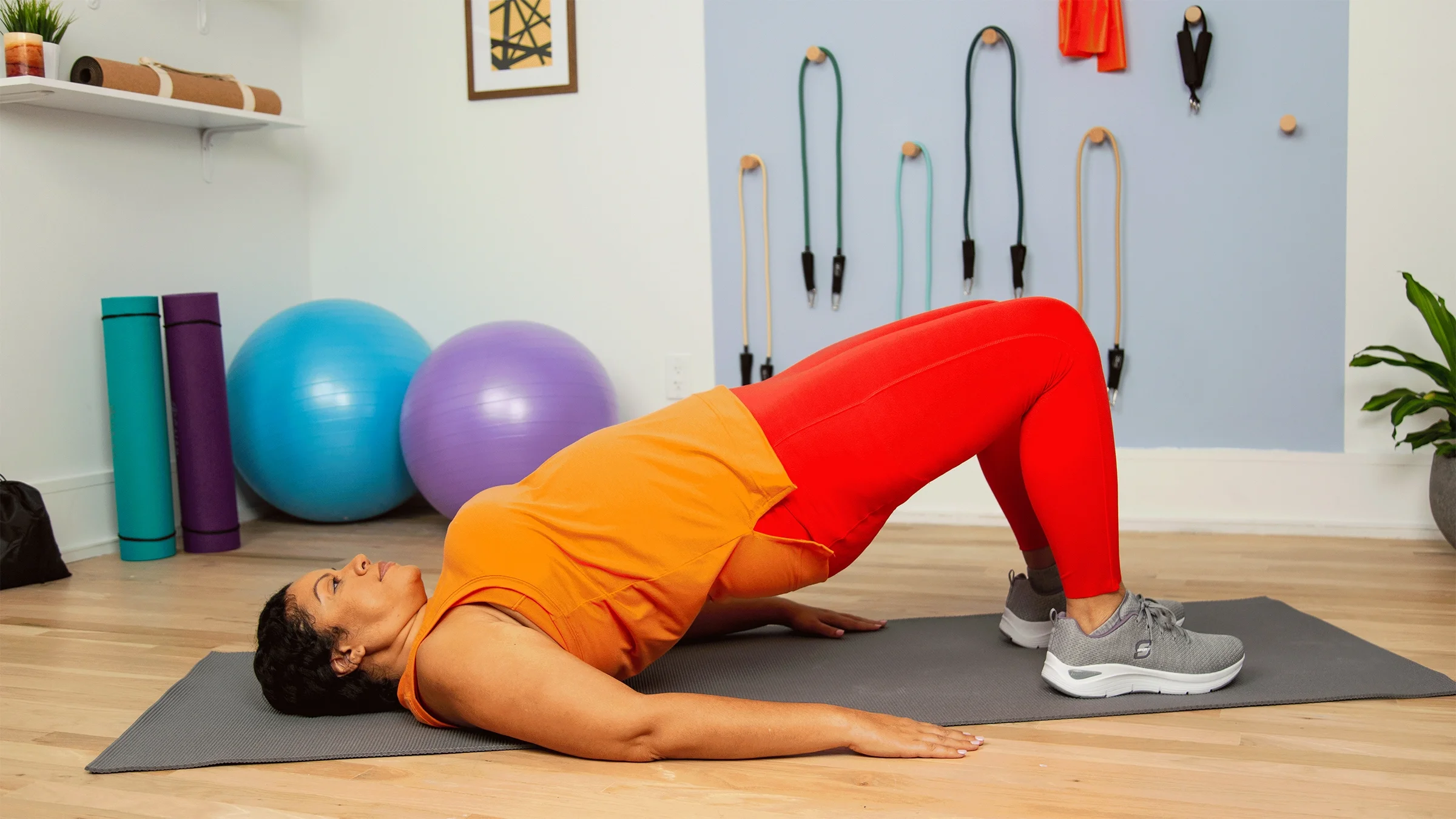
Bridge Pose
Bridge Pose strengthens the muscles supporting your lower back. Lie on your back with your knees bent and feet flat on the floor. Lift your hips upward, keeping your shoulders and feet grounded.
Hold the pose for several breaths, then slowly lower down. This movement opens your chest and stretches your spine, helping to reduce back pain caused by weak muscles.
Sphinx Pose
Sphinx Pose is excellent for gentle back extension and improving posture. Lie on your stomach and prop yourself up on your forearms, keeping your elbows under your shoulders.
This pose encourages your lower back to arch slightly without overextending. Notice how your spine feels supported rather than compressed. Can you feel your back muscles relaxing as you hold this position?
Breathing Techniques To Support Healing
Breathing techniques play a key role in yoga for people with back problems. They help relax muscles and ease pain. Proper breathing also improves oxygen flow to injured areas. This supports faster healing and reduces stress. Learning these breaths can make yoga safer and more effective for beginners with back issues.
Diaphragmatic Breathing
Diaphragmatic breathing, or belly breathing, focuses on deep breaths using the diaphragm muscle. It helps lower tension in the lower back. Sit or lie down comfortably. Place one hand on your belly and the other on your chest. Breathe in slowly through your nose. Feel your belly rise under your hand. Your chest should stay still. Exhale gently through your mouth. Repeat for several minutes to calm the nervous system and relieve back pain.
Ujjayi Breath
Ujjayi breath is a gentle, controlled breath often used during yoga poses. It creates a soft sound in the throat, helping to focus the mind. This breath increases oxygen supply and warms the body. Breathe in and out through your nose with a slight constriction at the back of your throat. Keep your mouth closed. The sound should be smooth and steady. Use this breath to maintain calm and steady energy during practice, protecting your back from strain.
Creating A Safe Yoga Routine
Creating a safe yoga routine is essential, especially when you have back problems. Your routine should protect your spine while helping you build strength and flexibility. Careful planning ensures you avoid injury and gain the most benefit from your practice.
Warm-up Exercises
Warming up prepares your muscles and joints for yoga poses. Start with gentle stretches like neck rolls, shoulder shrugs, and cat-cow movements. These exercises increase blood flow and reduce stiffness, making your back more ready for deeper stretches.
Spend at least 5 to 10 minutes warming up. Avoid sudden or intense movements that could strain your back. Remember, warming up is not just about moving but about feeling your body loosen up.
Duration And Frequency
Keep your yoga sessions short at first, around 15 to 20 minutes. This allows your body to adjust without feeling overwhelmed. You can slowly add time as your comfort and strength increase.
Aim to practice yoga 3 to 4 times a week. Consistency matters more than duration. Regular practice builds endurance and helps your back heal over time.
Listening To Your Body
Pay close attention to how your back feels during each pose. If you feel sharp pain or discomfort, stop immediately. Mild stretching sensations are okay, but pain is your body’s way of saying something is wrong.
Ask yourself: Are you holding a pose too long? Is your posture correct? Adjust or skip poses that don’t feel right. Your body knows best, so respect its limits to avoid setbacks.
Modifications For Common Back Issues
Yoga can be a powerful tool to ease back pain, but certain back problems need special care. Modifying poses helps protect your spine and still lets you enjoy yoga’s benefits. Knowing how to adjust your practice for specific issues keeps you safe and confident on the mat.
Herniated Disc
A herniated disc means a part of the disc between your vertebrae is pressing on nerves. Avoid deep forward bends that put pressure on the spine. Instead, try gentle supported poses like Child’s Posewith a bolster under your chest to reduce strain.
Strengthening your core helps support your back. You can add modified plank poses, holding for short periods and focusing on form. Ask yourself: Does this pose feel like relief or discomfort? Always choose relief.
Sciatica
Sciatica pain travels from your lower back down your leg due to nerve irritation. Steer clear of twisting poses that compress the lower spine. Instead, stretch your hamstrings gently with a strap while lying on your back.
Try poses like Reclining Pigeon, but keep the stretch mild. Overstretching can make symptoms worse. Notice how your body reacts and ease off if you feel sharp pain.
Lower Back Stiffness
If your lower back feels tight and stiff, focus on slow, controlled movements that increase flexibility. Cat-Cow stretches are excellent for loosening the spine without strain. Move with your breath and pause where you feel tension.
Adding gentle twists while seated can also help, but avoid forcing your body into uncomfortable ranges. Have you tried using props like blocks or blankets to support your posture? These simple tools can make a big difference in comfort.

Credit: www.hingehealth.com
Frequently Asked Questions
What Yoga Poses Are Safe For Beginners With Back Pain?
Gentle poses like Cat-Cow, Child’s Pose, and Bridge Pose are safe. These stretches improve flexibility and reduce tension without straining the back. Avoid deep twists or intense forward bends initially to prevent injury.
How Often Should Beginners With Back Problems Practice Yoga?
Start with 2-3 sessions per week, each lasting 20-30 minutes. Consistency helps build strength and flexibility gradually. Listen to your body and increase frequency only if comfortable.
Can Yoga Help Relieve Chronic Back Pain Effectively?
Yes, yoga improves posture, strengthens core muscles, and increases flexibility. Regular practice reduces pain and enhances spine health. Consult a healthcare provider before starting if pain is severe.
Should I Use Props When Doing Yoga For Back Issues?
Using props like blocks, straps, or bolsters supports proper alignment and reduces strain. Props make poses more accessible and comfortable, especially for beginners with limited flexibility.
Conclusion
Yoga helps ease back pain and builds gentle strength. Start slow and listen to your body’s signals. Consistency brings better posture and less discomfort over time. Choose poses that feel good and avoid any sharp pain. Practicing yoga with care supports both your back and mind.
Stay patient and enjoy the small improvements each day. Your back will thank you for the kindness and attention.







