
Are you tired of waking up each morning to the persistent ache in your lower back? You’re not alone, and the good news is, there’s a gentle solution that could be just what you need.
Beginner yoga for lower back pain offers a natural and effective way to ease your discomfort and improve your overall well-being. Imagine starting your day with less pain and more flexibility. Sounds good, right? We’ll explore simple yoga poses that are easy to do, even if you’ve never tried yoga before.
These poses are specifically designed to target and relieve lower back pain. So, if you’re ready to take control of your pain and start feeling better, keep reading. Your back will thank you!
Credit: myyogateacher.com
Causes Of Lower Back Pain
Lower back pain affects many people, and understanding its causes is key to finding relief. Your daily habits and body mechanics often play a big role in triggering discomfort. Knowing what triggers your pain can help you take steps toward healing and preventing future issues.
Common Triggers
Several everyday actions can cause or worsen lower back pain. Sitting for long periods without movement puts pressure on your spine. Lifting heavy objects incorrectly can strain muscles and ligaments.
Have you noticed how your pain flares up after certain activities? Stress and lack of sleep also reduce your body’s ability to recover, making pain worse.
Impact Of Posture
Your posture is more important than you might think. Slouching while sitting or standing shifts your weight unevenly, increasing stress on your lower back. Even small changes like leaning forward to look at a screen can add up.
Try paying attention to how you hold your body throughout the day. Can you keep your spine aligned when you sit at your desk or walk around? This awareness can make a big difference.
Role Of Muscle Imbalance
Muscle imbalances often hide behind lower back pain. When some muscles are tight and others are weak, your body compensates, leading to strain. For example, tight hip flexors combined with weak abdominal muscles can pull on your lower back.
Think about your own strength and flexibility—are certain muscles always tight or sore? Addressing these imbalances with targeted stretches and exercises can ease pain and improve posture.

Credit: www.youtube.com
Benefits Of Yoga For Back Pain
Yoga offers many benefits for people with lower back pain. It helps ease pain and improve how the back works. Regular practice can reduce stiffness and increase comfort. Yoga teaches gentle movements and breathing techniques that support healing.
Improved Flexibility
Yoga stretches tight muscles around the lower back. Better flexibility reduces tension and prevents injury. Gentle poses open hips and hamstrings, easing pressure on the spine. This helps the back move more freely and without pain.
Strengthening Core Muscles
Strong core muscles support the lower back. Yoga builds strength in the abdomen and lower back muscles. A stable core reduces strain on the spine. This support lowers the risk of future back pain and improves posture.
Stress Reduction Effects
Stress can increase muscle tightness and pain. Yoga uses breathing and meditation to calm the mind. Reduced stress helps relax muscles and ease discomfort. A peaceful mind supports overall healing and well-being.
Safety Tips For Beginners
Starting yoga for lower back pain requires careful attention to safety. Beginners should focus on gentle movements and avoid strain. Practicing safely helps prevent injuries and supports healing. Here are key tips to keep your practice safe and effective.
Listening To Your Body
Pay close attention to how your body feels during yoga. Stop any pose that causes sharp or intense pain. Mild stretching discomfort is okay, but never push beyond your limits. Rest when your body signals tiredness or soreness. Breathing deeply helps you stay aware and relaxed.
Using Props For Support
Props like blocks, straps, and cushions provide extra support. They help maintain proper alignment and reduce pressure on your back. Use a folded blanket for cushioning under your hips or knees. Props make poses more comfortable and accessible, especially for beginners.
Avoiding Common Mistakes
- Do not force deep stretches or twists too soon.
- Avoid rounding your back during poses.
- Keep movements slow and controlled.
- Do not hold your breath while exercising.
- Skip poses that cause discomfort or pain.
Simple Yoga Poses For Relief
Simple yoga poses can provide effective relief for lower back pain by gently stretching and strengthening the muscles around your spine. These poses are easy to perform at home and don’t require any special equipment. You might find that just a few minutes a day makes a noticeable difference in your comfort and mobility.
Child’s Pose
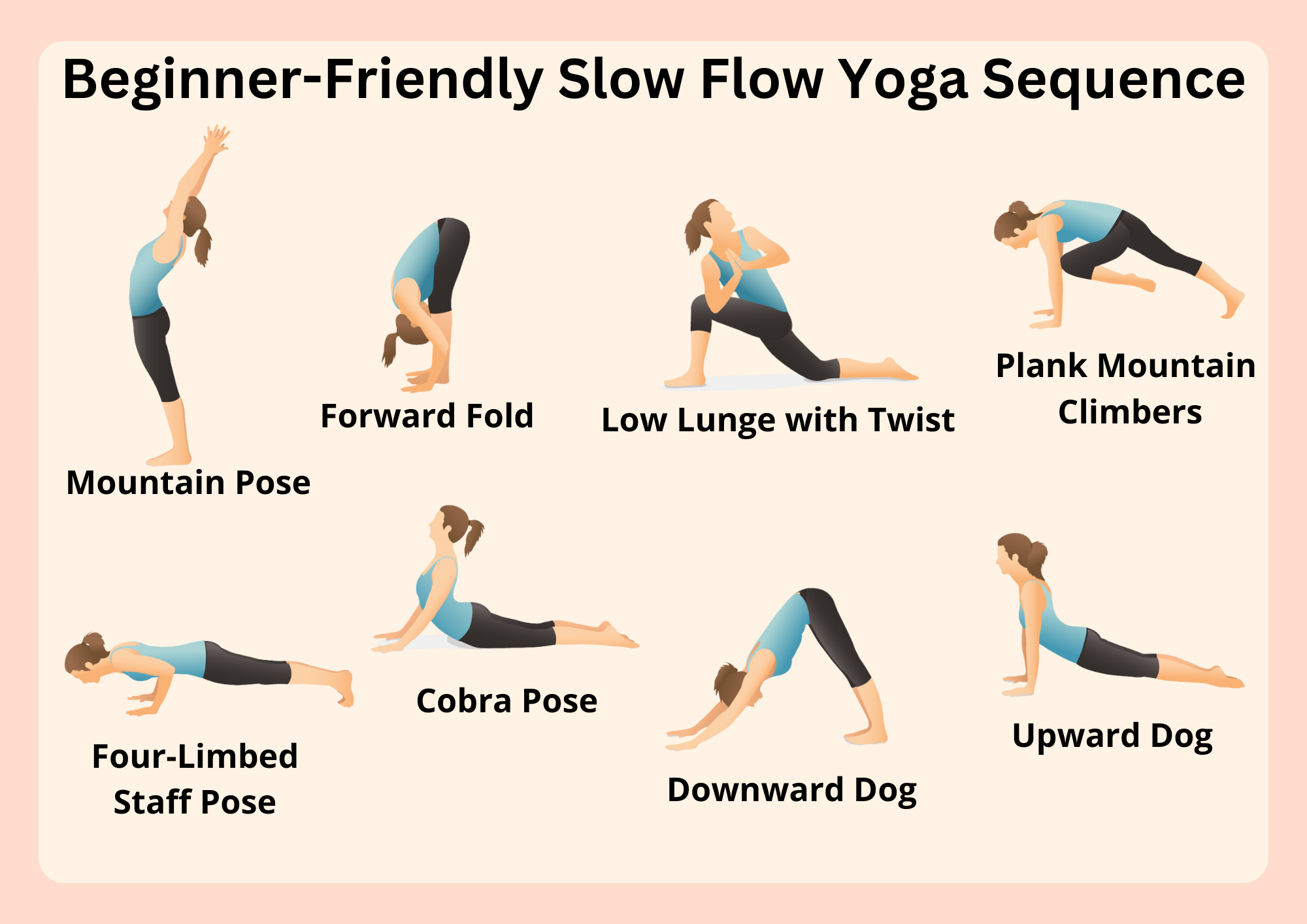
Child’s Pose is a gentle stretch that helps release tension in your lower back. Kneel on the floor, sit back on your heels, and stretch your arms forward as you lower your chest to the ground. This pose encourages relaxation and lengthens your spine without strain.
Cat-cow Stretch
The Cat-Cow Stretch improves flexibility and warms up your spine. Start on all fours, arch your back as you inhale (Cow), then round it as you exhale (Cat). Moving between these positions loosens tight muscles and increases blood flow to the lower back area.
Downward Dog
Downward Dog stretches your entire back and hamstrings, easing pressure on the lower back. Begin on your hands and feet, lift your hips towards the ceiling, and keep your spine long. If your hamstrings feel tight, bend your knees slightly to avoid overstraining.
Sphinx Pose
Sphinx Pose strengthens your lower back while gently opening the chest. Lie on your stomach with your forearms on the floor, elbows under shoulders, and lift your chest without compressing your lower back. This mild backbend supports spinal extension and improves posture.
Seated Forward Bend
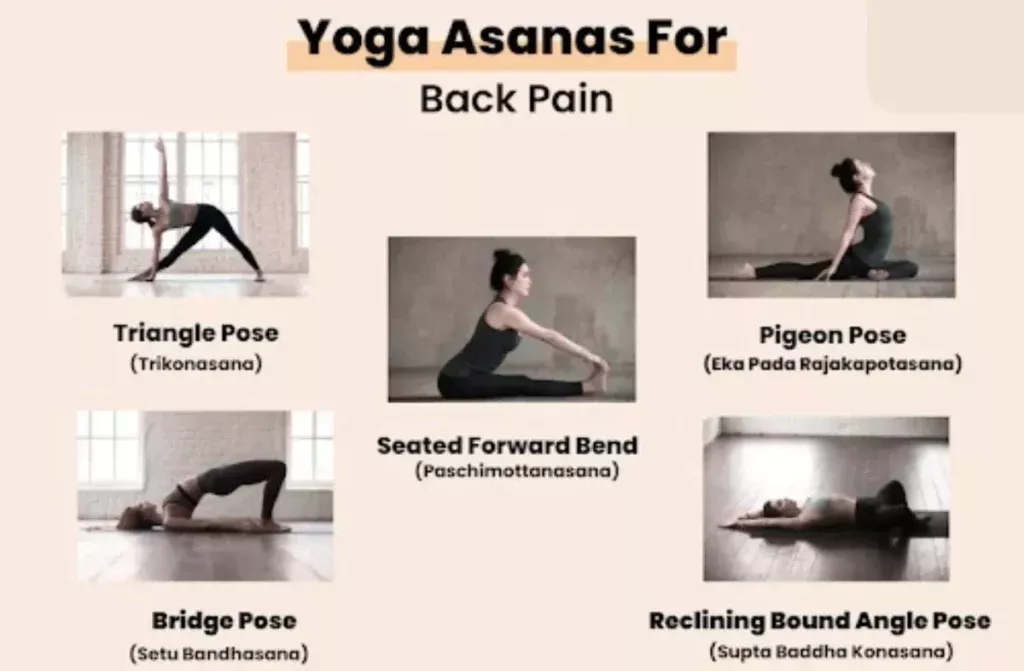
This pose stretches your spine and hamstrings, which can relieve lower back tightness. Sit with your legs straight in front of you, then slowly reach toward your toes while keeping your back as straight as possible. Focus on breathing deeply and stop if you feel any sharp pain.
Creating A Daily Yoga Routine
Creating a daily yoga routine for lower back pain can transform your healing process. Consistency helps your body adapt and strengthens muscles that support your spine. A well-planned routine balances effort and rest, making it easier to stay committed.
Duration And Frequency
Start with short sessions, around 10 to 15 minutes daily. This is enough time to perform gentle stretches without overwhelming your body.
Gradually increase your practice to 30 minutes as you feel more comfortable. Practicing yoga 4 to 6 days a week can provide steady relief and build resilience.
Ask yourself: What time of day feels best for your back? Morning might loosen stiffness, while evening can ease tension from daily activities.
Combining Poses
Mix poses that stretch and strengthen your lower back. For example, pair Cat-Cow stretches with Child’s Pose to gently warm up your spine.
Add poses like Bridge or Sphinx to build back muscles and improve posture. Remember to listen to your body—avoid any pose that causes sharp pain.
Try creating a flow that moves smoothly from one pose to another. This keeps your practice engaging and helps maintain focus on your back’s needs.
Tracking Progress
Keep a simple journal to note how your back feels before and after each session. This can reveal which poses help the most and which need adjustment.
Use checkboxes or a calendar to mark your yoga days. Visual progress motivates you to stick with the routine.
Consider taking photos or recording short videos occasionally. Seeing your posture improve over time can be a powerful reminder of your effort and success.
When To Seek Professional Help
Knowing when to seek professional help is crucial when using yoga to ease lower back pain. Yoga can be very effective, but sometimes pain signals a deeper issue that needs expert care. Ignoring serious signs can make your condition worse, so staying aware of your body’s limits is key.
Signs Of Serious Injury
Not all back pain is the same. Sharp, sudden pain or numbness spreading down your legs can mean nerve involvement. If you experience weakness, loss of bladder or bowel control, or pain that doesn’t improve after a few days of rest, these are red flags.
Ask yourself: Is the pain getting worse despite gentle movement? If yes, it’s time to pause your practice and get a professional evaluation.
Consulting A Yoga Instructor
A qualified yoga instructor can guide you through poses that protect your back while building strength and flexibility. Look for someone with experience in therapeutic yoga or back care. They can tailor poses to your specific needs and help you avoid movements that could harm your spine.
Have you ever tried a pose that felt wrong or caused discomfort? Sharing this with your instructor helps them adjust your routine safely.
Working With Healthcare Providers
Doctors, physical therapists, and chiropractors can diagnose underlying issues causing your back pain. They often work well alongside yoga instructors to create a balanced recovery plan. Medical professionals can also recommend imaging or treatments if your pain signals something serious.
Don’t hesitate to reach out if your pain limits daily activities or sleep. Combining medical advice with yoga can speed up your healing and keep you safe.
Credit: drmadanmohanreddy.com
Frequently Asked Questions
What Yoga Poses Help Relieve Lower Back Pain?
Gentle poses like Cat-Cow, Child’s Pose, and Sphinx stretch soothe lower back pain. These poses improve flexibility and reduce tension safely.
How Often Should Beginners Practice Yoga For Back Pain?
Beginners should practice yoga 3 to 4 times weekly. Consistent sessions help build strength and ease lower back discomfort gradually.
Can Yoga Worsen Lower Back Pain If Done Incorrectly?
Yes, improper form or pushing too hard may worsen pain. Always use guided instructions and avoid overstretching to prevent injury.
Is Yoga Safe For All Types Of Lower Back Pain?
Yoga is generally safe but consult a doctor if pain is severe or from injury. Tailored poses address specific conditions effectively.
Conclusion
Practicing beginner yoga can ease lower back pain gently. Small, regular sessions help build strength and flexibility. Listen to your body and move with care. Consistency brings better results over time. Yoga also helps reduce stress that worsens pain. Start slow, stay patient, and enjoy the process.
Your back will thank you for the effort. Keep practicing and feel the positive changes daily.







