
Are you new to yoga and eager to get the most out of your practice? Yoga blocks might just become your new best friends.
These simple, yet powerful tools can transform your yoga journey, making poses more accessible and enhancing your overall experience. Imagine feeling more balanced, stretching deeper, and maintaining proper alignment with ease. Sounds great, right? In this guide, we’ll explore how yoga blocks can be a game-changer for beginners like you.
We’ll dive into their benefits, how to use them effectively, and tips to choose the right ones for your practice. Stay with us to discover how these blocks can unlock a world of possibilities on your yoga mat.

Credit: www.amazon.com
Benefits Of Yoga Blocks
Yoga blocks offer many benefits for beginners. They make yoga poses easier and safer. Blocks help deepen stretches and improve body control. Using blocks supports a steady progress in your yoga practice.
Enhancing Flexibility
Yoga blocks allow a gentle stretch without strain. They reduce the gap between your body and the floor. This helps reach difficult positions comfortably. Blocks encourage gradual muscle stretching and flexibility improvement.
Improving Alignment
Blocks guide proper body alignment in poses. They prevent overextending or collapsing joints. Using blocks helps keep the spine straight. Good alignment reduces injury risk and improves posture.
Supporting Balance
Blocks provide stability in balancing poses. They offer extra support to hold poses longer. Using blocks builds confidence and body awareness. This support helps develop better balance over time.
Choosing The Right Yoga Blocks
Choosing the right yoga blocks can make your practice safer and more comfortable. Blocks help support your body in different poses. Picking blocks that fit your needs improves balance and alignment. Several factors matter when selecting blocks for beginners.
Material Options
Yoga blocks come in foam, cork, and wood materials. Foam blocks are lightweight and soft. They offer good cushion but may wear out faster. Cork blocks provide firmness and natural grip. They are eco-friendly and resist moisture. Wooden blocks are very sturdy and durable. They offer strong support but weigh more. Choose a material that feels comfortable and suits your style.
Size And Weight
Block size affects how you use it in poses. Standard blocks measure about 9 x 6 x 4 inches. Larger blocks offer more surface area for support. Smaller blocks are easier to carry and store. Weight matters for portability and ease of use. Lighter blocks suit travel and home practice. Heavier blocks stay stable during balance poses. Pick a size and weight that feel right for you.
Durability And Grip
Durability ensures your blocks last through many sessions. Foam blocks may compress over time but remain soft. Cork blocks resist wear and maintain firmness. Wooden blocks rarely lose shape or strength. Grip helps prevent slipping on smooth floors. Cork blocks have a natural, textured surface. Foam blocks can be slippery when wet. Wood blocks may need sanding for better grip. Select blocks with reliable grip and long-lasting quality.
Basic Block Positions
Yoga blocks are versatile tools that help you deepen your practice and maintain proper alignment. Knowing where to place them can make a big difference, especially if you’re just starting out. Let’s look at some basic block positions that can support your poses and boost your confidence on the mat.
Under The Hands
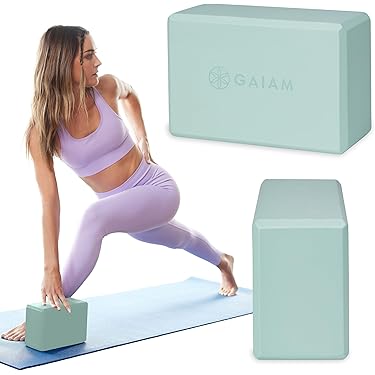
Placing yoga blocks under your hands can provide extra height and stability, especially in standing forward bends or balancing poses. This position helps you reach the floor without straining your hamstrings or lower back.
Try it in poses like Downward Dog or Pyramid Pose. You’ll notice better balance and less tension, making it easier to hold the pose longer. Have you ever felt your wrists or shoulders get tired? Blocks here can take some pressure off those joints.
Under The Feet
Sometimes your feet need a little lift to improve your alignment and comfort. Using blocks under the heels or the arches can help, particularly in poses like Bridge Pose or Reclined Hand-to-Big-Toe Pose.
This slight elevation can relieve tight calves or ankles and deepen your stretch safely. It’s a small adjustment that can change how stable and grounded you feel. What if a simple block could make standing poses less wobbly for you?
Supporting The Back
Blocks can also act as gentle supports for your back in restorative poses. Placing one under your sacrum or lower back during poses like Supported Bridge allows you to relax fully while opening the chest and hips.
This support encourages better breathing and releases tension without effort. Have you tried resting on a block and felt how it helps your body let go of stiffness? It’s a great way to ease into deeper stretches safely.
Common Poses With Blocks
Yoga blocks help beginners find balance and support in poses. They make stretching easier and improve alignment. Using blocks reduces strain and prevents injury. Beginners can feel more confident trying new poses with blocks.
Downward Dog
Place blocks under your hands in Downward Dog. They raise the floor to meet your hands. This helps if you have tight shoulders or hamstrings. Blocks make it easier to keep your spine straight. You can also use blocks to support your heels if they don’t reach the floor.
Triangle Pose
Triangle Pose needs a long reach. Put a block next to your front foot. Rest your lower hand on the block instead of the floor. This keeps your chest open and back straight. Blocks help you avoid bending forward too much. They support your balance and deepen the stretch safely.
Seated Forward Bend
Sit with legs extended and a block in front. Rest your hands or forehead on the block. This reduces pressure on your lower back. Blocks help you fold forward without strain. They make the pose more comfortable for tight hamstrings. Hold the block gently and breathe deeply for best results.
Tips For Safe Practice
Using yoga blocks helps beginners practice poses safely and comfortably. Knowing how to use them correctly reduces injury risk and improves alignment. Here are essential tips for a safe yoga block practice.
Proper Placement
Place yoga blocks where support is needed most. Common spots include under hands, feet, or hips. Ensure the block is stable and flat on the floor. Avoid placing blocks on uneven surfaces. Adjust the block height to match your body’s reach.
Avoiding Overreliance
Blocks assist but should not replace strength or flexibility. Use them as a tool, not a crutch. Gradually reduce block use as your balance and strength improve. Challenge your body safely without pushing beyond limits. Blocks help progress, not create dependence.
Listening To Your Body
Pay close attention to how your body feels during practice. Stop if you feel pain or sharp discomfort. Mild stretching or muscle fatigue is normal, pain is not. Rest or modify poses if needed. Respect your body’s signals for a safe yoga journey.

Credit: www.amazon.com
Cleaning And Maintenance
Keeping your yoga blocks clean and well-maintained is essential for both hygiene and durability. Blocks often come into contact with sweat and dirt, which can affect your practice if not addressed. A simple routine for cleaning and storing them properly will keep your blocks fresh and ready for every session.
Regular Cleaning
Wipe down your yoga blocks after each use with a damp cloth to remove sweat and surface dirt. For a deeper clean, mix mild soap with warm water and gently scrub the blocks using a soft sponge.
Avoid harsh chemicals or soaking the blocks, as these can damage the material. Let them air dry completely before storing to prevent mold or unpleasant odors.
Have you noticed your blocks becoming slippery or smelling musty? Regular cleaning can prevent these issues and improve your grip during poses.
Storage Tips
Store your yoga blocks in a cool, dry place away from direct sunlight to avoid warping or fading. Keeping them off the floor, such as on a shelf or in a dedicated yoga bag, helps protect them from dust and damage.
If you have multiple blocks, stack them neatly but avoid placing heavy objects on top. This preserves their shape and ensures they stay comfortable to use.
Think about where you practice most often—could a better storage spot make your yoga routine smoother and more inviting?
Incorporating Blocks In Daily Routine
Yoga blocks are simple tools that bring many benefits to your daily yoga practice. Using blocks helps beginners improve posture, balance, and flexibility. They make poses safer and more comfortable. Blocks fit easily into warm-ups, stretching, and meditation. This section shows how to use blocks every day to enhance your yoga journey.
Warm-up Exercises
Start your session with blocks for better support. Use blocks to rest your hands or feet during gentle movements. They help maintain balance and reduce strain on muscles. For example, place a block under your hand in a standing side stretch. This position feels stable and prepares your body for deeper poses.
Deepening Stretches
Blocks assist in reaching further without overextending. Put a block under your hands during forward bends to avoid rounding your back. They increase your reach and keep your spine straight. Blocks also support hips and knees in seated stretches. This support helps muscles relax and stretch more effectively.
Meditation Support
Blocks make sitting for meditation easier and more comfortable. Place a block under your sit bones to lift your hips slightly. This position reduces lower back pressure and improves posture. A block can also support your knees, keeping them lower than hips. This alignment helps keep your body relaxed and focused during meditation.
Credit: www.amazon.com
Frequently Asked Questions
What Are Yoga Blocks And Why Use Them?
Yoga blocks are supportive props that improve alignment and stability. Beginners use them to deepen stretches and maintain proper form safely. They help reduce injury risk and make poses more accessible, especially for those with limited flexibility or balance.
How Do Yoga Blocks Benefit Beginners?
Yoga blocks provide extra height and support, making poses easier. They help beginners achieve correct posture and balance. Blocks reduce strain on muscles and joints, enhancing comfort and confidence during practice.
Which Material Is Best For Yoga Blocks?
Foam blocks are lightweight and soft, ideal for beginners. Cork blocks offer firm support and durability. Choose based on comfort, grip, and personal preference for a better yoga experience.
How To Choose The Right Size Yoga Block?
Standard yoga blocks are usually 9 x 6 x 4 inches. Beginners should pick blocks that feel comfortable to hold and support. Size affects stability, so test different blocks to find the best fit.
Conclusion
Yoga blocks help beginners practice poses safely and comfortably. They support balance and improve flexibility step by step. Using blocks reduces strain and builds confidence in each session. Try different block sizes to find what suits you best. Regular practice with blocks makes yoga more enjoyable and less stressful.
Keep your blocks nearby for easy access during workouts. Small tools can make a big difference in your yoga journey. Start simple, stay patient, and watch your skills grow. Yoga blocks are a helpful aid for every beginner’s practice.







