
Imagine stepping into a world where you feel more flexible, energetic, and ready to take on any challenge. That’s the power of stretching exercises.
Whether you’re an athlete looking to improve performance or someone who wants to ease daily stiffness, stretching can make a huge difference in your life. But did you know there are different types of stretching exercises, each with its unique benefits?
Understanding these can help you tailor your routine to meet your specific needs. Curious about how you can enhance your flexibility and improve your overall well-being? Dive into this guide and discover the various stretching exercises that can transform your daily routine and help you achieve your fitness goals. Your body will thank you!
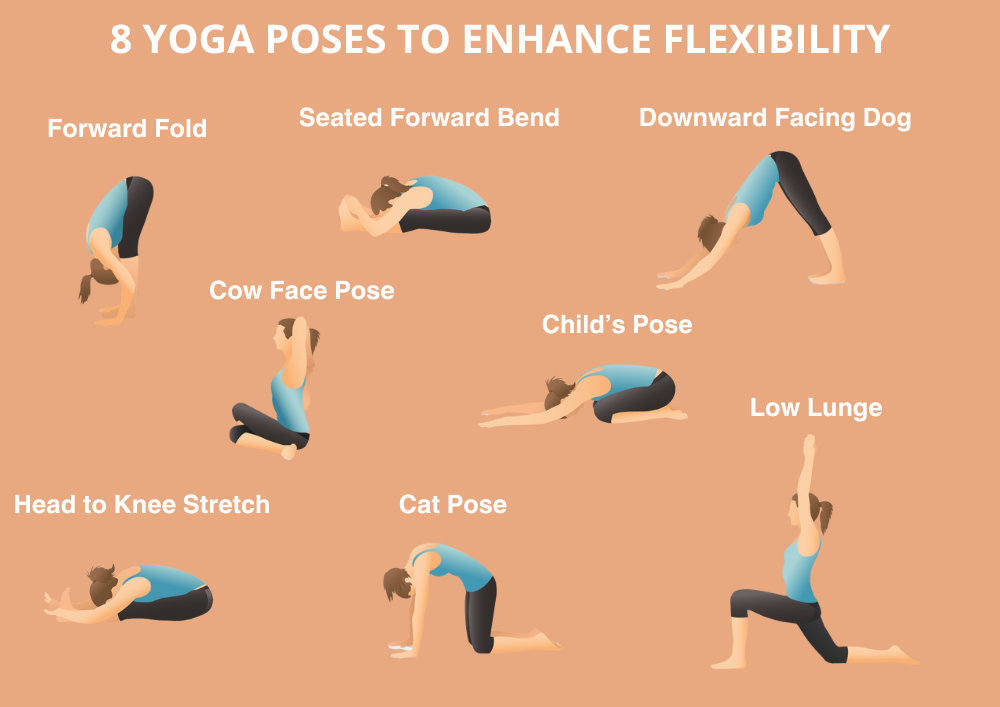
Credit: myyogateacher.com
Benefits Of Stretching
Stretching offers more than just a quick warm-up before exercise. It plays a crucial role in keeping your body agile and healthy. By adding simple stretching exercises to your routine, you can notice real improvements in how your body feels and performs every day.
Improved Flexibility
Flexibility is key to moving freely without discomfort. Regular stretching helps lengthen your muscles, making it easier to reach, bend, and twist.
I used to struggle with tight hamstrings that limited my daily activities. After consistent stretching, I noticed a clear difference in my range of motion, which made simple tasks like tying my shoes effortless.
What movements feel restricted to you right now? Adding stretches targeting those areas could open up new possibilities for your body.
Injury Prevention
Stretching prepares your muscles and joints for physical activity, reducing the risk of strains and sprains.
When I started stretching before workouts, I stopped experiencing the nagging muscle tightness that often led to minor injuries. It helped me stay consistent with my fitness without setbacks.
Think about your last injury—could better muscle preparation have helped you avoid it? Stretching might be the simple step that keeps you safe.
Enhanced Circulation
Stretching increases blood flow to your muscles, delivering more oxygen and nutrients where they’re needed most.
This boost in circulation speeds up recovery and reduces muscle soreness after physical activity. I found that stretching after long periods of sitting instantly refreshed my legs and boosted my energy.
How often do you take breaks to stretch during your day? Even short sessions can improve circulation and help you feel more alert.
Static Stretching
Static stretching is one of the most common and effective ways to improve flexibility and reduce muscle tension. It involves holding a stretch in a fixed position for a period of time, usually between 15 to 60 seconds. This type of stretching helps your muscles relax and lengthen, making movements easier and less prone to injury.
How It Works
When you hold a stretch without moving, your muscles gradually adapt to the new length. This process relaxes the muscle fibers and increases their range of motion.
Static stretching also stimulates the sensory receptors in your muscles, signaling them to reduce tension. Over time, this leads to improved flexibility and better muscle control.
Have you noticed how your muscles feel looser after holding a stretch for a while? That’s the tension slowly releasing.
Popular Static Stretches
- Hamstring Stretch:Sit on the floor with one leg extended and the other bent. Reach toward your toes and hold the position.
- Quadriceps Stretch:Stand on one leg, pull your other foot toward your buttocks, and hold the ankle.
- Shoulder Stretch:Bring one arm across your chest and use the opposite arm to press it closer.
- Calf Stretch:Stand facing a wall, place one foot back, and press the heel down while leaning forward.
- Triceps Stretch:Raise one arm overhead and bend the elbow, using the other hand to gently push the arm.
Best Practices
Always warm up your muscles with light activity before stretching. Cold muscles are less flexible and more prone to injury.
Hold each stretch steadily without bouncing. Jerky movements can cause muscle strains.
Listen to your body—stretch to the point of mild tension, not pain. Stretching should feel good, not uncomfortable.
How often do you add static stretching to your routine? Consistency is key for lasting flexibility gains.
Dynamic Stretching
Dynamic stretching is all about movement and momentum. Unlike static stretches where you hold a position, dynamic stretches involve controlled movements that prepare your muscles and joints for activity. This type of stretching wakes up your body and improves your range of motion while keeping your muscles warm.
Movement-based Stretches
Dynamic stretching uses movements that mimic the activity you’re about to do. This helps your body transition smoothly from rest to exercise. These stretches increase blood flow and stimulate your nervous system.
Think of leg swings, arm circles, or walking lunges. Each move targets specific muscle groups and joints, making your body more ready for action.
Pre-workout Routine
Adding dynamic stretches to your warm-up can boost your workout performance. They prepare your muscles to contract efficiently and reduce the risk of injury. Spend 5 to 10 minutes moving through these stretches before you start lifting weights, running, or playing sports.
Have you noticed how your body feels more agile and responsive after dynamic stretches? That’s because these movements increase your heart rate and oxygen delivery to muscles.
Examples Of Dynamic Stretches
- Leg Swings:Swing one leg forward and backward while keeping your upper body stable. This loosens your hip flexors and hamstrings.
- Arm Circles:Extend your arms to the side and make small to large circles. This warms up your shoulders and upper back.
- Walking Lunges:Step forward into a lunge position, then bring your back leg forward to step into the next lunge. This activates your glutes and thighs.
- High Knees:Jog in place while lifting your knees as high as possible. This increases heart rate and warms up your lower body.
- Torso Twists:Stand with feet shoulder-width apart and twist your torso from side to side. This improves spinal mobility and core activation.
Pnf Stretching
PNF stretching stands out as a powerful technique that combines muscle contraction and stretching to improve flexibility and range of motion. Many athletes and physical therapists use it to help muscles relax and lengthen more effectively than traditional stretches. Have you ever felt a stretch that seemed to reach deeper than usual? That’s often the result of PNF stretching.
Proprioceptive Neuromuscular Facilitation
Proprioceptive Neuromuscular Facilitation, or PNF, is a method that uses the body’s own reflexes to increase flexibility. It targets the neuromuscular system, meaning it works with the signals between your nerves and muscles. This approach helps muscles relax after contracting, allowing you to stretch further safely.
The idea comes from how your muscles respond when they sense tension. By carefully controlling muscle contractions and relaxations, PNF stretches improve both strength and flexibility simultaneously. It’s more than just pulling a muscle—it’s about working with your body’s natural reactions.
Techniques Used
- Hold-Relax:You stretch the muscle, then contract it without moving, hold for a few seconds, and finally relax to stretch even further.
- Contract-Relax:Similar to Hold-Relax but involves actively contracting the muscle through its range of motion before relaxing and stretching.
- Hold-Relax with Agonist Contraction:After the initial muscle contraction and relaxation, you actively engage the opposing muscle to deepen the stretch.
These techniques often require a partner or a trainer to assist. For example, during a hamstring stretch, your partner might resist your muscle contraction, helping your muscle relax more deeply afterward. Have you tried stretching this way with a friend or coach?
Benefits And Precautions
PNF stretching can rapidly improve your flexibility and muscle strength. It’s especially helpful if you’re rehabbing an injury or trying to break through a flexibility plateau. Many users find it boosts their performance in sports and daily activities.
However, PNF isn’t for everyone. It demands careful execution to avoid overstretching or muscle strain. Always warm up first and never force a stretch beyond your comfort level. If you feel sharp pain or discomfort, stop immediately.
Would you consider adding PNF to your routine if it meant faster gains in flexibility? It’s worth trying under guidance to see how your body responds.
Ballistic Stretching
Ballistic stretching is a dynamic form of stretching that uses rapid, bouncing movements to push your muscles beyond their normal range of motion. Unlike slow, steady stretches, ballistic stretching relies on momentum to increase flexibility. It can be tempting to use this method to quickly improve mobility, but understanding how and when to apply it is crucial for safety and effectiveness.
Bouncing Movements
Ballistic stretching involves quick, repeated bouncing motions that force your muscles to stretch further than usual. These movements are often jerky and fast, unlike the controlled holds in static stretching. Think of gently bouncing to touch your toes repeatedly rather than holding the position.
The key is that the stretch happens due to the momentum generated by the bouncing, not by slowly easing into the stretch. This can activate your muscle’s stretch reflex, which may cause your muscles to tighten instead of relax.
When To Use It
Ballistic stretching works best for athletes who need explosive power and quick flexibility, such as sprinters or basketball players. It can be part of a warm-up routine to prepare your muscles for rapid movements.
If you’re just starting out with stretching or have tight muscles, ballistic stretching might not be suitable. Instead, focusing on gentle static or dynamic stretches can be safer and more effective for improving flexibility gradually.
Risks Involved
One major risk of ballistic stretching is muscle strain or injury from overstretching too quickly. The bouncing can cause small tears in muscle fibers if your muscles aren’t warm or flexible enough.
It may also lead to joint problems if done improperly, especially in sensitive areas like the hamstrings or lower back. Have you ever felt a sharp pain after a quick stretch? That’s often a sign ballistic stretching went too far.
To minimize risks, always warm up thoroughly before trying ballistic stretches, and never force your body into uncomfortable positions. Listening to your body is more important than pushing past limits with bouncing moves.
Active Stretching
Active stretching involves moving your muscles through their full range of motion using your own strength. This type of stretching warms up your body and prepares muscles for exercise. It helps increase flexibility and improves muscle control. Active stretching is ideal before workouts or sports activities. It uses movement and muscle engagement rather than holding a stretch passively.
Muscle Engagement
Active stretching requires muscles to work actively. You contract one muscle group to stretch the opposite group. This helps improve strength and flexibility at the same time. The engaged muscles support joints and maintain balance. This dynamic control reduces injury risk. Muscle engagement also improves coordination and body awareness.
Common Active Stretches
- Leg swings: Swing one leg forward and backward or side to side.
- Arm circles: Rotate your arms in circles, starting small and getting bigger.
- Walking lunges: Step forward into a lunge, then switch legs as you walk.
- High knees: March in place lifting your knees toward your chest.
- Hip circles: Move your hips in a circular motion to loosen them.
Advantages
- Increases blood flow to muscles quickly.
- Prepares muscles for active movement and exercise.
- Improves flexibility without overstretching.
- Enhances muscle strength and coordination.
- Reduces muscle stiffness and soreness.
Passive Stretching
Passive stretching is a gentle way to increase flexibility by relaxing your muscles while an external force holds the stretch. Unlike active stretching where you use your own muscle strength, passive stretching relies on something or someone else to help you hold the position. This type of stretching allows your muscles to fully relax and lengthen, which can be especially helpful after intense workouts or during cool-downs.
External Assistance
In passive stretching, the key factor is an external force that holds your limb or body part in position. This can be a partner, a stretch strap, a wall, or even gravity. Because you’re not using your own muscle power, you can often reach a deeper stretch.
Think about the times you’ve had a friend help you stretch after a workout. Their support allowed your muscles to relax more than you could achieve alone. This external help is what makes passive stretching effective and safe when done correctly.
Examples And Techniques
- Partner Hamstring Stretch:Lie on your back while your partner gently lifts one leg toward your chest, keeping it straight. Relax and let them hold the stretch for 20-30 seconds.
- Wall Calf Stretch:Place your toes up against a wall and lean forward, allowing your calf muscles to stretch without effort.
- Using a Strap:Loop a strap around your foot while lying down and gently pull to stretch your hamstrings or shoulders.
These techniques let you focus on breathing and relaxing into the stretch, making it easier to release tension. Have you noticed how your muscles feel looser after someone helps you stretch?
When To Incorporate
Passive stretching is best used during your cool-down phase or on rest days. It helps reduce muscle tightness and improve joint flexibility without stressing your muscles.
If you’re recovering from injury, passive stretches can gently maintain mobility while avoiding strain. However, it’s important not to force the stretch too far—listen to your body’s limits.
Have you tried passive stretching after a tough workout? You might find it helps your body relax and recover faster than you expected.

Credit: longevity.technology
Stretching For Different Body Parts
Stretching different body parts improves flexibility and reduces injury risk. Targeted stretches help muscles stay strong and relaxed. Focus on key areas to feel balanced and move freely.
Upper Body Stretches
Upper body stretches loosen muscles in the shoulders, arms, and neck. These stretches reduce tension and improve posture. Common examples include:
- Shoulder rolls to release tightness
- Triceps stretch for arm flexibility
- Neck tilts to ease stiffness
- Chest opener stretches to expand the front body
Lower Body Stretches
Lower body stretches target hips, thighs, calves, and ankles. They enhance mobility and reduce soreness after exercise. Try these effective stretches:
- Hamstring stretch for the back of the leg
- Quadriceps stretch to loosen front thigh muscles
- Calf stretch for better ankle flexibility
- Hip flexor stretch to relieve tight hips
Core Stretches
Core stretches focus on the abdomen, lower back, and sides. These stretches improve balance and support good posture. Useful core stretches include:
- Cat-cow stretch to increase spine flexibility
- Side bends to stretch obliques
- Lower back twists for spinal mobility
- Cobra stretch to open the abdominal muscles
Stretching Tips For Maximum Flexibility
Stretching helps improve flexibility and reduces injury risk. Proper technique boosts results and keeps muscles safe. Follow these tips for the best stretching experience.
Timing And Frequency
Stretch after warming up or at the end of exercise. Cold muscles stretch less effectively and may get hurt. Aim to stretch at least three times a week. Hold each stretch for 15 to 30 seconds. Repeat stretches two to four times for better flexibility.
Breathing Techniques
Breathing deeply helps muscles relax during stretching. Inhale slowly through the nose. Exhale gently through the mouth while holding the stretch. Avoid holding your breath. Steady breathing increases oxygen flow and reduces tension.
Avoiding Common Mistakes
- Do not bounce while stretching; it can cause injury.
- Never stretch to the point of pain.
- Keep movements slow and controlled.
- Focus on proper form rather than pushing hard.
- Balance stretches on both sides of the body.

Credit: www.goodrx.com
Frequently Asked Questions
What Are The Main Types Of Stretching Exercises?
The main types include static, dynamic, ballistic, and PNF stretching. Each targets muscles differently to improve flexibility and range of motion safely.
How Does Static Stretching Benefit Flexibility?
Static stretching involves holding a stretch for 15-60 seconds. It helps lengthen muscles, improve flexibility, and reduce injury risk after workouts.
When Should I Use Dynamic Stretching Exercises?
Dynamic stretching is best before workouts. It warms up muscles and increases blood flow, preparing your body for physical activity effectively.
Is Ballistic Stretching Safe For Beginners?
Ballistic stretching uses rapid, bouncing movements. It can cause injury if done incorrectly, so beginners should avoid it or perform under supervision.
Conclusion
Stretching exercises help keep your body flexible and strong. Different types target various muscles and needs. Regular stretching can reduce pain and improve movement. Choose the type that fits your routine and goals. Stay consistent for the best results. Remember, gentle and steady stretches work best.
Keep your body healthy with simple stretching habits every day. Feel better, move easier, and enjoy your activities more.







