
Are you curious about yoga but unsure where to start? Vinyasa yoga could be the perfect entry point for you.
Imagine flowing through movements that feel like a dance, while your mind finds a calm space amidst life’s chaos. This dynamic style of yoga connects each movement to your breath, creating a seamless sequence that is both invigorating and meditative.
If you’re looking to improve your flexibility, strength, and mental clarity, Vinyasa offers all that and more. Plus, it’s adaptable for all fitness levels, making it an ideal choice for beginners. Dive into this beginner-friendly guide to Vinyasa yoga, and discover how it can transform not just your body, but your entire well-being. Ready to feel the difference? Let’s explore how you can start your Vinyasa practice today.
What Is Vinyasa Yoga
Vinyasa Yoga is a style that connects breath with movement, creating a smooth flow of postures. This practice helps you build strength, flexibility, and focus while keeping your mind calm and engaged. If you’re new to yoga, understanding what Vinyasa entails can make your experience more enjoyable and effective.
What Does Vinyasa Mean?
The word “Vinyasa” means “to place in a special way” in Sanskrit. It refers to the sequence of movements that are synchronized with your breath. Each inhale and exhale guides you into the next pose, making the practice feel like a moving meditation.
How Vinyasa Yoga Works
In Vinyasa Yoga, you flow through a series of poses without holding them for long periods. This keeps your heart rate up and increases your energy. You might move from a plank to a downward dog to a warrior pose, all timed with your breathing.
Why Breath Is Key In Vinyasa
Your breath is the anchor in Vinyasa Yoga. It controls the pace and depth of each movement. Focusing on breath helps you stay present and reduces stress, even if the physical part feels challenging.
What To Expect In A Vinyasa Class
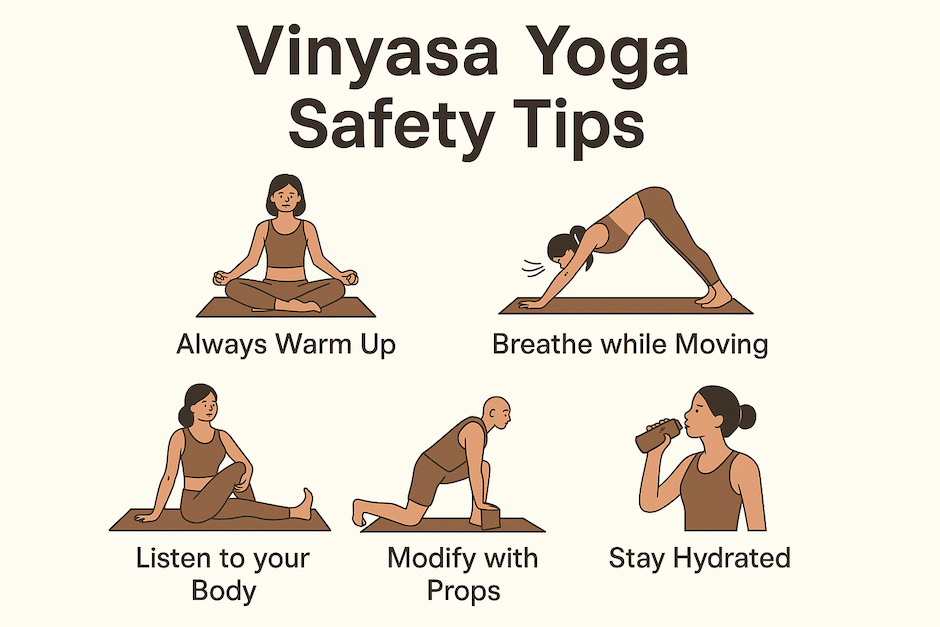
- A warm-up with gentle stretches to prepare your body
- Flowing sequences of poses linked with breath
- A cool-down period with relaxing postures
Classes can vary in speed and intensity, so you can find a pace that suits your level.
Is Vinyasa Yoga Right For You?
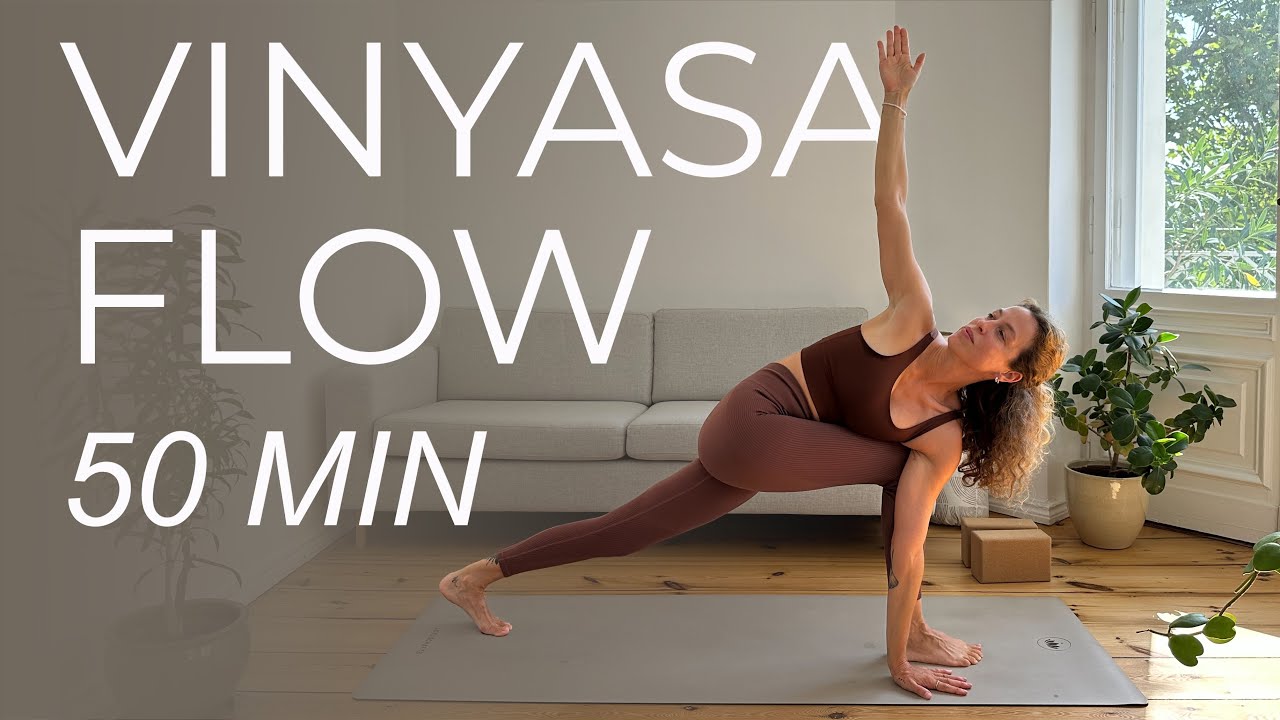
Ask yourself if you enjoy moving your body in rhythm with your breath. Do you prefer a practice that combines strength and calm? If yes, Vinyasa Yoga might be a great match for your lifestyle and goals.
Credit: www.youtube.com
Benefits Of Vinyasa Flow
Vinyasa Flow yoga offers many benefits for both body and mind. This style links breath with movement, creating a smooth and dynamic practice. It helps improve strength, flexibility, and balance. The continuous flow keeps the heart rate up, offering a mild cardio workout.
Regular practice reduces stress and calms the mind. It teaches focus and presence. Beginners find it a great way to build a strong yoga foundation.
Enhances Physical Strength And Flexibility
Vinyasa Flow builds muscle strength through varied poses. It stretches tight muscles gently. Over time, the body becomes more flexible and toned. This helps prevent injuries and improves posture.
Boosts Cardiovascular Health
The flowing sequences raise the heart rate steadily. This supports heart health and endurance. It also helps burn calories and aids weight management.
Improves Mental Focus And Reduces Stress
Coordinating breath with movement sharpens concentration. The rhythm of Vinyasa calms racing thoughts. This practice lowers anxiety and fosters relaxation.
Increases Body Awareness
Moving mindfully teaches you to listen to your body. You learn to recognize limits and avoid strain. This leads to safer practice and better self-care.
Offers A Balanced Full-body Workout
Vinyasa Flow works all muscle groups evenly. It combines strength, flexibility, and balance exercises. This creates a well-rounded and healthy body.
Basic Vinyasa Poses
Basic Vinyasa poses form the foundation of your yoga practice. They help you build strength, increase flexibility, and improve balance. Learning these poses correctly sets you up for a smooth flow and prevents injuries.
Mountain Pose
Mountain Pose is your starting point in Vinyasa. Stand tall with feet together, arms at your sides, and shoulders relaxed. Feel your weight evenly distributed and engage your core for stability.
Try closing your eyes here. Can you sense the subtle connection between your feet and the ground? This awareness helps improve your posture throughout the practice.
Downward Dog
Downward Dog stretches your entire body and builds arm strength. From Mountain Pose, bend forward, place your hands on the mat, and lift your hips high. Your body should form an inverted V shape.
Focus on pressing your heels toward the floor and lengthening your spine. Does your back feel tight? Keep your knees slightly bent to ease tension and gradually work toward straightening your legs.
Plank Pose
Plank Pose strengthens your arms, shoulders, and core. From Downward Dog, shift your weight forward until your shoulders stack over your wrists. Keep your body in a straight line from head to heels.
Notice if your hips sag or lift too high. Adjust to maintain alignment, engaging your belly to protect your lower back. How long can you hold this without losing form?
Chaturanga
Chaturanga is a low push-up that prepares you for arm balances. From Plank, slowly lower your body, keeping elbows close to your sides. Stop when your shoulders are just above your elbows.
This pose challenges your strength and control. If your arms feel shaky, lower your knees to the mat for support. Can you feel your triceps and core working together?
Upward Dog
Upward Dog opens your chest and strengthens your arms and back. From Chaturanga, press into your hands and lift your chest forward and up. Keep your thighs off the mat and legs straight.
Keep your shoulders away from your ears and gaze forward or slightly up. Does your lower back feel compressed? Engage your core and lengthen your spine to protect it.
Credit: myyogateacher.com
Simple Vinyasa Sequence For Beginners
Starting a Vinyasa practice can feel overwhelming, but a simple sequence helps you build confidence and flow with ease. This gentle routine focuses on basic poses that connect breath and movement. It guides your body to move smoothly while calming your mind.
Sun Salutation A (surya Namaskar A)
Sun Salutation A is a classic Vinyasa sequence that warms up your entire body. It links breath with movement, making it perfect for beginners. Try to move slowly and focus on steady breathing.
- Begin in Mountain Pose (Tadasana), standing tall.
- Inhale and sweep your arms overhead.
- Exhale and fold forward into a Forward Bend (Uttanasana).
- Inhale to lift halfway, lengthening your spine.
- Exhale and step back into Plank Pose.
- Lower down through Chaturanga Dandasana.
- Inhale into Upward-Facing Dog.
- Exhale into Downward-Facing Dog.
- Step forward, lift halfway, fold, and return to Mountain Pose.
This flow not only builds strength but also teaches you to listen to your breath. How does syncing breath with movement change your experience?
Warrior Flow
The Warrior Flow introduces basic standing postures that strengthen your legs and improve balance. Moving between Warrior I and Warrior II poses helps you find stability and focus.
- Start in Mountain Pose.
- Step one foot back and bend your front knee for Warrior I.
- Open your hips and arms to the side for Warrior II.
- Return to Warrior I and then back to Mountain Pose.
Try moving through this flow with your breath. Notice how your body feels grounded yet energized.
Cat-cow Stretch (marjaryasana-bitilasana)
This gentle stretch warms up your spine and coordinates breath with gentle movement. It’s simple but effective for increasing flexibility and calming your mind.
- Start on your hands and knees in a tabletop position.
- Inhale, arch your back, lifting your chest and tailbone (Cow Pose).
- Exhale, round your spine, tucking your chin and tailbone (Cat Pose).
Repeating this movement helps you become aware of your breath and body connection. Can you feel tension release as you move?
Child’s Pose (balasana) For Rest
Never skip Child’s Pose during your Vinyasa practice. It offers a moment to rest and reset your breath. This pose is essential for beginners to avoid burnout and stay present.
- From tabletop, sit back on your heels and stretch your arms forward.
- Rest your forehead on the mat and breathe deeply.
Use this pose whenever you feel overwhelmed. How does taking this break affect your focus and energy?
Breathing Techniques In Vinyasa
Breathing is the heart of Vinyasa yoga. It connects movement and mind. Proper breathing keeps your energy steady. It helps you flow smoothly through each pose. Learning basic breathing techniques improves focus and relaxation.
Ujjayi Breath
Ujjayi breath is also called “victorious breath.” It creates a soft sound like ocean waves. Breathe through your nose slowly and deeply. Slightly constrict the throat to make the sound. This breath calms the mind and warms the body. It supports smooth transitions between poses.
Synchronizing Breath With Movement
In Vinyasa, breath guides your movement. Inhale as you open or stretch. Exhale as you fold or twist. This rhythm builds flow and balance. It helps you stay present and focused. Moving with breath reduces strain and stress on muscles.
Benefits Of Controlled Breathing
Controlled breathing increases oxygen to your muscles. It improves endurance and strength. Breathing deeply reduces tension and anxiety. It promotes mental clarity and calmness. Regular practice can enhance your overall yoga experience.

Credit: myyogateacher.com
Common Mistakes To Avoid
Starting yoga Vinyasa is exciting, but beginners often stumble on a few common pitfalls. These mistakes can slow down your progress or even cause injury. Knowing what to avoid helps you enjoy a safer and more effective practice.
Not Listening To Your Body
It’s tempting to push yourself hard, especially when you see others flowing effortlessly. But ignoring your body’s signals can lead to strain or injury. Pay attention to how you feel during each pose—discomfort is normal, pain is not.
Have you ever felt sore after yoga and wondered if it’s just part of the process? That soreness might be a sign to ease off or modify your practice.
Skipping The Basics
Jumping straight into advanced poses without mastering foundational postures causes frustration. Basic poses build strength and flexibility needed for Vinyasa’s fluid movements. Don’t rush; take time to learn proper alignment and breathing.
Think about how a house needs a strong foundation. Your yoga practice is no different.
Rushing Through The Flow
Vinyasa links breath to movement, creating a rhythm. Moving too quickly breaks this connection and reduces the benefits. Slow down and focus on synchronizing your breath with each transition.
Have you noticed how your mind calms when your breath leads your movement? That’s the heart of Vinyasa.
Neglecting Breath Control
Breath is your guide in Vinyasa, but many beginners hold their breath or breathe shallowly. This limits oxygen flow and increases tension. Practice deep, steady breathing to keep your energy steady and your mind clear.
Ignoring Rest And Recovery
It’s easy to think more practice means faster progress. However, your body needs rest to heal and grow stronger. Include breaks and gentle poses to balance intense flows and prevent burnout.
Tips To Build Confidence
Building confidence in Vinyasa yoga takes time and patience. Feeling unsure is normal for beginners. Small steps help create a strong foundation. Practice regularly and celebrate each improvement. Focus on your progress, not perfection.
Set Realistic Goals For Each Session
Choose simple poses to start your practice. Avoid pushing too hard too soon. Small goals keep motivation high. Track your progress and adjust goals as you improve. This approach builds steady confidence.
Practice Mindful Breathing During Poses
Breath control calms your mind and body. It helps reduce anxiety during difficult poses. Focus on deep, steady breaths. This keeps you grounded and present. Mindful breathing improves your overall practice.
Use Modifications And Props
Props like blocks and straps support your body. Modifications make poses easier and safer. Use them without feeling self-conscious. They help you hold poses longer. Props build strength and confidence gradually.
Attend Beginner-friendly Classes
Choose classes designed for new practitioners. Teachers explain poses clearly and slowly. Group settings offer support and community. Being with others at the same level reduces pressure. Beginner classes boost your comfort and confidence.
Celebrate Small Wins Regularly
Acknowledge every pose you complete well. Celebrate longer holds and improved balance. Positive reinforcement motivates consistent practice. Each small win builds your belief in yourself. Confidence grows with every success.
Equipment And Space Setup
Setting up the right equipment and space is key for a smooth Vinyasa yoga practice. A calm and clear area helps focus and flow. It need not be large. Even a small corner works well.
Choose a quiet spot with good air flow. Natural light adds a nice touch. Keep distractions away to stay in the moment.
Essential Yoga Equipment For Beginners
- A non-slip yoga mat provides grip and comfort.
- Comfortable, stretchable clothing allows easy movement.
- Yoga blocks help modify poses and improve balance.
- A yoga strap assists with flexibility and deeper stretches.
- A water bottle keeps you hydrated during practice.
Creating A Peaceful Practice Space
- Choose a flat surface free of clutter.
- Place your mat facing a window if possible.
- Keep the area well ventilated for fresh air.
- Use soft lighting or natural light only.
- Add calming elements like plants or soft fabrics.
Tips For Maintaining Your Yoga Equipment
- Clean your yoga mat regularly with mild soap and water.
- Store blocks and straps in a dry place.
- Check for wear and tear on your gear.
- Replace items that lose grip or become damaged.
- Keep water bottles sealed and clean after use.
How To Progress Your Practice
Progressing your Vinyasa yoga practice is about steady growth, not rushing through poses. Each session offers a chance to deepen your awareness and improve your strength. You might surprise yourself by how small changes bring big results over time.
Set Realistic Goals
Start by setting clear, manageable goals for your practice. Maybe you want to hold a plank longer or flow through sun salutations smoothly. Setting achievable targets keeps you motivated and helps track your progress.
Ask yourself what feels challenging but doable right now. Adjust your goals as you improve, so you keep moving forward without feeling overwhelmed.
Focus On Breath And Alignment
Your breath guides every movement in Vinyasa yoga. Pay close attention to syncing your breath with each pose. This focus not only improves flow but also calms your mind.
Check your body alignment carefully. Proper alignment prevents injuries and makes your practice more effective. If you feel strain or discomfort, pause and adjust your position.
Try New Variations And Sequences
Once you master basic flows, challenge yourself with new poses or longer sequences. Experimenting keeps your practice fresh and builds flexibility and strength.
For example, add balancing poses like crow or side plank to your routine. These moves test your stability and focus in new ways.
Practice Consistently, Not Perfectly
Consistency beats perfection every time. Even short daily sessions help build muscle memory and confidence. Skipping days won’t help you progress as much as steady effort does.
Remember, every practice counts. Show up for yourself and enjoy the journey, not just the destination.
Listen To Your Body
Progress means pushing your limits, but not ignoring pain or discomfort. Your body sends signals that you need rest or adjustment.
Respect those signals. Rest days and gentle practices are part of moving forward safely and sustainably.
Frequently Asked Questions
What Is Yoga Vinyasa For Beginners?
Yoga Vinyasa for beginners is a dynamic flow of poses linked with breath. It builds strength, flexibility, and focus gradually. This style suits newcomers who want a balanced, energizing practice. It helps improve body awareness and reduces stress effectively.
How Often Should Beginners Practice Vinyasa Yoga?
Beginners should practice Vinyasa yoga 2-3 times per week. This frequency allows the body to adapt and build strength safely. Consistent practice improves flexibility and stamina while preventing injury. Rest days are important for recovery and progress.
What Are The Basic Poses In Vinyasa Yoga?
Basic Vinyasa poses include Downward Dog, Plank, Cobra, and Warrior. These poses form the foundation of flow sequences. They improve balance, strength, and flexibility. Beginners should focus on mastering these with proper alignment first.
Is Vinyasa Yoga Suitable For All Fitness Levels?
Yes, Vinyasa yoga is adaptable for all fitness levels. Beginners can modify poses with props or slower pace. Advanced practitioners can increase intensity and complexity. It promotes gradual progression and supports overall wellness.
Conclusion
Starting yoga Vinyasa builds strength and calm. Practice regularly to see steady progress. Each session helps your body and mind relax. Enjoy the flow and breathe deeply. Stay patient; every beginner improves with time. Small steps lead to big changes.
Keep your focus and listen to your body. Yoga Vinyasa can bring balance and peace. Try to make it part of your day. The journey is as important as the goal.







