
Are you ready to boost your energy and improve your health? Understanding the different types of exercise can transform your routine and enhance your life.
Whether you’re looking to shed a few pounds, gain muscle, or just feel more vibrant, knowing which exercises to choose is key. Imagine finding an exercise that not only suits your lifestyle but also makes you excited to move. Intrigued?
Keep reading to discover how to make exercise work for you, and unlock the secrets to a healthier, happier you.
Cardiovascular Exercises
Cardiovascular exercises are key to boosting your heart health and stamina. They increase your breathing and heart rate, which helps your body use oxygen more efficiently. These workouts can be fun and varied, fitting easily into your daily routine.
Running And Jogging
Running and jogging are simple ways to get your heart pumping. You don’t need special equipment—just a good pair of shoes and some open space.
Try mixing sprinting with a steady jog to challenge your body. This variation improves both speed and endurance. Ever noticed how a quick jog can clear your mind? It’s a great way to relieve stress and boost mood.
Cycling Benefits
Cycling is gentle on your joints but tough on calories. It strengthens your legs and improves cardiovascular fitness without heavy impact.
You can cycle outdoors to enjoy fresh air or use a stationary bike at home. Consider cycling to work or the store—you’ll add exercise to your day without extra time.
Swimming For Endurance
Swimming uses almost every muscle, making it one of the best full-body workouts. It builds endurance and lung capacity while being easy on your joints.
Try alternating strokes to keep your workout interesting and work different muscles. Swimming can also help you recover from injuries while staying active.
Jump Rope Workouts
Jump rope workouts are quick, effective, and can be done anywhere. They improve coordination, balance, and cardiovascular fitness all at once.
Start with short intervals and increase time as you get better. Have you tried adding tricks or changing speeds? It keeps the exercise fun and challenging.

Credit: www.goodhousekeeping.com
Strength Training
Strength training is a powerful way to build muscle, improve endurance, and boost your overall health. It’s not just about lifting heavy weights; it’s about challenging your muscles in different ways. Whether you are a beginner or more experienced, strength training can fit into your routine with various approaches.
Weightlifting Basics
Weightlifting involves using free weights like dumbbells and barbells or machines to target specific muscles. Start with lighter weights to learn proper form and avoid injuries. Focus on key exercises such as squats, deadlifts, and bench presses that work multiple muscle groups at once.
Try to add weight gradually as your strength improves. How often do you track your progress? Keeping a workout journal can help you see gains and stay motivated.
Bodyweight Exercises
You don’t need a gym or equipment to build strength. Bodyweight exercises like push-ups, planks, and lunges use your own weight as resistance. These exercises improve muscle tone and stability while also enhancing balance.
They can be done anywhere and modified to fit your fitness level. Have you tried mixing different bodyweight moves to keep your muscles guessing?
Resistance Bands
Resistance bands add tension during exercise, making your muscles work harder without heavy weights. They come in different levels of resistance, so you can start easy and increase as you get stronger.
Bands are great for isolating muscles and improving flexibility. Consider using them for warm-ups or to add variety to your strength routine.
Benefits For Muscle Growth
Strength training causes tiny tears in muscle fibers, which then repair and grow stronger. This process increases muscle size and boosts metabolism, helping you burn more calories even at rest.
Besides physical changes, you’ll notice improved posture, better bone density, and enhanced mood. What would you like to achieve with stronger muscles—more energy, confidence, or something else?
Flexibility Workouts
Flexibility workouts are key to keeping your body agile and preventing injuries. They help your muscles and joints move through their full range, making everyday activities easier and more comfortable. Adding flexibility exercises to your routine can also improve posture and reduce muscle soreness.
Stretching Techniques
Stretching is the foundation of flexibility workouts. You can try dynamic stretches like leg swings or arm circles to warm up your muscles before exercise. Static stretches, where you hold a position for 20-30 seconds, work best after a workout to lengthen muscles.
Have you noticed how simple stretches can relieve tension after a long day? Try focusing on tight areas like your hamstrings or shoulders. Consistency matters more than intensity here—gentle daily stretching beats occasional intense sessions.
Yoga Poses
Yoga combines stretching with strength and balance, making it excellent for flexibility. Poses like Downward Dog and Cobra open up your spine and legs, increasing mobility. Even spending 10 minutes a day on yoga can make a noticeable difference in how your body feels.
Have you ever felt stiff after sitting for hours? Yoga might be your quick fix. It encourages mindful breathing, which helps you relax muscles and deepen stretches safely.
Pilates Principles
Pilates focuses on controlled movements and core strength, which supports flexible joints. Exercises like the Saw or Spine Stretch target both flexibility and stability. This blend can improve your posture and reduce the risk of injury during other workouts.
Try paying attention to your breathing and alignment during Pilates. It teaches you to move with purpose, helping your muscles stretch more effectively without strain.
Improving Range Of Motion
Improving range of motion means increasing how far your joints can move comfortably. Start with gentle movements and gradually push a bit further each day. Use tools like foam rollers or resistance bands to assist your stretches.
Ask yourself: Are you avoiding certain movements because they feel tight or painful? Address those areas carefully with flexibility exercises. This focus can boost your performance in sports and everyday tasks.
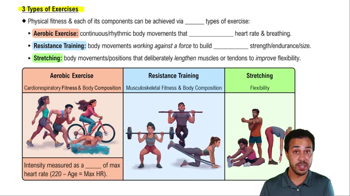
Credit: www.pearson.com
Balance And Stability
Balance and stability are key to moving with control and confidence. They help prevent falls and improve posture. Good balance supports daily activities and sports performance. Training balance also strengthens muscles and sharpens focus.
Core Strength Exercises
The core includes muscles around the stomach and lower back. Strong core muscles keep the body steady. Exercises like planks and bridges build core strength. These moves help maintain balance on uneven surfaces. Try holding a plank for 20 seconds and increase gradually.
Balance Board Training
Balance boards challenge your body to stay steady. Standing on a wobble board improves ankle and leg stability. This training activates small muscles that keep you upright. Start with short sessions to avoid strain. Balance boards are great for all ages.
Tai Chi Movements
Tai Chi is a slow, flowing martial art. Its movements enhance balance and body awareness. Practicing Tai Chi improves coordination and reduces stress. It involves shifting weight smoothly from one foot to the other. This gentle exercise suits beginners and seniors.
Injury Prevention Tips
- Warm up before balance exercises to prepare muscles.
- Wear supportive shoes to protect your feet and ankles.
- Use a chair or wall for support if needed.
- Increase exercise difficulty gradually to avoid falls.
- Focus on posture to maintain proper alignment.
High-intensity Interval Training
High-Intensity Interval Training, or HIIT, is a popular exercise style. It mixes short bursts of intense activity with rest or low activity. This approach boosts your heart rate quickly, then lets it recover. This pattern repeats several times in one workout. HIIT is known for burning calories fast and improving fitness.
Hiit Basics
HIIT workouts involve quick, hard exercises followed by brief rest. A session can last from 10 to 30 minutes. Exercises include sprinting, jumping, or cycling at full effort. Rest periods allow partial recovery before the next burst. This cycle pushes your body to burn fat and build endurance.
Sample Workout Routines
- 20 seconds sprint, 40 seconds walk or rest, repeat 8 times
- 30 seconds jumping jacks, 30 seconds rest, repeat 10 times
- 15 seconds burpees, 45 seconds slow jogging, repeat 6 times
- 40 seconds cycling fast, 20 seconds slow cycling, repeat 5 times
Benefits For Fat Loss
HIIT helps burn more calories in less time. It increases metabolism even after exercise ends. This effect is called excess post-exercise oxygen consumption (EPOC). HIIT targets fat stores and helps preserve muscle. It suits people who want quick, effective fat loss.
Time-saving Strategies
- Choose full-body exercises to work many muscles at once
- Limit rest time to keep heart rate high
- Use a timer or app to track intervals precisely
- Combine strength and cardio moves for balanced results
Low-impact Exercises
Low-impact exercises offer a gentle way to stay active without putting too much strain on your joints. These activities help improve cardiovascular health, build strength, and increase flexibility while minimizing the risk of injury. Whether you’re recovering from an injury or just starting your fitness journey, low-impact exercises can be a smart choice for your routine.
Walking For Fitness
Walking is one of the simplest yet most effective low-impact exercises you can do. It requires no special equipment and can be done almost anywhere. Try mixing up your pace or adding hills to challenge yourself without overloading your joints.
Have you ever noticed how a brisk 30-minute walk can boost your mood and energy? That’s the power of low-impact movement working quietly but effectively.
Water Aerobics
Exercising in water reduces the pressure on your body, making water aerobics perfect for people with arthritis or joint pain. The water’s resistance helps tone muscles while supporting your weight. Plus, it feels fun and refreshing, which can keep you motivated to stick with your workouts.
Think about how buoyancy lifts your body—this support lets you move freely without discomfort. Could this be the missing piece in your exercise routine?
Elliptical Training
Using an elliptical machine gives you a smooth, controlled workout that mimics running but without the harsh impact. It’s excellent for building endurance and strengthening your legs and core. You can easily adjust the resistance and speed to match your fitness level.
Many people find the elliptical easier on their knees compared to jogging. Have you tried it to see if it suits your body’s needs?
Suitable For Beginners
Low-impact exercises are ideal if you’re new to working out or returning after a break. They let you build strength and stamina steadily without overwhelming your body. Starting slow and focusing on consistency can lead to lasting fitness habits.
What small step can you take today to add a low-impact exercise into your schedule? Sometimes, the easiest start is the most powerful.
Combining Exercise Types
Combining different types of exercise helps create a well-rounded fitness routine. Mixing cardio, strength training, and flexibility exercises targets various muscle groups. It also improves overall health and reduces workout boredom. Variety keeps your body challenged and prevents plateaus.
Creating Balanced Workouts
Balanced workouts include exercises for strength, endurance, and flexibility. For example, pair weight lifting with running and stretching. This approach improves muscle tone, heart health, and joint mobility. Balance avoids overworking one muscle group and lowers injury risk.
Weekly Exercise Plans
Plan workouts by alternating exercise types throughout the week. Include 2–3 days of cardio and 2 days of strength training. Add 1–2 days of yoga or stretching for recovery. A weekly plan helps maintain consistency and supports steady progress.
Adapting To Fitness Goals
Adjust exercise combinations based on your goals. For weight loss, increase cardio sessions. For muscle gain, focus more on strength training. For flexibility, add more stretching and yoga. Tailor your routine to match what you want to achieve.
Tracking Progress
Keep a workout journal or use fitness apps to track exercises. Record types, duration, and intensity. Tracking shows improvement and highlights areas needing change. It motivates you to stay committed and reach your goals faster.

Credit: www.womenshealthmag.com
Frequently Asked Questions
What Are The Main Types Of Exercise?
The main types of exercise include aerobic, strength training, flexibility, balance, and endurance exercises. Each targets different fitness goals and body functions.
How Does Aerobic Exercise Benefit Health?
Aerobic exercise improves cardiovascular health, boosts endurance, and helps burn calories. It increases heart and lung efficiency, promoting overall wellness.
Why Is Strength Training Important?
Strength training builds muscle, increases metabolism, and improves bone density. It supports better posture and reduces injury risk in daily activities.
What Exercises Improve Flexibility?
Stretching routines, yoga, and Pilates enhance flexibility. These exercises increase muscle elasticity and joint range of motion, reducing stiffness.
Conclusion
Exercise comes in many forms, each with its own benefits. Choose what feels good and fits your life. Moving your body helps your heart, muscles, and mind stay strong. Try different types to keep exercise fun and fresh. Regular activity boosts energy and mood every day.
Find what you enjoy, and make it a habit. Small steps lead to big health rewards over time. Keep going, and your body will thank you.







