
Are you tired of dealing with the discomfort of acid reflux and GERD every day? What if you could take control of your symptoms with a simple, easy-to-follow plan?
Your diet plays a huge role in managing GERD, and the right foods can make a world of difference. In this 7-Day GERD Diet Plan, you’ll discover meals designed to soothe your stomach, reduce acid, and keep you feeling great.
Ready to feel better and enjoy your meals without worry? Keep reading to find out how this plan can help you take charge of your digestive health starting now.
Gerd Basics
Understanding GERD basics is crucial if you’re planning a 7-day diet to ease its symptoms. GERD, or gastroesophageal reflux disease, affects millions and can disrupt daily life. Knowing what triggers it and how to spot the symptoms helps you take control of your health.
Common Symptoms
GERD symptoms vary, but some are quite recognizable. You might feel a burning sensation in your chest, often called heartburn, especially after meals. Acid reflux can also cause a sour taste in your mouth or a persistent cough.
Other signs include difficulty swallowing and a feeling of food stuck in your throat. If you’ve ever woken up with a hoarse voice or a sore throat, GERD could be the reason. Pay attention to how often these symptoms occur—it helps to track them for your diet plan.
Causes And Triggers
GERD happens when stomach acid flows back into the esophagus, irritating its lining. This can be due to a weak lower esophageal sphincter, which normally acts like a valve. Certain habits and foods can make this problem worse.
- Eating large meals or lying down right after eating
- Consuming spicy, fatty, or acidic foods like tomatoes and citrus
- Drinking caffeinated or carbonated beverages
- Smoking and excessive alcohol intake
- Being overweight or pregnant, which puts extra pressure on your stomach
Have you noticed how some foods seem to cause discomfort while others don’t? Identifying your personal triggers can help you build a diet that works. Would you be willing to keep a food diary to spot these triggers yourself?
Foods To Avoid
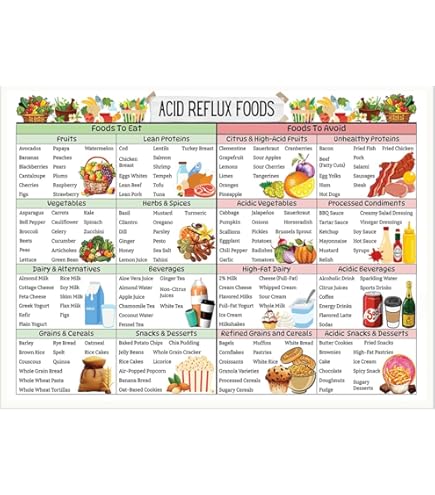
Understanding which foods to avoid is crucial for managing GERD symptoms effectively. Certain items can trigger acid reflux and cause discomfort, making it harder for you to stick to a healthy diet. Identifying and steering clear of these foods can give your digestive system the relief it needs.
Spicy And Acidic Items
Spicy foods like hot peppers and dishes with heavy chili powder often irritate the esophagus. Acidic foods such as citrus fruits, tomatoes, and vinegar can increase stomach acid, leading to heartburn. Have you noticed how a spicy meal sometimes leaves you with that burning sensation? Avoiding these can help keep your symptoms in check.
Fatty And Fried Foods
Greasy items like fried chicken, French fries, and creamy sauces slow down digestion. This delay allows stomach acid to back up into the esophagus more easily. You might feel bloated or uncomfortable after eating these foods, which can worsen GERD. Choosing baked or grilled options instead can make a big difference.
Caffeinated And Carbonated Drinks
Beverages like coffee, tea, and soda often relax the lower esophageal sphincter, allowing acid to escape. Carbonated drinks also increase stomach pressure, pushing acid upwards. If you’ve ever felt a sudden burn after sipping on cola or espresso, cutting back could help your reflux significantly.
Gerd-friendly Foods
Choosing the right foods can make a big difference in managing your GERD symptoms. Not all foods trigger acid reflux, and selecting GERD-friendly options helps keep discomfort at bay. Let’s look at some specific food groups that work well for your digestive health.
Low-acid Fruits And Vegetables
Low-acid fruits and vegetables are gentle on your stomach and less likely to cause reflux. Think bananas, melons, apples, and pears—they’re mild and soothing.
Vegetables like broccoli, green beans, cucumbers, and leafy greens provide essential nutrients without irritating your esophagus. Have you noticed how a simple salad with these veggies leaves you feeling comfortable rather than bloated?
Lean Proteins
Lean proteins are your friends when managing GERD. Chicken breast, turkey, fish, and tofu offer the protein your body needs without the fat that often worsens reflux.
Try grilling or baking these proteins instead of frying. You might find that your symptoms improve simply by changing how you cook.
Whole Grains And Fiber
Whole grains and fiber-rich foods help digestion and keep acid reflux in check. Oatmeal, brown rice, and whole wheat bread are excellent choices that fill you up without adding acid.
Adding fiber also helps reduce stomach acid by promoting regular digestion. Have you tried switching white bread for whole grain? The difference in your reflux symptoms can be surprising.
Credit: www.etsy.com
7-day Meal Plan
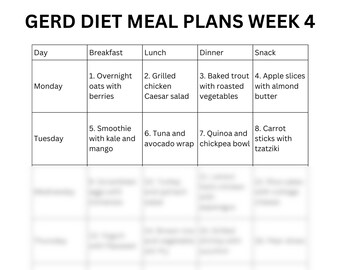
Following a 7-day GERD diet plan can help ease acid reflux symptoms. Balanced meals with gentle ingredients support digestion. Each day focuses on foods that reduce heartburn and avoid triggers.
This meal plan offers simple, tasty recipes to keep you comfortable all week. Eating smaller portions often helps control acid levels in your stomach. Fresh vegetables, lean proteins, and whole grains form the base of these meals.
Day 1 To Day 3 Recipes
- Breakfast:Oatmeal topped with banana slices and a drizzle of honey.
- Lunch:Grilled chicken breast with steamed green beans and brown rice.
- Dinner:Baked salmon with roasted carrots and quinoa.
- Snack:A small bowl of low-fat yogurt with a handful of blueberries.
- Breakfast:Smoothie with almond milk, spinach, and pear.
- Lunch:Turkey sandwich on whole wheat bread with lettuce and cucumber.
- Dinner:Stir-fried tofu with broccoli and carrots served with jasmine rice.
- Snack:Sliced apple with natural peanut butter.
- Breakfast:Whole grain toast with mashed avocado and a boiled egg.
- Lunch:Quinoa salad with chickpeas, cucumber, and olive oil dressing.
- Dinner:Baked cod with steamed zucchini and sweet potatoes.
- Snack:Carrot sticks with hummus.
Day 4 To Day 7 Recipes
- Breakfast:Rice cakes topped with cottage cheese and fresh strawberries.
- Lunch:Lentil soup with diced carrots and celery, served with a side of whole grain bread.
- Dinner:Grilled turkey patties with sautéed spinach and brown rice.
- Snack:Pear slices with low-fat cheese.
- Breakfast:Smoothie bowl with banana, oat milk, and chia seeds.
- Lunch:Chicken and vegetable wrap with whole wheat tortilla and lettuce.
- Dinner:Steamed tilapia with green beans and mashed sweet potatoes.
- Snack:Cucumber slices with a light yogurt dip.
- Breakfast:Warm cereal with almond milk and cooked apples.
- Lunch:Brown rice bowl with grilled vegetables and tofu.
- Dinner:Baked chicken with roasted asparagus and quinoa.
- Snack:A small handful of unsalted almonds.
- Breakfast:Whole wheat pancakes topped with fresh blueberries.
- Lunch:Mixed greens salad with grilled shrimp and olive oil dressing.
- Dinner:Vegetable stir-fry with brown rice and lean beef strips.
- Snack:Sliced melon or cantaloupe.
Lifestyle Changes
Changing your lifestyle can greatly reduce GERD symptoms. Small habits affect how acid moves in your stomach. Adjusting your daily routine helps keep discomfort away. Focus on simple, steady changes for lasting relief.
Eating Habits
Eat smaller meals more often. Large meals increase stomach pressure and acid reflux. Take your time eating. Chew food slowly and thoroughly. Avoid eating right before bed. Give your stomach time to digest. Limit foods that trigger reflux, such as spicy or fatty foods. Drink water between meals, not during. This helps reduce stomach acid buildup.
Sleep And Posture Tips
Raise your head while sleeping. Use a wedge pillow or elevate the bed’s head by 6-8 inches. This helps prevent acid from flowing back up. Avoid lying down after meals. Stay upright for at least two hours after eating. Maintain good posture while sitting and standing. Slouching can put pressure on your stomach and worsen reflux. Gentle exercise, like walking, can improve digestion and reduce symptoms.
Credit: www.amazon.ca
Quick Relief Strategies
Dealing with GERD flare-ups can be overwhelming, especially when you need fast relief. Quick relief strategies help you manage symptoms before they escalate, making daily life much easier. Let’s look at some practical ways to soothe your discomfort and understand when professional help is necessary.
Natural Remedies
Natural remedies can offer soothing relief without relying on medications. Drinking a glass of warm water with a teaspoon of baking soda can neutralize stomach acid quickly. However, don’t overdo it—too much baking soda can cause side effects.
Chewing gum after meals increases saliva, which helps wash acid back down your throat. Aloe vera juice is another gentle option, calming irritation and reducing inflammation.
Have you noticed that certain teas help calm your stomach? Ginger or chamomile tea can be surprisingly effective in reducing nausea and acid reflux symptoms.
When To See A Doctor
Sometimes, quick relief methods aren’t enough. If your heartburn lasts more than two weeks or worsens despite home care, it’s time to consult a doctor. Persistent symptoms might signal more serious issues.
Pay attention if you experience difficulty swallowing, unexplained weight loss, or chest pain—these symptoms require immediate medical attention. Don’t let embarrassment stop you from getting help; your health depends on it.
Remember, knowing when to seek professional advice can prevent complications and improve your quality of life. Are you tracking your symptoms well enough to spot when it’s time to act?

Credit: books.apple.com
Frequently Asked Questions
What Foods Should I Avoid With Gerd?
Avoid acidic, spicy, and fatty foods like citrus fruits, tomatoes, and fried items. Caffeine, alcohol, and carbonated drinks can also trigger GERD symptoms. It’s best to focus on low-acidic and non-spicy meals. Eating smaller, frequent meals rather than large portions can help manage symptoms effectively.
Can I Eat Dairy Products With Gerd?
Yes, but choose low-fat or non-dairy alternatives. Full-fat dairy products can worsen GERD symptoms. Consider lactose-free milk or almond milk as substitutes. It’s important to monitor how your body reacts to certain dairy products and adjust your diet accordingly to maintain comfort.
Are Fruits Safe To Eat On A Gerd Diet?
Some fruits are safe, but avoid citrus fruits. Apples, bananas, and melons are generally well-tolerated and can be part of a GERD-friendly diet. It’s crucial to consume fruits that are low in acidity to prevent triggering heartburn or acid reflux.
Is Bread Beneficial For Gerd Sufferers?
Yes, whole-grain bread is beneficial. It helps absorb stomach acid and provides fiber. Avoid bread with high-fat toppings like butter or cheese. Opt for plain or lightly toasted bread to help alleviate GERD symptoms. Whole grains can also improve overall digestive health.
Conclusion
Following the 7-day GERD diet plan can ease your symptoms. Eating small, gentle meals helps protect your stomach. Avoid spicy and fatty foods to reduce discomfort. Drink plenty of water and chew food slowly. Tracking what you eat can spot problem foods.
Staying consistent with this plan supports healing. Your body needs time to adjust and feel better. Keep patience and listen to your body’s signals. Simple changes bring big relief for GERD sufferers. Try this plan to enjoy meals without pain.







