
Are you tired of feeling overwhelmed by complicated diet plans? Do you want something simple yet effective to help you lose weight?
The 1500 Calorie Diet might just be the answer you’ve been looking for. Imagine a diet that gives you structure without being overly restrictive, allowing you to enjoy your meals while still working towards your weight loss goals. This diet is designed to help you take control of your eating habits, making it easier to achieve the healthier lifestyle you desire.
Curious about how this plan can fit into your daily routine? Keep reading to discover the secrets of the 1500 Calorie Diet and how it can transform your approach to food and health.
Benefits Of A 1500 Calorie Diet
Choosing a 1500 calorie diet can offer several powerful benefits that go beyond just calorie counting. It creates a balanced approach to eating that helps you stay on track without feeling deprived. You’ll find that this calorie level can improve various aspects of your health, from weight management to energy throughout the day.
Supports Healthy Weight Loss
A 1500 calorie diet helps you lose weight steadily without drastic cuts that can harm your body. It encourages you to make thoughtful food choices, focusing on nutrient-rich options that keep you full longer.
Imagine swapping out high-calorie snacks for fresh vegetables or lean proteins. This simple change supports fat loss while preserving muscle, which is crucial for a healthy metabolism. Have you noticed how small, consistent changes in your meals lead to better results than extreme dieting?
Boosts Metabolism
Eating around 1500 calories daily can actually help maintain a healthy metabolism. It provides enough fuel to keep your body functioning efficiently without triggering starvation mode, which slows metabolism.
Including balanced meals with proteins, healthy fats, and fiber-rich carbs can stimulate your metabolic rate. This means your body burns calories more effectively, even at rest. What meals do you find keep you energized and satisfied without overeating?
Improves Energy Levels
One of the biggest surprises people experience on a 1500 calorie diet is more consistent energy throughout the day. When you eat the right amount, your blood sugar levels stay stable, avoiding those energy crashes.
Choosing whole foods over processed ones can amplify this effect. You might notice clearer focus and less afternoon fatigue. How would having steady energy change your daily routine or productivity?
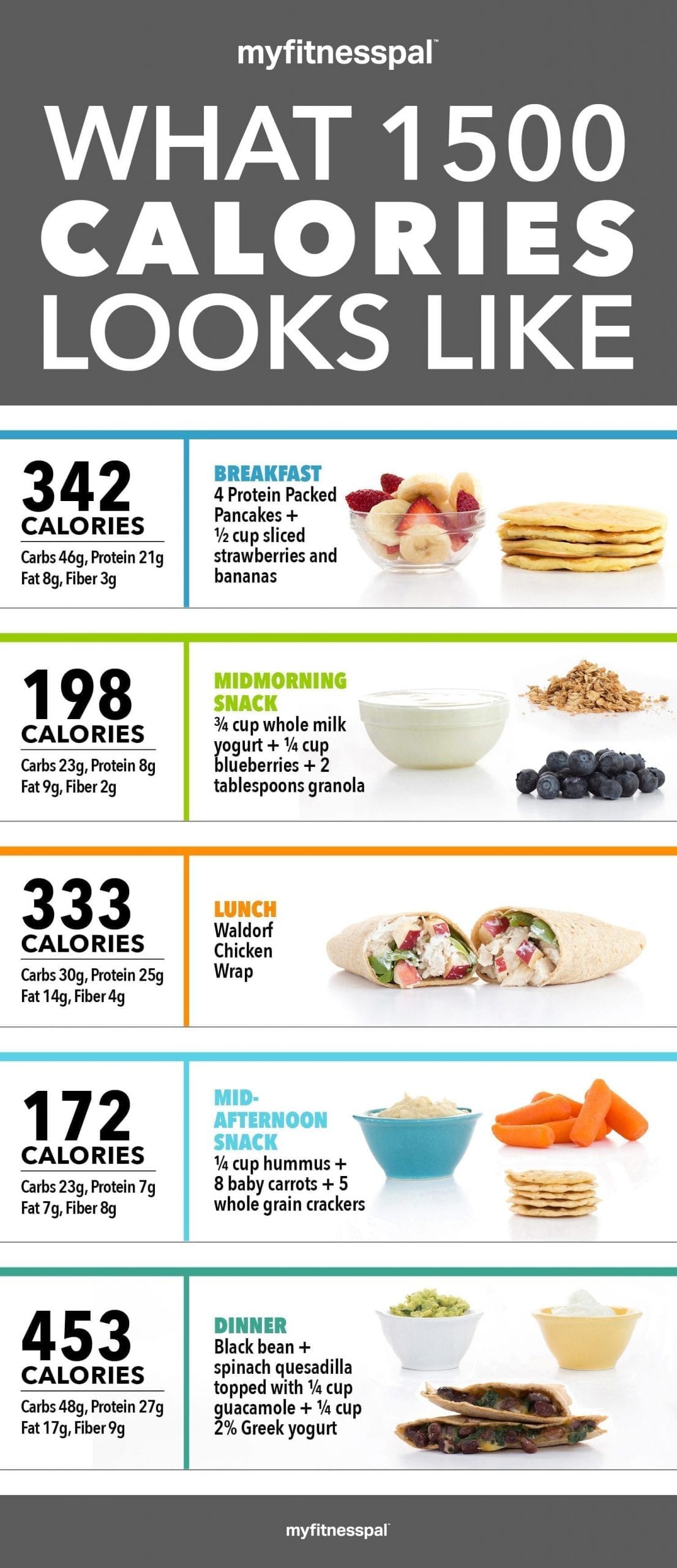
Credit: blog.myfitnesspal.com
Who Should Try A 1500 Calorie Diet
The 1500 calorie diet suits many people aiming to control their weight. It offers a balanced way to reduce calories without feeling too hungry. Not everyone benefits from this diet, though. Understanding who should try it helps avoid health risks and supports better results.
Ideal Candidates
- Adults with a moderate activity level seeking weight loss
- People looking for a simple, structured eating plan
- Those who want to improve eating habits and portion control
- Individuals with a stable health condition and no major diseases
- Women with a sedentary lifestyle who need fewer calories
When To Avoid
- Children and teenagers who need more energy for growth
- Pregnant or breastfeeding women requiring extra nutrition
- People with certain medical conditions like diabetes or eating disorders
- Athletes or very active individuals needing higher calorie intake
- Anyone feeling weak, dizzy, or fatigued on a low-calorie diet
Consulting Healthcare Providers
Always talk to a doctor before starting a 1500 calorie diet. They check if the plan fits your health needs. A dietitian can help create a safe and effective meal plan. Medical advice reduces risks and improves success chances. Personalized guidance is best for lasting results.
Planning Your Meals
Planning your meals on a 1500 calorie diet requires more than just counting calories. It’s about choosing the right foods to keep you full, energized, and satisfied throughout the day. Thoughtful meal planning can help you avoid hunger traps and maintain steady energy, making your diet easier to stick with.
Balancing Macronutrients
Your body needs a good mix of carbohydrates, proteins, and fats to function well. Aim for about 45-55% of your calories from carbs, 20-30% from fats, and 20-30% from protein. This balance supports energy, muscle maintenance, and overall health.
Think about including whole grains, lean meats, and healthy oils. For example, pairing brown rice with grilled chicken and a side of avocado offers a balanced meal. Are you paying attention to the quality of your carbs and fats, not just the quantity?
Incorporating Fiber And Protein
Fiber and protein help you feel full longer, which is important on a calorie-restricted diet. Adding beans, vegetables, and whole grains boosts fiber intake. Including eggs, fish, or tofu provides protein that supports muscle and keeps hunger at bay.
Try starting your day with oatmeal topped with nuts and berries. This meal combines fiber and protein and keeps you satisfied until lunch. How often do you choose meals that keep you full instead of leaving you hungry soon after eating?
Avoiding Empty Calories
Empty calories from sugary drinks, processed snacks, and sweets offer little nutrition and can sabotage your diet. These foods might taste good but often leave you craving more. Focus on nutrient-dense foods that give you vitamins, minerals, and energy.
Replacing soda with sparkling water or fruit-infused water can reduce empty calorie intake significantly. Snack on carrot sticks or a small handful of almonds instead of chips. Could cutting out these empty calories be the key to reaching your goals faster?
Sample Meal Plans
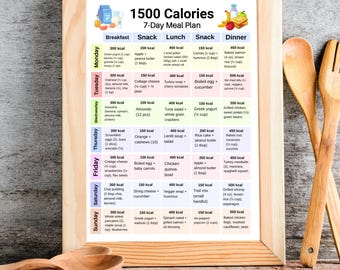
Sample meal plans help organize daily eating for a 1500 calorie diet. They show easy, balanced food ideas. These plans keep meals tasty and varied. They make calorie control simple and stress-free. Use these ideas to build your own menus.
Breakfast Ideas
- Oatmeal with sliced banana and a teaspoon of honey
- Greek yogurt with fresh berries and a sprinkle of granola
- Two boiled eggs with whole wheat toast
- Smoothie with spinach, almond milk, and a small apple
- Peanut butter on whole grain bread with a small orange
Lunch Options
- Grilled chicken salad with mixed greens and vinaigrette
- Turkey sandwich on whole wheat with lettuce and tomato
- Quinoa bowl with black beans, corn, and avocado
- Vegetable soup with a side of whole grain crackers
- Mixed greens with tuna, chickpeas, and lemon dressing
Dinner Recipes
- Baked salmon with steamed broccoli and quinoa
- Stir-fried tofu with mixed vegetables and brown rice
- Grilled lean beef with roasted sweet potatoes and green beans
- Whole wheat pasta with marinara sauce and a side salad
- Chicken stir-fry with bell peppers and snap peas
Healthy Snacks
- Carrot sticks with hummus
- A small handful of almonds
- Apple slices with peanut butter
- Low-fat cheese with whole grain crackers
- Greek yogurt with a drizzle of honey
Tips For Staying On Track
Staying on track with a 1500 calorie diet can be challenging but rewarding. Consistency helps reach your goals faster. Simple habits make a big difference in daily success. Planning and awareness keep you focused and motivated.
Meal Prep Strategies
Preparing meals ahead saves time and reduces temptation. Cook large batches of healthy foods to portion for the week. Use containers to separate meals and snacks. Include a balance of protein, carbs, and vegetables. Keep easy snacks like fruits and nuts ready. This helps avoid fast food or extra calories.
Dealing With Cravings
Cravings are normal on a calorie-restricted diet. Drink water first; thirst can feel like hunger. Choose low-calorie snacks like veggies or air-popped popcorn. Distract yourself with activities like walking or reading. Allow small treats occasionally to prevent overindulging later. Understanding triggers helps manage cravings better.
Tracking Progress
Track what you eat using a journal or app. Record meals, snacks, and drinks daily. Note feelings and energy levels to spot patterns. Weigh yourself weekly at the same time. Take body measurements to see physical changes. Tracking builds awareness and keeps motivation high.

Credit: www.amazon.com
Common Mistakes To Avoid
Following a 1500 calorie diet can be effective for weight management. Avoiding common mistakes helps you stay on track. These errors can slow progress or harm your health. Understanding these pitfalls keeps your plan safe and effective.
Skipping Meals
Skipping meals often leads to overeating later. It lowers your energy and slows metabolism. Regular meals keep blood sugar steady and reduce hunger. Eating on time supports your body’s calorie needs.
Ignoring Nutrient Quality
Counting calories alone is not enough. Nutrients like protein, fiber, vitamins, and minerals matter. Choose whole foods over processed snacks. Nutrient-rich foods keep you full and healthy. They support muscle and brain function during dieting.
Overestimating Calorie Burn
Exercise helps but don’t rely on burning many calories. Fitness trackers often overestimate calorie burn. Overeating after exercise can cancel calorie deficits. Focus on consistent diet control, not just workouts. Balanced effort leads to better results.
Exercise And The 1500 Calorie Diet
Exercise plays a crucial role when you’re following a 1500 calorie diet. It helps you burn extra calories, maintain muscle, and boost your metabolism. But balancing your workout routine with a calorie limit requires some thought to avoid feeling drained or stalling your progress.
Best Workouts For Weight Loss
Choosing the right workouts can make your 1500 calorie diet more effective. High-intensity interval training (HIIT) is a great option because it burns a lot of calories in a short time and keeps your metabolism active after your workout.
Strength training is equally important. It helps preserve muscle mass, which is essential when you’re eating fewer calories. Muscle burns more calories at rest, so lifting weights or using resistance bands can improve your fat loss results.
Don’t forget about steady-state cardio like brisk walking, cycling, or swimming. These activities are easier to sustain daily and can help you stay active without overwhelming your body.
Balancing Calories And Activity
With a 1500 calorie diet, you need to carefully balance how many calories you consume and burn. Eating too little while doing intense workouts can leave you tired and slow down your progress.
Track your food intake and exercise to see how your body responds. If you notice low energy or stalled weight loss, try adjusting your calories or switching to less demanding workouts. Your body needs fuel to perform and recover.
Ask yourself: Are you fueling your workouts well enough? Sometimes adding a small snack before exercise can improve performance without blowing your calorie budget.
Recovery And Rest
Rest days are just as important as workout days. Your muscles need time to repair and grow stronger, especially on a calorie-restricted diet. Skipping recovery can increase the risk of injury and burnout.
Sleep plays a major role in recovery. Aim for 7-9 hours per night to help your body restore energy and regulate hunger hormones. Poor sleep can make sticking to your 1500 calorie plan harder.
Consider gentle activities like yoga or stretching on rest days. These can improve circulation and flexibility without taxing your calorie reserves.
Adjusting The Diet For Your Needs
Adjusting a 1500 calorie diet to fit your unique lifestyle is crucial for both success and sustainability. No two bodies or routines are the same, so tweaking your diet can help you stay energized, motivated, and on track. Let’s look at how you can make this diet work better for you.
Modifying For Activity Level
Your daily activity greatly impacts how many calories you actually need. If you’re very active—running, cycling, or working out regularly—1500 calories might leave you feeling drained or hungry.
Try adding nutrient-dense snacks like nuts, yogurt, or a piece of fruit to keep your energy steady. On days when you’re less active, stick closer to the 1500 calories to avoid overeating.
Ask yourself: Are you fueling your workouts properly? Adjusting your intake around your activity can help you perform better and recover faster.
Adapting For Age And Gender
Age and gender influence metabolism and calorie needs. Younger people tend to burn calories faster, while metabolism can slow down with age.
Women often require fewer calories than men due to differences in muscle mass and hormonal balance. This means a 1500 calorie diet might be perfect for some women but too low for many men.
Consider tracking how you feel—if you’re constantly tired or losing strength, you might need to adjust your calories upward. Have you noticed changes in your energy as you’ve gotten older or with lifestyle shifts?
Handling Plateaus
Hitting a plateau can be frustrating when your weight stops changing despite sticking to 1500 calories. Your body adapts over time, making weight loss slower.
One way to break through is by switching up your meals or exercise routine. Try increasing your protein intake or adding short bursts of high-intensity exercise.
Another tip is to reassess portion sizes and food quality—sometimes small adjustments make a big difference. How will you challenge your body to keep progressing?
Credit: www.etsy.com
Frequently Asked Questions
What Is A 1500 Calorie Diet Plan?
A 1500 calorie diet plan limits daily intake to 1500 calories. It supports weight loss and maintenance when followed properly. Balanced meals include proteins, carbs, and fats. Portion control and nutrient-rich foods are essential for success.
Who Should Follow A 1500 Calorie Diet?
Individuals aiming for moderate weight loss or weight maintenance may follow it. It’s suitable for most adults but not recommended for pregnant women or those with certain medical conditions. Consulting a healthcare provider before starting is important.
How To Structure Meals On A 1500 Calorie Diet?
Divide calories into three main meals and two snacks. Include lean protein, whole grains, fruits, and vegetables. Limit processed foods and added sugars. Proper meal timing and hydration enhance energy and metabolism throughout the day.
Can I Exercise On A 1500 Calorie Diet?
Yes, moderate exercise complements a 1500 calorie diet well. It boosts metabolism and promotes fat loss. Adjust calorie intake if workouts are intense or frequent to maintain energy levels and avoid nutrient deficiencies.
Conclusion
A 1500 calorie diet can help you manage your weight well. It offers enough energy for daily tasks without overeating. Choose balanced meals with proteins, veggies, and healthy fats. Drink plenty of water and avoid sugary snacks. Stay consistent and listen to your body’s needs.
Small changes lead to lasting results. Keep track of your progress and stay motivated. This diet suits many people but ask a doctor if unsure. Healthy eating is a step toward a better life. Simple habits make a big difference.







