
Discovering that you’re expecting is an exciting moment, filled with anticipation and joy. As you begin this new chapter, one of the most important considerations is your diet during the early stages of pregnancy.
Ensuring that you and your baby receive the right nutrients sets a strong foundation for a healthy start. But figuring out what to eat can be overwhelming with all the advice out there. That’s where our “1 to 3 Month Pregnancy Diet Chart” comes in.
Tailored specifically for you, this guide will simplify your meal planning, making sure you and your growing baby get the essential nutrients you need. Curious about what foods to prioritize and which to avoid? Keep reading to uncover tips that can make a world of difference in your pregnancy journey.

Credit: tap.health
First Trimester Nutrition Needs
The first trimester is a critical period for your baby’s development. During these early weeks, your body needs the right nutrients to support growth and keep you feeling your best. Paying close attention to your diet now can set a strong foundation for the months ahead.
Key Nutrients For Early Pregnancy
Your body requires specific nutrients to support your baby’s development and maintain your health. Focus on getting enough folic acidto help prevent neural tube defects. Aim for foods like leafy greens, fortified cereals, and beans.
Iron is also crucial as it helps carry oxygen to your baby and can prevent anemia. Include lean meats, spinach, and lentils in your meals. Don’t forget calcium and vitamin D for bone health—yogurt, cheese, and fortified plant-based milk are great choices.
Protein supports your growing baby’s tissues. Try adding eggs, nuts, and fish to your diet. Are you surprised how small changes in food choices can make a big difference in your pregnancy journey?
Calorie Requirements
In the first trimester, your calorie needs don’t increase drastically. You generally need about 150 extra calories per day, roughly the size of a small snack like a banana with peanut butter. This slight bump supports your baby’s early growth without overwhelming your digestive system.
Focus on quality over quantity—choose nutrient-dense foods instead of empty calories. This approach helps you avoid unnecessary weight gain while providing essential nourishment.
Hydration Tips
Staying hydrated is vital, especially since pregnancy increases your blood volume. Aim to drink at least 8 to 10 glasses of water daily. Carry a water bottle with you to make sipping throughout the day easier.
If plain water feels boring, try adding slices of cucumber, lemon, or fresh mint for a refreshing twist. How do you keep yourself motivated to drink enough water each day?
Essential Foods To Include
Choosing the right foods during your first trimester can shape your pregnancy journey in powerful ways. The right diet supports your baby’s growth and keeps you energized through the many changes ahead. Let’s look at some essential foods you should add to your meals to give you and your baby the best start.
Fruits And Vegetables
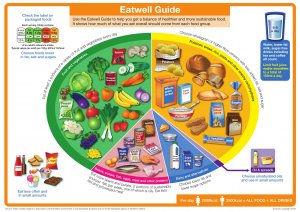
Fresh fruits and vegetables are packed with vitamins, minerals, and fiber that help digestion and boost your immune system. Try adding colorful options like oranges, strawberries, spinach, and carrots to your plate. These choices provide vitamin C, folate, and antioxidants that support your baby’s development and protect you from common pregnancy illnesses.
Do you find it hard to eat enough veggies? Smoothies and soups are easy ways to sneak them in without much effort.
Whole Grains
Whole grains such as brown rice, oats, and whole wheat bread give you steady energy and important nutrients like iron and B vitamins. These nutrients help prevent fatigue and support your baby’s nervous system growth. Swapping white bread for whole grain can make a big difference in how you feel throughout the day.
Think about how often you reach for quick snacks. Could a handful of nuts and whole grain crackers keep you energized longer?
Lean Proteins
Proteins are the building blocks for your baby’s tissues and organs. Include lean options like chicken, turkey, beans, lentils, and tofu in your meals. They provide essential amino acids without adding too much fat, helping you maintain a healthy weight.
Have you tried pairing beans with rice? It’s a simple, affordable way to get a complete protein punch.
Dairy And Alternatives
Calcium is crucial during early pregnancy for your baby’s bone and teeth formation. Milk, yogurt, and cheese are excellent sources, but if you’re lactose intolerant, fortified plant-based milks like almond or soy can work well too. Make sure to check labels for added calcium and vitamin D to support absorption.
Are you aware of how much calcium you need daily? Tracking your intake can reveal surprising gaps you can fix easily.
Foods To Avoid
During the first three months of pregnancy, avoiding certain foods is vital. The baby’s development is very sensitive at this stage. Some foods can harm the baby or cause complications. Knowing what to avoid helps protect both mother and child. It supports a healthy pregnancy journey.
Harmful Substances And Additives
Certain substances and additives can be dangerous during early pregnancy. Avoid foods with high levels of preservatives, artificial sweeteners, and colors. These can affect the baby’s growth. Stay away from processed snacks and fast food. They often contain harmful chemicals and unhealthy fats.
High-risk Foods
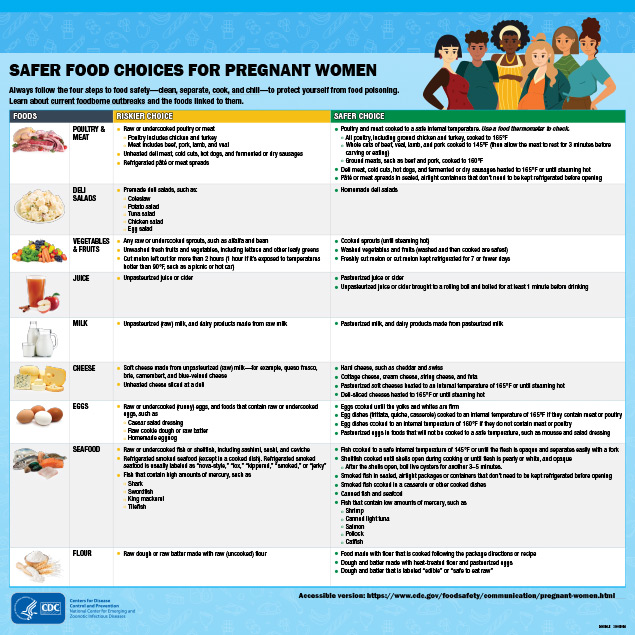
Some foods carry a higher risk of infection or toxins. Avoid raw or undercooked meat and seafood. Raw eggs and unpasteurized dairy products can cause food poisoning. Avoid soft cheeses like Brie and Camembert unless they are pasteurized. Also, skip deli meats unless heated thoroughly. These foods can carry bacteria harmful to pregnancy.
Caffeine And Alcohol Limits
Limit caffeine intake to 200 mg per day, about one cup of coffee. High caffeine amounts can increase miscarriage risk. Alcohol is best avoided completely during the first trimester. Even small amounts can affect the baby’s development. Choose water, milk, or fresh juices instead.
Credit: healthforunder5s.co.uk
Sample 1 To 3 Month Diet Chart
Eating well during the first three months of pregnancy supports your baby’s early growth. A balanced diet provides essential nutrients and energy. A sample diet chart helps plan meals and snacks easily. It ensures you get vitamins, minerals, and proteins needed for a healthy pregnancy start.
Daily Meal Plan
| Meal | Foods to Include |
|---|---|
| Breakfast | Oatmeal with milk and sliced banana, boiled eggs, whole grain toast |
| Mid-Morning | Fresh fruit like apple or orange, handful of almonds |
| Lunch | Grilled chicken or lentils, brown rice or quinoa, steamed vegetables |
| Afternoon | Yogurt with honey, carrot sticks |
| Dinner | Baked fish or tofu, mashed potatoes, green salad with olive oil |
| Evening | Warm milk or herbal tea, whole grain crackers |
Snack Ideas
- Mixed nuts and seeds
- Fresh fruit slices with peanut butter
- Vegetable sticks with hummus
- Low-fat cheese with whole grain bread
- Boiled chickpeas with a pinch of salt
Hydration Schedule
- Start the day with a glass of warm water
- Drink water regularly throughout the day
- Include herbal teas like ginger or chamomile
- Limit caffeinated drinks to one cup per day
- Drink a glass of water before each meal
- Keep a water bottle nearby for easy access
Tips For Managing Morning Sickness
Morning sickness is common in early pregnancy. It can cause nausea and vomiting. Managing it helps keep you and your baby healthy. Simple diet changes ease discomfort and boost energy. Focus on gentle foods and regular eating habits to reduce nausea.
Food Choices To Ease Nausea
- Eat bland foods like crackers, toast, and rice.
- Choose fresh fruits like bananas and apples.
- Avoid spicy, greasy, and strong-smelling foods.
- Include ginger tea or ginger candies to calm the stomach.
- Try small portions of protein such as boiled eggs or yogurt.
Small Frequent Meals
Eat smaller meals often throughout the day. This keeps your stomach from feeling empty. Empty stomachs can worsen nausea. Aim for five to six light meals instead of three large ones. Snacks like nuts or fruit are good between meals.
Hydration Strategies
- Drink water slowly throughout the day.
- Try sipping cold drinks like lemonade or herbal teas.
- Avoid caffeine and sugary sodas that may upset the stomach.
- Eat water-rich foods like cucumber and watermelon.
- Keep a water bottle nearby to remind yourself to drink.
Credit: www.cdc.gov
Supplements And Vitamins
Supplements and vitamins play a crucial role during the first trimester of pregnancy. They support the baby’s growth and help meet the increased nutritional needs of the mother. Proper intake of these nutrients reduces the risk of birth defects and promotes a healthy pregnancy.
Prenatal Vitamins
Prenatal vitamins contain essential nutrients for both mother and baby. They usually include iron, calcium, and DHA. Taking these vitamins daily helps fill nutritional gaps. This ensures the baby develops strong bones and organs. It also supports the mother’s energy and blood supply.
Folic Acid Importance
Folic acid is vital in early pregnancy. It helps prevent neural tube defects in the baby’s brain and spine. Doctors recommend taking 400 to 800 micrograms daily. Natural sources include leafy greens, beans, and fortified cereals. Supplements are often needed to reach the right amount.
Consulting Healthcare Providers
Every pregnancy is unique. A healthcare provider can suggest the best supplements based on individual needs. They monitor vitamin levels and adjust doses if necessary. Always discuss any new supplement before starting it. This ensures safety for both mother and baby.
Frequently Asked Questions
What Foods Are Best In The 1 To 3 Month Pregnancy Diet Chart?
Focus on fresh fruits, vegetables, whole grains, lean proteins, and dairy. These foods provide essential nutrients like folic acid, iron, and calcium for early fetal development and maternal health.
How Much Water Should Pregnant Women Drink Daily?
Pregnant women should drink at least 8 to 10 glasses of water daily. Staying hydrated supports digestion, nutrient absorption, and helps prevent common pregnancy issues like constipation.
Can I Eat Eggs And Dairy In The First Trimester?
Yes, eggs and dairy are safe and beneficial in early pregnancy. They provide protein, calcium, and vitamin D, which support your baby’s growth and your bone health.
Are There Foods To Avoid In The First Trimester?
Avoid raw fish, unpasteurized dairy, and high-mercury seafood. These can harm fetal development or increase infection risk during early pregnancy.
Conclusion
A healthy diet in early pregnancy helps your baby grow strong. Eat balanced meals with fruits, vegetables, proteins, and whole grains. Drink plenty of water every day to stay hydrated. Avoid junk food and too much sugar for better health.
Small, frequent meals can ease morning sickness and keep energy up. Follow the diet chart to support your body’s needs. This simple plan helps you and your baby stay healthy. Stay mindful of your food choices during these first important months.
Your care today builds a healthy tomorrow.







