
Are you ready to unlock your body’s potential and feel more limber than ever before? Yoga is your ticket to improved flexibility, and it’s more accessible than you might think.
Whether you’re someone who can barely touch your toes or just looking to add some grace to your movements, there are yoga poses designed specifically for beginners like you. You’ll discover simple yet effective yoga poses that can gently stretch and strengthen your muscles.
Imagine bending down without stiffness or feeling more relaxed and at ease in your daily life. By the end of this read, you’ll not only have a clear path to enhanced flexibility but also a boost in confidence as you embrace the magic of yoga. So, are you ready to transform your body and mind? Let’s dive in!

Credit: www.youtube.com
Benefits Of Yoga For Flexibility
Yoga is a powerful tool to enhance your flexibility, especially if you’re just starting out. It gently stretches your muscles and joints, helping you move more freely and with less effort. You might find that poses you once thought were impossible become easier with regular practice.
Many beginners notice improvements not just physically, but mentally too. Flexibility in your body often leads to a more relaxed mind. Have you ever felt tightness in your shoulders after a long day? Yoga can release that tension and help you feel lighter.
Improves Muscle Elasticity And Joint Mobility
Yoga poses stretch your muscles in ways that increase their length and elasticity. This reduces stiffness and lowers your risk of injury. Over time, your joints gain better range of motion, making everyday movements smoother.
Boosts Blood Circulation And Reduces Muscle Soreness
Holding yoga poses encourages blood flow to tight areas, delivering oxygen and nutrients your muscles need to heal. This can ease muscle soreness after exercise or long periods of inactivity. You might notice less discomfort after sitting at a desk all day.
Enhances Posture And Body Awareness
Yoga teaches you to tune into your body’s alignment and balance. As your flexibility improves, so does your posture, reducing strain on your spine and muscles. Have you ever caught yourself slouching? Yoga helps you correct that instinctively.
Supports Stress Relief And Mental Calmness
Stretching tight muscles can release emotional and physical tension held in your body. This promotes a sense of calm and well-being. The focus required during poses also quiets your mind, helping reduce stress.
Encourages Consistent Movement And Healthy Habits
Regular yoga practice motivates you to keep moving and take care of your body. As your flexibility grows, you might find it easier to stay active in other areas of life. What small change could you make today to move more comfortably?

Credit: beyogi.com
Preparing For Your Yoga Practice
Preparing for your yoga practice sets the tone for a safe and effective session. It helps your body and mind get ready for stretching and movement. Taking time to prepare reduces the risk of injury and improves your flexibility results.
Choosing The Right Space
Select a quiet place with enough room to move freely. Make sure the floor is flat and clean. Natural light helps create a calm atmosphere. Avoid spaces with too much noise or distractions. A comfortable environment makes your practice more enjoyable and focused.
Essential Props And Clothing
- Wear loose, stretchy clothes that allow easy movement.
- Use a yoga mat for cushioning and grip.
- Keep a yoga block or cushion nearby for support.
- Have a water bottle to stay hydrated.
Comfortable clothing and props support your body during poses. They help you hold positions longer and with less strain.
Warm-up Tips
Start with gentle movements to wake up your muscles. Try neck rolls, shoulder shrugs, and wrist circles. Move slowly to increase blood flow. Spend 5 to 10 minutes warming up before deeper stretches. This helps prevent stiffness and injury.
Beginner-friendly Yoga Poses
Starting yoga for flexibility can feel simple and rewarding. Beginner-friendly poses help stretch muscles gently and improve movement. These poses prepare your body for deeper stretches later.
Focus on slow breathing and steady movements. Each pose targets key areas like the back, hips, and legs. Practicing regularly builds flexibility and reduces stiffness.
Cat-cow Stretch
Start on hands and knees. Arch your back up like a cat, then dip it down like a cow. Move slowly and breathe deeply. This pose warms the spine and improves flexibility.
Downward Dog
From hands and feet, lift hips toward the ceiling. Keep your legs straight and heels close to the floor. This pose stretches the hamstrings, calves, and back muscles.
Child’s Pose
Kneel on the floor and sit back on your heels. Stretch your arms forward and rest your forehead on the floor. This pose relaxes the body and gently stretches the hips and lower back.
Seated Forward Fold
Sit with legs straight out. Reach your hands toward your feet, bending at the hips. Keep your back long and chest open. This pose stretches the hamstrings and spine.
Butterfly Pose
Sit with soles of your feet together. Hold your feet and gently press your knees toward the floor. This pose opens the hips and stretches the inner thighs.
Cobra Pose
Lie on your stomach with hands under your shoulders. Slowly lift your chest, keeping elbows close to your body. This pose strengthens the spine and stretches the chest.
Bridge Pose
Lie on your back with knees bent and feet flat. Lift your hips toward the ceiling, keeping your shoulders on the floor. This pose strengthens the back and opens the chest.
Combining Poses Into A Routine
Combining yoga poses into a routine helps build flexibility more effectively than practicing isolated stretches. It creates a flow that warms up your body gradually and targets multiple muscle groups in a balanced way. You’ll find your body responds better when movements connect smoothly, making your practice both enjoyable and productive.
Sequence For Morning Flexibility
Starting your day with a gentle yoga sequence can loosen up tight muscles and boost your energy. Begin with simple poses like Cat-Cow to wake up your spine, followed by Downward Dog to stretch your hamstrings and calves.
Add in Warrior II to open your hips and improve balance. Finish with a seated forward bend to calm your mind and deepen your hamstring stretch.
- Cat-Cow Pose (Marjaryasana-Bitilasana) – 5 breaths
- Downward Dog (Adho Mukha Svanasana) – 5 breaths
- Warrior II (Virabhadrasana II) – 5 breaths each side
- Seated Forward Bend (Paschimottanasana) – 5-10 breaths
Try this routine and notice how your body feels more open and ready for the day. How does your morning flexibility affect your mood and productivity?
Evening Stretch Flow
Evening yoga should focus on releasing tension and preparing your body for rest. Start with Child’s Pose to relax your back and hips, then move into a gentle Spinal Twist to ease your lower back.
Incorporate Bridge Pose to open your chest and stretch your hip flexors. End with Legs-Up-The-Wall pose to promote circulation and calm your nervous system.
- Child’s Pose (Balasana) – 1-2 minutes
- Spinal Twist (Supta Matsyendrasana) – 5 breaths each side
- Bridge Pose (Setu Bandhasana) – 5-10 breaths
- Legs-Up-The-Wall (Viparita Karani) – 5 minutes
Do you notice how your body and mind unwind after this flow? Make it a habit and see how your flexibility and sleep quality improve.
Common Mistakes To Avoid
Starting yoga to improve flexibility is exciting. Avoiding common mistakes helps progress safely and effectively. These errors can cause discomfort or slow your growth. Focus on proper habits to enjoy yoga fully and safely.
Overstretching
Pushing your body too far causes injury. Flexibility grows slowly. Stretch gently and listen to your body’s signals. Stop if you feel pain or sharp discomfort. Consistent, mild stretches work better than extreme moves.
Ignoring Breath
Breath controls your movements and relaxation. Holding breath creates tension and reduces stretch benefits. Breathe deeply and evenly during each pose. Let breath guide your pace and help ease muscles.
Skipping Warm-ups
Starting cold can strain muscles and joints. Warm-ups prepare your body for deeper stretches. Simple movements like light jogging or joint rotations increase blood flow. Warm muscles stretch more easily and safely.
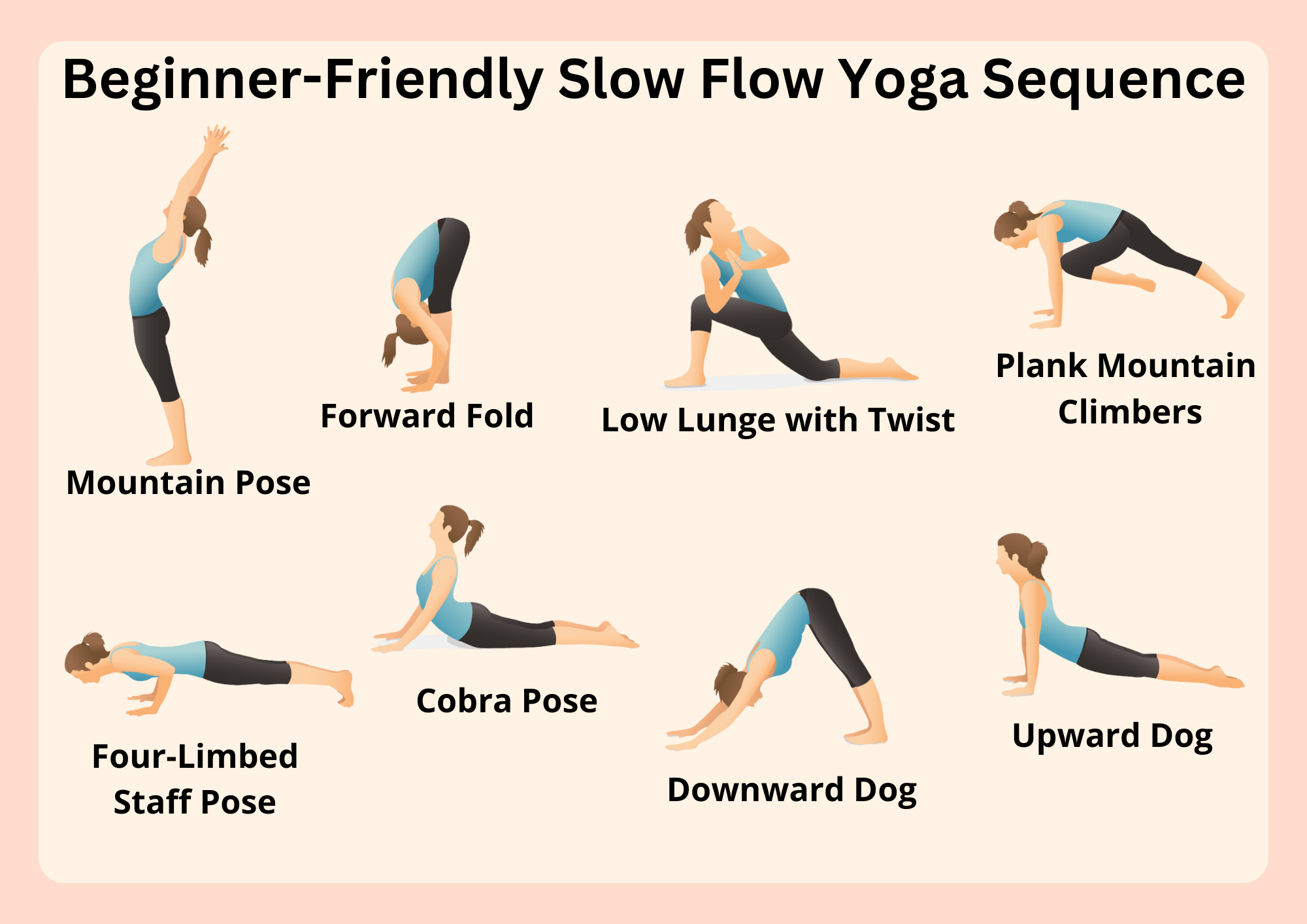
Credit: myyogateacher.com
Tips To Enhance Flexibility Progress
Improving flexibility takes time and care. Small steps build lasting progress. Using the right tips can make stretching safer and more effective. Focus on simple habits that support your body’s growth and comfort.
Consistency And Patience
Practice yoga regularly to see steady flexibility gains. Stretch a little each day or several times a week. Avoid long breaks, as they slow progress. Stay patient; flexibility improves slowly. Celebrate small improvements to stay motivated.
Incorporating Breathwork
Use deep, steady breathing during each pose. Breath helps muscles relax and stretch further. Focus on slow inhales and exhales to calm your mind. Breathwork can reduce tension and increase your range of motion. It connects your body and mind for better control.
Listening To Your Body
Pay close attention to how your body feels. Stretch only to a comfortable limit, not pain. Stop if you feel sharp or sudden discomfort. Adjust poses to suit your current ability. Respect your body’s signals to avoid injury and promote healing.
Frequently Asked Questions
What Are The Best Yoga Poses For Beginners’ Flexibility?
Begin with poses like Downward Dog, Cat-Cow, Cobra, and Child’s Pose. These improve flexibility gently and safely. They stretch major muscle groups and enhance joint mobility. Practicing regularly helps beginners increase flexibility effectively.
How Often Should Beginners Practice Yoga For Flexibility?
Beginners should practice yoga at least 3 times a week. Consistency is key for improving flexibility. Each session should last 20 to 30 minutes. Regular practice helps muscles stretch and prevents stiffness over time.
Can Yoga Improve Flexibility Quickly For Beginners?
Yoga improves flexibility gradually with consistent practice. Beginners may notice slight improvements in 2 to 4 weeks. Patience and proper technique are essential. Avoid pushing too hard to prevent injury while gaining flexibility safely.
What Precautions Should Beginners Take During Yoga For Flexibility?
Start slow and avoid overstretching to prevent injuries. Use props like blocks for support. Warm up before stretching and listen to your body’s limits. Consult a professional if you have health issues or concerns.
Conclusion
Practicing these yoga poses helps your body become more flexible. Start slow and stay consistent to see steady progress. Feel your muscles stretch and your mind relax. Flexibility grows with patience and regular practice. Enjoy the calm and strength each session brings.
Keep moving gently, listen to your body’s needs. Small steps lead to big improvements over time. Yoga for beginners builds a strong foundation. Stay motivated, and your flexibility will improve day by day.







