
Unlock the secret to a healthier, more flexible you with yoga ball workouts designed especially for beginners. Imagine transforming your living room into a personal fitness sanctuary with just a simple, affordable tool.
You’ve probably seen those colorful, bouncy balls at the gym or in yoga studios, but did you know they can be your new best friend in fitness? This isn’t about complex moves or intimidating routines. It’s about easy, effective exercises that fit into your lifestyle.
Whether you’re looking to tone muscles, improve balance, or just add a fun twist to your workout, a yoga ball can do it all. Dive into the world of yoga ball workouts and discover how this versatile piece of equipment can change your fitness game. Your journey to a more vibrant, energetic you starts here. Keep reading to find out how you can make the most of yoga ball workouts and reap benefits beyond your expectations.
Benefits Of Yoga Ball Workouts
Yoga ball workouts offer many benefits for beginners. These exercises help improve your body in simple, effective ways. Using a yoga ball adds an element of fun and challenge to your routine. It works your muscles deeply and supports gentle movement. The following sections explain key benefits that make yoga ball workouts worth trying.
Improving Balance And Stability
Yoga balls create an unstable surface. This forces your body to engage small muscles. These muscles help you stay steady and upright. Regular practice enhances your balance over time. Better balance reduces the risk of falls and injuries. It also improves posture and coordination. This benefit is useful for daily activities and sports.
Enhancing Core Strength
The core includes muscles around your stomach and back. Yoga ball exercises activate these muscles strongly. You must keep your core tight to stay balanced on the ball. This builds strength and endurance in your core muscles. A strong core supports your spine and reduces back pain. It also improves overall body control and movement.
Low-impact Exercise Advantages
Yoga ball workouts are gentle on joints. The ball absorbs shocks and cushions your movements. This makes exercises safe for people with joint problems. You can work out without harsh impacts on knees or hips. Low-impact exercise helps improve flexibility and muscle tone. It fits well for beginners or those recovering from injury.
Choosing The Right Yoga Ball
Choosing the right yoga ball is essential to get the most out of your workouts and avoid injury. The perfect ball supports your body correctly and feels comfortable under you. Before you buy, consider a few key factors that will help you find the best fit for your needs.
Size And Weight Guidelines
Your height largely determines the size of yoga ball you should pick. A ball that’s too small or too big can throw off your balance and reduce exercise effectiveness.
- If you are under 5’0″ (152 cm), a 45 cm ball works well.
- Between 5’0″ and 5’5″ (152-165 cm), go for a 55 cm ball.
- Between 5’6″ and 6’0″ (167-183 cm), a 65 cm ball fits best.
- Above 6’0″ (183 cm), try a 75 cm ball.
Also, check the weight limit on the ball. Make sure it can support your weight plus extra for movement. A sturdy ball gives you confidence to try new poses safely.
Material And Durability
Yoga balls come in various materials like PVC, rubber, or eco-friendly blends. Look for thick, burst-resistant material that won’t easily puncture or deflate.
I once bought a cheap ball that popped during a simple stretch. That experience taught me to prioritize quality over price. Spending a bit more on a durable ball ensures it lasts through many workouts.
Non-toxic and latex-free options are better if you have sensitive skin or allergies. Also, textured surfaces provide extra grip, helping you stay steady during exercises.
Inflation Tips
Proper inflation is key for comfort and safety. Inflate your yoga ball until it feels firm but still has some give when you press it.
- Over-inflated balls can feel hard and reduce stability.
- Under-inflated balls might not support your weight properly and can cause you to sink too deep.
Use a pump with a pressure gauge to get it just right. Check inflation regularly, especially if you use your ball often. How often have you skipped this step and felt your ball getting softer mid-workout?
Basic Yoga Ball Exercises
Basic yoga ball exercises help build strength, balance, and flexibility. These workouts are gentle and suit beginners well. Using a yoga ball improves core stability and posture. It also makes exercise fun and dynamic.
Start with simple moves to feel comfortable with the ball. Focus on controlled breathing and smooth motions. This approach helps prevent injury and builds confidence.
Seated Ball March
Sit on the yoga ball with your feet flat on the floor. Keep your back straight and your core tight. Lift one foot off the ground slowly, like marching in place. Hold for a moment, then lower it back down. Repeat with the other foot. This exercise improves balance and strengthens your core muscles.
Wall Squats With Ball
Place the yoga ball between your lower back and a wall. Stand with feet shoulder-width apart. Slowly bend your knees and lower your body into a squat. The ball rolls with you, supporting your back. Hold the squat for a few seconds, then return to standing. This move strengthens your legs and improves stability.
Ball Bridges
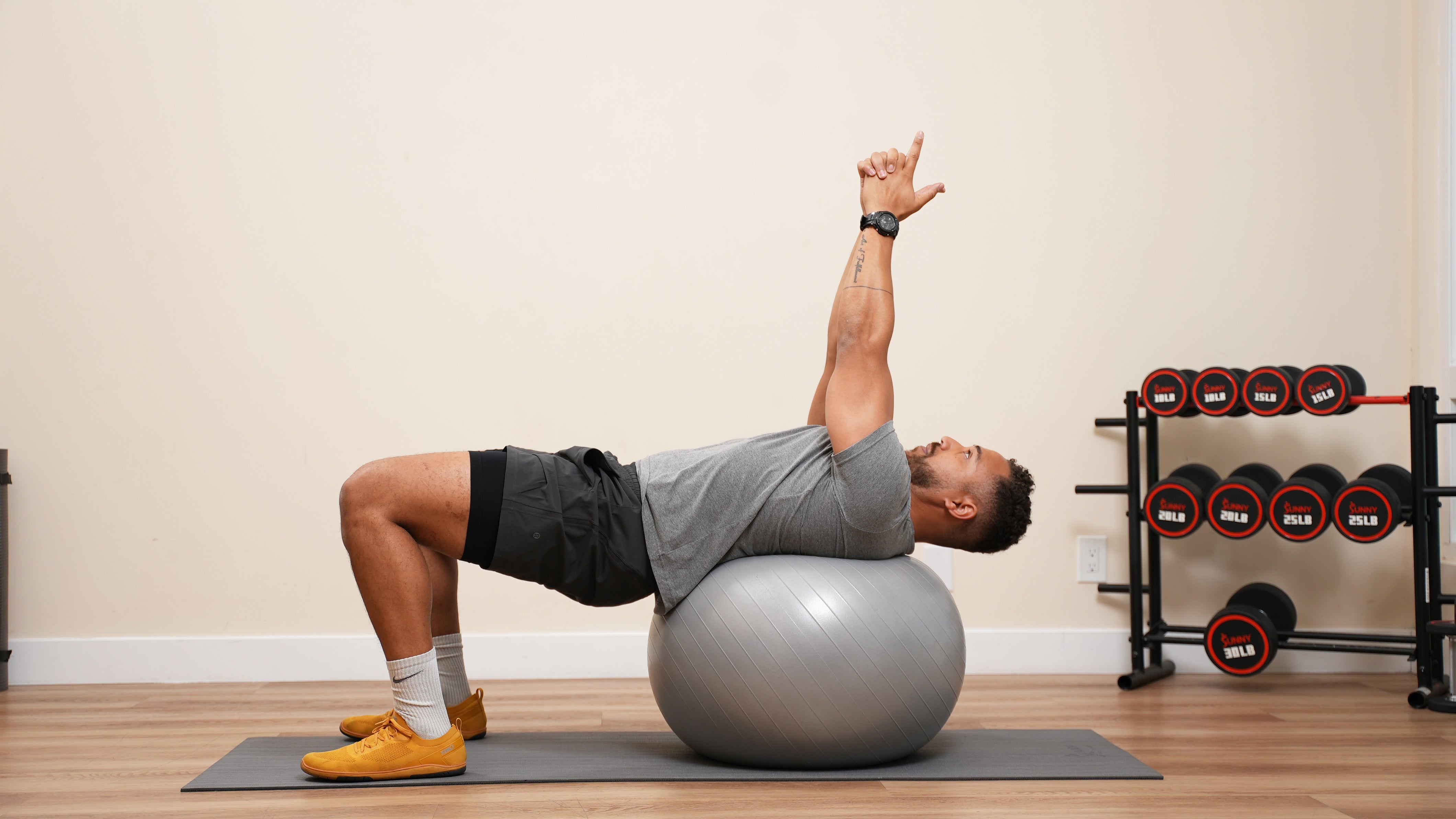
Lie on your back with your feet resting on the yoga ball. Keep your arms at your sides for support. Lift your hips off the floor, forming a straight line from knees to shoulders. Hold the position for a few seconds, then lower your hips back down. Ball bridges strengthen your glutes and lower back.
Credit: sunnyhealthfitness.com
Core Strengthening Moves
Strengthening your core is essential for improving balance, posture, and overall fitness. Yoga ball workouts offer a dynamic way to challenge your abdominal muscles while engaging stabilizers you might overlook in traditional exercises. These moves not only build strength but also boost your body awareness, making everyday movements easier and safer.
Plank On The Ball
Try placing your forearms on the yoga ball and extending your legs behind you to hold a plank position. The instability of the ball forces your core to work harder to maintain balance. You’ll notice how your abs and lower back engage more intensely compared to a regular plank.
Keep your body in a straight line from head to heels and hold for 20 to 30 seconds. As you get stronger, increase the hold time or try lifting one leg to add difficulty. Have you felt your core working harder just by adding this simple ball?
Ball Pass
Lie on your back holding the ball between your feet with your arms extended overhead. Lift your legs and arms simultaneously, passing the ball from your feet to your hands. Lower both slowly and repeat, passing the ball back to your feet each time.
This move targets your upper and lower abs together, improving coordination and control. Start with 8 to 10 passes and build up as your core strengthens. Notice how your breathing helps maintain control during the movement?
Russian Twists
Sit on the yoga ball with your feet flat on the floor and lean back slightly. Hold your hands together in front of you and twist your torso to one side, then the other. This rotation engages your oblique muscles and challenges your balance.
Try 12 to 15 twists on each side, keeping your movements slow and controlled. Using the ball makes your core work harder to stabilize your body. Can you feel the difference compared to doing twists on a stable surface?
Lower Body Workouts
Lower body workouts with a yoga ball help build strength and balance. The ball adds instability, making muscles work harder. These exercises target your legs, glutes, and hamstrings. They improve stability and muscle tone. Beginners can start safely and increase intensity over time.
Hamstring Curls
Lie on your back with your heels on the yoga ball. Lift your hips to form a straight line from shoulders to knees. Slowly roll the ball toward you by bending your knees. Then, roll it back out while keeping hips lifted. This exercise strengthens your hamstrings and glutes.
Ball Lunges
Stand with one foot on the yoga ball behind you. Keep your front foot flat on the ground. Slowly bend the front knee, lowering your body into a lunge. Keep your back straight and balance steady. Push back up to starting position. This move improves leg strength and balance.
Glute Bridges
Lie on your back with your feet resting on the yoga ball. Lift your hips off the ground, squeezing your glutes at the top. Hold briefly, then lower your hips slowly. Keep your core tight throughout the movement. This exercise targets the glutes and lower back muscles effectively.
Credit: www.youtube.com
Upper Body Exercises
Upper body exercises on a yoga ball help build strength and improve balance. The ball adds an extra challenge by forcing your muscles to stabilize. These workouts target your chest, shoulders, and arms, helping you tone and strengthen. They are easy for beginners and use body weight to avoid strain.
Chest Press On Ball
Lie on the yoga ball with your upper back supported. Keep your feet flat on the floor and hold light weights in each hand. Press the weights straight up over your chest. Lower them slowly to start. Keep your core tight to maintain balance. This exercise strengthens your chest and arms gently.
Ball Push-ups
Place your hands on the yoga ball and your feet on the floor. Keep your body straight from head to heels. Bend your elbows to lower your chest toward the ball. Push back up to the starting position. This move works your chest, shoulders, and triceps. It also improves your stability and control.
Shoulder Rolls
Sit on the yoga ball with your feet flat and back straight. Relax your shoulders and slowly roll them forward in a circular motion. After several rolls, change direction and roll them backward. This simple exercise relieves tension and increases shoulder mobility. It is perfect to warm up before more intense workouts.
Safety Tips And Common Mistakes
Starting yoga ball workouts needs care to avoid injuries and get good results. Knowing safety tips helps beginners feel confident and enjoy exercises. Many common mistakes can slow progress or cause pain. Focus on key points to stay safe and make workouts effective.
Maintaining Proper Form
Good posture is important during yoga ball exercises. Keep your back straight and shoulders relaxed. Avoid slouching or leaning too far forward or backward. Use a mirror or ask someone to check your form. Proper form protects your spine and muscles from strain.
Avoiding Overexertion
Start with short sessions and gentle movements. Do not push your body too hard at first. Overdoing can cause soreness or injury. Listen to your body’s signals and rest when needed. Gradually increase time and difficulty as you get stronger.
Using The Ball On Stable Surfaces
Place the yoga ball on a flat, non-slip floor. Avoid slippery or uneven areas that can cause falls. Clear space around you to move freely without obstacles. A stable surface ensures better balance and control during exercises.
Creating A Beginner Workout Plan
Creating a beginner workout plan with a yoga ball is your first step to building strength, improving balance, and enhancing flexibility. A well-structured plan keeps you motivated and helps you avoid injury. It’s about knowing what you want, balancing different exercises, and watching your progress closely.
Setting Realistic Goals
Start by asking yourself what you want to achieve with your yoga ball workouts. Are you looking to improve core strength, increase flexibility, or just add some fun to your routine? Setting clear, achievable goals keeps you focused and prevents frustration.
For example, aim to hold a plank on the yoga ball for 20 seconds before increasing the time. Small milestones like this build confidence and show real progress. Don’t rush—consistency beats intensity when you’re just starting.
Balancing Exercise Types
Your workout should include a mix of strength, flexibility, and balance exercises. The yoga ball is versatile, so use it for crunches, stretches, and even some stability work. This variety helps your body adapt and prevents boredom.
- Strength:Try ball squats or seated overhead presses.
- Flexibility:Use the ball for back stretches or hamstring rolls.
- Balance:Practice sitting on the ball with feet off the ground.
Mix these types throughout your week. How does your body feel after each session? Adjust based on your energy and recovery.
Tracking Progress
Keeping a simple workout journal can make a big difference. Note down what exercises you did, how long you held positions, and any challenges you faced. This record shows your improvements and highlights where you might need to adjust.
You might find that after two weeks, your balance improves or your muscles feel stronger. Celebrate those wins! Seeing progress on paper makes it easier to stick with your plan and push yourself just enough.
Credit: uk.aqfsports.com
Frequently Asked Questions
What Are The Benefits Of Yoga Ball Workouts For Beginners?
Yoga ball workouts improve balance, core strength, and flexibility. They enhance posture and reduce injury risk. Beginners gain better muscle control and coordination. These exercises are low-impact and suitable for all fitness levels.
How Do I Choose The Right Yoga Ball Size?
Choose a yoga ball based on your height. If under 5’4″, select a 55 cm ball. Between 5’5″ and 5’11”, use a 65 cm ball. Over 6 feet, opt for a 75 cm ball. Proper size ensures comfort and effectiveness.
Which Yoga Ball Exercises Are Best For Beginners?
Start with basic moves like seated balance, pelvic tilts, and wall squats. These exercises build core strength and stability. Gradually increase intensity as you gain confidence. Always maintain proper form to avoid injury.
How Often Should Beginners Do Yoga Ball Workouts?
Begin with 2-3 sessions per week, each lasting 20-30 minutes. Consistency helps build strength and improve balance. Rest days are important for muscle recovery. Adjust frequency based on your fitness level and goals.
Conclusion
Yoga ball workouts help build strength and improve balance. They suit beginners and add fun to exercise. Start slow and focus on your form. Consistency brings better results and boosts confidence. Use the ball for different moves to stay interested.
Enjoy the process and listen to your body. Small steps lead to big changes in fitness. Keep practicing, and you will feel stronger soon. Yoga ball exercises make workouts simple and effective. Give them a try and feel the difference.







