
Are you ready to take control of your fitness without leaving your home? Setting up your own workout equipment home gym can be the game-changer you’ve been looking for.
Imagine having everything you need just steps away, making it easier to stay consistent and motivated. Whether you want to build strength, improve flexibility, or boost your energy, the right equipment can help you reach your goals faster. Keep reading to discover how to create a home gym that fits your space, budget, and lifestyle perfectly.
Your best workout starts here.

Credit: www.amazon.ca
Benefits Of A Home Gym
Creating a home gym offers many benefits for fitness and well-being. It saves time and money while providing flexibility. Having equipment at home encourages regular exercise. It creates a private space to focus on health goals without distractions.
Convenience And Time Savings
Working out at home removes travel time to the gym. You can exercise anytime, day or night. No waiting for machines or crowded spaces. It fits easily into busy schedules. You control your workout environment.
Cost-effective Fitness Solution
Building a home gym reduces long-term expenses. No monthly gym fees or commuting costs. Equipment can be chosen to suit your budget. Quality gear lasts for years. It’s a smart investment in health.
Privacy And Comfort
Home gyms offer a private workout space. No feeling self-conscious around others. You set the music and temperature. Dress comfortably without judgment. A stress-free environment improves focus and results.
Customizable Workout Options
Choose equipment that matches your fitness goals. Strength training, cardio, yoga, or stretching tools. Adjust workouts easily to your needs. Variety keeps exercise interesting. Personalize your routine for better progress.
Family-friendly Fitness Space
Home gyms encourage healthy habits for the whole family. Kids and adults can exercise together. It teaches good routines early. Support from family members boosts motivation. Fitness becomes a shared activity at home.
Choosing The Right Space
Choosing the right space for a home gym affects your workout routine and motivation. The space should fit your equipment and allow easy movement. It must also suit your lifestyle and daily schedule. A well-chosen spot helps keep workouts consistent and enjoyable.
Small Space Solutions
Small areas need smart planning to hold workout gear. Use vertical storage to save floor space. Foldable equipment fits well in tight rooms. Mirrors can make a room look bigger and boost motivation.
- Use wall hooks for resistance bands and jump ropes
- Choose compact machines like foldable treadmills
- Add a mat for floor exercises without clutter
- Keep a small shelf for weights and accessories
Garage And Basement Options
Garages and basements offer more space for bigger equipment. They often stay cooler or warmer, depending on the season. These areas can become private zones for focused workouts. Make sure to add proper lighting and ventilation for comfort.
- Clear clutter to create open workout zones
- Use rubber mats to protect floors and reduce noise
- Install shelves for organized storage
- Consider portable heaters or fans for temperature control
Essential Equipment For Beginners
Starting a home gym can feel overwhelming, especially with so many options out there. Focusing on essential equipment helps you build a solid foundation without clutter or confusion. These basics support a variety of workouts and grow with your fitness journey.
Dumbbells And Resistance Bands
Dumbbells are a must-have for strength training at home. They come in different weights, letting you start light and increase resistance as you get stronger. Using dumbbells helps target multiple muscle groups effectively.
Resistance bands are incredibly versatile and space-friendly. They add tension to your exercises without heavy weights, perfect for toning and rehabilitation. Have you tried combining dumbbells and bands for a more challenging workout?
Yoga Mats And Stability Balls
A good yoga mat provides comfort and grip for floor exercises, stretching, and yoga routines. It protects your joints and keeps you steady during workouts. Don’t underestimate the difference a quality mat makes in your comfort and balance.
Stability balls engage your core and improve posture with simple movements. You can use them for balance training, core strengthening, and even as a chair alternative. Have you noticed how adding instability challenges your muscles in new ways?

Credit: www.amazon.ca
Intermediate Gear For Enhanced Workouts
Adding intermediate gear to your home gym can transform your workout routine. These tools help you build strength, improve coordination, and challenge your body in new ways. You’ll find that stepping up your equipment invites variety and keeps motivation high.
Kettlebells And Medicine Balls
Kettlebells are incredibly versatile. You can use them for swings, squats, and presses that engage multiple muscle groups simultaneously. They also improve grip strength and balance.
Medicine balls add a dynamic element to your workouts. Throwing, catching, and twisting with a medicine ball develops core power and explosive strength. You can even combine these tools for circuit training to boost intensity.
Think about your current routine—how often do you challenge your muscles with different movement patterns? Adding kettlebells and medicine balls could be the key to breaking through plateaus.
Adjustable Weight Benches
Adjustable benches are a game-changer for home gyms. They let you perform a wide range of exercises like incline presses, step-ups, and seated curls. This variety targets muscles from different angles, enhancing your overall strength.
Space can be tight at home, but an adjustable bench folds or adjusts easily to fit your area. It’s a practical choice that saves room without sacrificing workout quality.
Are you making the most of your bench’s potential? Experimenting with different angles can reveal weak spots in your muscles and help you improve faster.
Advanced Equipment For Serious Athletes
Advanced equipment transforms your home gym from basic to professional-grade. It challenges your limits and supports serious progress. If you’re ready to push harder, these tools are designed to keep up with your ambition.
Power Racks And Squat Stands
Power racks and squat stands are essential for heavy lifting and safety. They allow you to perform squats, bench presses, and overhead lifts with confidence. A sturdy power rack often includes adjustable safety bars, so you can train alone without risking injury.
Choosing the right rack depends on your space and workout style. Some racks come with pull-up bars and attachment points for resistance bands, adding versatility. Think about your most common lifts and find a rack that supports those movements comfortably.
Cardio Machines
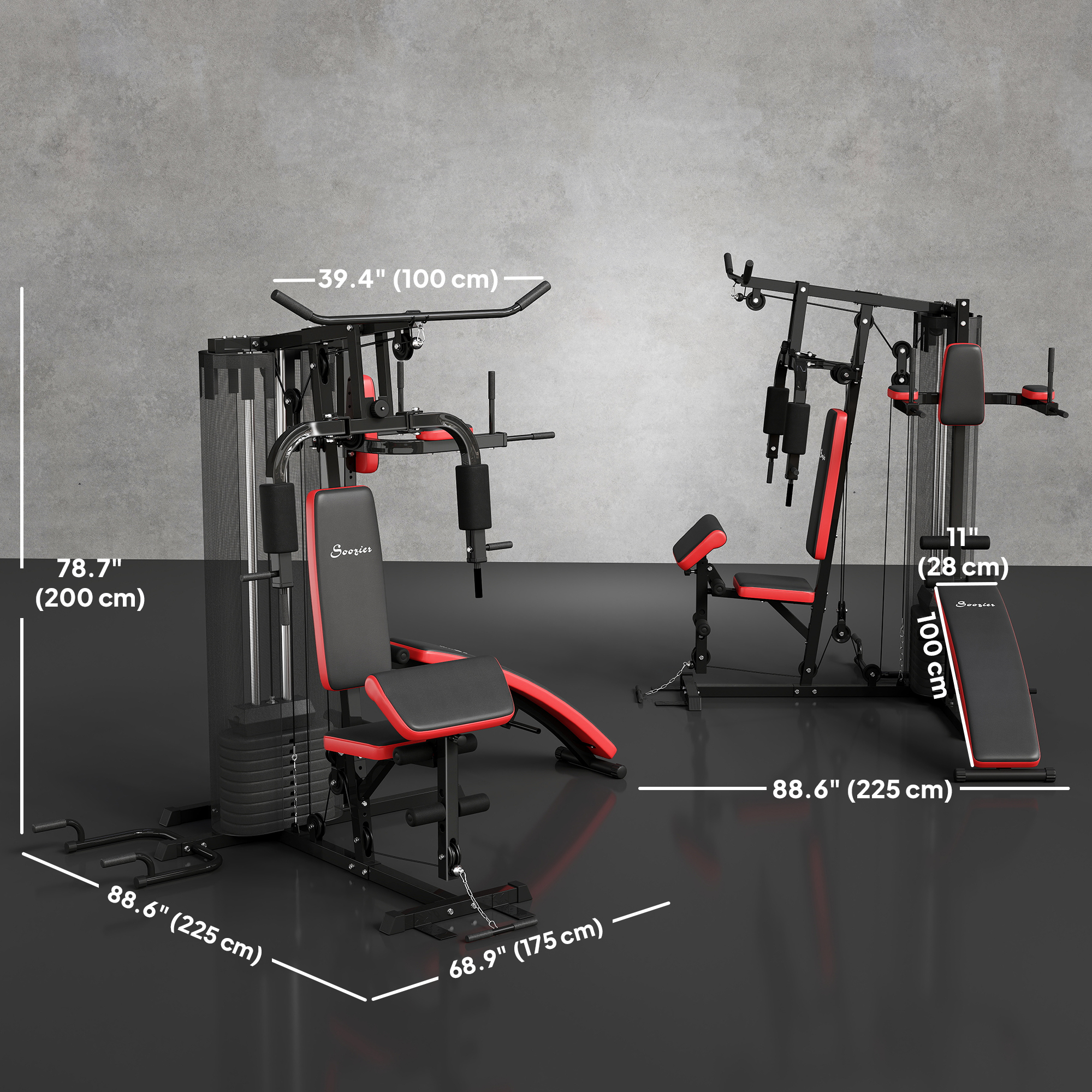
Cardio machines in a serious athlete’s home gym go beyond basic treadmills. Look for models that offer interval training and customizable resistance. Rowing machines and assault bikes engage multiple muscle groups, giving you a full-body cardio workout.
Consider how these machines fit into your routine. Do you want quick HIIT sessions or steady-state endurance training? A well-chosen cardio machine keeps your heart strong and complements your strength training perfectly.
Credit: www.aosom.ca
Budget-friendly Equipment Options
Creating a home gym does not require a big budget. Choosing the right equipment can save money without losing quality. Budget-friendly options make fitness accessible and practical. These choices help build a workout space that fits both needs and wallets.
Diy Solutions
Making your own workout tools is cost-effective and fun. Simple materials can turn into useful equipment. For example, a sturdy chair can support step-ups or tricep dips. Sandbags filled with rice or sand serve as weights. Resistance bands can be crafted from old bicycle inner tubes.
DIY equipment offers customization to match your workout style. It also encourages creativity and problem-solving. Many online tutorials show easy steps to build gym gear. This method often leads to unique and personal fitness tools.
Second-hand Purchases
Buying used equipment lowers expenses significantly. Many quality items are available at thrift stores, online marketplaces, or garage sales. Look for brands known for durability and safety. Inspect items for wear and tear before buying.
Common second-hand finds include dumbbells, kettlebells, and yoga mats. Cardio machines like treadmills or stationary bikes can also be affordable. Buying used allows access to high-end gear at a fraction of the price. Saving money here means more budget for other gym needs.
Creating A Balanced Workout Routine
Creating a balanced workout routine is essential to get the most out of your home gym equipment. It ensures you build strength, boost endurance, and maintain flexibility. A well-rounded plan helps you avoid injury and keeps your workouts interesting.
Strength Training
Strength training is the foundation of any effective home gym routine. Using equipment like dumbbells, resistance bands, or kettlebells, you target muscles to build power and tone your body. Focus on major muscle groups with exercises like squats, push-ups, and rows.
Start with lighter weights and gradually increase as you get stronger. I found that alternating muscle groups on different days keeps soreness manageable and improves recovery. How do you decide which strength exercises fit your lifestyle?
Cardio And Flexibility
Cardio workouts boost your heart health and burn calories efficiently. You can use a jump rope, treadmill, or even perform bodyweight circuits to raise your heart rate. Adding variety, like cycling or dance workouts, prevents boredom.
Flexibility is often overlooked but crucial for injury prevention and better movement. Stretching with yoga mats or foam rollers after cardio sessions helps your muscles recover. Have you tried mixing cardio bursts with flexibility exercises for a fresh workout flow?
Safety Tips For Home Workouts
Working out at home offers great convenience but also requires a strong focus on safety. Without a trainer nearby, you must take extra care to protect yourself from injury. Paying attention to how you use your equipment and prevent accidents can keep your fitness journey both effective and safe.
Proper Equipment Use
Each piece of workout equipment has its own set of instructions. Ignoring these can lead to improper form or even damage to the equipment itself. Always read the manual or watch reliable tutorials before starting with a new machine or tool.
Check the stability of equipment before use. For example, ensure your bench is locked securely or your treadmill is on a flat surface. This small step can prevent unexpected slips or falls.
Adjust the equipment to fit your body size and fitness level. Using a weight that’s too heavy or a resistance band that’s too tight might seem like a challenge, but it increases your injury risk. Are you customizing your setup to suit your needs?
Injury Prevention
Warm up before and cool down after your workout. Skipping these can cause muscle strains and joint pain. Simple movements like stretching or light cardio prepare your body and reduce soreness.
Listen to your body. If you feel sharp pain or dizziness, stop immediately. Pushing through discomfort can turn a minor issue into a serious injury.
Create a clutter-free workout space. A crowded area increases the chance of tripping over weights or slipping on mats. How safe is your home gym environment right now?
- Keep floors dry to avoid slipping
- Wear proper shoes with good grip
- Store equipment neatly after use
Maintaining And Upgrading Equipment
Maintaining and upgrading your workout equipment is key to a safe and effective home gym. Proper care extends the life of your gear. It keeps your workouts smooth and prevents injuries. Knowing when to update equipment helps you stay motivated. It also ensures you use the best tools for your fitness goals.
Regular Maintenance
Check your equipment often for wear and tear. Clean machines after every use to avoid dust and sweat build-up. Tighten bolts and screws regularly to keep parts secure. Lubricate moving parts like treadmill belts or bike chains. Replace worn-out grips, pads, or cables to maintain comfort and safety. Store equipment in a dry place to prevent rust and damage.
When To Invest In New Gear
Replace equipment if it shows signs of serious damage. Cracks, frayed cables, or broken parts can cause injuries. Upgrade if your fitness goals change or if you need new features. Look for better technology, improved comfort, or space-saving designs. Consider new gear if maintenance costs become high. Choose equipment that matches your current workout routine and space.
Motivation And Discipline At Home
Staying motivated and disciplined while working out at home can be challenging. The comfort of your space sometimes makes it easy to skip sessions or lose focus. However, turning your home gym into a place where motivation thrives is possible with the right mindset and tools.
Setting Achievable Goals
Start by defining clear and realistic goals for your workouts. Instead of aiming to become a fitness expert overnight, set small targets like completing three workouts a week or increasing your weights gradually.
Breaking down your goals into manageable steps helps maintain enthusiasm. You might decide to master a specific exercise or improve your endurance over a month. These achievable goals act as checkpoints, making progress visible and rewarding.
Ask yourself: What can I realistically accomplish this week? Tailor your goals to fit your schedule and energy levels. This way, you build confidence and avoid frustration.
Tracking Progress
Keeping track of your workouts is a powerful motivator. Use a simple notebook or a fitness app to record exercises, reps, and how you feel after each session.
Seeing your improvements over time, whether it’s lifting heavier weights or completing more reps, fuels your desire to keep going. It also highlights patterns, showing what works best for you and what needs adjustment.
Consider adding photos or notes about your mood and energy. This can reveal connections between your workouts and overall well-being, encouraging consistency.
Frequently Asked Questions
What Are The Essential Workout Equipment For A Home Gym?
Essential equipment includes dumbbells, resistance bands, a yoga mat, and a stability ball. These tools cover strength, flexibility, and cardio workouts efficiently.
How Much Space Is Needed For A Home Gym Setup?
A minimum of 50 square feet is recommended for basic equipment. This allows comfortable movement and safe exercise routines without crowding.
Can I Build An Effective Home Gym On A Budget?
Yes, focus on versatile, affordable equipment like resistance bands and adjustable dumbbells. They offer multiple workout options without high costs.
What Equipment Helps Improve Strength Training At Home?
Free weights, kettlebells, and resistance bands are excellent for strength training. These tools target various muscle groups effectively and safely.
Conclusion
Creating a home gym can fit any space and budget. Choose equipment that matches your fitness goals and room size. Simple tools like dumbbells and resistance bands offer many workout options. Regular exercise at home saves time and builds healthy habits.
Keep your space organized to stay motivated and safe. Start small, then add gear as you progress. Enjoy the comfort and privacy of your own workout area. Consistency matters more than fancy machines or big setups. Your health improves step by step, right at home.







