
Have you ever wondered how long you should wait after eating before working out? You’re not alone.
Timing your workout right can make a big difference in how you feel and perform. If you exercise too soon after a meal, you might feel sluggish or uncomfortable. Wait too long, and you could miss out on the energy your body needs.
You’ll discover the best time to work out after eating, so you can boost your energy, avoid cramps, and get the most from every exercise session. Keep reading to find the perfect balance for your body and lifestyle.
Credit: www.goodrx.com
Meal Types And Digestion Times
Understanding how different meal types affect your digestion time is key to deciding the best moment to work out after eating. Not all foods digest at the same speed, and this can impact your energy levels and comfort during exercise. Let’s break down how meal size, macronutrient content, and your own body’s response influence when you should hit the gym.
Light Vs Heavy Meals
Light meals, like a small salad or a piece of fruit, usually digest quickly—often within 30 minutes to an hour. This means you can typically exercise shortly after eating without feeling sluggish or uncomfortable.
Heavy meals with lots of fats, proteins, or large portions take longer to digest, sometimes up to 3 hours or more. If you work out too soon after a heavy meal, you might experience cramps, nausea, or sluggishness.
Think about your last heavy lunch. Did you feel slow or bloated when you tried to exercise shortly after? That discomfort signals your body was still busy digesting.
Macronutrient Impact
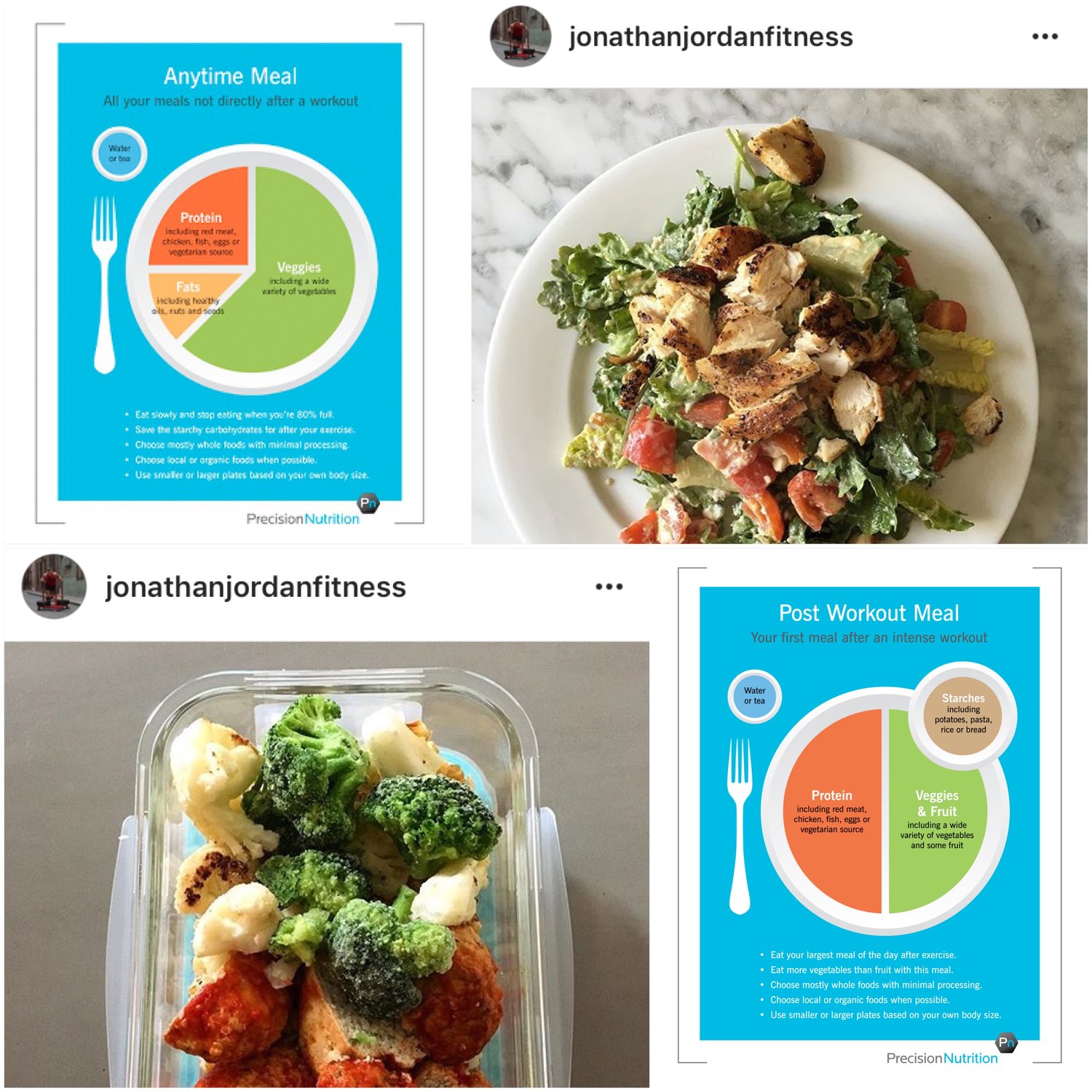
Carbohydrates break down faster than proteins and fats, providing quicker energy. A carb-focused snack like a banana or toast is often ideal before a workout.
Proteins and fats slow digestion but provide sustained energy. If your meal was rich in these, like a steak or avocado, waiting longer before exercising is usually better.
Balancing your macros can help you time your workout smarter. For example:
- A quick carb snack 30 minutes before a run can boost endurance.
- A protein-heavy meal might need a 2-3 hour gap before strength training.
Individual Differences
Your body’s digestion speed and tolerance can vary widely from others. Some people might feel fine exercising an hour after a burger, while others need more time.
Age, metabolism, and even hydration levels play a role. Pay attention to how your body reacts rather than following strict rules.
Try experimenting: eat different meals and note how long you feel comfortable waiting before working out. What do your own digestion patterns tell you about your ideal workout timing?
Credit: visapoint.travel
Ideal Waiting Periods Before Exercise
Knowing the right amount of time to wait before exercising after eating can make a big difference in how you feel and perform. The ideal waiting period depends on what and how much you eat. Let’s break down the best wait times for different meal sizes and how to recognize if your body is ready to move.
Waiting After A Small Snack
Small snacks like a piece of fruit, a handful of nuts, or a yogurt usually digest quickly. You can often start light to moderate exercise within 30 minutes of eating a small snack.
If you’re planning a gentle walk or stretching session, waiting 15-30 minutes might be enough. But if you want to do intense cardio or weightlifting, giving yourself a 30-60 minute buffer helps prevent stomach discomfort.
Think about how you feel—do you feel energized or sluggish? That’s your body’s way of telling you if you’re ready.
Waiting After A Full Meal
Full meals take longer to digest because they contain more food and often more fat and protein. Waiting 1.5 to 3 hours before exercising is usually best after a big meal.
Jumping into a workout too soon can cause cramping, nausea, or sluggishness. For example, after a heavy pasta dinner, waiting closer to 2 or 3 hours allows your body to digest and convert food into usable energy.
If you’re short on time, consider breaking your meals into smaller portions throughout the day to keep your energy steady and reduce long waits before exercising.
Signs You’re Ready To Workout
How do you know when it’s truly time to start your workout? Look for these signs:
- No stomach discomfort:You should feel no bloating, cramps, or nausea.
- Stable energy levels:You feel alert and ready to move, not sleepy or drained.
- Normal breathing:Breathing feels natural and easy when you start moving.
Pay attention to your body. Sometimes, waiting a bit longer than recommended might be what you need. Have you ever tried working out too soon after eating and felt off? How did that affect your session?
Effects Of Exercising Too Soon After Eating
Exercising too soon after eating can disrupt both your workout and digestion. It often leads to discomfort and lowers the effectiveness of your exercise. Understanding these effects helps you choose the best time to work out for optimal results and well-being.
Digestive Discomfort
When you start exercising right after a meal, your body struggles to divide attention between digesting food and powering your muscles.
This can cause bloating, gas, or a heavy feeling in your stomach. Many people experience this as a nagging discomfort that makes focusing on exercise difficult.
Have you ever felt like your stomach was dragging you down during a run or workout? That’s a clear sign your digestion is competing with your activity.
Performance Issues
Exercising immediately after eating can reduce your energy levels and slow your reaction times. Your body is busy digesting instead of fueling your muscles effectively.
You might notice that your endurance drops or your strength feels weaker than usual. This can make workouts feel more tiring and less productive.
Ask yourself: do you want to push harder or deal with sluggishness? Timing your workout right can make all the difference in your performance.
Risk Of Nausea And Cramps
Starting intense exercise too soon after a meal increases the risk of nausea and stomach cramps. This happens because vigorous activity disrupts the digestive process.
These symptoms can quickly turn a good workout into an unpleasant experience. Many people have stopped mid-exercise because their stomach felt upset or cramped.
Would you rather pause your session or enjoy a smooth workout? Waiting a bit after eating can help you avoid these unwelcome issues.
Credit: miradorsanjose.com
Best Workout Types Post-meal
Choosing the right workout type after eating can make a big difference in how you feel and perform. Not all exercises suit the digestive process, so picking the right activity helps you avoid discomfort and get the most from your workout. Let’s look at some options that work well depending on how much time has passed since your meal.
Light Activities
Light activities like walking or casual cycling are gentle on your stomach and easy to start soon after eating. They help your body digest food without causing strain or cramping. Have you ever noticed how a short walk after dinner makes you feel less bloated and more energized?
These activities also increase blood flow without demanding too much energy, making them ideal if you want to stay active but avoid discomfort. Try a 15-30 minute stroll after a meal to see how it helps your digestion and mood.
High-intensity Training
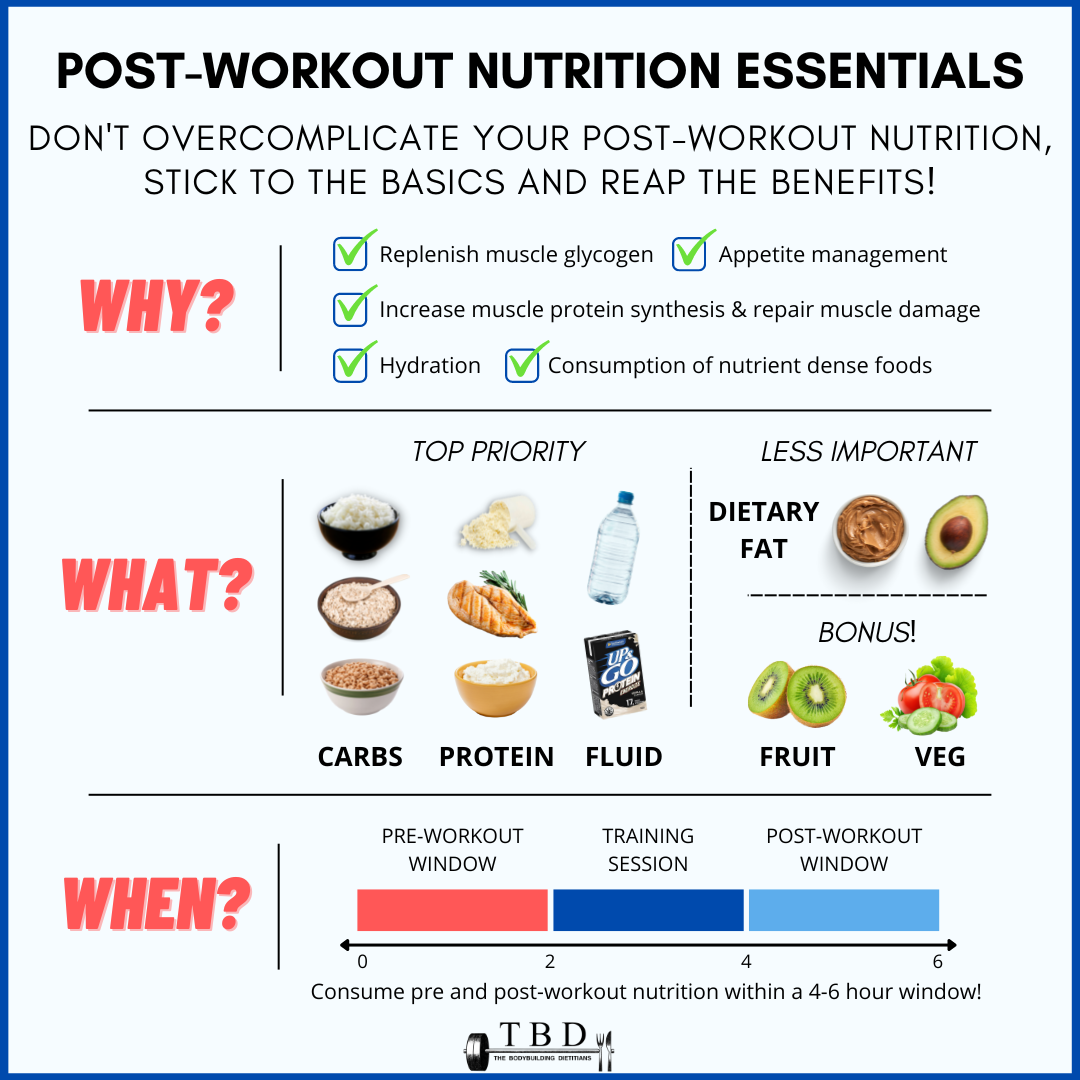
High-intensity workouts, such as sprinting or weightlifting, require you to wait longer after eating—usually 1.5 to 3 hours. Your body needs time to digest so blood flow can focus on your muscles instead of your stomach.
Pushing too hard too soon can cause nausea, cramps, or sluggishness. Think about your last intense workout after a meal—did you feel off or slowed down? Waiting allows your energy to shift from digestion to performance.
Stretching And Yoga
Stretching and yoga offer a flexible option that can fit shortly after eating, especially if you choose gentle poses. These activities encourage relaxation and improve circulation, which supports digestion.
However, avoid deep twists or intense inversions right after a big meal. Pay attention to how your body reacts—can you breathe deeply and move comfortably? If yes, these workouts might be a perfect way to stay active without overloading your system.
Hydration And Post-meal Exercise
Hydration plays a key role in exercising after a meal. Drinking enough fluids helps your body work better during workouts. Water supports digestion and keeps muscles ready to move. Without proper hydration, you may feel tired or cramp up quickly. Balancing food and water intake ensures you get the most from your exercise.
Importance Of Hydration
Water keeps your body cool and controls temperature during exercise. It helps carry nutrients from your meal to muscles for energy. Staying hydrated prevents headaches and dizziness after eating and moving. Even mild dehydration lowers your strength and focus. Drinking water before and after meals improves workout performance and recovery.
What To Drink And When
Plain water is the best drink for most workouts. Sip water slowly before starting to exercise after eating. Avoid sugary or caffeinated drinks; they can upset your stomach. Small amounts of water during exercise keep you refreshed. After you finish, drink more water to replace lost fluids. For longer or intense workouts, a drink with electrolytes may help.
Tips For Timing Meals And Workouts
Timing your meals and workouts can make a big difference in how you feel and perform. Finding the right balance helps you avoid discomfort and boosts your energy levels. Here are some practical tips to help you schedule your eating and exercise in a way that fits your lifestyle and goals.
Planning Your Schedule
Look at your daily routine and find consistent windows for both eating and working out. If you prefer morning workouts, try having a light snack 30 to 60 minutes before exercising. For evening sessions, plan your last meal at least 1.5 to 2 hours prior to avoid sluggishness.
Think about your work, family, and social commitments. Can you block out specific times that won’t rush your digestion or force you to skip meals? Experiment with different meal and workout timings over a few days to see what feels best.
Listening To Your Body
Pay attention to how your stomach feels during workouts. Some people can exercise comfortably right after eating, while others need more time to digest. If you notice cramps, nausea, or low energy, adjust the gap between your meal and workout.
Ask yourself: Does a small snack give you energy, or does it make you feel heavy? Track your responses to different foods and timings to understand your personal rhythm. Your body’s signals are the best guide for fine-tuning your schedule.
Adjusting Based On Goals
Different fitness goals require different meal timing strategies. If you’re aiming to build muscle, eating protein-rich meals before and after workouts can aid recovery. On the other hand, if fat loss is your focus, working out on an emptier stomach might help some people burn more fat.
Consider what you want to achieve and test how meal timing affects your progress. Are you performing better and feeling stronger when you eat first, or do you thrive with fasted workouts? Adjust your plan accordingly and stay flexible to changes.
Frequently Asked Questions
When Should I Wait To Exercise After Eating?
Wait at least 30 minutes after a small meal before exercising. For larger meals, wait 1. 5 to 2 hours. This allows digestion and prevents discomfort during your workout.
How Does Food Size Affect Workout Timing?
Small meals digest faster, so you can exercise sooner. Larger meals need more time to break down. Adjust workout timing based on meal size to avoid cramps or nausea.
What Foods Are Best Before Working Out?
Choose easily digestible carbs and lean proteins before exercise. Avoid fatty or heavy foods that slow digestion. This helps maintain energy and comfort during your workout.
Can Exercising Immediately After Eating Cause Problems?
Yes, exercising right after eating can cause cramps, nausea, or indigestion. It’s best to wait for digestion to avoid discomfort and improve workout performance.
Conclusion
Finding the best time to work out after eating can boost your fitness routine. Listen to your body. Everyone’s digestion and energy levels differ. Some feel ready after 30 minutes. Others need an hour or more. Experiment with timing. Notice how your body responds.
Avoid discomfort or sluggishness. Stay hydrated. Choose lighter meals before intense exercise. Balance is key. A consistent routine helps improve results. Remember, patience is important. With practice, you’ll discover what suits you best. Maintain focus on personal wellness. Prioritize comfort and enjoyment in your workouts.
This approach ensures a positive exercise experience.







