
Are you tired of wondering whether your workout routine is effective? Do you feel overwhelmed by the endless fitness advice out there?
You’re not alone. Many people struggle to find a workout plan that truly works for them. But don’t worry—you’re in the right place. In this blog post, we’ll unravel the mystery of what makes a good workout routine. By the end, you’ll have a clear understanding of how to structure your workouts for maximum results.
So, if you’re ready to transform your fitness journey and finally achieve the results you’ve been dreaming of, keep reading. Your best self is just a few paragraphs away.
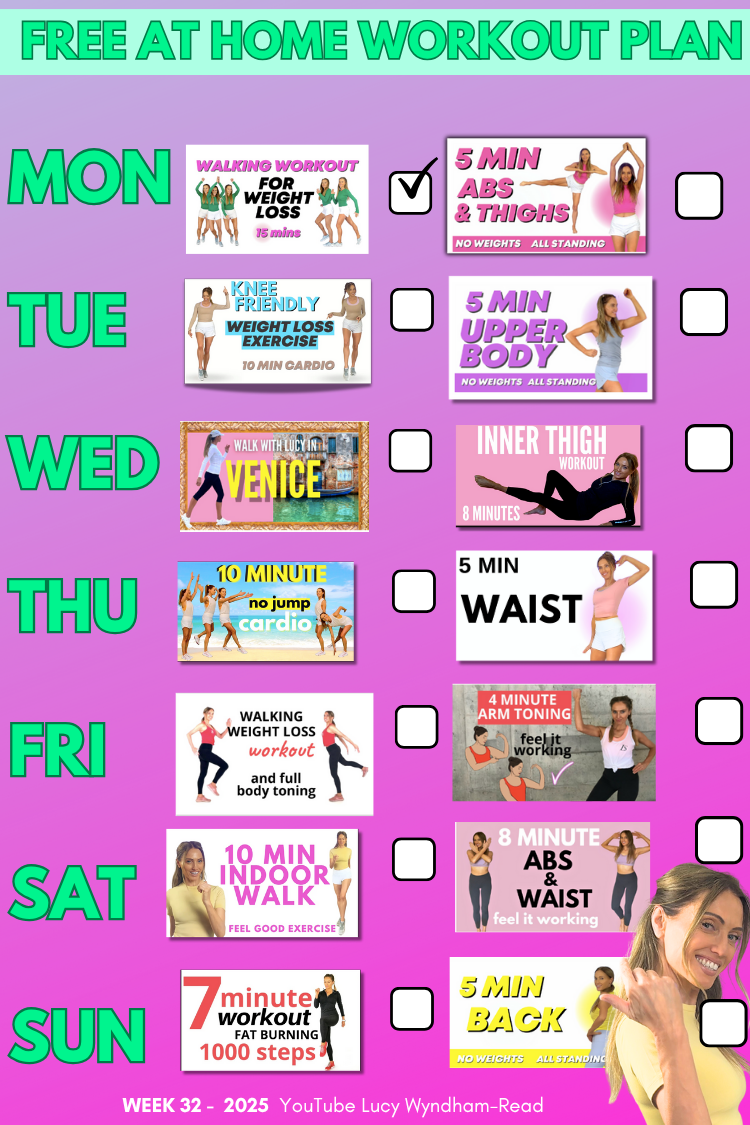
Credit: m.youtube.com
Key Elements Of A Good Workout
A good workout routine has certain key elements that support your fitness goals. These elements help your body improve strength, endurance, and overall health. Understanding and applying these basics can make your workouts more effective and enjoyable.
Consistency And Frequency
Regular workouts build habits and improve fitness steadily. Aim for several sessions each week to keep progress steady. Skipping workouts often slows down results and reduces motivation. Consistency helps your body adapt and grow stronger over time.
Balanced Exercise Types
A good routine includes different kinds of exercises. Combine cardio, strength training, and flexibility work. Cardio improves heart health and burns calories. Strength training builds muscles and increases metabolism. Flexibility exercises reduce injury risk and improve movement. This balance keeps workouts interesting and effective.
Progressive Overload
Your body needs increasing challenges to improve. Gradually increase weights, reps, or workout intensity. This forces muscles to grow and adapt. Without progression, gains will plateau and workouts become less effective. Track your progress to make steady improvements.
Rest And Recovery
Rest days allow muscles to repair and grow stronger. Overtraining can cause injury and fatigue. Include rest or light activity days in your plan. Sleep is also critical for recovery and energy. Proper recovery helps maintain long-term workout success and health.

Credit: www.reddit.com
Types Of Effective Workouts
Choosing the right workout routine means understanding the types of exercises that truly make a difference. Each type targets your body in unique ways, helping you build strength, improve endurance, and stay flexible. Knowing these options lets you create a balanced plan that fits your goals and lifestyle.
Strength Training
Strength training helps you build muscle and increase your metabolism. You can use weights, resistance bands, or even your own body weight for exercises like push-ups and squats. I noticed a big change in my energy levels and posture once I added strength training to my routine.
Try focusing on major muscle groups and aim for two to three sessions a week. This type of workout supports your bones, joints, and overall functional fitness.
Cardiovascular Exercises
Cardio workouts improve your heart and lung health while burning calories. Running, cycling, swimming, or brisk walking are great ways to get your heart rate up. I found that mixing different cardio activities kept my workouts exciting and prevented boredom.
Ask yourself: How can you keep your heart healthy while enjoying your exercise? Pick activities you like to stay consistent.
Flexibility And Mobility
Flexibility and mobility exercises help your body move freely and reduce injury risk. Stretching, yoga, and Pilates improve your range of motion and ease muscle tightness. After adding yoga to my weekly schedule, I noticed less stiffness and quicker recovery after workouts.
Don’t skip this type of workout—your body will thank you for it.
High-intensity Interval Training
HIIT alternates short bursts of intense activity with rest periods. This method burns fat efficiently and boosts endurance in less time. I used HIIT to break through weight loss plateaus, and the quick sessions fit perfectly into my busy days.
Consider if you prefer short, intense workouts over longer, moderate sessions. HIIT can be customized to your fitness level and goals.
Designing Your Workout Plan
Designing your workout plan is the foundation of a successful fitness journey. It shapes how you progress, stay motivated, and avoid burnout. Crafting a plan that fits your lifestyle and goals makes exercise feel less like a chore and more like a personal challenge you’re eager to meet.
Setting Realistic Goals
Start by asking yourself what you want to achieve. Do you want to build strength, improve endurance, lose weight, or just stay active? Setting clear, achievable goals helps you stay focused and measure your progress.
Break down big goals into smaller milestones. Instead of “get fit,” aim for “run 10 minutes without stopping” or “do 10 push-ups.” Celebrating these small wins keeps your motivation high and your plan on track.
Choosing The Right Exercises
Pick exercises that match your goals and interests. If you love being outdoors, running or cycling might be your best fit. If you prefer strength, consider weight training or bodyweight exercises.
Variety is key to avoid boredom and plateaus. Mix cardio, strength, and flexibility workouts to cover all bases. This approach also reduces injury risk by working different muscle groups.
Remember, the best exercises are the ones you enjoy and can stick with consistently. What’s one activity you look forward to doing every week?
Scheduling Workouts
Consistency beats intensity when you’re starting out. Choose workout days and times that fit your routine and energy levels. Some people thrive with morning workouts; others find evening sessions more effective.
Don’t overload your schedule. Start with 3-4 sessions per week and adjust based on how your body feels. Leave rest days for recovery—your muscles need time to rebuild stronger.
Use a calendar or fitness app to block your workout times. Treat these appointments with yourself as non-negotiable. How can you protect this time from other distractions?
Tracking Progress
Keep a simple log of your workouts to see how far you’ve come. Note exercises, reps, weights, or distances. This record helps you spot improvements and areas needing more focus.
Photos, measurements, or fitness tests can also show progress beyond the scale. Sometimes strength gains or better stamina are more meaningful than weight changes.
Adjust your plan based on your tracked data. If something isn’t working, tweak it rather than quitting. How will you celebrate your progress to keep yourself motivated?

Credit: www.majorfitness.com
Nutrition’s Role In Workout Success
Nutrition plays a crucial role in how effective your workout routine can be. It’s not just about what you do in the gym but also what you put into your body before and after exercise. Proper nutrition fuels your energy, supports muscle recovery, and helps you get the most out of every session.
Fueling Pre-workout
Eating the right food before your workout can boost your energy and improve performance. Aim to have a meal or snack that includes both carbohydrates and protein about 1 to 2 hours before exercising.
- Try a banana with peanut butter for quick energy and protein.
- Oats topped with berries provide slow-releasing carbs to keep you going.
- A small turkey sandwich on whole grain bread offers sustained fuel without feeling heavy.
Have you noticed a difference in your workout when you eat something versus when you don’t? Paying attention to this can help you find the right balance.
Post-workout Nutrition
After your workout, your body needs nutrients to repair muscles and restore energy. Eating within 30 to 60 minutes post-exercise is ideal to kickstart recovery.
- Include lean proteins like chicken, fish, or tofu to help rebuild muscle.
- Carbohydrates such as sweet potatoes or brown rice replenish glycogen stores.
- Don’t forget some healthy fats from sources like avocado or nuts to support overall health.
Think about your last workout meal—did it leave you feeling energized the next day? Adjusting your post-workout nutrition could make a big difference.
Hydration Tips
Water is often overlooked but is essential for workout success. Staying hydrated helps maintain your strength, focus, and prevents cramps.
- Drink water throughout the day, not just during your workout.
- Before exercise, drink about 16 to 20 ounces of water to start hydrated.
- During longer workouts, sip water regularly or consider electrolyte drinks if you sweat heavily.
Have you tracked your water intake around workouts? Sometimes, simply drinking enough water can improve how you feel and perform dramatically.
Avoiding Common Workout Mistakes
A good workout routine avoids common mistakes that harm progress and cause injury. Many people push too hard or skip key parts of exercise. Small errors add up and slow results. Awareness helps keep workouts safe and effective.
Overtraining Risks
Overtraining happens when the body gets too little rest. Muscles need time to recover and grow stronger. Too much exercise can cause fatigue, pain, and injury. Signs include constant soreness, trouble sleeping, and low energy. Rest days and varied workouts reduce these risks.
Ignoring Form And Technique
Proper form protects joints and muscles. Poor technique leads to strains and bad habits. Focus on slow, controlled movements. Use mirrors or ask for help to check your posture. Correct form improves results and keeps injury away.
Neglecting Warm-up And Cool-down
Warm-up prepares muscles and raises heart rate. Cool-down helps the body relax and recover. Skipping these can cause stiffness and soreness. Simple stretches and light cardio before and after exercise make a big difference.
Staying Motivated For Long-term Results
Staying motivated is the key to turning a workout routine into a lifelong habit. It’s common to start strong but lose steam after a few weeks. The challenge is keeping your drive alive so you see real, lasting results.
Setting Milestones
Break your big fitness goals into smaller milestones. These checkpoints give you clear targets and a sense of achievement along the way. For example, if your goal is to run 5K, start by aiming to jog for 10 minutes without stopping.
Celebrate when you hit these milestones. It could be as simple as treating yourself to a new workout playlist or a healthy snack. This keeps your progress tangible and your motivation high.
Variety In Workouts
Doing the same exercises every day can get boring fast. Mixing up your workouts prevents boredom and challenges different muscle groups. Try alternating between strength training, cardio, yoga, or even dance classes.
This variety not only keeps things fresh but also reduces the risk of injury. Ask yourself: What new activity have you wanted to try that could spice up your routine?
Finding Support And Accountability
Having someone to share your fitness journey with makes a huge difference. Whether it’s a workout buddy, a coach, or an online community, support helps you stay on track. You’re less likely to skip sessions when others expect you to show up.
Try joining a fitness group or using apps that track your progress and connect you with others. How could sharing your goals with someone else push you to keep going on tough days?
Frequently Asked Questions
What Defines A Good Workout Routine?
A good workout routine balances cardio, strength, and flexibility exercises. It fits your fitness level and goals. Consistency and gradual progression are key for effectiveness and injury prevention.
How Often Should I Exercise Weekly?
Aim for at least 3 to 5 workout sessions per week. This frequency supports fitness improvements and recovery. Adjust based on your goals and schedule for best results.
What Exercises Build Strength Effectively?
Compound movements like squats, deadlifts, and push-ups build strength. They engage multiple muscle groups simultaneously. Include weights or resistance bands for added intensity.
How Long Should Each Workout Last?
Workouts should last between 30 to 60 minutes. This duration is enough for warm-up, exercise, and cool-down. Focus on quality over quantity for better outcomes.
Conclusion
A good workout routine fits your goals and lifestyle. It includes exercises you enjoy and can do regularly. Balance strength, cardio, and rest for best results. Small steps lead to big changes over time. Stay consistent, listen to your body, and adjust as needed.
Fitness is a journey, not a race. Keep moving forward, and you will see progress.







