
Are you ready to take your fitness to the next level? The right weight training equipment in gyms can make all the difference in building strength, boosting confidence, and reaching your goals faster.
Whether you’re a beginner or a seasoned lifter, knowing which machines and tools to use will help you work smarter, not harder. Keep reading to discover how the best gym equipment can transform your workouts and keep you motivated every step of the way.
Your strongest self is just a few lifts away.
Credit: gym-mikolo.com
Free Weights
Free weights are a core part of weight training in gyms. They offer flexibility and allow natural movement. Using free weights helps build strength and improve balance. These tools engage more muscles compared to machines. Free weights come in several forms, each with unique benefits.
Dumbbells
Dumbbells are small bars with weights on each end. They come in pairs and vary in weight from very light to very heavy. Dumbbells work well for many exercises. They help improve muscle symmetry by working each side separately. Dumbbell exercises are easy to modify for all skill levels.
Barbells
Barbells are longer bars that hold weight plates on each side. They allow lifting heavier loads than dumbbells. Barbells are ideal for compound movements like squats and deadlifts. These exercises target multiple muscle groups at once. Barbells help increase overall strength and muscle mass efficiently.
Weight Plates
Weight plates are round discs that add weight to barbells and other equipment. They come in different sizes and materials. Plates can be stacked to reach the desired weight. Standard plates fit on most gym bars. They allow gradual progression in training load. Weight plates also serve for bodyweight exercises and balance training.

Credit: www.ritkeeps.com
Resistance Machines
Resistance machines offer controlled weight training, helping users build strength safely. These gym tools target specific muscles with adjustable weights and easy-to-follow movements.
Resistance machines are a staple in modern gyms, offering a safe and effective way to build strength. These machines are designed to target specific muscle groups, making them perfect for beginners and seasoned gym-goers alike. Unlike free weights, resistance machines guide your movements, reducing the risk of injury and ensuring proper form.Cable Machines
Cable machines are incredibly versatile. They allow you to perform a wide range of exercises, from tricep pushdowns to cable crossovers. The adjustable pulleys provide constant tension, which helps in muscle activation and growth. Have you ever wondered how a single machine can offer a full-body workout? With cable machines, you can adjust the height and angle to customize your exercises, targeting different muscle groups. Next time you’re in the gym, try adding a few cable exercises to your routine and feel the difference.Leg Press Machines
Leg press machines are perfect for working on your lower body strength. They provide a controlled environment to push heavy weights without straining your back. This makes them ideal for those who want to build strong legs without the complexities of barbell squats. You can easily adjust the seat and footplate positions to suit your comfort and range of motion. This customization helps prevent knee injuries and ensures you get the most out of your workout. Why not challenge yourself to up the weights gradually and see your leg strength soar?Chest Press Machines
Chest press machines are a favorite for those aiming to enhance their upper body strength. They focus on the pectoral muscles, deltoids, and triceps, providing a comprehensive upper body workout. The guided movement ensures your arms are aligned, reducing the risk of shoulder injuries. Ever felt intimidated by the bench press? The chest press machine is a great alternative, offering the same benefits without the need for a spotter. Give it a try and notice how your upper body strength improves over time.Benches And Racks
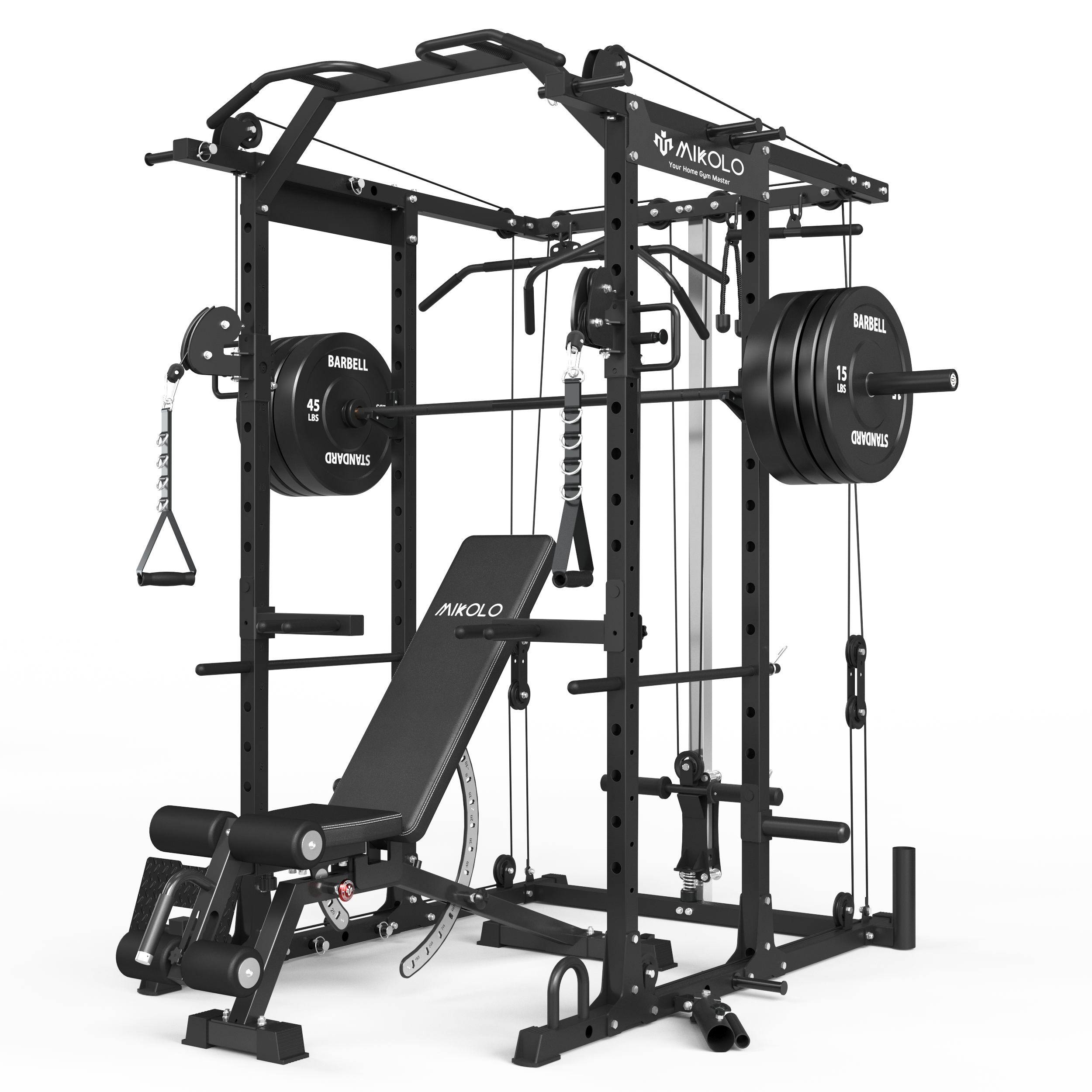
Benches and racks form the backbone of weight training equipment in gyms. They provide essential support and safety for many strength exercises. Choosing the right bench or rack can improve workout efficiency and comfort. These tools help target different muscle groups with proper form and stability.
Flat And Adjustable Benches
Flat benches offer a stable surface for exercises like bench presses and dumbbell workouts. They keep the body aligned and supported during lifts. Adjustable benches allow changes in angle, enabling incline or decline positions. This versatility targets various muscles, such as upper chest or shoulders. Both types are sturdy and built to handle heavy weights safely.
Power Racks
Power racks are large frames with adjustable safety bars and hooks. They allow lifters to perform squats, presses, and deadlifts safely. The safety bars catch the barbell if the lifter fails a lift. Power racks often include pull-up bars and attachments for other exercises. They provide a secure environment for heavy lifting without a spotter.
Squat Racks
Squat racks are simpler frames designed mainly for squats and overhead presses. They have adjustable hooks to hold the barbell at different heights. Lifters can focus on form and depth with easy access to the bar. Squat racks are compact and fit well in smaller gym spaces. They offer essential support for lower body strength training.
Specialty Equipment
Specialty equipment in gyms offers unique benefits that standard machines often can’t match. These tools challenge your body in different ways, helping you build strength, improve coordination, and increase flexibility. Adding them to your routine can break the monotony and push your limits.
Kettlebells
Kettlebells are compact weights with a handle, perfect for dynamic movements. They help you build power and endurance simultaneously through swings, snatches, and cleans.
What makes kettlebells stand out is their ability to engage multiple muscle groups at once. You’ll notice your grip strength and core stability improving quickly. Have you ever tried a kettlebell swing? It’s a full-body workout that feels different from lifting dumbbells.
Medicine Balls
Medicine balls add a fun and functional element to your weight training. You can toss, slam, or catch them, which makes your workouts more explosive and engaging.
Using medicine balls often boosts your coordination and speed. They are great for core exercises, especially rotational moves that mimic real-life actions. What if you added medicine ball slams to your routine—would your workouts feel more intense?
Resistance Bands
Resistance bands are incredibly versatile and easy to carry around. They provide constant tension, making your muscles work harder through every movement.
You can use bands for stretching, strengthening, or even rehab exercises. They come in different resistance levels, so you can adjust the challenge as you progress. Have you experimented with resistance bands to target muscles that machines often miss?
Safety Gear
Safety gear in weight training is not just an option; it’s a necessity. Using the right equipment can protect your body from injury and help you lift more confidently. Have you ever felt your lower back strain during a heavy lift? That’s exactly where safety gear steps in to support you.
Weightlifting Belts
Weightlifting belts provide crucial support to your lower back and core. They help increase intra-abdominal pressure, which stabilizes your spine during heavy lifts like squats and deadlifts. If you’ve ever experienced lower back discomfort, a belt might be the difference between pushing your limits safely or risking injury.
Choose a belt that fits snugly but doesn’t restrict breathing. Thick leather belts offer the best support, while nylon belts are more flexible but less protective. Remember, belts are not for every rep; use them during your heaviest sets to maximize safety.
Wrist Wraps
Wrist wraps stabilize your wrists and reduce strain during pressing movements. They are especially useful when performing bench presses, overhead presses, or any exercise where your wrists bear heavy loads. If your wrists feel weak or wobbly during lifts, wraps can provide the extra support you need to maintain proper form.
Look for wraps with adjustable Velcro closures for a customizable fit. Some lifters prefer longer wraps for more wrist coverage, while others choose shorter versions for flexibility. Try different styles to see which helps you lift without wrist pain or discomfort.
Lifting Straps
Lifting straps help improve your grip strength during pulling exercises like deadlifts, rows, or pull-ups. They wrap around the bar and your wrists, reducing grip fatigue and allowing you to focus on the target muscles. Ever lost grip before your muscles gave out? Straps can prevent that frustrating moment.
Using straps doesn’t mean ignoring grip training; think of them as a tool to push beyond your grip limits safely. Opt for cotton or leather straps depending on your comfort and durability needs. Make sure you learn the correct wrapping technique to get the most benefit.

Credit: www.majorfitness.com
Maintenance And Care
Proper maintenance and care of weight training equipment keeps gyms safe and efficient. Regular attention helps extend the life of machines and free weights. It also ensures a clean, healthy workout space for all users.
Cleaning Equipment
Clean machines and weights often to remove sweat and dust. Use mild disinfectants and soft cloths to avoid damage. Wipe down handles, seats, and touchpoints after each use. This prevents bacteria buildup and keeps equipment looking new.
Inspecting For Wear
Check cables, pulleys, and padding regularly for signs of wear. Look for frayed wires, cracks, or loose bolts. Replace worn parts immediately to avoid accidents. Routine inspections help catch problems before they become serious.
Proper Storage
Store free weights and accessories in designated racks or shelves. Keep machines in dry, ventilated areas to prevent rust. Organize equipment neatly to avoid clutter and tripping hazards. Proper storage preserves equipment quality and gym safety.
Frequently Asked Questions
What Are The Essential Weight Training Equipment In Gyms?
Essential weight training equipment includes dumbbells, barbells, weight plates, benches, and resistance machines. These tools target different muscle groups and support varied workout routines. They help improve strength, endurance, and overall fitness. Beginners and advanced users benefit from using this equipment effectively.
How To Choose The Right Weight Training Equipment?
Choose equipment based on your fitness goals, experience, and budget. Beginners should start with lighter weights and versatile machines. Consider adjustable dumbbells and benches for flexibility. Quality and safety are important factors. Consult gym staff or trainers for personalized recommendations.
Are Weight Machines Better Than Free Weights?
Weight machines offer guided movement and support, reducing injury risk. Free weights provide more muscle engagement and improve balance. Both have unique benefits and complement each other. Combining machines and free weights leads to well-rounded strength training and better overall results.
How Often Should I Use Gym Weight Training Equipment?
Using weight training equipment 3-4 times a week is ideal for most people. Allow 48 hours of rest for muscle recovery between sessions. Consistency and progressive overload improve strength. Always listen to your body to avoid overtraining and injuries.
Conclusion
Weight training equipment helps you build strength safely and effectively. Choosing the right tools makes workouts easier and more fun. Gyms offer many options for different fitness levels and goals. Consistent use of these machines improves muscle tone and endurance.
Remember to learn proper form to avoid injuries. Start with lighter weights and increase gradually. Keep your routine varied to stay motivated and see progress. Regular exercise with good equipment supports a healthier lifestyle. Try different machines to find what suits you best.
Your strength journey begins with the right equipment and effort.







