
Are you ready to redefine what it means to build muscle on a plant-based diet? If you’re seeking a way to gain strength and size without sacrificing your vegan principles, you’ve come to the right place.
Say goodbye to the myth that you need animal products to bulk up. This vegan muscle-building meal plan is designed just for you, helping you achieve your fitness goals while staying true to your values. Imagine the satisfaction of seeing your muscles grow stronger, knowing every bite you take is cruelty-free and packed with essential nutrients.
Ready to discover how you can fuel your body with the power of plants and achieve the physique you’ve always wanted? Keep reading to unlock the secrets of a successful vegan muscle-building journey.

Credit: www.youtube.com
Benefits Of Vegan Muscle Building
Choosing a vegan muscle building meal plan offers many health and lifestyle benefits. It supports muscle growth while promoting overall wellness. This approach focuses on plant-based proteins and nutrient-rich foods. It helps the body recover faster and reduces harmful inflammation. The diet also provides a wide range of essential nutrients. Many athletes prefer it for ethical and environmental reasons. Below are key benefits of vegan muscle building.
Improved Recovery And Reduced Inflammation
Plant-based foods contain antioxidants that fight inflammation. This helps muscles heal quickly after workouts. Lower inflammation means less soreness and faster recovery times. Vegan meals rich in fruits and vegetables support the immune system. They also reduce oxidative stress in the body. This creates an ideal environment for muscle repair.
Enhanced Nutrient Intake
Vegan diets offer a variety of vitamins and minerals. Foods like beans, lentils, nuts, and seeds provide high protein content. These foods also contain fiber, which aids digestion. Plant-based diets are rich in magnesium, potassium, and iron. These nutrients are important for muscle function and energy. Eating diverse plants supports overall health and vitality.
Sustainable And Ethical Choices
Vegan muscle building aligns with values of kindness and care. It reduces reliance on animal agriculture, which harms the planet. This choice lowers carbon footprints and conserves water. Many athletes feel motivated by supporting a cruelty-free lifestyle. It offers a way to build muscle while protecting animals and nature.

Credit: www.youtube.com
Key Nutrients For Muscle Growth
Muscle growth needs specific nutrients that support repair and strength. A vegan meal plan must cover these key elements. Proper nutrition fuels workouts and helps build lean muscle mass. Understanding these nutrients helps create balanced meals for muscle gain.
Plant-based Protein Sources
Protein is essential for muscle repair and growth. Vegan diets include many plant-based proteins such as:
- Beans and lentils
- Tofu and tempeh
- Quinoa and buckwheat
- Chickpeas and peas
- Seitan and edamame
These foods provide the building blocks needed for muscle tissue. Combining different sources helps ensure a complete protein intake.
Essential Amino Acids
Amino acids are the parts that make up protein. Nine of these are essential, meaning the body cannot make them. Vegan diets must include a variety of foods to get all essential amino acids. Eating diverse plant proteins throughout the day ensures muscles get what they need.
Vitamins And Minerals
Muscle growth depends on important vitamins and minerals. Key nutrients include:
- Iron for oxygen transport
- Calcium for muscle contraction
- Vitamin B12 for energy production
- Zinc for protein synthesis
- Magnesium for muscle function
These nutrients support energy, muscle repair, and overall health. A varied vegan diet or supplements can help meet these needs.
Healthy Fats For Energy
Fats supply long-lasting energy and support hormone production. Healthy fats in a vegan diet come from:
- Avocados
- Nuts and seeds
- Olive oil and coconut oil
- Flaxseeds and chia seeds
Including these fats helps maintain energy levels during workouts. They also assist in muscle recovery and growth.
Meal Timing And Frequency
Proper meal timing and frequency play a key role in building muscle on a vegan diet. Eating at the right times helps fuel workouts, support recovery, and maintain energy. Planning meals around activity boosts muscle growth and overall performance.
Pre-workout Nutrition
Eating before exercise provides fuel and improves strength. Focus on easily digestible carbs and moderate protein. Examples include:
- A banana with peanut butter
- Oats with almond milk and berries
- Whole grain toast with hummus
Avoid heavy, fatty foods that cause discomfort during workouts. Aim to eat 30-60 minutes before training for best results.
Post-workout Recovery Meals
After training, muscles need nutrients to repair and grow. Combine plant proteins with carbs to replenish energy and support muscle synthesis. Good choices are:
- Quinoa salad with chickpeas and veggies
- Protein smoothie with pea protein and fruit
- Brown rice with tofu and steamed greens
Consume this meal within 1 hour after exercise to maximize recovery benefits.
Daily Meal Distribution
Eating smaller meals every 3-4 hours keeps energy steady and supports muscle growth. A typical day might include:
| Meal | Example |
|---|---|
| Breakfast | Chia pudding with soy milk and berries |
| Mid-Morning Snack | Mixed nuts and a piece of fruit |
| Lunch | Lentil soup with whole grain bread |
| Afternoon Snack | Carrot sticks with hummus |
| Dinner | Stir-fried tempeh with vegetables and quinoa |
Regular meals prevent muscle breakdown and keep metabolism active.
Sample Vegan Muscle Building Meal Plan
Crafting a vegan muscle building meal plan means focusing on nutrient-dense foods that fuel your workouts and support recovery. You want meals packed with protein, healthy fats, and complex carbs to keep your energy steady throughout the day. Here’s a practical sample meal plan to get you started on your muscle gain journey.
High-protein Breakfast Ideas
Breakfast sets the tone for your day. Aim for plant-based proteins that keep you full and fuel muscle growth.
- Tofu scramblewith spinach, tomatoes, and nutritional yeast – a savory, protein-rich start.
- Overnight oatsmade with almond milk, chia seeds, and a scoop of vegan protein powder.
- Peanut butter and banana smoothie bowltopped with hemp seeds and granola for crunch.
Have you tried swapping eggs for tofu in your breakfast? It’s a simple switch that packs in more protein and fiber.
Energizing Lunch Options
Your midday meal should power you through afternoon workouts or work sessions without weighing you down.
- Quinoa saladwith black beans, corn, avocado, and a lime-cilantro dressing – nutrient-dense and filling.
- Lentil and sweet potato stewspiced with cumin and turmeric for an anti-inflammatory boost.
- Chickpea and kale wrapwith hummus and shredded carrots for crunch and protein.
Do your lunches leave you energized or sluggish? Try adding legumes—they’re a muscle-building powerhouse.
Muscle Recovery Dinners
Dinners should promote muscle repair and replenish glycogen stores after training.
- Grilled tempehwith roasted Brussels sprouts and brown rice.
- Vegan chilipacked with kidney beans, bell peppers, and tomatoes served over quinoa.
- Stir-fried tofuwith broccoli, snap peas, and a ginger-soy sauce.
How often do you focus on recovery in your meal choices? Prioritize protein and antioxidants to bounce back stronger.
Snacks And Smoothies For Gains
Snacks can be mini-meals that keep your metabolism active and muscles fueled.
- Roasted chickpeasseasoned with smoked paprika for a crunchy protein fix.
- Protein smoothiewith pea protein, spinach, frozen berries, and flaxseeds.
- Nut butter and apple slicesfor a quick mix of healthy fats and carbs.
What’s your go-to snack for muscle gains? Choose options that combine protein with good fats and carbs to keep your progress steady.
Supplements To Support Vegan Gains
Building muscle on a vegan diet is entirely possible, but certain nutrients can be harder to get from plants alone. Supplements can help you fill those gaps and boost your progress. Choosing the right ones ensures you stay strong and recover well, without compromising your vegan values.
Plant-based Protein Powders
Protein is the foundation of muscle growth, and plant-based powders make it easier to hit your daily targets. Options like pea, rice, hemp, and soy protein provide complete amino acid profiles. Adding a scoop after workouts or mixing it into smoothies gives your muscles the fuel they need to repair and grow.
Not all plant proteins digest the same way. Pea protein, for example, is gentle on the stomach and absorbs quickly, which I found helpful after tough training sessions. Have you tried blending different plant proteins to get a better mix of nutrients?
Creatine And Bcaas
Creatine is one of the most studied supplements for muscle gain, and it works just as well for vegans. Since it’s mostly found in animal products, supplementation helps maintain muscle energy and strength during intense workouts.
BCAAs (branched-chain amino acids) like leucine, isoleucine, and valine support muscle recovery and reduce soreness. While you can get some from whole foods, a BCAA supplement can give your muscles an extra boost, especially on training days.
Vitamin B12 And Iron
Vitamin B12 is crucial for energy and red blood cell production, but it’s nearly absent in plant foods. Without enough B12, your workouts might feel harder and recovery slower. A reliable B12 supplement ensures your energy stays high and muscles get the oxygen they need.
Iron supports oxygen transport too, and plant-based iron isn’t absorbed as efficiently as animal iron. Consider iron supplements if you feel fatigued or notice decreased performance. Pairing iron with vitamin C-rich foods can improve absorption significantly.
Omega-3 Sources
Omega-3 fatty acids play a key role in reducing inflammation and supporting heart health. Vegan sources include flaxseeds, chia seeds, walnuts, and algae-based supplements. Algae oil supplements are particularly rich in EPA and DHA, the forms your body uses most effectively.
Including these omega-3 sources can speed up recovery and keep your joints healthy, especially after heavy lifting. Are you getting enough omega-3s to support your muscle-building journey?
Common Challenges And Solutions
Building muscle on a vegan diet has unique challenges. Meeting your nutritional needs requires careful planning and knowledge. Staying consistent can feel hard without familiar food options. These obstacles can slow progress but are manageable with the right approach.
Meeting Protein Needs
Protein is essential for muscle growth. Plant sources often contain less protein per serving than animal foods. Combine different proteins like beans, lentils, and tofu for a complete amino acid profile. Use protein powders made from peas or rice to boost intake easily. Aim for protein with every meal to support recovery and growth.
Avoiding Nutrient Deficiencies
Some nutrients are harder to get from plants alone. Vitamin B12, iron, and omega-3 fats need attention. Include fortified foods or supplements for vitamin B12. Eat leafy greens, nuts, and seeds for iron and omega-3. Monitor your levels with blood tests to catch any gaps early.
Staying Motivated And Consistent
Changing eating habits can feel overwhelming. Set clear, small goals to keep focus. Plan meals ahead to avoid last-minute choices. Join vegan fitness groups for support and ideas. Celebrate small wins to maintain energy and commitment.
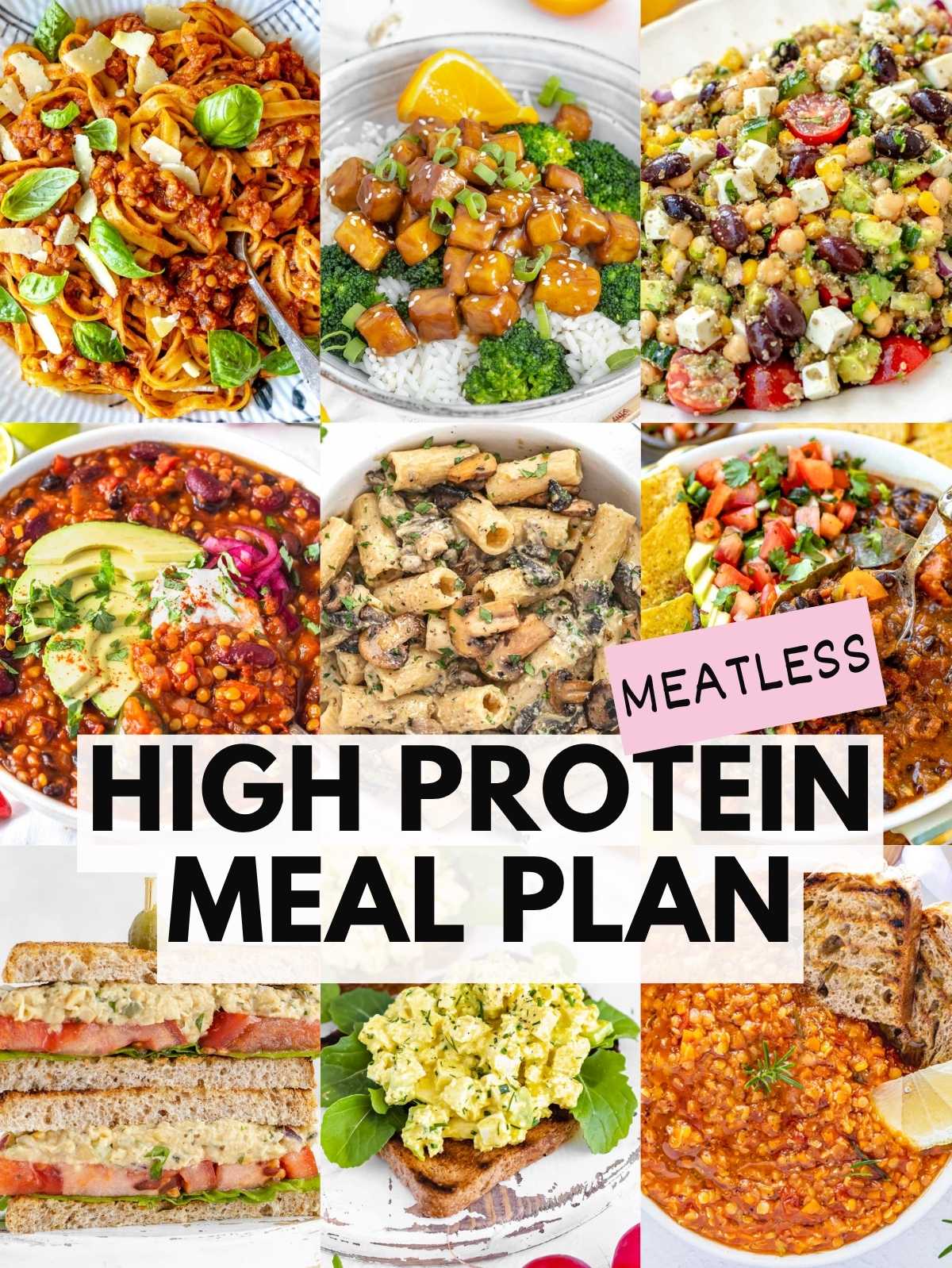
Credit: theplantbasedschool.com
Frequently Asked Questions
What Are The Best Vegan Protein Sources For Muscle Building?
Top vegan protein sources include lentils, chickpeas, tofu, tempeh, quinoa, and seitan. These provide essential amino acids to support muscle growth. Combining different plant proteins ensures complete nutrition and optimal muscle repair.
How Many Calories Should I Consume For Vegan Muscle Gain?
Aim for a calorie surplus of 250-500 calories above maintenance. This supports muscle growth while minimizing fat gain. Adjust based on activity level, metabolism, and progress to meet your goals effectively.
Can I Build Muscle On A Vegan Diet Without Supplements?
Yes, you can build muscle on a vegan diet without supplements. Focus on diverse, protein-rich whole foods. However, supplements like B12 and creatine may enhance performance and fill nutritional gaps.
How Often Should I Eat To Maximize Vegan Muscle Growth?
Eat 4-6 balanced meals daily to maintain energy and muscle repair. Frequent protein intake supports muscle synthesis. Include carbs, fats, and protein in each meal for best results.
Conclusion
Building muscle on a vegan diet is possible and healthy. Eating the right foods helps your muscles grow strong. Focus on protein from plants like beans, nuts, and tofu. Plan meals that give you energy and nutrients. Stay consistent with your eating and exercise.
Your body will thank you with better strength and health. Small steps each day lead to big results. Keep it simple, stay patient, and enjoy the process.







