
Are you looking for a simple, effective way to build muscle without bulky equipment? Resistance bands might be exactly what you need.
These lightweight, affordable tools can help you strengthen your muscles anytime, anywhere. Imagine getting a full workout that challenges your body, boosts your strength, and fits perfectly into your busy schedule. You’ll discover how to use resistance bands to maximize muscle growth, improve your form, and stay motivated.
Keep reading to unlock the secret to building muscle smarter and faster with resistance bands.
Benefits Of Resistance Bands
Resistance bands offer many benefits for building muscle. They provide a simple, effective way to strengthen your body. These bands suit all fitness levels and can boost your workouts. Their unique features make them an excellent choice for muscle growth and overall fitness.
Versatility And Portability
Resistance bands work for many exercises. You can target different muscle groups easily. Use them for strength training, stretching, or rehabilitation. They fit into small spaces and are easy to carry. Perfect for home workouts, gyms, or travel.
Joint-friendly Workouts
Resistance bands reduce stress on your joints. They provide smooth, controlled resistance during movement. This lowers the risk of injury or pain. Ideal for people with joint issues or beginners. They help build strength safely and effectively.
Cost-effectiveness
Resistance bands are affordable compared to gym machines. They offer great value for the price. One set can replace many bulky equipment pieces. Their durability means long-term use without extra costs. A smart investment for muscle building at home.

Credit: m.youtube.com
Types Of Resistance Bands
Resistance bands come in different shapes and styles, each designed to target your muscles in unique ways. Choosing the right type can change your workout experience and results. Let’s look at the common types so you can decide which fits your routine best.
Loop Bands
Loop bands are continuous circles made of thick rubber. They are perfect for lower body exercises like squats and leg lifts. I found that adding loop bands to my leg day really helped activate muscles I usually miss with weights alone.
They come in various resistance levels, so you can easily increase the challenge as you get stronger. Would you try loop bands for your next leg workout?
Tube Bands With Handles
Tube bands with handles give you a firm grip, making them ideal for upper body exercises. They mimic the feel of free weights while offering variable resistance. I use these for bicep curls and shoulder presses when I want a controlled movement without bulky equipment.
Handles make it easier to maintain proper form, especially if you’re new to resistance training. Could this be the missing piece in your arm workout?
Therapy Bands
Therapy bands are flat and thin, commonly used in rehabilitation and gentle strength training. They’re great if you’re recovering from injury or want to add light resistance to your stretches. I recommend them for beginners or anyone wanting to improve joint mobility.
Despite their gentle nature, these bands can still build muscle when used consistently. How often do you focus on controlled, slow movements in your workouts?
Figure-8 Bands
Figure-8 bands have a unique shape with handles on both ends connected by a shorter band. This design is great for targeting smaller muscle groups and adding resistance to arm and chest exercises. I noticed a real difference in my upper body tone when I included figure-8 bands in my routine.
They’re compact and easy to carry, perfect for quick workouts anywhere. Could figure-8 bands fit into your busy schedule?
Choosing The Right Resistance Level
Choosing the right resistance level for your bands is key to building muscle effectively. Picking a band that is too easy won’t challenge your muscles enough, while one that’s too hard can cause poor form or injury. Understanding the different resistance levels helps you tailor your workouts to your current strength and goals.
Light, Medium, And Heavy Bands
Resistance bands come in various levels, typically categorized as light, medium, and heavy. Light bands are great for beginners or for targeting smaller muscle groups like your shoulders or arms. Medium bands offer a balance, suitable for general strength training and muscle toning.
Heavy bands provide the most resistance and are ideal for building serious muscle mass or for advanced exercises. I started with medium bands myself and noticed steady gains before moving to heavier resistance. What level feels right for your current strength?
Matching Bands To Fitness Goals
Different fitness goals require different resistance levels. If your goal is muscle endurance or toning, lighter bands with higher repetitions work best. For muscle growth and strength, heavier bands with fewer reps push your muscles to adapt.
Think about what you want to achieve: Are you aiming for lean muscle or bulk? Adjust your resistance accordingly to avoid wasting effort on ineffective workouts. Have you tested which band challenges you just enough without sacrificing form?
Progressing With Resistance
Progression is essential for muscle growth, and increasing resistance gradually ensures steady improvement. Start with a band that feels challenging but manageable, then switch to a heavier band once you can easily complete your reps.
You can also increase reps or slow down your movement to make the exercise tougher without changing the band. I found tracking my progress helped me decide when to move up in resistance, keeping my muscles growing consistently. How will you know when it’s time to level up your bands?
Key Muscle Groups To Target
Targeting the right muscle groups is essential when using resistance bands to build muscle. Focusing on key areas ensures balanced strength and better results. Resistance bands offer versatile options to engage multiple muscles effectively.
Upper Body Muscles
Resistance bands work well for upper body training. They target muscles like the biceps, triceps, shoulders, and chest. Exercises such as banded rows, chest presses, and shoulder raises help build strength. These movements improve muscle tone and endurance.
Lower Body Muscles
The lower body benefits greatly from resistance band exercises. Bands activate muscles in the glutes, quads, hamstrings, and calves. Squats, leg lifts, and hip abductions with bands increase muscle power. Consistent training promotes better stability and muscle growth.
Core Strengthening
Core muscles stabilize the body during all movements. Resistance bands add challenge to core workouts. Exercises like seated twists, banded planks, and standing rotations engage abs and obliques. Strong core muscles improve posture and overall strength.
Effective Resistance Band Exercises
Effective resistance band exercises can transform your workout routine by adding versatile and targeted muscle-building moves. These exercises let you focus on specific muscle groups while providing constant tension through each motion. Whether you’re at home, in the gym, or traveling, resistance bands can help you stay strong and lean.
Chest And Back Moves
Push-ups with resistance bands add extra challenge to your chest muscles. Loop the band around your upper back and hold the ends under your hands as you perform push-ups. This increases resistance and builds strength more efficiently.
For your back, try seated rows with a band. Sit on the floor, legs extended, and wrap the band around your feet. Pull the band toward your torso, squeezing your shoulder blades together. This move strengthens your upper back and improves posture.
Arm And Shoulder Workouts
Bicep curls with bands offer a great way to tone your arms without weights. Stand on the band and curl your hands toward your shoulders, keeping elbows close to your sides. You can adjust the difficulty by shortening or lengthening the band.
Shoulder presses are simple yet effective. Step on the band, hold the ends at shoulder height, and press upward. This targets your deltoids and builds solid shoulder strength.
Leg And Glute Routines
Squats with resistance bands challenge your legs and glutes more than bodyweight squats. Place the band just above your knees and squat down, keeping tension on the band to activate your outer thighs.
Glute bridges with a band add resistance to your hip thrust. Wrap the band around your thighs above the knees, lie on your back, and lift hips while pushing knees outward. This targets your glutes and hamstrings effectively.
Core Stability Drills
Resistance bands can make core exercises harder and more rewarding. Try Russian twists by sitting on the floor, holding the band with both hands, and twisting your torso side to side. The band adds resistance to your obliques.
Plank with band pulls is another great move. Get into plank position and hold one end of the band with your hand, pulling it sideways while keeping your body stable. This challenges your core stability and control.
Which of these exercises fits best into your current routine? Experiment with different moves to find what pushes your limits and keeps you motivated.
Creating A Resistance Band Workout Plan
Building muscle with resistance bands requires more than just random exercises. A well-structured workout plan can make all the difference in your progress. Planning helps you stay consistent, avoid injury, and target the right muscles effectively.
Setting Training Frequency
Decide how many days a week you can realistically commit to your resistance band workouts. Training 3 to 4 times weekly is a solid starting point for muscle growth without overloading your body.
Think about your schedule and energy levels. Would shorter sessions more often work better, or longer workouts less frequently? Adjusting frequency based on how your body responds is key.
Balancing Muscle Groups
Don’t focus only on your favorite muscles. Creating balance prevents imbalances that can lead to injury or poor posture. Make sure your plan targets both upper and lower body, plus opposing muscle groups like chest and back.
- Include pushing and pulling exercises
- Work on legs, glutes, and core
- Vary resistance band tensions for different muscle groups
Have you noticed one muscle group feels stronger or more fatigued? Adjust the volume and intensity to give weaker areas more attention.
Incorporating Rest Days
Muscles need time to recover and grow. Skipping rest days can stall progress or cause burnout.
Schedule at least 1-2 rest days per week. Use these days for light activities like walking or stretching to keep blood flowing without straining muscles.
Listen to your body. If soreness lingers or energy dips, add more rest or reduce workout intensity. Your plan should be flexible enough to adapt to your recovery needs.
Tips For Proper Form And Safety
Using resistance bands to build muscle requires attention to form and safety. Proper technique helps prevent injury and improves workout results. Paying close attention to your body’s position and movement enhances effectiveness. Safety also means caring for your bands to keep them reliable and long-lasting. Follow these tips to make your resistance band workouts safe and productive.
Avoiding Common Mistakes
- Keep your core engaged to support your back during exercises.
- Control the movement; avoid snapping the band back quickly.
- Maintain a steady pace for consistent tension on muscles.
- Check your posture: shoulders back, chest lifted, and knees slightly bent.
- Do not overstretch the band beyond its limit to avoid injury.
- Focus on smooth, deliberate movements rather than speed.
Maintaining Band Integrity
- Inspect bands regularly for cracks or tears before use.
- Store bands away from direct sunlight and heat to prevent damage.
- Clean bands with mild soap and water; avoid harsh chemicals.
- Do not overstretch bands; follow manufacturer’s recommended resistance levels.
- Avoid contact with sharp objects that can puncture or cut bands.
- Replace bands immediately if you notice any wear or damage.
Warm-up And Cool-down Strategies
Start each session with a warm-up to prepare your muscles and joints. Simple dynamic stretches and light band exercises increase blood flow. This reduces the risk of injury and improves performance.
End your workout with a cool-down to relax muscles and reduce soreness. Gentle stretching and slow band movements help improve flexibility. Cooling down also aids in recovery and prevents stiffness.
Tracking Progress With Bands
Tracking your progress with resistance bands is crucial to see real muscle growth. Without keeping an eye on how you improve, it’s easy to lose motivation or miss signs that you need to change your routine. You want to know that your efforts are paying off and that you’re challenging your muscles enough to grow stronger.
Measuring Strength Gains
One simple way to measure strength gains is by noting how many reps you can do before your muscles feel tired. If last week you managed 10 bicep curls with your band and this week you hit 15, that’s clear progress. Pay attention to how your muscles feel during and after exercises; increased endurance often means you’re getting stronger.
Try testing your max reps with a certain resistance band every couple of weeks. This helps you track improvements and keeps workouts challenging. Have you noticed if certain moves feel easier now than they did when you started?
Adjusting Resistance Levels
Resistance bands come in different thicknesses, each offering varying tension. When your current band feels too easy, it’s time to switch to a thicker one or double up bands for more resistance. This keeps your muscles working hard and prevents plateaus.
Don’t hesitate to mix bands during your workout—for example, start with a lighter band for warm-ups and move to a heavier one for your main sets. How do you decide when to step up your resistance? Listen to your body’s feedback and push just enough to feel challenged but not overwhelmed.
Using Workout Logs
Keeping a workout log is a game changer. Write down exercises, reps, sets, and resistance levels each session. Over time, this record shows patterns and helps you spot when progress stalls.
Logging also motivates you to beat your previous best. You can use a simple notebook or apps designed for fitness tracking. What details have you found most helpful to note down during your band workouts?
Combining Bands With Other Training
Combining resistance bands with other training methods creates a balanced workout. It targets muscles in new ways and boosts strength gains. Mixing bands with free weights or cardio routines adds variety. This approach also helps prevent workout boredom and plateaus.
Resistance Bands And Free Weights
Using resistance bands alongside free weights increases muscle tension throughout exercises. Bands add constant resistance, while weights provide gravity-based load. This combo improves muscle activation and control. For example, wrap a band around dumbbells during curls. It challenges muscles more than weights alone.
Try pairing bands with squats or presses. Bands enhance stability and force muscles to work harder. This mix targets both concentric and eccentric muscle actions. It leads to better muscle growth and strength over time.
Bands For Rehabilitation
Resistance bands are gentle on joints and perfect for rehab exercises. They allow controlled, low-impact movements. Bands help rebuild muscle strength after injury. Physical therapists often use bands to improve range of motion and flexibility.
Bands come in various resistance levels. Start with light resistance and progress slowly. This approach reduces the risk of re-injury. Rehab with bands supports safe muscle recovery and better function.
Integrating Bands Into Hiit
High-Intensity Interval Training (HIIT) benefits from adding resistance bands. Bands increase workout intensity without heavy weights. Use bands during moves like jumping jacks or lunges. This adds resistance and challenges muscles more.
Band exercises in HIIT burn more calories and build muscle endurance. They keep the heart rate high while strengthening muscles. This combination improves fitness and muscle tone efficiently.

Credit: www.youtube.com
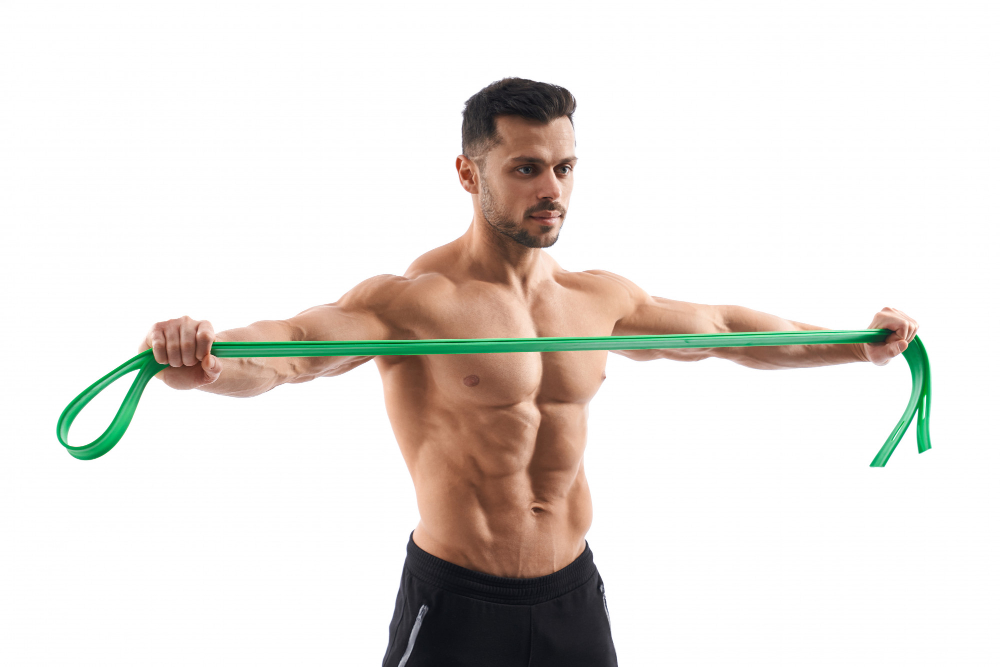
Credit: www.hitonefitness.com
Frequently Asked Questions
How Do Resistance Bands Build Muscle?
Resistance bands build muscle by providing consistent tension throughout movements. This engages multiple muscle fibers effectively. They offer variable resistance, which helps in muscle growth and strength. Bands are versatile, allowing for a wide range of exercises. They’re also ideal for targeting specific muscle groups, making them an excellent tool for muscle development.
Are Resistance Bands Effective For Muscle Growth?
Yes, resistance bands are effective for muscle growth. They provide progressive resistance, essential for muscle hypertrophy. Bands offer varied resistance levels, adapting to different fitness levels. They’re portable and suitable for full-body workouts. Consistent use can improve strength, endurance, and muscle definition, making them a valuable addition to any fitness routine.
What Exercises Can I Do With Resistance Bands?
You can do various exercises with resistance bands. Common exercises include squats, lunges, bicep curls, and chest presses. Bands are also great for shoulder exercises and core workouts. They allow for versatile movements, targeting different muscle groups. Resistance bands are adaptable, making them suitable for both beginners and advanced fitness enthusiasts.
Can Beginners Use Resistance Bands For Muscle Building?
Absolutely, beginners can use resistance bands for muscle building. They’re user-friendly and offer adjustable resistance. Bands help in learning correct form and technique. They provide a safe way to build strength without heavy weights. Beginners can gradually increase resistance as they progress, effectively supporting their muscle-building journey.
Conclusion
Resistance bands offer a simple way to build muscle anywhere. They suit all fitness levels and goals. You can adjust the tension to match your strength. Bands help improve muscle tone and flexibility at once. They are easy to carry and use at home or outside.
Consistent use leads to steady strength gains over time. Try adding bands to your workouts for variety. Small steps with bands bring real muscle growth. Keep going and enjoy the benefits of resistance training.







