
Are you looking to shake up your fitness routine and add some excitement to your workouts? Exercise classes might be just what you need to break free from the monotony and achieve your fitness goals.
With so many types of exercise classes available, you’re sure to find one that fits your interests and lifestyle. Whether you’re a fan of high-intensity cardio, calming yoga sessions, or something in between, there’s a class out there for you.
We’ll explore the different types of exercise classes and help you discover which one can transform your fitness journey. Get ready to dive into a world of fun, energy, and motivation!
Credit: www.goodrx.com
Cardio Classes
Cardio classes boost heart health and burn calories fast. They improve stamina and help maintain a healthy weight. These classes suit different fitness levels and offer fun, social workouts. Choose a style that fits your pace and interests.
Running And Cycling
Running and cycling classes focus on steady, rhythmic movement. Treadmills and stationary bikes provide a safe, controlled environment. These workouts build endurance and strengthen leg muscles. You can adjust speed and resistance to match your ability.
Dance-based Workouts
Dance classes combine fitness with rhythm and music. They improve coordination, balance, and flexibility. Movements vary from hip-hop to salsa or Zumba. These classes make exercise feel like a party, not a chore.
Hiit Sessions
High-Intensity Interval Training (HIIT) mixes short bursts of effort with rest. This style burns fat quickly and boosts metabolism. Workouts include jumping, sprinting, and bodyweight exercises. HIIT classes are time-efficient and challenge all fitness levels.
Strength Training Classes
Strength training classes build muscle and improve overall fitness. They focus on exercises that increase power and endurance. These classes suit all fitness levels and help tone the body.
Participants use different tools and techniques to challenge muscles. Strength training also boosts metabolism and supports healthy bones. It’s a key part of a balanced workout routine.
Weightlifting Basics
Weightlifting uses free weights or machines to work muscles. Common moves include squats, deadlifts, and bench presses. These exercises target major muscle groups for full-body strength.
Proper form is important to avoid injury and gain benefits. Classes teach how to lift safely and effectively. Beginners start with lighter weights and progress gradually.
Bodyweight Workouts
Bodyweight workouts use your own weight as resistance. Exercises like push-ups, lunges, and planks build strength without equipment. These workouts can be done anywhere, anytime.
They improve balance, flexibility, and muscle tone. Bodyweight exercises adapt easily to all fitness levels. They are great for building a strong foundation.
Resistance Band Exercises
Resistance bands add tension to exercises, enhancing muscle work. They are light, portable, and versatile tools. Bands come in different strengths for varied workouts.
Exercises include rows, bicep curls, and leg lifts. Resistance bands improve strength and joint stability. They help increase muscle tone without heavy weights.
Mind-body Classes
Mind-body classes offer a unique way to connect physical movement with mental focus. These classes not only improve your body’s strength and flexibility but also enhance your emotional well-being. If you want to reduce stress while staying active, these classes might be exactly what you need.
Yoga Styles
Yoga comes in many forms, each with its own pace and focus. Hatha yoga is gentle and great for beginners, while Vinyasa moves quickly, syncing breath with flowing movements. If you want to challenge your balance and strength, try Ashtanga or Power yoga.
Have you noticed how certain yoga styles leave you feeling more energized, while others calm your mind deeply? Choosing the right style can make a big difference in your overall experience and results.
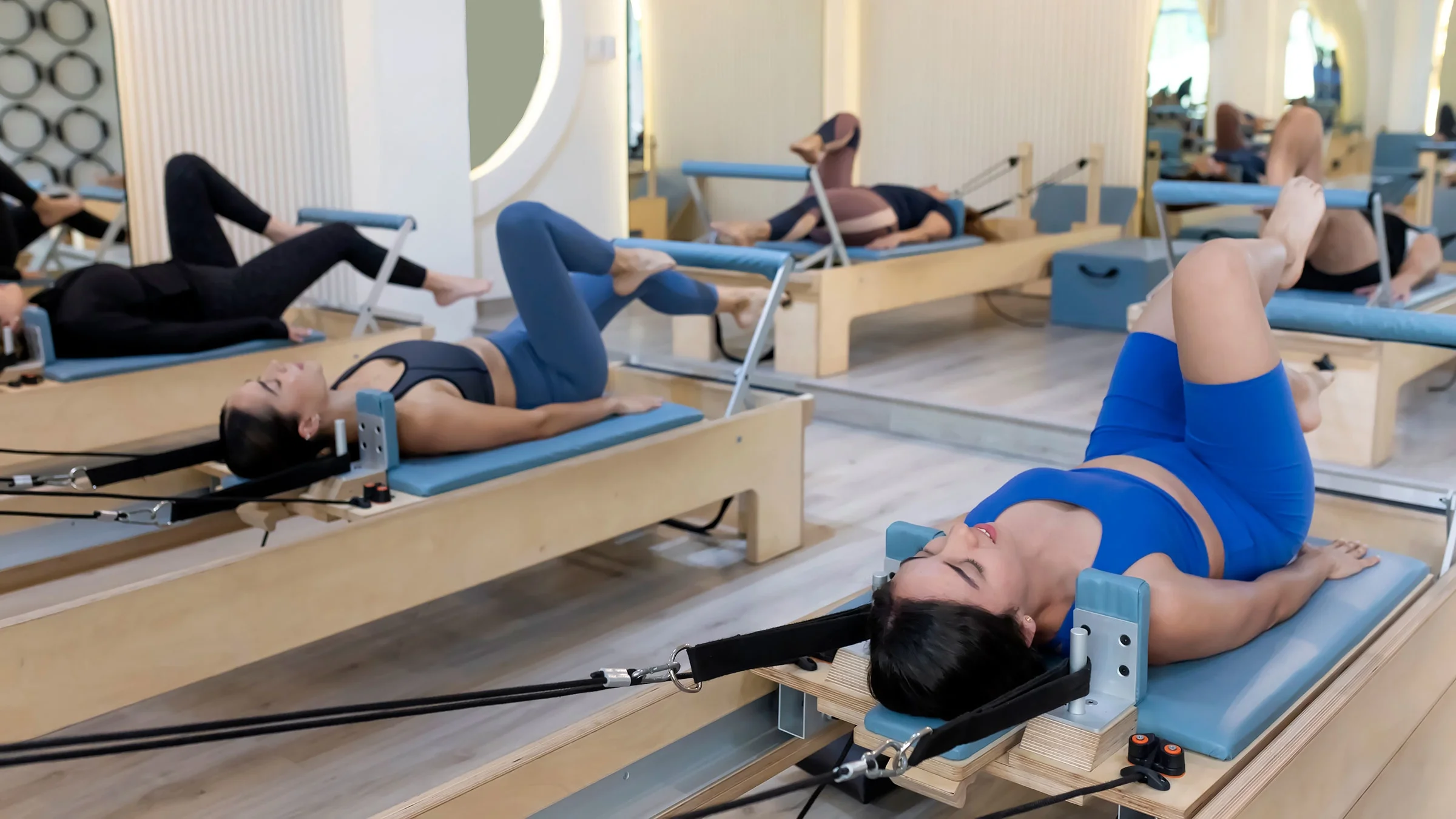
Pilates Benefits
Pilates focuses on core strength, posture, and controlled breathing. It’s excellent if you want to improve your alignment and reduce back pain. Many people find that Pilates helps them develop a stronger, more balanced body without high-impact moves.
What if a workout could improve your posture and ease daily aches? Pilates offers practical tools to achieve that, often with simple equipment or just a mat.
Meditation And Relaxation
Meditation classes teach techniques to calm your mind and reduce stress. You’ll learn how to focus your thoughts, control your breathing, and relax deeply. These skills can improve your sleep, concentration, and emotional balance.
Have you tried sitting quietly and noticed how your mind races? Meditation trains you to find stillness even when life feels overwhelming, making it a powerful complement to physical exercise.
Flexibility And Mobility
Flexibility and mobility are key parts of a healthy exercise routine. They help the body move freely and reduce injury risks. These classes focus on stretching muscles and improving joint movement. They also aid recovery after intense workouts. Improving flexibility and mobility can enhance daily activities and athletic performance.
Stretching Routines
Stretching routines target muscles to increase length and reduce tightness. These exercises can be static or dynamic. Static stretches hold a position for 20 to 30 seconds. Dynamic stretches involve movement and help warm up the body. Regular stretching improves posture and eases muscle stiffness. It also boosts blood flow to muscles, aiding recovery.
Mobility Drills
Mobility drills improve joint movement and control. These exercises focus on hips, shoulders, and spine. Controlled movements help increase the range of motion. Mobility drills can reduce pain and improve balance. They also prepare the body for more intense workouts. Practicing these drills regularly can prevent injuries and improve overall function.
Foam Rolling Techniques
Foam rolling is a self-massage technique that relieves muscle tension. It targets tight spots and improves blood circulation. Using a foam roller helps break down knots in muscles. This aids recovery and reduces soreness. Foam rolling increases tissue flexibility and supports better movement. It is a useful tool before and after exercise sessions.
Group Fitness Trends
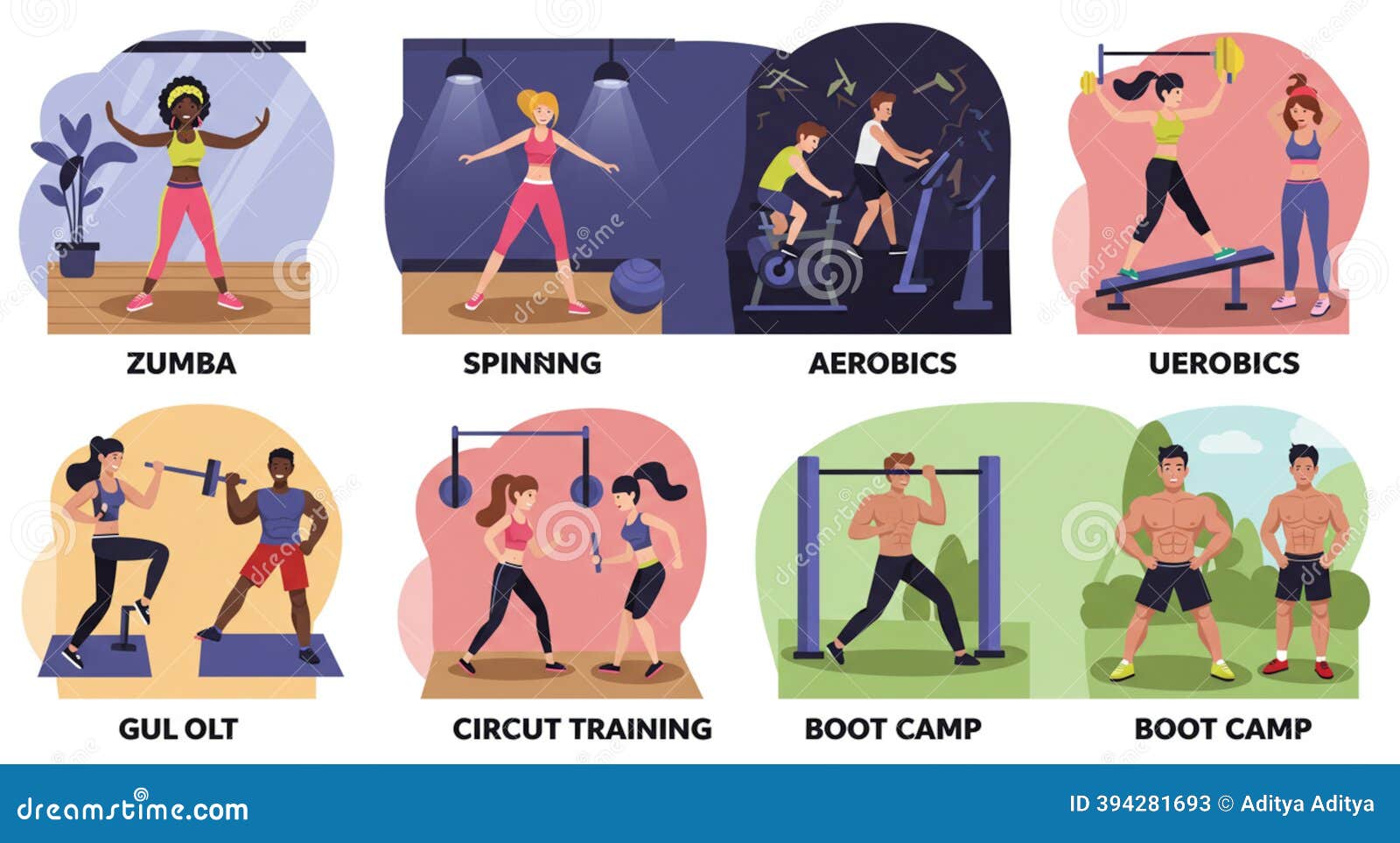
Group fitness classes have grown in popularity. They offer motivation and a sense of community. Many people enjoy exercising with others. Group workouts help keep energy high and push limits. Different trends meet various fitness goals and preferences.
Bootcamp Workouts
Bootcamp workouts combine cardio and strength training. These classes are fast-paced and intense. They use bodyweight exercises, weights, and running. Participants often work in groups or pairs. Bootcamp builds endurance, strength, and agility quickly.
Circuit Training
Circuit training involves moving through stations. Each station targets a different muscle group. Exercises last for a set time or reps. This style keeps the heart rate up. It is efficient for burning calories and improving fitness.
Functional Fitness
Functional fitness focuses on real-life movements. Exercises mimic daily activities like lifting and bending. This training improves balance, strength, and coordination. It helps prevent injuries and boosts overall mobility. Many classes use simple equipment like kettlebells or resistance bands.
Credit: www.dreamstime.com
Water-based Classes
Water-based exercise classes offer a unique way to stay fit. The water supports the body, reducing stress on joints. This makes these classes ideal for all ages and fitness levels. Water also adds resistance, increasing the workout’s intensity without harsh impact. These classes improve strength, flexibility, and cardiovascular health.
Aqua Aerobics
Aqua aerobics combines traditional aerobic moves with water resistance. The water slows down movements, making muscles work harder. This class is fun and social, often set to upbeat music. It improves endurance, balance, and coordination. Aqua aerobics is gentle on knees and hips, perfect for injury recovery.
Swimming Workouts
Swimming workouts focus on improving speed and stamina in the water. They include various strokes like freestyle, backstroke, and breaststroke. Swimming is a full-body workout that builds muscle and burns calories fast. It also enhances lung capacity and heart health. These workouts suit all fitness levels and ages.
Water Resistance Training
Water resistance training uses the natural force of water to strengthen muscles. Participants use water weights or their own body movements to create resistance. This training helps build muscle tone and improve joint flexibility. It is low-impact, reducing the risk of injury. Water resistance training is great for rehab and general fitness.
Specialized Classes
Specialized exercise classes cater to unique needs, making fitness accessible and effective for everyone. These classes focus on specific groups or goals, offering targeted workouts that improve results and reduce the risk of injury. Whether you’re expecting a baby, entering your golden years, or training for a sport, there’s a class designed just for you.
Prenatal Fitness
Pregnancy changes your body in many ways, so your workout should adapt too. Prenatal fitness classes focus on safe movements that strengthen your core, improve flexibility, and ease pregnancy-related discomfort.
These classes often include breathing techniques and gentle stretches that prepare you for labor. Have you ever noticed how tailored exercises can boost your energy and mood during pregnancy? That’s the power of a well-designed prenatal class.
Senior-friendly Workouts
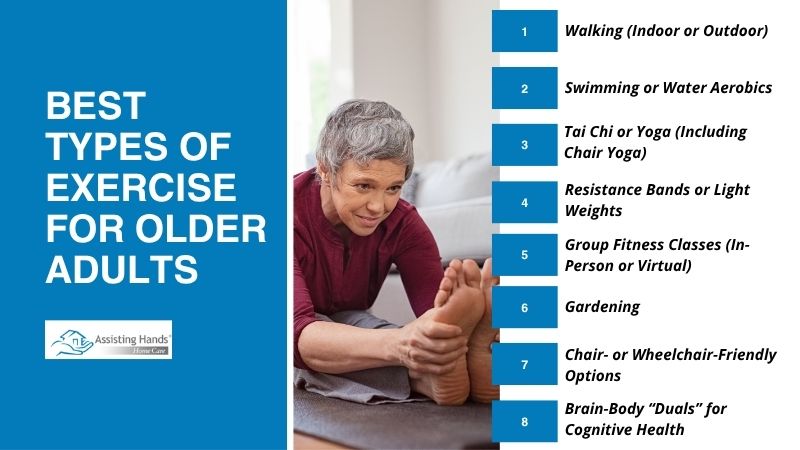
As you age, maintaining strength and balance becomes crucial. Senior-friendly workouts prioritize low-impact exercises that improve mobility and reduce fall risk.
Classes might include chair yoga, water aerobics, or gentle strength training. Think about how staying active can help you maintain independence—wouldn’t you want a workout that respects your body’s limits while pushing you just enough?
Sports-specific Training
If you play a sport, you know general fitness isn’t enough. Sports-specific training focuses on skills and muscle groups used in your game, improving your performance and reducing injuries.
These classes often combine agility drills, strength training, and endurance workouts tailored to sports like basketball, tennis, or soccer. Imagine how practicing the exact moves you need can sharpen your game and give you a competitive edge.
Choosing The Right Class
Choosing the right exercise class can make a huge difference in how motivated and successful you feel. It’s not just about picking the most popular or trendy option. You need to find a class that fits your goals, energy levels, and lifestyle. Let’s break down how to make a choice that works for you.
Assessing Fitness Goals
Start by asking yourself what you want to achieve. Are you aiming to build strength, improve flexibility, lose weight, or just stay active? Defining your goals clearly helps narrow down the options.
For example, if your goal is weight loss, high-intensity interval training (HIIT) or cardio classes might suit you. If you want to reduce stress and improve balance, yoga or Pilates could be a better match.
Think about what success looks like for you. What does your ideal outcome feel like after a few weeks of classes?
Matching Class Intensity
Different classes vary widely in intensity. Some push you to your limits, while others focus on gentle movements. Knowing your current fitness level is key.
If you’re new or returning after a break, starting with low to moderate intensity classes prevents burnout and injury. On the other hand, if you thrive on challenge, a fast-paced class can keep you engaged.
Listen to your body. How do you feel during and after exercise? The right intensity should leave you energized, not drained.
Considering Schedule And Preferences
Exercise is easier to stick with when it fits your daily routine. Look at the class times and see if they align with your work and family commitments.
Also, consider the class environment. Do you prefer a large group setting with music and energy, or a smaller, calmer space? Your comfort will affect how often you go back.
Have you ever skipped a workout just because the timing or vibe didn’t feel right? Choosing classes that match your lifestyle helps keep exercise enjoyable and consistent.
Credit: assistinghands.com
Frequently Asked Questions
What Are The Most Popular Types Of Exercise Classes?
Popular exercise classes include yoga, Pilates, spinning, HIIT, Zumba, and barre. Each class targets different fitness goals. They improve strength, flexibility, endurance, or cardiovascular health. Choosing depends on your fitness level and interests.
How Do Exercise Classes Benefit Mental Health?
Exercise classes reduce stress, anxiety, and depression symptoms. Group settings boost motivation and social connection. Physical activity releases endorphins, enhancing mood and focus. Regular participation supports overall mental well-being.
Which Exercise Class Is Best For Weight Loss?
HIIT and spinning classes burn high calories fast. They improve metabolism and cardiovascular fitness. Combining cardio and strength in classes helps maximize fat loss. Consistency and diet also play key roles in weight loss.
Are Beginner-friendly Exercise Classes Available?
Yes, many studios offer beginner-level classes. These focus on basic movements and slow pacing. Instructors provide modifications for all abilities. Starting with beginner classes helps build confidence and proper form safely.
Conclusion
Exercise classes offer many ways to stay active and healthy. You can choose from yoga, dance, strength training, and more. Each type helps your body in different ways. Try a few to find what fits you best. Regular exercise improves mood and energy.
It also helps keep your body strong. Remember, the best exercise is the one you enjoy. Keep moving and have fun with your workouts!







