
Are you ready to take your workouts to the next level? Dumbbells are one of the simplest, yet most powerful tools you can use to build strength, tone muscles, and boost your fitness.
But did you know there are many different types of dumbbell exercises that target every part of your body? Whether you want to sculpt your arms, strengthen your core, or improve your overall endurance, choosing the right exercises can make all the difference.
Keep reading to discover the best dumbbell moves that fit your goals and how you can easily add them to your routine for faster, better results. Your stronger, healthier self is just a few reps away!
Credit: betterme.world
Upper Body Dumbbell Exercises
Upper body dumbbell exercises offer a versatile way to build strength and tone muscles without needing bulky gym machines. You can target specific muscle groups with just a pair of dumbbells, making your workouts both efficient and effective. Have you ever noticed how a simple dumbbell routine can transform your posture and boost your confidence?
Chest Workouts
Dumbbell chest exercises help you develop the pectoral muscles while improving your range of motion. The classic dumbbell chest press allows for a deeper stretch compared to a barbell, which means better muscle activation.
- Dumbbell Chest Press:Lie on a bench or floor and press dumbbells upward, focusing on controlled movements.
- Dumbbell Flyes:Open your arms wide and bring them together above your chest to engage the muscle fibers differently.
Try adjusting the bench angle to hit different parts of your chest. Do you feel the difference when you switch from flat to incline presses?
Back Workouts
Strengthening your back with dumbbells can improve your posture and reduce the risk of injuries. Dumbbell rows are a staple here, targeting the lats, traps, and rhomboids.
- One-Arm Dumbbell Row:Support your body with one hand on a bench, pulling the dumbbell towards your hip.
- Renegade Rows:Combine a plank position with rowing, challenging your back and core simultaneously.
Adding a pause at the top of each row can make your muscles work harder. How long can you hold that squeeze before lowering the weight?
Shoulder Workouts
Dumbbells allow for a natural movement path that reduces stress on shoulder joints. This is essential if you want to build strong, injury-free shoulders.
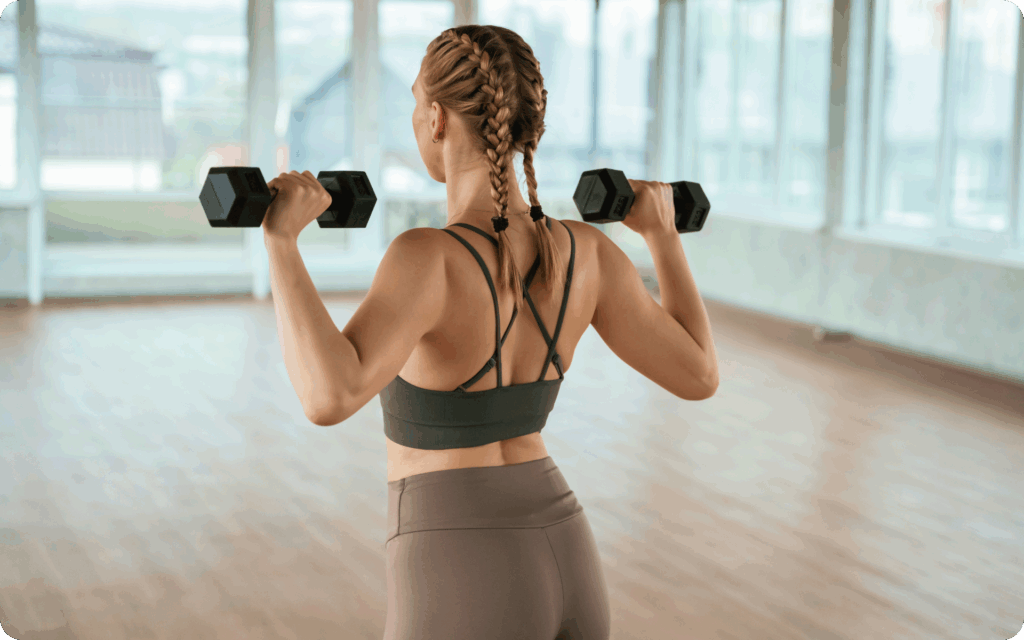
- Dumbbell Shoulder Press:Press weights overhead while keeping your core tight and back straight.
- Lateral Raises:Lift dumbbells to the side to sculpt your deltoids and improve shoulder width.
- Front Raises:Raise dumbbells straight in front to target the front deltoids.
Have you noticed how small increases in weight on these lifts can lead to big strength gains? Challenge yourself but keep control.
Arm Workouts
Building arm strength with dumbbells is straightforward and highly adaptable. You can isolate the biceps and triceps or combine movements for better efficiency.
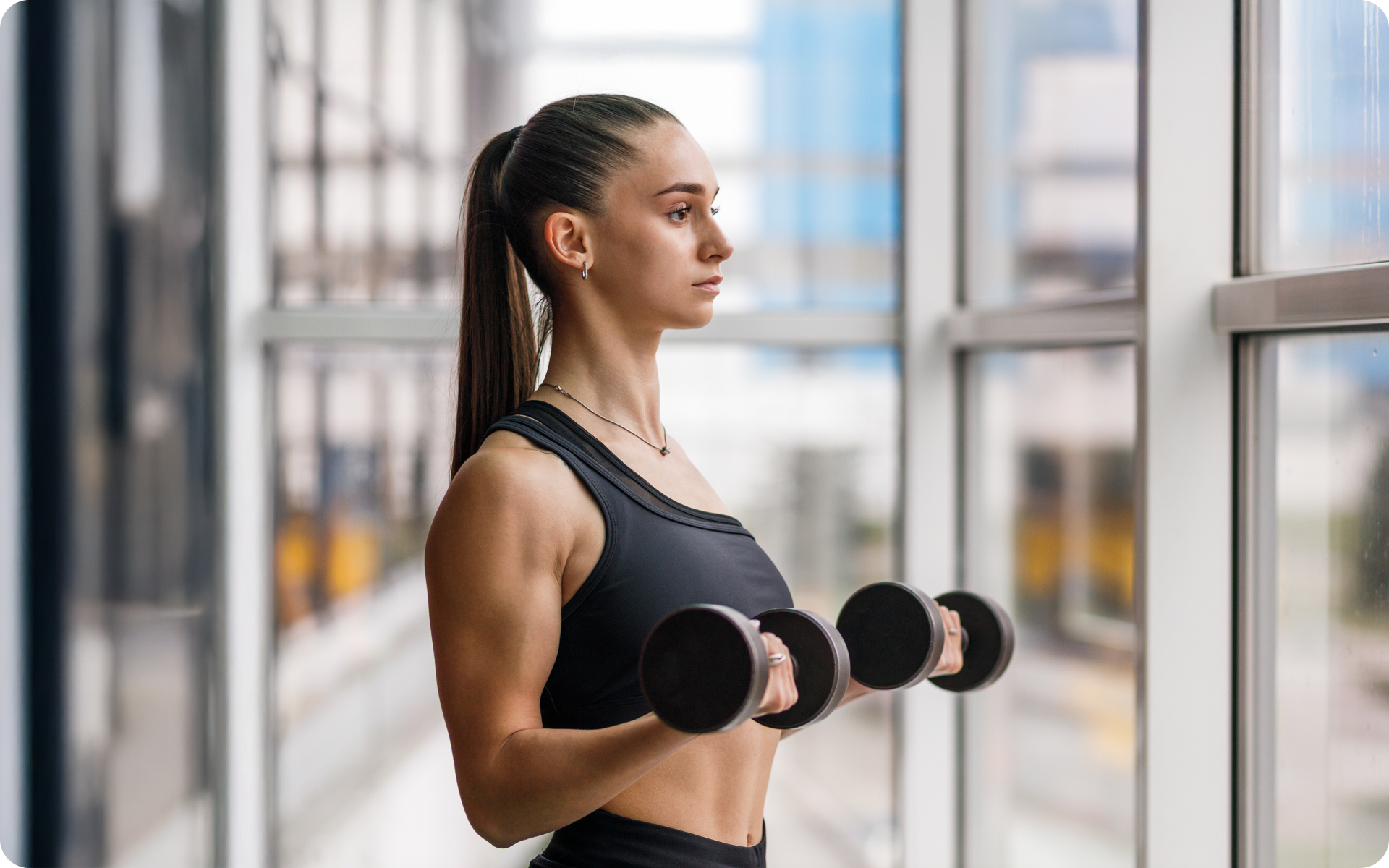
- Bicep Curls:Classic curls focus on the front of your arms, helping with lifting strength.
- Hammer Curls:Hold dumbbells with a neutral grip to hit different parts of the biceps and forearms.
- Tricep Kickbacks:Bend over slightly and extend your arms back to work the triceps.
- Overhead Tricep Extensions:Hold one dumbbell with both hands and extend it overhead for full tricep engagement.
Which arm exercise makes you feel the burn fastest? Focusing on form over speed will give you better results and fewer injuries.
Lower Body Dumbbell Exercises
Lower body dumbbell exercises build strength and improve balance. They target key muscle groups in the legs, glutes, and calves. Using dumbbells adds resistance, making workouts more effective.
Leg Workouts
Leg exercises with dumbbells help tone and strengthen muscles. Squats are a popular choice. Hold dumbbells by your sides and lower your body. Lunges also work well. Step forward while holding dumbbells and bend both knees. These moves boost muscle growth and improve endurance.
Glute Workouts
Dumbbells intensify glute exercises for better results. Try dumbbell hip thrusts. Place your upper back on a bench, hold a dumbbell on your hips, and lift your hips up. Another good option is the dumbbell deadlift. Keep dumbbells close and bend at the hips. These exercises lift and shape your glutes.
Calf Workouts
Calf muscles respond well to weighted exercises. Hold dumbbells and stand on the edge of a step. Raise your heels as high as possible, then lower them slowly. This move strengthens calves and improves ankle stability. It’s simple but effective for building muscle and endurance.
Core Dumbbell Exercises
Strengthening your core with dumbbells adds resistance that can transform basic moves into powerful workouts. The core supports nearly every movement you make, so building it up with targeted dumbbell exercises helps improve balance, posture, and overall strength. Let’s break down some effective dumbbell moves that focus on different parts of your core.
Abdominal Moves
Targeting your abs with dumbbells intensifies the workout and challenges your muscles more than bodyweight alone. Try weighted crunches by holding a dumbbell on your chest while lifting your upper body. This simple addition increases resistance and helps carve out your abdominal muscles faster.
Another effective move is the dumbbell sit-up. Holding a dumbbell overhead or on your chest, perform a full sit-up to engage the entire abdominal region. Have you noticed how just a small weight makes your abs work harder?
Oblique Moves
Obliques shape your waist and aid in rotational movements. Dumbbell side bends are a straightforward way to work these muscles. Hold a dumbbell in one hand and bend sideways, feeling the tension on your side. Switch sides after each set.
For a more dynamic exercise, try the Russian twist with a dumbbell. Sit on the floor, lean back slightly, hold the dumbbell with both hands, and twist your torso side to side. This move targets your obliques while also challenging your balance. How often do you add rotation to your core workouts?
Lower Back Moves
Strong lower back muscles are essential for a healthy core and injury prevention. Dumbbell deadlifts are perfect for this area. Keep your back straight and hinge at the hips while holding dumbbells, then stand back up using your lower back and glutes.
Another option is the dumbbell superman. Lie face down, hold a dumbbell in each hand, and lift your chest and legs off the ground. This move strengthens your lower back and improves posture. Do you include lower back work in your routine or tend to skip it?
Credit: betterme.world
Full-body Dumbbell Moves
Full-body dumbbell moves activate multiple muscles at once. They save time and increase workout efficiency. These exercises improve strength, balance, and coordination. Using dumbbells adds resistance and intensity to each movement. They work well for all fitness levels and goals.
Compound Exercises
Compound exercises involve several joints and muscle groups. These moves build strength across the entire body. Examples include dumbbell squats, deadlifts, and presses.
- Dumbbell Squat to Press:Targets legs, shoulders, and core.
- Dumbbell Deadlift:Engages hamstrings, glutes, back, and arms.
- Dumbbell Renegade Row:Works back, chest, arms, and core.
Compound moves burn more calories and improve functional strength. They help develop muscle balance and coordination.
Functional Training
Functional training mimics daily activities and movements. It trains muscles to work together efficiently. Dumbbell exercises in functional training improve real-life strength.
- Dumbbell Farmer’s Walk:Enhances grip, core, and leg strength.
- Dumbbell Woodchop:Builds rotational power and core stability.
- Dumbbell Step-Up:Strengthens legs and improves balance.
These exercises boost overall movement quality. They reduce injury risk and support daily tasks.
Tips For Dumbbell Workouts
Mastering dumbbell workouts isn’t just about lifting weights; it’s about lifting them right. Getting the most out of your dumbbell exercises depends on how you approach each session. Simple adjustments can make your workouts safer and more effective.
Proper Form
Good form protects you from injury and helps target the right muscles. Keep your movements controlled and avoid swinging the weights. For example, when doing bicep curls, keep your elbows close to your body and lift with your forearms only.
Have you noticed how a slight lean forward changes the feel of a dumbbell row? Small tweaks like that can enhance muscle engagement. If you’re unsure about your form, try filming yourself or ask a trainer for feedback.
Weight Selection
Choosing the right weight can be tricky but is key to progress. Pick a weight that challenges you but doesn’t force you to cheat on form. If you can easily do more than 12 reps, it’s time to increase the weight.
Start lighter when learning new exercises, then gradually add weight as your confidence grows. Think about your goals: heavier weights with fewer reps build strength, while lighter weights with more reps improve endurance.
Workout Frequency
How often you train with dumbbells affects your results. Aim for 2 to 4 sessions per week, giving muscles time to recover between workouts. Overdoing it can lead to fatigue and slow progress.
Listen to your body—if your muscles are sore beyond normal, add an extra rest day. Would you rather push through soreness or come back stronger after a break? Consistency matters more than intensity every single day.
Common Dumbbell Mistakes
Dumbbell workouts offer great benefits but come with common mistakes. These mistakes can limit progress and cause injuries. Knowing these errors helps you train smarter. Avoiding them improves your results and keeps you safe.
Overtraining
Training too often with dumbbells can tire your muscles. Muscles need time to rest and grow. Overtraining causes soreness and weakens your strength. It also increases the chance of injury. Plan rest days and listen to your body’s signals.
Incorrect Technique
Using wrong form reduces exercise benefits. It can also hurt your joints and muscles. Common errors include swinging weights or lifting too fast. Focus on slow, controlled movements. Watch yourself or get advice to maintain proper form.
Ignoring Warm-ups
Skipping warm-up can lead to muscle strains. Warm-ups prepare your body for lifting. They increase blood flow and improve flexibility. Spend 5 to 10 minutes warming up before dumbbell exercises. Simple stretches or light cardio work well.

Credit: sweat.com
Frequently Asked Questions
What Are Some Basic Dumbbell Exercises?
Basic dumbbell exercises include bicep curls, shoulder presses, and lunges. These exercises target major muscle groups. They’re great for beginners. Start with light weights. Gradually increase as you build strength. Consistency is key for effective results.
How Can Dumbbell Exercises Benefit My Fitness?
Dumbbell exercises improve muscle strength and endurance. They enhance balance and coordination. These exercises also support joint health. Incorporating them into your routine can boost overall fitness. They’re versatile and can be done at home or in the gym.
Are Dumbbell Exercises Effective For Weight Loss?
Yes, they can aid weight loss. Dumbbell exercises burn calories and build muscle. Increased muscle mass boosts metabolism. This helps in burning more calories even at rest. Combine with a balanced diet for optimal results.
Can I Do Dumbbell Exercises Every Day?
It’s not recommended to do them daily. Muscles need time to recover. Aim for 2-3 times a week. Rest days are crucial for muscle growth. Listen to your body and avoid overtraining. Balance with other forms of exercise for a well-rounded routine.
Conclusion
Dumbbell exercises help build strength and improve fitness. You can target many muscles with simple moves. Using dumbbells at home or gym fits any schedule. Change weights and exercises to keep workouts fresh. Small steps lead to big health benefits over time.
Stay consistent and enjoy how your body feels. Choose dumbbell exercises that match your goals and level. Keep it simple, stay active, and see progress.







