
Are you ready to take on the exhilarating challenge of a triathlon? Whether you’re a seasoned athlete or a beginner looking to push your limits, having a solid workout plan is your key to success.
Imagine crossing that finish line, feeling the rush of accomplishment and knowing that every drop of sweat was worth it. With a well-crafted triathlon workout plan, you can transform your fitness journey into a powerful, goal-crushing experience. This guide is designed just for you, to help you train smarter, stay motivated, and ultimately achieve your best performance ever.
Dive in and discover how you can make your triathlon dreams a reality.
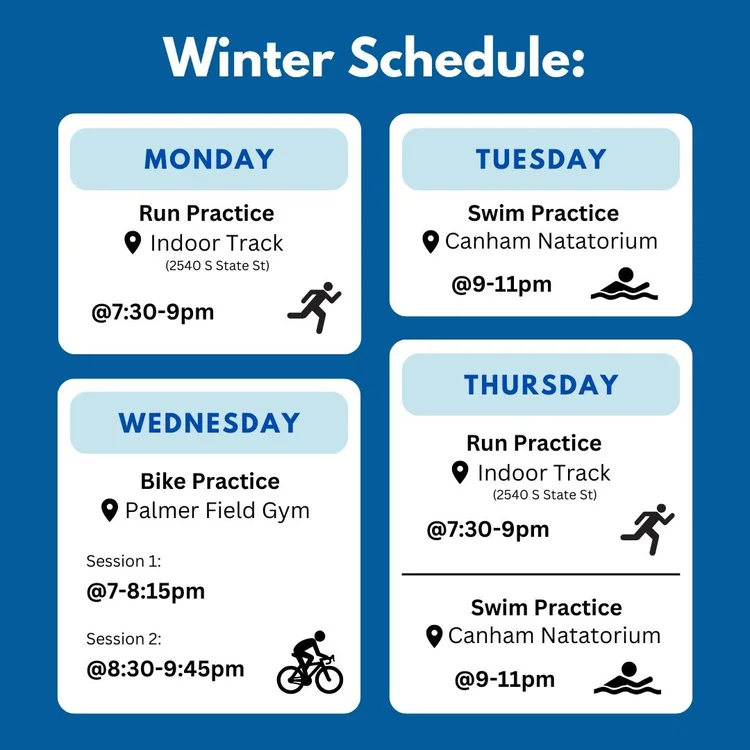
Credit: michigantriathlon.org
Setting Triathlon Goals
Setting clear triathlon goals is the foundation of any successful training plan. Without specific targets, your workouts can feel aimless and less motivating. Defining what you want to achieve helps you stay focused, measure progress, and adjust your efforts along the way.
Choosing Your Race Distance
Triathlons come in various distances—from sprint to Ironman—and each demands different levels of training. Pick a race distance that fits your current lifestyle and time commitment. If you’re new, starting with a sprint triathlon can build confidence and prevent burnout.
Consider what excites you about the race. Is it the thrill of a fast sprint or the endurance challenge of a longer course? Your choice should match your personal interests and what you can realistically prepare for.
Assessing Current Fitness Levels
Before setting goals, honestly evaluate where your fitness stands. Can you comfortably swim, bike, and run for a few minutes, or do you need to build basic endurance first? Knowing your starting point prevents setting goals that are too easy or unrealistically tough.
Track your times and distances in each discipline over a week. This data shows where you need the most work and highlights your strengths. It’s easier to improve when you focus on weak spots rather than spreading yourself thin.
Establishing Realistic Milestones
Break your ultimate race goal into smaller, manageable milestones. These checkpoints help you stay motivated and celebrate progress. For example, aim to swim 500 meters without stopping before increasing distance.
Set deadlines for each milestone based on your schedule and fitness. Adjust as needed—if you hit a milestone early, push further; if not, reassess and modify your plan. What small win can you target this week that moves you closer to race day?
Building A Weekly Training Schedule
Building a weekly training schedule for your triathlon is the backbone of consistent progress. It helps you manage your time and energy while developing skills across swimming, biking, and running. Crafting a balanced plan that fits your lifestyle and goals can make the difference between burnout and breakthrough.
Balancing Swim, Bike, And Run Sessions
Each discipline demands unique energy and technique, so your schedule should reflect that. Swim workouts often focus on technique and endurance, so they can be shorter but more frequent. Bike sessions tend to cover longer distances and build aerobic capacity, while runs improve speed and leg strength.
Try mixing the intensity across days—for example:
- Monday: Easy swim focusing on drills
- Tuesday: Intense bike intervals
- Wednesday: Recovery run
- Thursday: Swim endurance session
- Friday: Tempo run
- Saturday: Long bike ride
- Sunday: Rest or light swim
Are you giving equal attention to your weakest discipline? Shifting focus there can boost your overall performance.
Incorporating Rest And Recovery
Rest days aren’t just breaks; they are when your body repairs and grows stronger. Skipping recovery can lead to injury and fatigue, derailing your progress. Plan at least one full rest day and consider active recovery like gentle yoga or walking.
Listen to your body’s signals. If you feel unusually tired or sore, reduce your intensity or swap a hard session for an easy one. How often do you pause to assess your energy levels during training?
Adjusting Volume And Intensity
Volume means how much you train, while intensity refers to how hard you push yourself. Both need tweaking based on your goals, fitness level, and upcoming races. Start with moderate volume and intensity, then gradually increase to avoid burnout.
Use tools like heart rate zones or perceived effort to guide your workouts. For example, alternate hard days with easy days to maintain balance. What signs tell you it’s time to ramp up or dial back your training?
Swim Workouts For Endurance
Building endurance in swimming is key for triathlon success. Endurance swim workouts help you sustain steady speed over long distances. These workouts combine skill, speed, and stamina training. Focus on efficient technique and controlled breathing to swim longer with less effort. Structured sessions boost your confidence and race readiness.
Technique Drills To Improve Efficiency
Good technique reduces drag and saves energy. Practice drills that focus on body position, arm movement, and breathing. Try these drills:
- Catch-up drill to time your strokes better
- Finger drag drill to improve hand entry
- Side kicking drill to enhance balance and breathing
- Sculling drill to feel water and improve propulsion
Regular technique work makes your stroke smoother and faster. It also helps prevent injuries.
Interval Training For Speed
Intervals improve your pace and build aerobic power. Swim short, fast sets with rest in between. For example:
- 8 x 100 meters at race pace with 20 seconds rest
- 10 x 50 meters fast with 15 seconds rest
- 4 x 200 meters steady with 30 seconds rest
Push yourself during intervals, but maintain good form. This trains your muscles to perform under fatigue.
Long-distance Swim Sessions
Long swims build stamina and mental toughness. Aim for continuous swims of 1500 meters or more. Keep a steady, comfortable pace. Use these tips:
- Focus on smooth, even strokes
- Breathe rhythmically and calmly
- Practice sighting to stay on course
- Break the distance into smaller goals
Consistent long-distance swims prepare your body for race day demands.
Bike Training Strategies
Bike training is a cornerstone of any effective triathlon workout plan. It challenges your endurance, builds leg strength, and sharpens your cycling technique. Focusing on targeted strategies can help you ride smarter, not just harder.
Developing Steady-state Rides
Steady-state rides are your foundation. These sessions keep your heart rate in a moderate zone for a sustained period, usually 45 minutes to two hours. They improve your aerobic capacity, helping you maintain a consistent pace during race day.
Try to pick a flat route where you can focus on maintaining a smooth cadence. Notice how your body feels when you hold that steady effort—are you relaxed, or do your muscles tense up? Adjust your position or breathing to stay comfortable.
Hill Repeats And Strength Building
Hill repeats are a powerful way to build leg strength and boost power. Find a hill that takes about 2–5 minutes to climb. Sprint or push hard uphill, then recover on the way down.
Hill training teaches your muscles to handle resistance, which translates to faster rides on flat terrain. It’s tough, but think about how conquering a tough climb makes you feel unstoppable. What hills near you could become your training ground?
Incorporating Brick Workouts
Brick workouts combine cycling with running immediately afterward. This transition is critical since your legs feel heavy and strange when switching from bike to run. Practicing bricks helps your body adapt to this challenge.
Start with a short bike ride followed by a brief run, gradually increasing distance as you get comfortable. You’ll improve your transition speed and reduce the risk of cramps or stiffness. How quickly do you recover when switching sports? Testing this can reveal your readiness.
Run Sessions To Boost Stamina
Running builds the foundation for triathlon stamina. It improves heart strength, lung capacity, and leg endurance. Structured run sessions help prepare your body for race demands. Different types of runs target specific fitness areas. Including varied runs in your plan boosts overall stamina efficiently.
Tempo And Interval Runs
Tempo runs push your pace just below your comfort zone. They train your body to sustain faster speeds for longer. Interval runs mix short bursts of fast running with rest periods. This improves your speed and recovery ability. Both runs increase your lactate threshold, delaying fatigue.
Long Slow Distance Runs
Long slow runs build aerobic endurance by running at a steady, easy pace. They teach your body to burn fat for energy. These runs increase muscle strength and improve blood flow. Running longer distances also enhances mental toughness. This helps keep you steady during long races.
Transition Run Practice
Transition runs simulate the bike-to-run phase of a triathlon. They help your legs adjust from cycling to running. Practice running immediately after cycling to reduce stiffness and discomfort. These sessions improve your overall race performance and confidence. Regular transition runs make race day smoother.

Credit: settingthepacenj.com
Strength And Flexibility Training
Strength and flexibility training play a crucial role in a triathlon workout plan. Building muscle power helps you push through tough bike climbs and strong swim strokes, while flexibility keeps your body agile and less prone to injuries. Balancing these two elements ensures you stay strong and mobile throughout your training and race day.
Core Exercises For Stability
Your core is the foundation of every movement during a triathlon. A strong core stabilizes your body, improving efficiency in swimming, cycling, and running. Try exercises like planks, Russian twists, and bird dogs to build this essential strength.
During my training, adding 10 minutes of core work daily helped me maintain better form, especially in the later stages of the race. Have you noticed how a weak core can leave you feeling wobbly or off-balance?
Resistance Training For Power
Resistance training focuses on building muscle strength and endurance. Use free weights, resistance bands, or bodyweight exercises such as squats, lunges, and push-ups. These exercises boost your power for uphill cycling and strong swim pulls.
Don’t forget to train both your upper and lower body; triathlon demands full-body strength. I found that targeting specific muscle groups helped me avoid fatigue and maintain speed longer. What muscles do you feel tire first during your workouts?
Stretching And Mobility Routines
Regular stretching improves flexibility and range of motion, reducing the chance of injury. Include dynamic stretches before workouts and static stretches after to keep your muscles supple. Focus on areas like hamstrings, calves, shoulders, and hips.
Adding yoga sessions twice a week made a noticeable difference in my recovery and muscle soreness. How often do you dedicate time to stretch or work on mobility?
Nutrition Tips For Endurance
Nutrition plays a key role in endurance training for triathletes. Eating the right foods helps maintain energy and improves performance. Proper nutrition also supports faster recovery and reduces fatigue. Small changes in diet can make a big difference during workouts and races.
Pre-workout Fueling
Eating before exercise gives your body energy. Choose foods rich in carbohydrates and low in fat. This helps digest food easily and provides quick fuel. Examples include:
- A banana with peanut butter
- Oatmeal with honey
- A slice of whole-grain bread with jam
Eat 30 to 60 minutes before training. Avoid heavy meals that cause discomfort.
Hydration Strategies
Water is essential for endurance. Drink fluids before, during, and after exercise. Start hydrating early to prevent dehydration. Sports drinks can replace lost electrolytes on longer sessions. Tips include:
- Drink 16 to 20 ounces two hours before workout
- Take small sips every 15 to 20 minutes during exercise
- Choose drinks with sodium and potassium for long workouts
Post-workout Recovery Meals
Recovery meals restore energy and repair muscles. Eat within 30 minutes after training for best results. Include a mix of carbohydrates and protein. Good choices are:
- Greek yogurt with fruit
- Chicken sandwich on whole grain bread
- Protein smoothie with berries and spinach
Stay hydrated after exercise to support recovery.
Tracking Progress And Adjustments
Tracking your progress and making adjustments are key to a successful triathlon workout plan. It helps you stay on course and improve steadily. Monitoring your training lets you spot strengths and weaknesses. It also prevents burnout and injury. Adapting your plan keeps your workouts effective and enjoyable.
Using Training Logs And Apps
Training logs and apps record your workouts in detail. They track distance, time, heart rate, and calories burned. Many apps provide graphs and summaries to show your progress. Some apps allow you to set goals and remind you to train. Using these tools helps you see improvements clearly and stay motivated.
Listening To Your Body
Your body sends signals about how well you handle training. Fatigue, soreness, and mood changes are important signs. Ignoring pain can cause injuries and slow progress. Rest days are as crucial as workout days. Pay attention to energy levels and sleep quality. Adjust training intensity based on how you feel.
Modifying Plans Based On Feedback
Feedback from logs and your body guides plan changes. If progress stalls, tweak workout intensity or volume. Increase rest if feeling overly tired. Add variety to avoid boredom and plateaus. Adjustments keep training balanced and effective. Flexibility in your plan leads to long-term success.
Race Day Preparation
Preparing for race day is about more than just physical readiness. Your body and mind must align perfectly to perform your best. The hours and days before the triathlon can make or break your experience, so focus on smart preparation to set yourself up for success.
Tapering Strategies
Tapering reduces your training volume to help your body recover and gain strength before race day. You don’t want to stop training completely; instead, cut back on intensity and duration gradually over 7 to 10 days.
Pay attention to how your body feels—if you’re restless or anxious, a light swim or easy bike ride can help. Avoid trying to make up for lost training by pushing hard in the last few days; this can cause fatigue or injury.
Think about your own energy levels: Are you feeling fresh or sluggish? Adjust your taper accordingly to feel sharp and ready.
Gear And Equipment Checklist
- Triathlon suit:Comfortable, quick-drying, and tested during training.
- Bike and helmet:Fully tuned, tires inflated, brakes checked.
- Running shoes:Broken in but not worn out.
- Swim goggles and cap:Clear lenses for open water or tinted for sunny conditions.
- Nutrition:Energy gels, electrolyte drinks, and any race-day snacks you’ve practiced with.
- Race bib and timing chip:Secure and easily accessible.
Double-check your gear the day before and pack extras where possible. Have you ever forgotten a small item that disrupted your race? Avoid that by preparing a checklist and laying everything out early.
Mental Readiness Techniques
Your mindset influences how you handle race stress and unexpected challenges. Visualize the course and imagine yourself moving smoothly through each segment.
Practice deep breathing or mindfulness to calm nerves and stay focused. If negative thoughts creep in, replace them with positive affirmations like “I am prepared” or “I can handle this.”
Ask yourself what motivates you—remembering your reasons for racing can fuel your determination during tough moments.
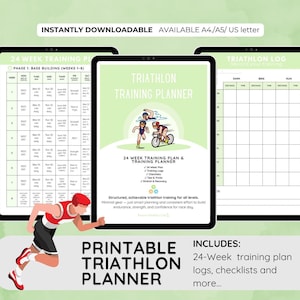
Credit: www.etsy.com
Frequently Asked Questions
What Is The Best Triathlon Workout Plan For Beginners?
A beginner triathlon workout plan should include swimming, cycling, and running sessions. Start with low intensity and gradually increase duration. Incorporate rest days for recovery. Focus on building endurance and technique. Consistency and balanced training are key to success.
How Many Days Per Week Should I Train For A Triathlon?
Training 4 to 6 days per week is ideal for triathlon preparation. Balance workouts among swimming, cycling, and running. Include rest or active recovery days to avoid burnout. Adjust training intensity based on your fitness level and race goals.
What Are Essential Workouts In A Triathlon Training Plan?
Essential triathlon workouts include endurance swims, long bike rides, and tempo runs. Brick workouts combining cycling and running improve race transitions. Strength training and flexibility exercises support injury prevention and overall performance.
How Long Should Each Triathlon Training Session Last?
Training sessions typically last 45 minutes to 2 hours, depending on the workout type. Endurance sessions are longer, while speed or technique workouts are shorter. Gradually increase session length as your fitness improves.
Conclusion
Following a triathlon workout plan helps build strength and stamina. Train regularly to improve swimming, biking, and running skills. Rest days are important for your body to recover. Track your progress to stay motivated and focused. Stay consistent, and your endurance will grow over time.
Enjoy the journey and celebrate small wins. Triathlon training is about patience and steady effort. Keep pushing forward, and you will reach your goals.







