
Are you ready to transform your fitness routine and achieve the results you’ve always wanted? Whether you’re a seasoned athlete or just starting out, finding the right path to fitness can feel overwhelming.
With countless tips, tricks, and trends out there, how do you know where to begin? In this guide, you’ll discover simple yet powerful tips to boost your fitness journey and help you reach your goals faster. Imagine feeling more energized, confident, and healthy every day.
That’s exactly what you can achieve with the right strategies. So, if you’re eager to unlock your full potential and make fitness a rewarding part of your life, keep reading. These tips are tailored just for you, and they might just be the game-changer you’ve been searching for. Let’s dive in and turn your fitness dreams into reality!

Credit: kahma247shepp.com.au
Effective Workout Strategies
Effective workout strategies help you reach fitness goals faster. Choosing the right exercises keeps your routine fresh and effective. It improves strength, endurance, and flexibility. Consistency and variety in workouts prevent boredom and plateaus.
High-intensity Interval Training
High-Intensity Interval Training (HIIT) mixes short bursts of intense exercise with rest periods. It boosts metabolism and burns more calories in less time. This training improves cardiovascular health and endurance quickly. It fits well into busy schedules and keeps workouts exciting.
Strength Training Benefits
Strength training builds muscle and strengthens bones. It increases metabolism, helping you burn fat even at rest. Strong muscles improve posture and reduce injury risk. Using weights or bodyweight exercises can create lasting fitness gains.
Cardio For Fat Loss
Cardio exercises like running, cycling, and swimming burn calories efficiently. They improve heart and lung function. Consistent cardio helps reduce body fat and increase energy. Aim for moderate intensity to sustain activity longer and enjoy benefits.
Flexibility And Mobility
Flexibility and mobility exercises improve joint movement and muscle elasticity. Stretching and yoga reduce stiffness and soreness. Better flexibility helps prevent injuries and enhances workout performance. Regular practice supports overall body health and balance.
Nutrition For Fitness
Nutrition plays a crucial role in boosting your fitness journey. Eating the right foods fuels your workouts and helps your body recover faster. Paying attention to what and when you eat can dramatically improve your energy and results.
Balanced Macronutrients
Your body needs a mix of carbohydrates, proteins, and fats to perform well. Carbs are your main energy source, especially during intense workouts. Protein helps repair muscles and supports growth, while healthy fats keep your hormones balanced and provide long-lasting energy.
Try to include all three in every meal. For example, a grilled chicken salad with avocado and quinoa covers all your bases. Are you paying enough attention to the quality and balance of your macronutrients daily?
Hydration Tips
Water is often overlooked but essential for fitness. Staying hydrated improves your strength, endurance, and focus. Even mild dehydration can lead to fatigue and poor performance.
Drink water steadily throughout the day, not just during workouts. Adding a pinch of salt or drinking coconut water can help replace electrolytes lost through sweat. How much water do you drink before, during, and after exercise?
Meal Timing And Frequency
When you eat can be as important as what you eat. Having a small meal or snack 30-60 minutes before exercise can boost your energy levels. Post-workout meals rich in protein and carbs help your muscles recover and reduce soreness.
Eating smaller, frequent meals can keep your metabolism active and prevent energy crashes. If you skip meals or wait too long, your body might hold onto fat or lose muscle. Have you noticed how your meal timing affects your workout energy?
Supplements To Consider
Supplements can support your nutrition but aren’t a replacement for real food. Protein powders help if you struggle to meet your protein needs. Creatine can improve strength and power during workouts.
Omega-3 fatty acids support joint health and reduce inflammation. Always check the quality and safety of supplements before using them. What supplements have you tried, and how did they impact your fitness?
Building Consistency
Building consistency is key to long-term fitness success. It helps your body adapt and grow stronger. Without regular effort, progress slows down or stops. Staying consistent creates habits that make exercise part of daily life.
Small, steady steps lead to lasting results. Consistency beats intensity over time. It also reduces injury risk and burnout. The focus stays on progress, not perfection.
Setting Realistic Goals
Goals guide your fitness journey and keep you focused. Choose goals that fit your current ability and schedule. Unrealistic goals cause frustration and quit attempts.
- Set clear, simple goals like “walk 30 minutes daily.”
- Break big goals into smaller, easy steps.
- Adjust goals as you improve or face challenges.
Tracking Progress
Tracking shows your effort and growth. It keeps you honest and motivated. Use a notebook, app, or calendar to log workouts.
- Record exercises, time, and how you feel.
- Review progress weekly to see improvements.
- Celebrate small wins to boost confidence.
Overcoming Plateaus
Plateaus happen when progress stalls. Your body adapts and stops improving. Change your routine to break the plateau.
- Try different exercises or increase intensity.
- Take rest days to recover fully.
- Focus on form to maximize workout benefits.
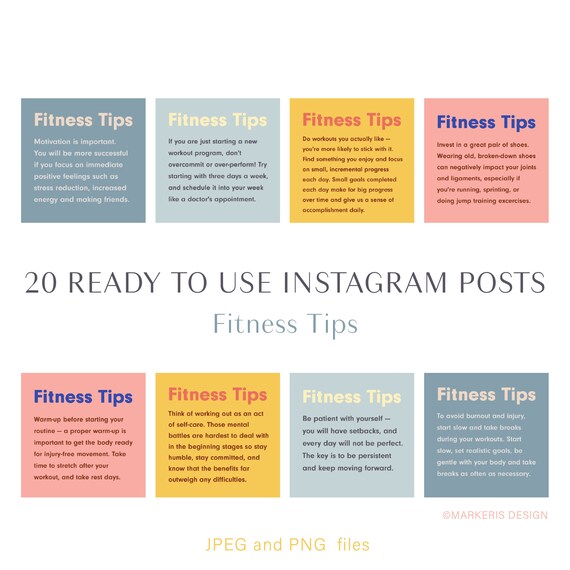
Staying Motivated
Motivation fuels consistent effort. Find personal reasons to stay active. Mix workouts to keep things interesting.
- Work out with friends or join groups.
- Reward yourself for reaching milestones.
- Visualize how fitness improves your life.
Credit: www.etsy.com
Rest And Recovery
Rest and recovery are often overlooked in fitness routines, yet they are just as important as the workouts themselves. Giving your body time to repair helps you build strength, prevent burnout, and stay motivated. Are you allowing enough time for rest, or are you pushing yourself too hard?
Importance Of Sleep
Sleep is the foundation of recovery. During deep sleep, your body releases growth hormones that repair muscles and tissues. Aim for 7-9 hours of quality sleep each night to maximize your fitness gains.
Missing out on sleep can leave you feeling sluggish and increase your risk of injury. Try to keep a consistent sleep schedule, even on weekends. You’ll notice better energy and focus during workouts.
Active Recovery Techniques
Active recovery means moving your body gently on rest days to boost blood flow and reduce soreness. Activities like walking, swimming, or yoga can help you recover without strain.
These light exercises prevent stiffness and keep your muscles engaged. Have you tried stretching or foam rolling after workouts? They can make a big difference in how your body feels the next day.
Preventing Injuries
Ignoring rest increases the chance of injuries like strains and stress fractures. Give your muscles time to heal and avoid pushing through pain. Listen to your body’s signals—pain is a warning, not a challenge.
Using proper form and gradually increasing workout intensity also protects you. Have you ever had to stop your routine due to injury? Taking recovery seriously can keep you on track and injury-free.
Stress Management
Physical stress from workouts combines with mental stress, affecting your recovery. Managing stress with techniques like meditation or deep breathing can improve your overall results.
When you reduce stress, your body heals faster and you feel more motivated. What small changes can you make to lower stress in your daily life? Try adding a few minutes of mindfulness to your routine and see how it impacts your fitness journey.
Lifestyle Habits For Lasting Fitness
Building lasting fitness goes beyond workouts and diets. It involves daily choices that shape your health and energy. Small habits, done consistently, create strong foundations for fitness. These lifestyle habits support your body and mind to stay active and healthy over time.
Incorporating Activity Daily
Move your body every day. Simple actions add up quickly. Walk instead of drive for short trips. Take stairs instead of elevators. Stretch during breaks to keep muscles loose. Choose activities you enjoy to stay motivated.
Mindset And Discipline
Stay focused on your goals. Remind yourself why fitness matters. Create routines that fit your schedule. Be patient with progress. Accept setbacks as part of the journey. Discipline keeps you going when motivation fades.
Social Support Systems
Connect with others who share your goals. Join groups or classes to stay inspired. Share your achievements and challenges. Support from friends and family boosts commitment. Accountability makes it easier to keep habits.
Avoiding Common Pitfalls
Watch out for unrealistic goals. Avoid skipping rest days; recovery is vital. Don’t rely on quick fixes or fad diets. Manage stress to prevent burnout. Listen to your body to avoid injuries.

Credit: www.freepik.com
Frequently Asked Questions
What Are The Best Daily Habits For Fitness?
Daily habits like drinking water, balanced meals, and consistent exercise boost fitness. Prioritize sleep and avoid stress for better results.
How Can Beginners Start A Fitness Routine?
Start with light exercises, such as walking or stretching. Gradually increase intensity and duration. Consistency is key for progress.
What Role Does Nutrition Play In Fitness?
Nutrition fuels your body, aids recovery, and supports muscle growth. Eat balanced meals with proteins, carbs, fats, and vitamins daily.
How Often Should I Exercise For Optimal Fitness?
Aim for at least 150 minutes of moderate exercise weekly. Include strength training twice a week for balanced fitness.
Conclusion
Staying fit takes time and effort. Small steps build strong habits. Choose exercises you enjoy and keep moving daily. Eat balanced meals to fuel your body well. Rest and sleep help your muscles grow. Track progress to stay motivated and focused.
Remember, fitness is a journey, not a race. Keep going, and feel better every day. Your health is worth the effort. Simple actions lead to great results. Start today, and stay consistent for lasting change.







